Quick Navigation
- What Sustainable Gardening Actually Means (And Why Your Soil Holds the Secret)
- Water Wisdom: The Biggest Game-Changer for Your Garden and Wallet
- Choosing the Right Plants: The "Work Smarter, Not Harder" Philosophy
- Dealing with Pests and Weeds Without Declaring Chemical Warfare
- Putting It All Together: Your First-Year Sustainable Garden Action Plan
Let's be honest. When you hear "sustainable gardening," what pops into your head? Maybe someone in a wide-brimmed hat, painstakingly picking weeds by hand, or a yard that looks a bit... wild? I used to think that too. I thought it was all extra work and less payoff. Boy, was I wrong.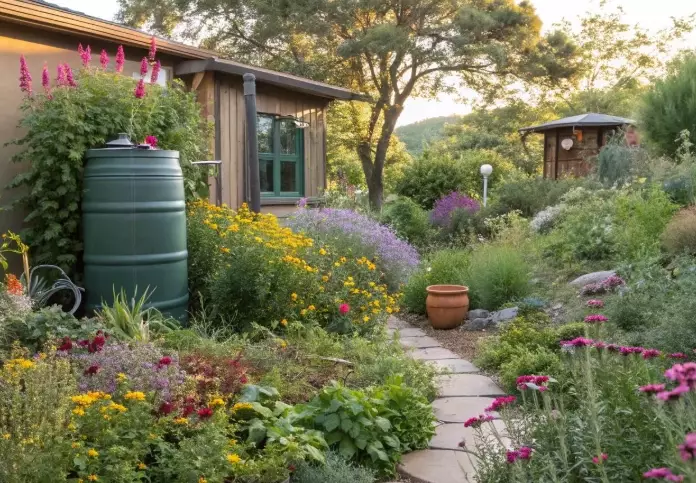
My own journey started out of frustration. I was tired of buying bags of fertilizer, watching my water bill creep up every summer, and fighting the same pests year after year. It felt like a treadmill. That's when I stumbled into the world of sustainable gardening. And here's the thing – it's not about perfection or following a strict set of rules. It's about working smarter with nature, not against it. It's about creating a garden that takes care of itself more often than not, and one that gives back to the environment. Sounds better than a constant battle, right?
This guide is everything I wish I'd known when I started. We're going to strip away the jargon and get down to the practical, doable steps. Whether you have acres of land or a few pots on a balcony, the principles of sustainable gardening can work for you.
What Sustainable Gardening Actually Means (And Why Your Soil Holds the Secret)
Forget the fancy definitions. At its heart, sustainable gardening is about creating a balanced, resilient system. Think of your garden as a mini-ecosystem. The goal is to make it healthy enough to withstand droughts, resist pests naturally, and improve over time with less input from you. It's the opposite of the quick-fix, chemical-heavy approach that leaves the land exhausted.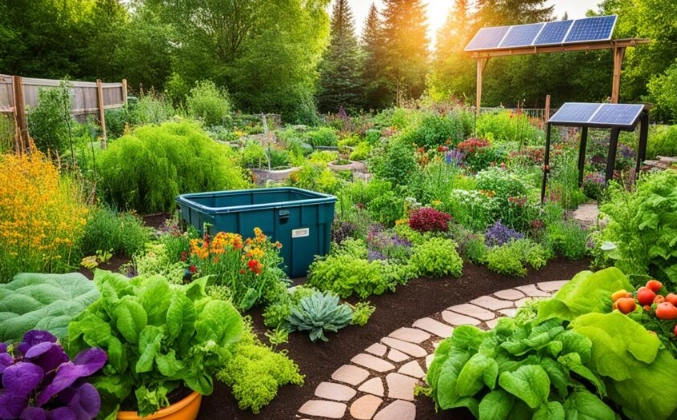
The real secret, the absolute foundation of it all, isn't your plants. It's what's under your feet.
So, how do you build great soil? It all comes down to organic matter. Compost is your best friend here. It's not just about reducing kitchen waste (which is a great bonus), it's about creating the perfect food for your soil life.
Composting 101: No Smell, No Fuss Methods
Composting gets a bad rap. People think it's complicated or smelly. It doesn't have to be. You don't need a fancy tumbler to start practicing sustainable gardening.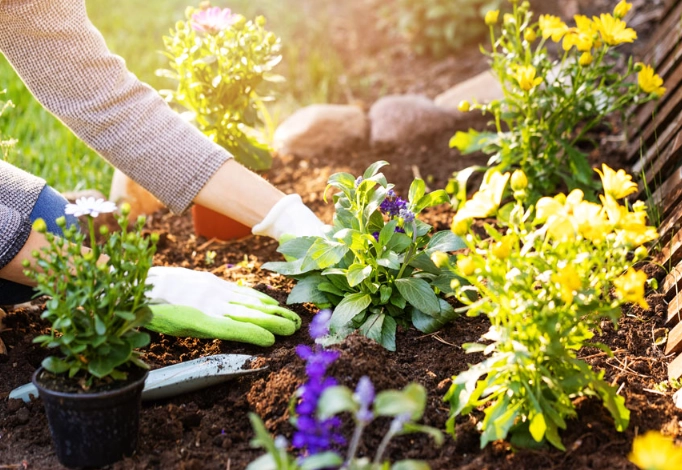
I started with a simple pile in a back corner. Just layers of green stuff (kitchen scraps, grass clippings) and brown stuff (dried leaves, shredded paper). Keep it as moist as a wrung-out sponge, turn it occasionally, and let nature do its thing. If you're short on space, look into worm composting (vermicomposting). A small bin under your sink can house red wiggler worms that will happily munch through your veggie peels and produce incredibly rich "worm tea" and castings.
Here’s a quick comparison of two common, low-tech methods perfect for beginners:
| Method | How It Works | Best For | My Personal Take |
|---|---|---|---|
| Cold Composting (Slow Pile) | Just pile up yard waste and kitchen scraps. Let it decompose slowly over 6-12 months with minimal turning. | Gardeners with space, those who want a hands-off approach. Great for lots of fallen leaves. | This was my start. It's dead simple, but you need patience. Don't add weed seeds or diseased plants. |
| Hot Composting (Active Pile) | Build a larger pile (at least 3'x3'x3') with a careful carbon-to-nitrogen ratio and turn it regularly to heat up and kill pathogens/weed seeds. | Those who generate a lot of waste and want finished compost in 1-3 months. | More work, faster results. Getting the mix right can be tricky at first. When it works and you feel the heat, it's incredibly satisfying. |
The U.S. Environmental Protection Agency has a fantastic, no-nonsense guide on composting basics that cuts through the confusion (EPA Composting Guide). It's a great place to confirm you're on the right track.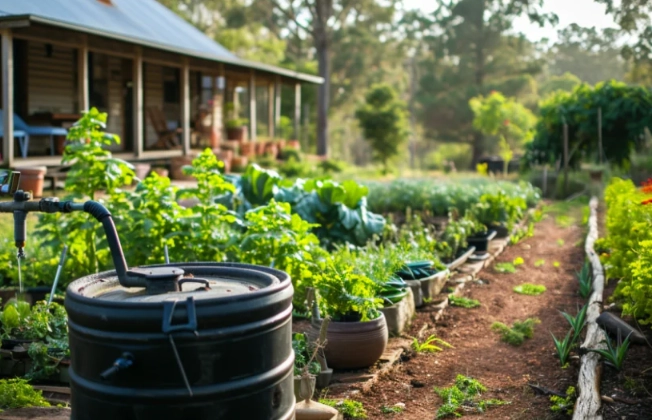
Water Wisdom: The Biggest Game-Changer for Your Garden and Wallet
Watering might be the single most wasteful thing we do in conventional gardens. Sprinklers spraying into the afternoon sun, watering the driveway more than the flowerbed. In sustainable gardening, every drop is precious.
The goal isn't to water more, but to make the water you *do* use stick around longer. It starts with your soil again. That compost-rich, organic soil we talked about? It acts like a sponge, holding moisture much better than compacted, lifeless dirt.
Then, mulch. Oh, mulch is a miracle worker. A 2-3 inch layer of shredded wood, straw, or even grass clippings does so many things at once:
- Slows evaporation: Keeps the soil cool and damp, cutting watering needs by 50% or more in summer.
- Suppresses weeds: Blocks light, so weed seeds can't germinate easily. Fewer weeds means less work for you.
- Feeds the soil: As it breaks down, it adds more organic matter. It's a gift that keeps on giving.
I made the mistake of using dyed red mulch once. It looked awful and I worried about the dyes. Now I stick with plain shredded hardwood or arborist chips (often free from tree-trimming companies).
For actually delivering water, ditch the sprinkler for your vegetable beds and flower borders. Soaker hoses or drip irrigation lines deliver water slowly and directly to the root zone, right where it's needed. There's almost no evaporation or runoff. It's a bit of an upfront setup, but it pays for itself in water savings and healthier plants.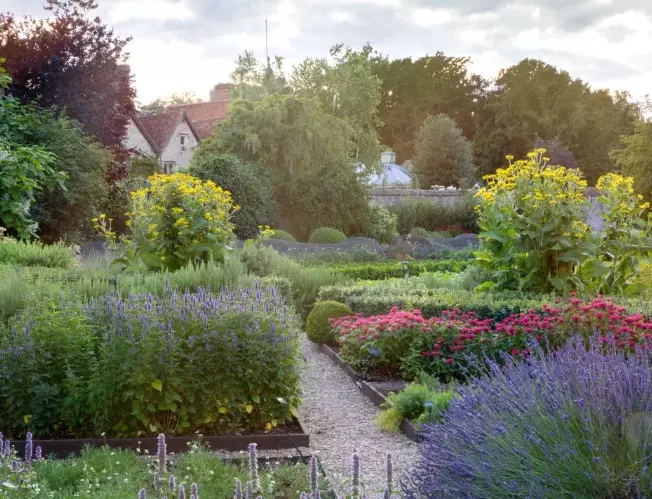
And don't forget the sky! Rain barrels are a classic for a reason. Connecting one to a downspout is a straightforward weekend project. The water is free, it's naturally soft and unchlorinated, and your plants will love it. Some municipalities even offer rebates for installing them – check with your local water authority.
Choosing the Right Plants: The "Work Smarter, Not Harder" Philosophy
This is where a lot of people get tripped up. We fall in love with a plant at the nursery without asking one critical question: Is it happy here?
Forcing a plant that needs constant coddling to survive in your climate is the opposite of sustainable. It will need more water, more fertilizer, more pest control. Instead, embrace native plants and well-adapted varieties.
Native plants have spent thousands of years evolving alongside your local insects, birds, and weather patterns. They are deep-rooted to handle drought, they resist local pests and diseases, and they provide crucial food and habitat for pollinators like bees and butterflies. A garden full of natives is a buzzing, lively place.
Not sure where to start? The Lady Bird Johnson Wildflower Center's Native Plant Database is an incredible resource. You can search by state, soil type, sun exposure, and more.
But "right plant, right place" isn't just about natives. It's about putting a sun-loving plant in full sun and a shade-lover in the shade. It sounds obvious, but you'd be surprised how often we get it wrong. I killed three lavender plants before I accepted my front bed was just too shady and wet for them. A costly lesson in ignoring a plant's basic needs.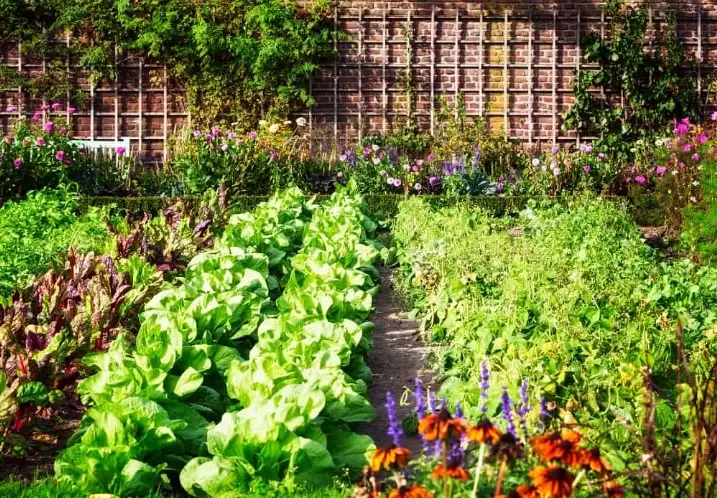
The Power of Planting Friends Together (Companion Planting)
This is an ancient sustainable gardening practice that feels almost like magic. Certain plants, when grown together, help each other out.
- Marigolds among tomatoes: Their roots exude a substance that can deter harmful nematodes in the soil.
- Basil with tomatoes: Said to improve flavor and maybe repel flies and mosquitoes. Even if it's just anecdotal, they're great together in the garden and the kitchen!
- Tall plants (corn) with ground-huggers (squash) and climbers (beans): The famous "Three Sisters" method used by Indigenous Americans. The corn provides a stalk for beans to climb, the beans fix nitrogen in the soil, and the squash leaves shade the ground, suppressing weeds and conserving moisture.
It's not a perfect science, and it's not a substitute for good soil health, but it's a fascinating way to add another layer of resilience to your garden.
Dealing with Pests and Weeds Without Declaring Chemical Warfare
Here's the tough love part: if you have pests, it's often a sign of an imbalance. A truly healthy, diverse garden is less of a target. But problems will happen. The sustainable gardening approach is about management, not annihilation.
First, you have to be okay with a little damage. A few holes in your kale leaves mean life is happening in your garden. The goal is to keep damage below a threshold where it affects your harvest or enjoyment.
My step-by-step process when I see a problem:
- Identify: Is it really a pest? What exactly is it? (The University of California's Integrated Pest Management Program is my go-to for accurate, science-based info). Squashing a ladybug larva because it looks "spiky and scary" is a classic beginner mistake – they're aphid-eating machines!
- Physical Removal: Hand-pick caterpillars or beetles. Blast aphids off with a strong jet of water. Put up barriers like row covers to keep moths from laying eggs.
- Encourage Predators: This is the golden rule. Plant small-flowered herbs (dill, fennel, yarrow) to attract parasitic wasps and hoverflies. Provide water and shelter for birds and frogs. A diverse garden is a self-regulating garden.
- Organic Sprays as a Last Resort: Even organic sprays like insecticidal soap or neem oil can harm beneficial insects. Use them sparingly, targeted directly at the pest, and only in the evening when bees are less active.
As for weeds, mulch is your first and best defense. For persistent weeds, a sharp hoe when the soil is dry works wonders. I've come to see some "weeds" like clover or dandelions differently – clover fixes nitrogen, and dandelion roots break up compacted soil. I don't let them take over, but I'm not in a panic to eradicate every one.
Putting It All Together: Your First-Year Sustainable Garden Action Plan
This can feel overwhelming, so let's break it down into bites. Don't try to do everything at once. Start small, observe, and learn.
Year 1, Focus on These 3 Things:
- Start a Compost Pile/Bin: This is your long-term investment. It doesn't matter if it's perfect.
- Improve One Bed: Pick your favorite vegetable bed or flower border. Work in a 2-3 inch layer of finished compost or well-rotted manure. Then, mulch it heavily.
- Add One Native Plant or Drought-Tolerant Perennial: Replace one thirsty annual or struggling shrub with something suited to your area. See how it thrives with less care.
That's it. Master those, and you're 80% of the way there. The rest is refinement.
The final thought I'll leave you with is this: sustainable gardening isn't a destination you arrive at. It's a mindset. It's about paying attention, learning from mistakes (you will make them, I still do), and tweaking your approach each season.
You're not just growing plants; you're stewarding a small piece of the ecosystem. And when you see the first bee buzzing on a flower you planted, or harvest a tomato from a plant that never saw a drop of chemical fertilizer, the satisfaction is deep. It connects you to the rhythm of the seasons in a way that buying produce from a store shelf never can. That, to me, is the real reward of creating a sustainable garden.
So grab a trowel, start a compost pile, and just begin. Your backyard (and the planet) will thank you for it.
Reader Comments