Quick Guide to Sections
- Why Bother with Lasagna Gardening? The Real Benefits
- The Core Ingredients: Building Your Lasagna Layers
- A Practical Lasagna Gardening Recipe (Step-by-Step)
- Browns vs. Greens: A Quick Reference Table
- Common Questions & Misconceptions About Lasagna Gardening
- Maintenance and Long-Term Care of Your Lasagna Garden
- My Personal Experience & The One Drawback
- Is Lasagna Gardening Right For You?
Ever heard of lasagna gardening? It sounds like something you'd do in the kitchen, not the backyard. I thought the same thing when a neighbor first mentioned it years ago. I was struggling with the rock-hard, clay-heavy soil in my new garden plot. Turning it over with a spade felt like a punishment. Then she introduced me to the idea, and honestly, it changed everything. It's one of those gardening methods that seems almost too good to be true when you first hear about it.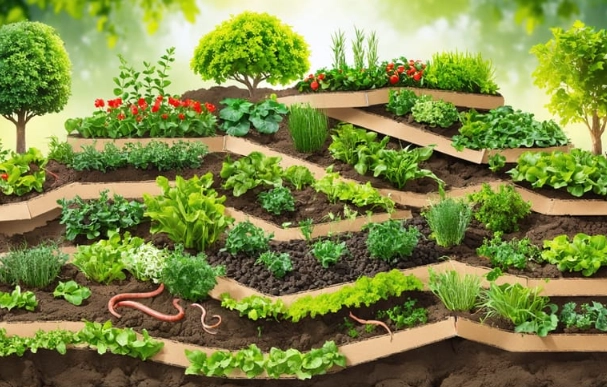
So what is it? At its core, lasagna gardening is a no-dig, no-till method of building a garden bed by layering organic materials right on top of the ground. You don't dig. You don't double-dig. You just layer. The name comes from the alternating layers of "brown" (carbon-rich) and "green" (nitrogen-rich) materials, much like the pasta, cheese, and sauce layers in the Italian dish. Over time, these layers break down into the most beautiful, dark, crumbly, nutrient-packed soil you can imagine. It's a form of sheet composting or sheet mulching, but with a friendlier, more approachable name.
Let's get one thing straight from the start. This isn't a magic trick for instant gratification. If you're looking to plant tomatoes next weekend, a traditional lasagna gardening bed built today won't be ready. It needs time to cook. But if you have a little patience, the rewards are incredible. The soil it creates is alive—teeming with worms and beneficial microbes—and it practically eliminates weeding. I mean, who doesn't want less weeding?
Why Bother with Lasagna Gardening? The Real Benefits
You might be wondering why you should layer stuff on the ground instead of just buying a truckload of topsoil. Fair question. I asked it myself. The benefits of this lasagna gardening approach go way beyond just making soil.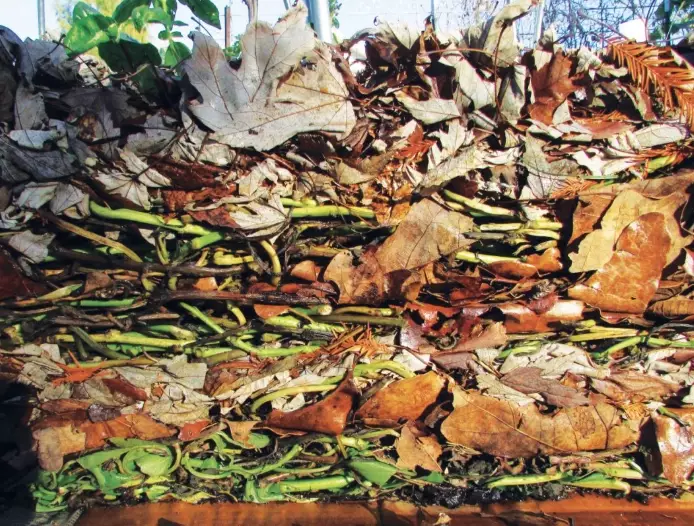
First, it's incredibly easy on your body. No back-breaking digging. This makes it perfect for new gardeners, older gardeners, or anyone who just doesn't fancy a workout every time they want to expand their garden. You're building up, not digging down.
Second, it's a fantastic way to recycle yard and kitchen waste. All those fallen leaves, grass clippings, vegetable peels, and coffee grounds? They're not trash; they're the ingredients for your garden's future. You're closing the loop right in your own yard.
Then there's the weed suppression. By smothering the grass or weeds underneath with a thick layer of cardboard or newspaper, you block their light. Most annual weeds give up. The ones that don't are much easier to pull from the soft, loose layers above. In my experience, after the first season, weeding becomes a five-minute task instead of a weekend chore.
The soil quality is the star of the show, though. Because you're not disturbing the soil structure by tilling, you preserve the delicate ecosystem of fungi (like mycorrhizae) and bacteria that plants depend on. Tilling can destroy these networks. Lasagna gardening builds them. The finished product is a well-aerated, moisture-retentive, fluffy soil that plant roots absolutely love. It has a fantastic texture—what gardeners call "good tilth."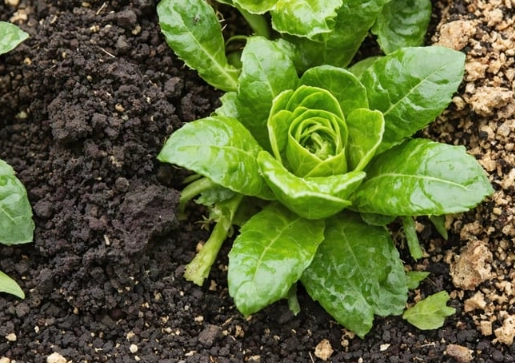
It's also surprisingly adaptable. You can do lasagna gardening in a raised bed frame, directly on a lawn, on a patio in a container, or even on a problematic patch of concrete (though you'd need a very deep base). The principles stay the same.
The Core Ingredients: Building Your Lasagna Layers
Okay, let's talk ingredients. Think of yourself as a chef assembling a dish. You need your base, your browns, your greens, and maybe a little garnish. The classic lasagna gardening formula is simple: alternate layers of carbon-rich "brown" materials with nitrogen-rich "green" materials.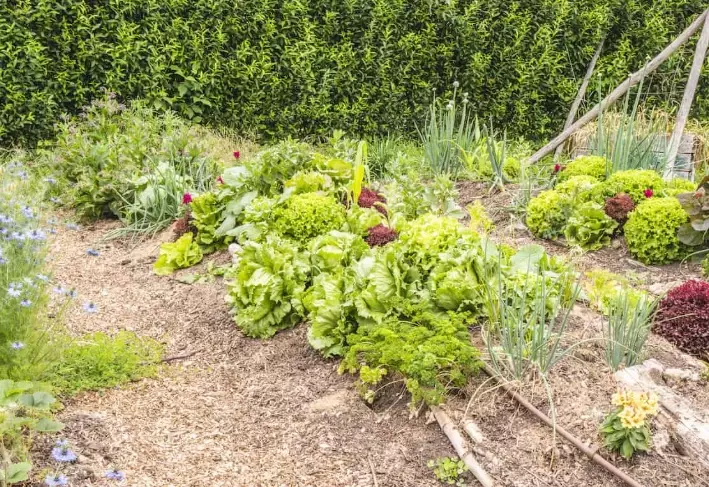
The Foundation Layer (Smothering the Weeds)
This is non-negotiable. You start by laying down a weed barrier directly on top of the grass or soil. This kills the existing vegetation by blocking sunlight. The most common and effective material is plain corrugated cardboard. Remove any tape and plastic labels. You can also use several layers of newspaper (black-and-white pages only, no glossy inserts).
Soak this layer thoroughly with a hose before adding anything else. This helps it conform to the ground and start breaking down. It also keeps it from blowing away. This layer will decompose and become food for worms, who will tunnel up from the soil below.
The "Brown" Layers (Carbon)
Brown materials are typically dry and carbon-rich. They provide structure and air pockets in your lasagna garden bed. Common sources include:
- Fallen leaves (shredded is best—whole leaves can mat down)
- Straw (not hay, which often contains weed seeds)
- Shredded newspaper or cardboard
- Wood chips or sawdust (use sparingly, as they decompose slowly and can tie up nitrogen)
- Pine needles (good for acid-loving plants later)
- Dried plant stalks
Aim for layers about 2 to 4 inches thick. Don't pack them down tightly; you want to keep it fluffy.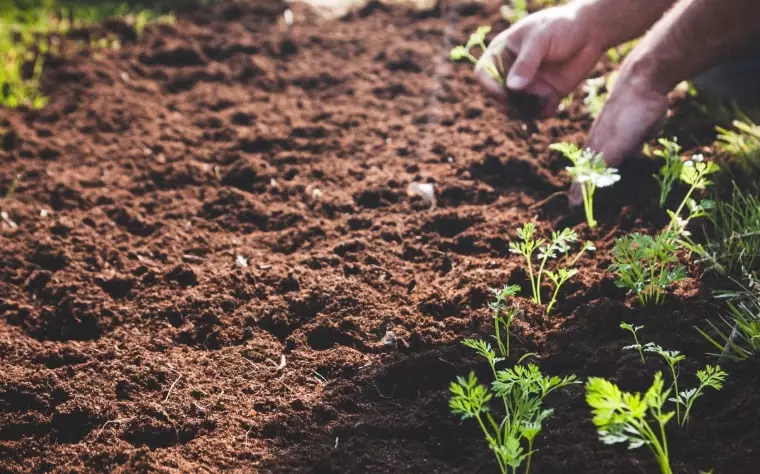
The "Green" Layers (Nitrogen)
Green materials are usually moist and nitrogen-rich. They heat up the pile and fuel the decomposition process. Your kitchen is a great source. Think:
- Vegetable and fruit scraps (no meat, dairy, or oily foods)
- Coffee grounds and filters
- Fresh grass clippings (from a chemical-free lawn)
- Garden weeds (before they go to seed!)
- Manure from herbivores (cow, horse, rabbit, chicken—well-aged is best)
- Alfalfa meal or other green manure
Green layers should be thinner, around 1 to 2 inches. If you use a thick layer of fresh grass clippings, it can get slimy and matted, so mix it with other things or use it thinly.
You just keep repeating: brown, green, brown, green. A typical lasagna gardening bed might be 18 to 24 inches tall when first built. It will shrink dramatically as it decomposes. Your final top layer should always be a brown layer, as it looks tidier and helps reduce flies if you've used kitchen scraps.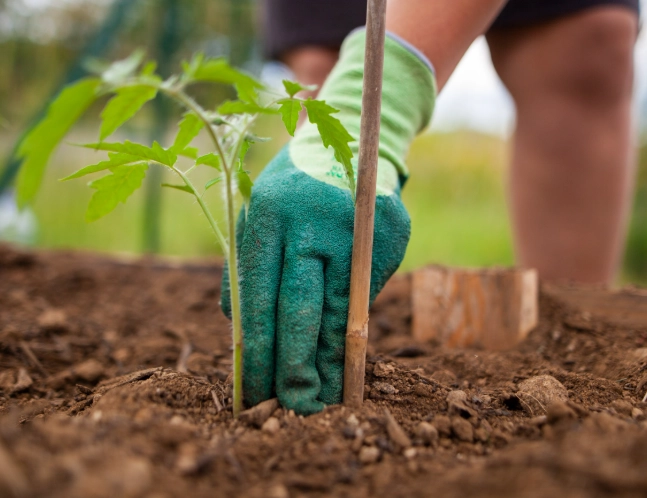
A Practical Lasagna Gardening Recipe (Step-by-Step)
Let's walk through building a standard 4x8 foot bed. You can adjust the quantities based on your space.
Step 1: Mark and Clear. Mark the outline of your bed. You can mow any existing grass very short, but you don't have to.
Step 2: The Smother. Lay down overlapping sheets of cardboard or 8-10 sheets of newspaper. Overlap the edges by at least 6 inches so no light gets through. Soak it completely. This is the most important step for long-term weed control.
Step 3: First Brown Layer. Add 3-4 inches of a coarse brown material. Shredded leaves or straw are perfect. Water it lightly.
Step 4: First Green Layer. Add 2 inches of a nitrogen source. This could be a mix of kitchen scraps and some garden waste. If you have compost, a 1-inch layer here is gold.
Step 5: Repeat. Add another 3 inches of browns (maybe a different type, like shredded paper). Then another 1-2 inches of greens (like fresh grass clippings).
Step 6: The Top Layer. Finish with a 3-4 inch layer of a finished, stable material. This is where you'd use finished compost, topsoil, or a very well-rotted manure. If you don't have these, use a thick layer of straw or shredded leaves. This top layer is what you might plant into if you're doing a "quick" method, or it simply protects the layers beneath.
That's it. The bed is built. Now, you wait. For a fall-built bed, it will be ready to plant in the spring. You'll just pull back the top mulch and find beautiful soil underneath.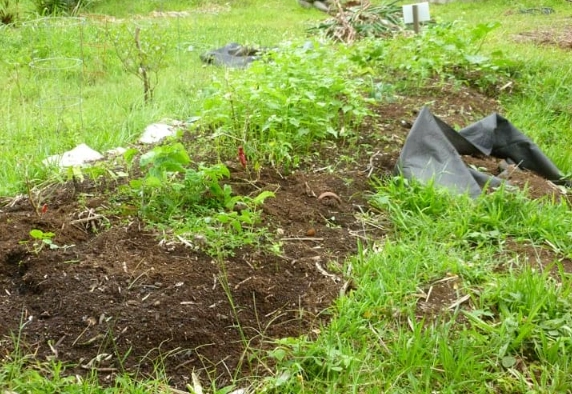
Browns vs. Greens: A Quick Reference Table
It can be confusing to remember what's what. This table breaks down common materials used in lasagna gardening by their carbon-to-nitrogen ratio. You don't need to memorize the numbers—just remember that "browns" are generally dry and woody, while "greens" are generally moist and fresh.
| Material | Category | Notes & Tips |
|---|---|---|
| Fallen Leaves (Shredded) | Brown (High Carbon) | Excellent, but shred them first with a mower. Whole leaves mat into a soggy blanket. |
| Straw | Brown (High Carbon) | Great for structure. Avoid hay (full of weed seeds). |
| Wood Chips/Sawdust | Brown (Very High Carbon) | Use sparingly in thin layers. They decompose slowly and can temporarily rob nitrogen. |
| Cardboard/Newspaper | Brown (High Carbon) | The perfect weed-blocking base. Use plain, non-glossy. |
| Fresh Grass Clippings | Green (High Nitrogen) | Use in thin layers to avoid sliminess. Must be from a pesticide-free lawn. |
| Vegetable Kitchen Scraps | Green (High Nitrogen) | Bury within the layers to avoid pests. No meat/dairy. |
| Coffee Grounds | Green (Good Nitrogen) | A favorite! They're slightly acidic. Mix with browns. |
| Compost (Finished) | Green/Stable | The ideal ingredient for any layer, especially the top. It's already broken down. |
| Well-Aged Manure | Green (High Nitrogen) | A power booster. Ensure it's aged (6+ months) to avoid burning plants. |
Common Questions & Misconceptions About Lasagna Gardening
Maintenance and Long-Term Care of Your Lasagna Garden
One of the beauties of a lasagna garden is that maintenance is minimal. You're not fighting with poor soil anymore.
Each fall, after you pull up spent plants, simply add new layers right on top. More browns (fallen leaves are perfect) and maybe some compost. You're continually feeding the soil from the top down. This mimics natural processes in a forest, where leaves fall and decompose on the surface.
Watering is more efficient. The organic matter acts like a sponge. During dry spells, my lasagna beds need watering far less often than my old tilled beds did. The moisture is held in the layers.
Weeding, as mentioned, is minimal. Any weeds that do appear are usually annuals with shallow roots that pull up with almost no effort because the soil is so loose.
It just gets better with age.
Each year, the soil structure improves. Earthworm populations explode. You'll find yourself just sticking your hands in the soil because it feels so good.
My Personal Experience & The One Drawback
I've been using lasagna gardening techniques for about seven years now. I started with one small bed and now most of my vegetable garden is managed this way. The transformation in my soil has been nothing short of miraculous. From hardpan clay to rich, dark loam.
But it's not all perfect. I have to be honest about the one thing I don't love: the initial waiting period. If you're an impatient gardener (and I often am), watching a new bed sit there for months can be frustrating. You want to plant now. The quick-plant method helps, but it's not the same as having that fully finished, crumbly soil ready for carrots and lettuce seeds. You have to plan ahead. Starting beds in the fall for next spring requires foresight that doesn't always match spring planting fever.
Also, sourcing enough brown material in the spring and summer can be a challenge. In the fall, leaves are everywhere. In July, not so much. I now stockpile shredded leaves in bags in the fall to use throughout the following year. It's a bit of work, but it solves the problem.
Is Lasagna Gardening Right For You?
If you're starting a new garden on lawn or poor soil, want to improve existing soil without back-breaking work, have a lot of yard waste to recycle, or simply believe in working with nature rather than fighting it, then yes, lasagna gardening is absolutely worth trying.
It aligns perfectly with no-dig principles promoted by experts like Charles Dowding, which are gaining massive traction for their soil health benefits. The science backs it up—disturbing soil less fosters a healthier ecosystem. The composting process at the heart of lasagna gardening is a well-understood biological cycle, championed by university extension services everywhere.
Start small. Build a 3x3 foot bed this fall. See how it looks and feels in the spring. I bet you'll be hooked. It demystifies creating good soil. You realize you don't need to buy magic potions or complicated fertilizers. You just need to layer organic matter and let nature do its slow, patient work. That's the real secret of lasagna gardening. It's not a chore; it's an act of building something fundamental, one layer at a time.
So, grab some cardboard this weekend. Save those coffee grounds. Rake up some leaves. And start layering. Your future garden—and your back—will thank you.
Reader Comments