Quick Navigation
Let's be honest for a second. The classic image of gardening—back bent, shovel in hand, turning over heavy, wet soil—is kind of miserable. It's hard work. Your back aches, your hands get blisters, and you're left wondering if it's all worth it. I used to think that was just the price of admission for homegrown tomatoes. Then I discovered no-dig gardening, and it genuinely changed everything.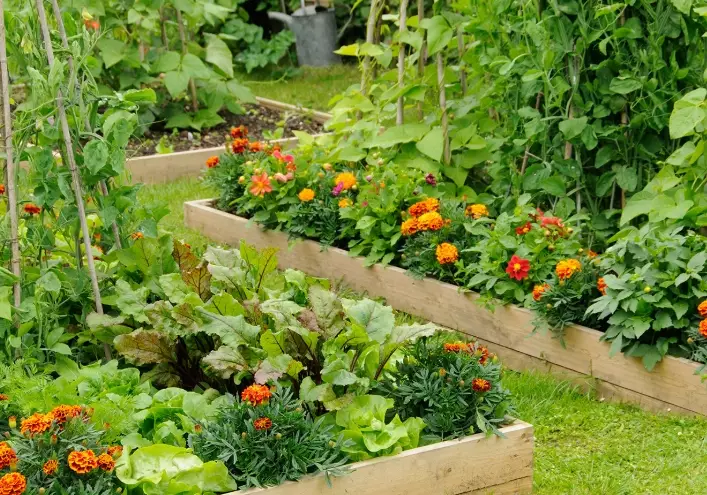
It felt almost like cheating at first. You just... don't dig. You layer stuff on top of the ground, plant into it, and watch things grow better than they ever did before. Sounds too good to be true, right? That's what I thought. But after converting my own messy, weedy plot into a productive no-dig space, I'm a believer. It's not a fad; it's a fundamental shift in how we think about soil.
What Exactly Is No-Dig Gardening? (It's Not Just Being Lazy)
People hear "no-dig" and sometimes think it means doing nothing. That's not it. It's active, but the work is different. You're building up, not breaking down. The method is often called "sheet mulching" or "lasagna gardening" because you create layers of different materials, like building a lasagna on your lawn or old garden bed.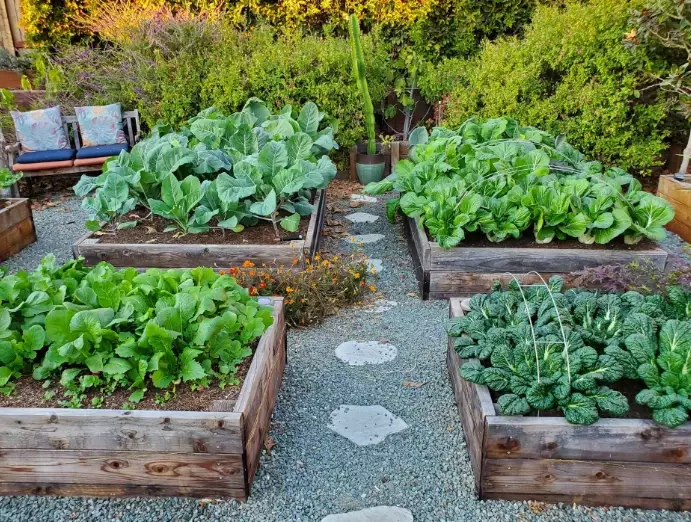
The philosophy comes from observing natural systems. In a forest, does anyone come through with a rototiller? No. Leaves fall, plants die back, and everything decomposes on the surface, feeding the soil from the top down. No-dig gardening mimics that process. Pioneers like Charles Dowding in the UK have spent decades proving it works, not just in theory but in high-yield market gardens. His YouTube channel is a treasure trove of real-world evidence if you need convincing.
So why does disrupting the soil cause problems? When you till, you temporarily add air, but you also destroy the intricate fungal networks (mycorrhizae) that help plants uptake nutrients and water. You bring buried weed seeds to the surface to germinate. You can create a hardpan—a compacted layer—just below where you dig. No-dig avoids all of that. It's about cooperation with soil biology, not domination.
The Core Principles You Need to Understand
Before you start piling up leaves, get your head around these three non-negotiable rules of no-dig gardening.
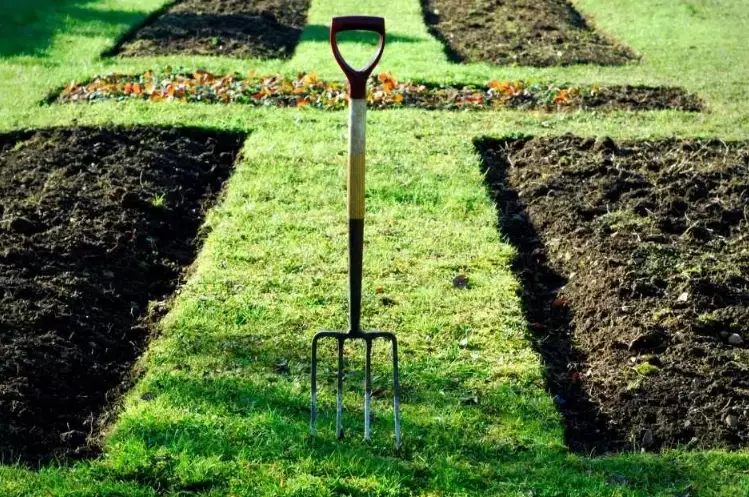
First, disturb the soil as little as possible. This means no tilling, no double-digging, no turning it over. If you're starting on weedy ground, you might gently remove the biggest perennial weed roots (like dandelion taproots), but that's it. The goal is to let the soil structure built by worms and microbes remain intact.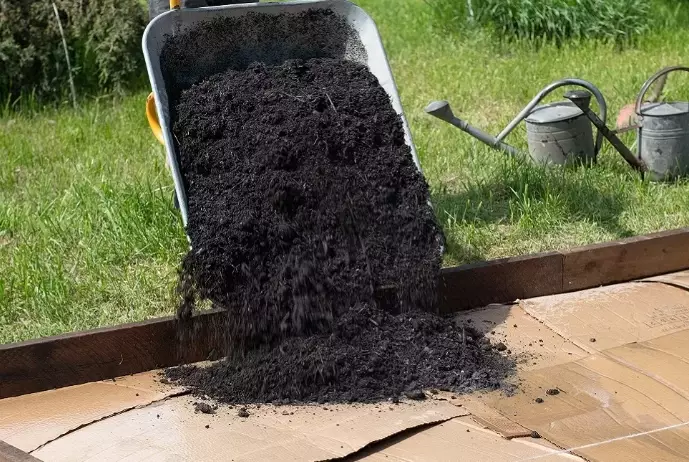
Second, always keep the soil covered. Bare soil is unhappy soil. It erodes, dries out, and gets baked by the sun. In a no-dig system, you use a thick layer of compost as a mulch and planting medium. As plants grow, they provide their own living cover. When a crop finishes, you immediately replant or cover the area with more compost or a cover crop.
Third, feed the soil, not the plant. This is the biggest mental shift. You're not directly feeding your tomatoes with liquid fertilizer. You're feeding the complex ecosystem in the soil with organic matter (compost, manure, leaf mold). That ecosystem, in turn, feeds your plants in a balanced, sustained way. The UK's Royal Horticultural Society has great resources on soil life that explain this symbiotic relationship in detail.
Your First No-Dig Bed: A Step-by-Step Reality Check
Okay, you're ready to try it. Here’s how to build your first bed, whether you're starting on lawn, weedy soil, or even concrete (with a container).
What You'll Need to Get Started:
- Cardboard or newspaper: Plain brown cardboard is best. Remove all tape and glossy labels. This is your weed-smothering layer.
- High-quality compost: This is your main ingredient. You need a lot—think 3 to 4 inches deep. Homemade is ideal, but buying in bulk is often necessary for the first year. Don't skimp.
- Optional "brown" layers: Straw, fallen leaves, or wood chips can be used under the compost to add bulk if you're on a tight budget, but the top planting layer must be fine, finished compost.
- A hose or watering can: You'll wet each layer as you build.
Step 1: The Foundation. Mow or flatten any existing vegetation (grass, weeds) as low as possible. Don't dig it up. Just knock it down.
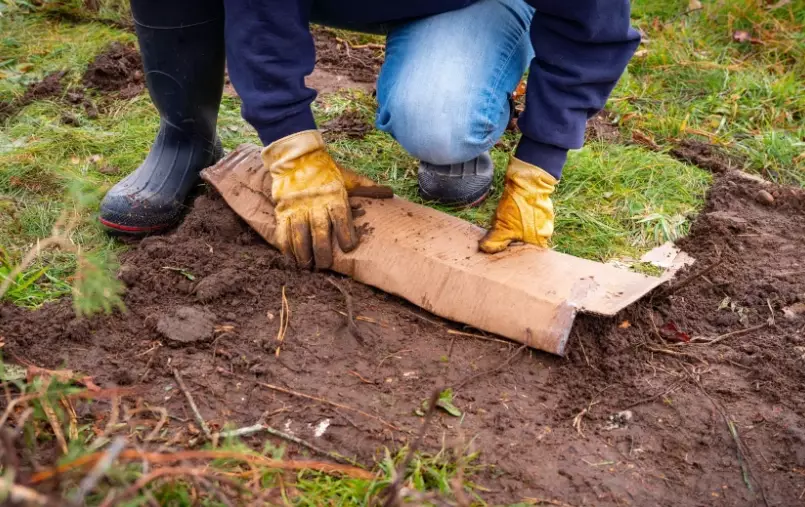
Step 2: Smother It. Lay down overlapping sheets of cardboard or 10+ layers of newspaper directly on the ground. Overlap the edges by a good 6 inches so weeds can't find a seam. This layer blocks light, killing the grass and weeds underneath. They'll decompose and become food. Soak this layer thoroughly. It needs to stay wet to break down and keep the cardboard from blowing away.
Step 3: The Main Event—Compost. Pile on your compost. Aim for a minimum depth of 3 inches, but 4 to 6 inches is even better for your first year. This is your new planting medium. You are literally planting directly into this compost layer. Smooth it out roughly.
And that's it. Really. You can now plant seeds or seedlings right into that top compost layer. For transplants, just make a small hole in the compost to pop the plant in. For seeds, you might sprinkle a tiny bit of extra fine compost on top as a seed bed.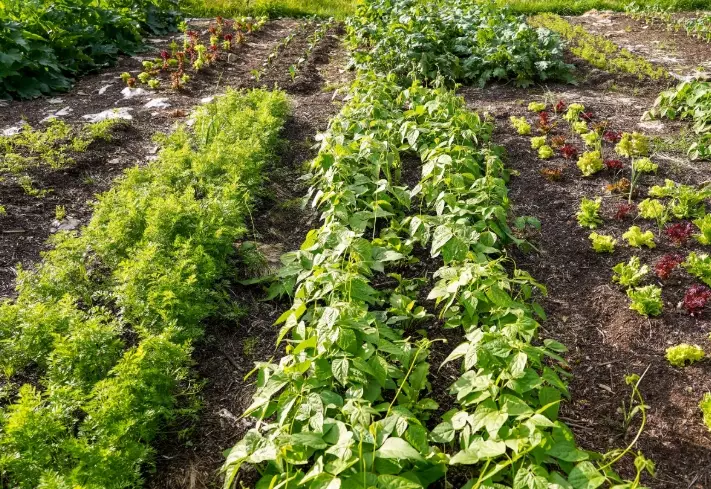
No-Dig vs. Traditional Gardening: What Actually Changes?
Let's break down the real differences you'll notice in your gardening life. This isn't just about avoiding digging; it changes the whole rhythm of the year.
| Aspect | Traditional (Digging) Gardening | No-Dig Gardening |
|---|---|---|
| Soil Preparation | Annual tilling/digging, often hard physical labor in spring and fall. | One-time bed creation. Annual top-up with 1-2 inches of compost. |
| Weeding | Frequent, as digging brings new seeds to the surface. Weeds often have deep roots. | Drastically reduced. Most weeds are shallow-rooted and easy to pull from soft compost. |
| Watering | More frequent, as tilled soil loses structure and moisture faster. | Less frequent. The mulch layer retains moisture incredibly well. |
| Soil Health | Can degrade structure over time, harm microbial life, create compaction layers. | Continuously improves. Builds stable humus, increases biodiversity, improves drainage. |
| Time & Effort | High effort concentrated in seasonal bursts (spring/fall prep). | Lower, more consistent effort spread throughout the season (mainly harvesting!). |
The watering difference alone is a game-changer in hot summers. That blanket of compost acts like a sponge. I water maybe half as often as my neighbor who tills. And after a rain, my beds don't turn into a muddy soup; they just absorb the water beautifully.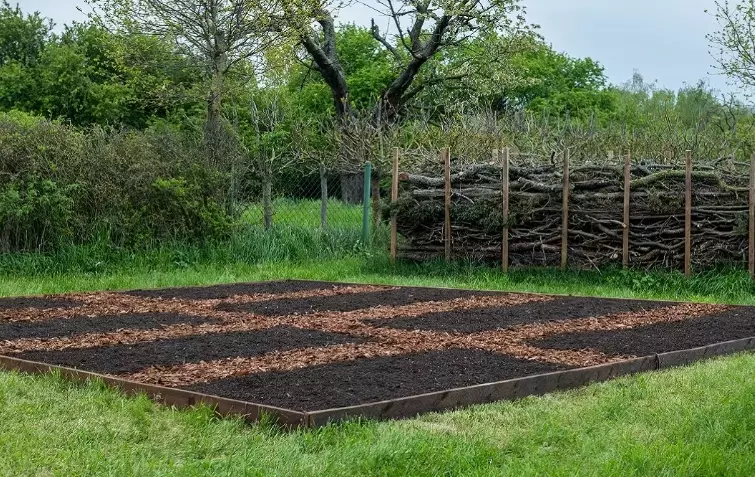
But It's Not All Sunshine and Rainbows: The Honest Drawbacks
I'd be doing you a disservice if I didn't talk about the challenges. No-dig gardening isn't magic fairy dust.
The initial cost and effort can be high. Sourcing and moving enough compost for your first-year beds is a project. If you don't have a truck, you're looking at many bags from the garden center or coordinating a bulk delivery. It feels like a big upfront investment.
You need a reliable compost source. Your system relies on adding good-quality compost every year. If your homemade pile isn't ready or you can't buy any, you feel it. It forces you to become a better composter, which is a good thing long-term, but it's a new skill to learn.
Slugs and snails. This is the big one everyone whispers about. That moist, rich, undisturbed environment is heaven for slugs, especially in the damp cardboard layer in the first season. I won't lie—my first no-dig year had a slug party. You need a strategy. I've had success with nightly patrols with a flashlight and bucket in spring, encouraging predators like frogs and birds, and using iron phosphate-based baits as a last resort. By the second year, as the cardboard fully decomposed and the ecosystem balanced, the problem lessened dramatically.
Answering Your Biggest No-Dig Questions
The Long-Game: Maintaining Your No-Dig Garden Year After Year
This is where no-dig gardening shines and where most beginner guides stop. What happens in year two, three, and beyond?
The Annual Ritual: Each year, ideally in late autumn or early spring, you simply add a thin layer (about 1 to 2 inches) of fresh compost on top of your beds. You don't dig it in. Just spread it like you're frosting a cake. This replenishes the organic matter that has been used by your plants and decomposed by soil life. That's your entire soil preparation. It takes minutes.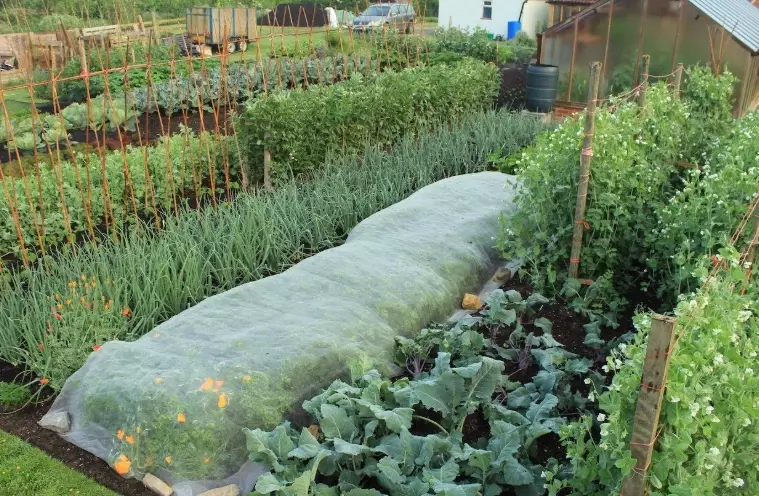
Crop Rotation is Still Key: Just because you're not digging doesn't mean you can ignore good gardening practices. You should still rotate plant families (e.g., don't plant tomatoes where peppers grew last year) to prevent pest and disease buildup. The ease of the no-dig system actually makes it simpler to plan and execute rotations.
Listening to Your Soil: After a few years, you'll develop a feel for it. The soil becomes darker, crumblier, and has that famous "earth" smell. You'll see more earthworm casts on the surface after a rain—a sure sign of health. Resources from institutions like the USDA's Natural Resources Conservation Service on soil health indicators can help you understand what you're seeing.
The most profound change is mental. You stop seeing soil as just dirt, an inert growing medium. You start seeing it as a living, breathing community that you're a steward of. Your job shifts from controller to facilitator. You provide the food (compost), and the soil life does the rest.
So, is no-dig gardening for everyone? If you love immediate, manicured perfection, the first season might frustrate you. It's a bit messy-looking at first. But if you're interested in creating a resilient, low-work, incredibly productive garden that gets better every single year, it's absolutely worth trying. Start small. Build one 4x8 foot bed this season. Plant a couple of tomato plants and some lettuce. Watch how little you weed it. See how the soil feels. You might just find yourself, like I did, happily retiring your shovel for good.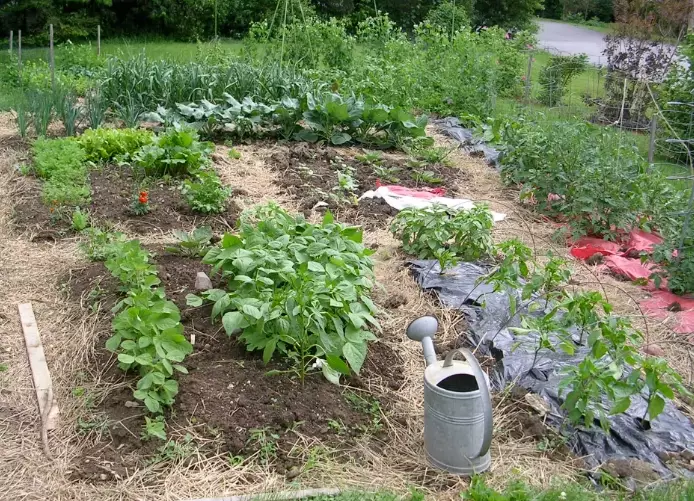
The garden becomes less of a chore and more of a sanctuary. And honestly, that's the biggest reward of all.
Reader Comments