Your Gardening Roadmap
- First Things First: The Balcony Gardening Audit
- Choosing Your Plants: A Match Made for Your Microclimate
- The Gear: Containers, Soil, and Tools You Actually Need
- The Daily Grind: Watering, Feeding, and Pest Patrol
- Designing Your Space: It's Not Just About Growing
- Your Balcony Gardening Questions, Answered
- Parting Thoughts: Start Small, Learn, and Enjoy
Let's be honest. When you live in an apartment or a house with just a concrete slab outside your door, the idea of gardening can feel like a distant dream. You see pictures of sprawling vegetable patches and envy your friends with backyards. I felt exactly the same way for years. I thought gardening was off-limits until I stumbled upon the world of balcony gardening almost by accident.
It started with a single, sad-looking basil plant from the grocery store. I nearly killed it with too much water. But that little plant sparked something. I realized I didn't need acres of land. I just needed to rethink what a garden could be. A balcony garden isn't a consolation prize; it's a smart, intensive, and incredibly rewarding way to grow things. You have more control than you think. No battling endless weeds from the neighbor's yard, for one thing.
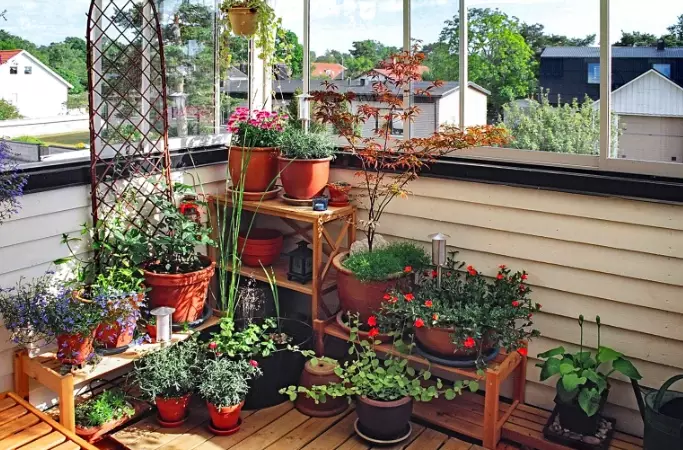 It's gardening, distilled to its purest form.
This guide is everything I wish I'd known when I began. We're not just talking about sticking a few flowers in pots. We're talking about creating a living, breathing, productive space that fits your life, your sunlight, and your two feet of outdoor room. Whether you want cherry tomatoes for your salads, herbs for your kitchen, or a cascade of blooms to look at with your morning coffee, it's all possible. Let's dig in.
First Things First: The Balcony Gardening Audit
Before you buy a single seed packet or a gorgeous pot, you have to play detective. Your balcony has a personality defined by a few key factors. Ignoring them is the number one reason people fail at balcony gardening. Trust me, I learned the hard way by trying to grow sun-loving peppers on a shaded ledge. It was a sad, leggy, fruitless experiment.
Sunlight: The Non-Negotiable Currency
This is the big one. You need to become a sunlight stalker for a few days. Don't guess.
- Full Sun (6+ hours of direct sun): This is prime real estate. Think tomatoes, peppers, cucumbers, beans, rosemary, lavender, and most flowering annuals like petunias and geraniums.
- Partial Sun/Partial Shade (3-6 hours of sun): A lot of balconies fall here, especially with buildings casting shadows. This is perfect for leafy greens (lettuce, kale, spinach), herbs like mint and parsley, and flowers like impatiens and begonias.
- Full Shade (less than 3 hours of direct sun): It's a challenge, but not impossible. Your best bets are foliage plants like hostas (if it's cool), coleus, ferns, and herbs like cilantro that tend to bolt in too much heat. Root vegetables are pretty much off the table.
I use a simple app on my phone now to track it, but even just noting the sunny spots at 9am, 12pm, and 3pm over a weekend will give you a crystal-clear picture.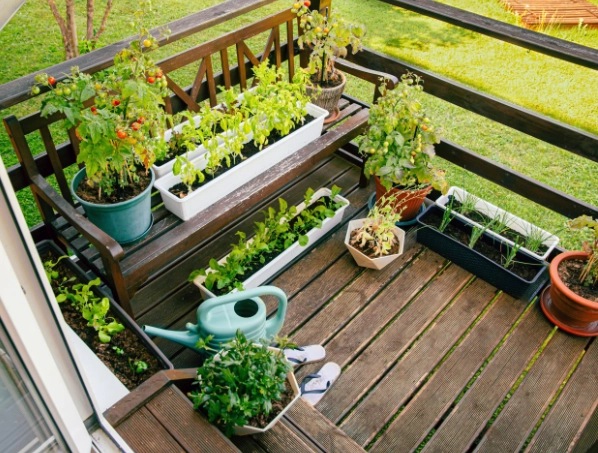
Wind: The Silent Plant Killer
This one sneaks up on you. A balcony on a high floor is a wind tunnel. It dries out soil in hours, snaps stems, and stresses plants to death. Run your hand over the railing. Feel that constant breeze? Your plants will feel it tenfold.
Weight: Safety First, Always
Wet soil is heavy. A large plastic pot full of damp potting mix can easily weigh over 50 pounds. You need to know your balcony's load capacity. If you're in an older building or have any doubts, distribute weight along load-bearing walls (where the balcony meets the building), not all out on the railing edge. Consider using lighter-weight soil mixes specifically designed for containers—they often include perlite or coir.
Choosing Your Plants: A Match Made for Your Microclimate
This is the fun part, but you have to pair the plant's needs with your balcony's reality. Don't fight nature. Work with it. Here’s a breakdown to make it easy.
| Plant Type | Best For Balcony Because... | Top Picks for Beginners | Watch Out For |
|---|---|---|---|
| Herbs | Fast-growing, frequent harvest, love containers. A true balcony gardening staple. | Basil, Mint, Chives, Thyme, Oregano. Rosemary (needs full sun). | Mint is invasive—give it its own pot! Basil hates cold nights. |
| Leafy Greens | Grow quickly, don't need deep soil, tolerate partial sun. | Lettuce (all types), Kale, Swiss Chard, Arugula, Spinach. | Can bolt (go to seed) and turn bitter in intense summer heat. |
| Vegetables (Fruiting) | Incredibly satisfying to harvest your own food. | Cherry Tomatoes (dwarf/bush varieties), Peppers (compact types), Bush Beans, Dwarf Cucumbers. | Need the most sun (6-8 hrs), consistent feeding, and often support (cages/stakes). |
| Flowers (Annuals) | Instant color, attract pollinators for your veggies. | Petunias, Geraniums (sun), Impatiens, Begonias (shade), Marigolds (pest deterrent). | Need deadheading (removing old blooms) to keep flowering all season. |
| Edible Flowers | Double duty: beautiful and tasty in salads. | Nasturtiums (peppery leaves & flowers), Pansies, Calendula. | Ensure they are grown organically if you plan to eat them. |
My personal favorite for a quick win? Bush beans. They sprout fast, don't need staking, and produce like crazy. Nothing beats the taste of a bean you picked two minutes ago.
The Gear: Containers, Soil, and Tools You Actually Need
You don't need a shed full of tools. A few basics will get you 95% of the way there.
Containers: Size and Material Matter
Bigger is generally better. More soil means more nutrients and moisture for roots, which means less frequent watering and feeding for you. A tomato plant in a tiny pot is a thirsty, hungry, unhappy tomato plant.
- Depth is Key: Herbs & Lettuce: 6-8 inches deep. Tomatoes/Peppers: At least 12-14 inches deep. Carrots/Radishes: Check seed packet for root depth.
- Material Pros & Cons:
- Terracotta/Clay: Beautiful, breathable (dries out faster), heavy (good for wind). Can crack in freeze-thaw cycles.
- Plastic/Resin: Lightweight, cheap, retains moisture. Can fade and become brittle in sun. Look for UV-resistant ones.
- Fabric Pots (Grow Bags): My go-to for veggies. Excellent air pruning for roots, prevents overwatering, lightweight. They do dry out a bit faster.
- Self-Watering Pots: A game-changer for busy people or hot balconies. A reservoir at the bottom waters the plant from below. Worth the investment for thirsty plants like tomatoes.
Soil: Don't Skimp Here
Do not, I repeat, do not dig up dirt from the ground or reuse old soil from last year's annuals. It's compacted, likely lacks nutrients, and might harbor diseases or pests. You need a high-quality potting mix, specifically formulated for containers. It's fluffy, drains well, and is sterile. Look for mixes that say "for containers" or "potting mix." Garden soil is different and will suffocate roots in a pot.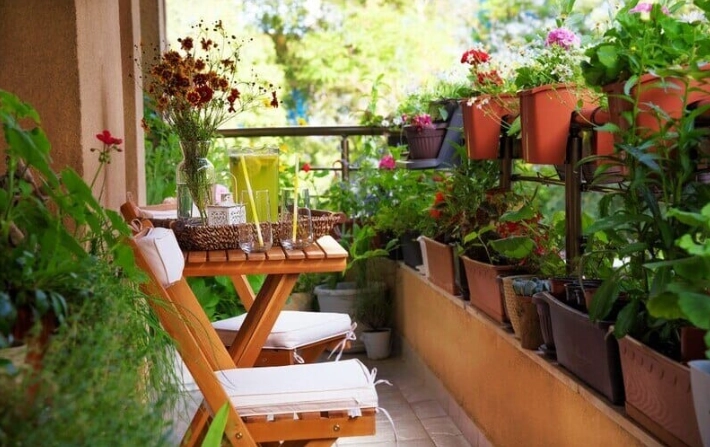
For an extra boost, I like to mix in a handful of compost or a slow-release organic fertilizer into the potting mix before I plant. It gives the plants a gentle, steady food source right from the start. The University of Minnesota Extension has great, science-backed resources on soil basics that confirm this approach.
The Minimalist Tool Kit
- A small hand trowel (for digging).
- Pruning snips or sharp scissors (for harvesting herbs and deadheading).
- A watering can with a long, narrow spout (to reach behind pots without splashing).
- A pair of gloves (keeps the dirt out from under your nails).
That's really it. You can get fancy later.
The Daily Grind: Watering, Feeding, and Pest Patrol
Balcony gardening is low-maintenance, but it's not no-maintenance. Think of it like having a pet that doesn't need walking. A little regular attention goes a long way.
Watering: The Finger Test is Law
Forget schedules. Stick your finger into the soil up to your first knuckle. If it feels dry, water. If it feels damp, wait. In the heat of summer, you might be watering every day, especially small pots. In spring and fall, maybe twice a week. Water deeply until you see it run out the drainage hole—this encourages deep roots. Morning watering is best to reduce evaporation and fungal diseases.
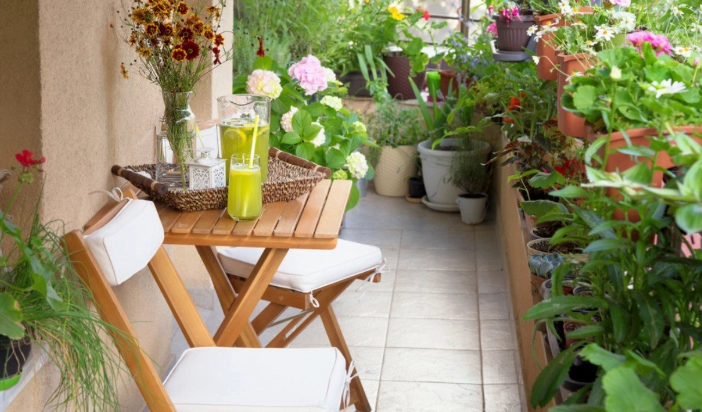 Really, just use your finger.
Feeding: They Get Hungry
Potting mix nutrients get used up fast. You need to replenish them. I use a balanced, water-soluble organic fertilizer (something like a 5-5-5) every two weeks for my heavy feeders (tomatoes, peppers, flowers). For herbs and greens, once a month is usually plenty. Follow the label instructions—more is not better and can "burn" plants.
Pests and Problems: The Usual Suspects
The good news? Fewer ground-based pests (goodbye, slugs!). The bad news? Aphids and spider mites love balconies too.
- Aphids: Tiny green or black bugs on new growth. Blast them off with a strong jet of water from your spray bottle. For stubborn cases, insecticidal soap works.
- Spider Mites: Fine webbing on leaves, leaves look dusty or stippled. They hate humidity. Mist plants regularly or, again, use insecticidal soap.
- Powdery Mildew: White powdery film on leaves (common on squash, phlox). Improve air circulation, avoid wetting leaves when watering. A baking soda spray can help.
The best defense is a healthy plant. Stressed plants attract pests. The Royal Horticultural Society (RHS) website is an incredible, authoritative resource for diagnosing any plant problem with detailed photos.
Designing Your Space: It's Not Just About Growing
Your balcony is an outdoor room. Think about how you want to use it. A cozy corner with a chair? A lush green wall? A productive mini-farm?
- Go Vertical: This is the golden rule of small space gardening. Use wall planters, railing planters, hanging baskets, or a tall, narrow trellis for peas, beans, or cucumbers.
- Layer Heights: Put taller plants (tomatoes in cages) at the back or sides, medium ones (peppers) in the middle, and trailing plants (sweet potato vine, nasturtiums) at the front or in hanging baskets to spill over.
- Add Comfort: Even a small stool and a side table can transform the space from a plant storage area to a retreat.
Your Balcony Gardening Questions, Answered
Parting Thoughts: Start Small, Learn, and Enjoy
The biggest mistake you can make is trying to do too much in your first season. Get two or three pots. Plant some herbs and a cherry tomato plant. See how it goes. Notice how the sun moves, how quickly the soil dries out. Each season you'll learn something new. Your balcony garden will evolve.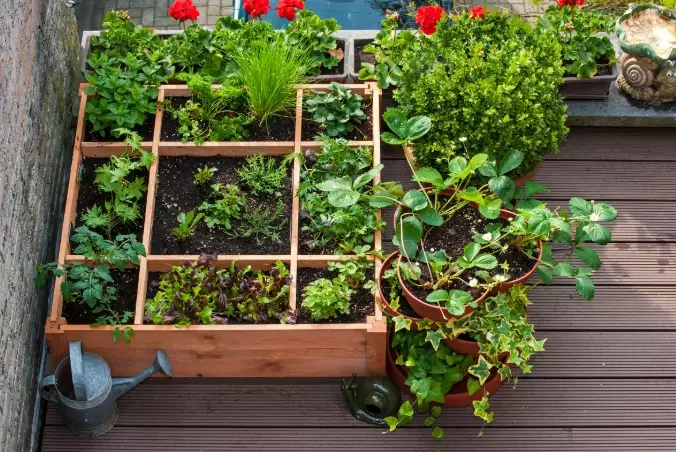
Some years, my balcony is a jungle of tomatoes. Other years, I just want low-maintenance flowers and herbs. Both are perfect. The goal isn't perfection. The goal is connection—to your food, to nature, to a little patch of green that you created. The satisfaction of snipping fresh basil for your pasta, or seeing the first bee visit your flowers, is what balcony gardening is all about. It turns a slab of concrete into a place of life.
So, what are you waiting for? Grab a pot, some soil, and one plant that makes you smile. Your green haven is waiting, just outside your door.
Reader Comments