In This Guide
- What Exactly Is Gardening Therapy? It's More Than Just Weeding
- Why Does It Work? The Science of Soil and Sanity
- The Benefits: What Can Gardening Therapy Actually Do For You?
- How to Start Your Own Gardening Therapy Practice (No Green Thumb Required)
- Gardening Therapy for Specific Needs
- Answering Your Questions (The FAQ Section)
- The Bigger Picture: Your Personal Green Prescription
Let's be honest. Life can feel like a lot sometimes. The buzzing phone, the endless to-do list, that low-grade anxiety humming in the background. You might have heard people say "get some fresh air" or "connect with nature" as a cure-all, and honestly, it used to sound a bit flimsy to me. Like a nice idea, but not real medicine. Then, a few years back, I was going through a rough patch. Nothing major, just the cumulative weight of daily stress. On a whim, I bought a sad-looking basil plant from a grocery store. I didn't know the first thing about keeping it alive.
But something shifted when I got my hands in the soil to repot it. The texture was cool and crumbly. The smell was earthy and honest. For those twenty minutes, I wasn't thinking about my inbox. I was focused on whether the roots looked healthy and if the pot had enough drainage. That basil plant, against all odds, thrived. And so did a little part of me. That was my clumsy, accidental introduction to what experts formally call gardening therapy, though I just thought of it as my quiet time with the plants.
It turns out, my experience wasn't just a fluke. There's a whole field of study and practice behind this. So, what is gardening therapy, really? And how can you use it, even if you've killed every cactus you've ever owned?
What Exactly Is Gardening Therapy? It's More Than Just Weeding
Here's where things get specific. When you search for "gardening therapy," you might find two related but different ideas. There's the formal, clinical practice and the broader, everyday wellness activity. Both are valuable, but it helps to know the difference.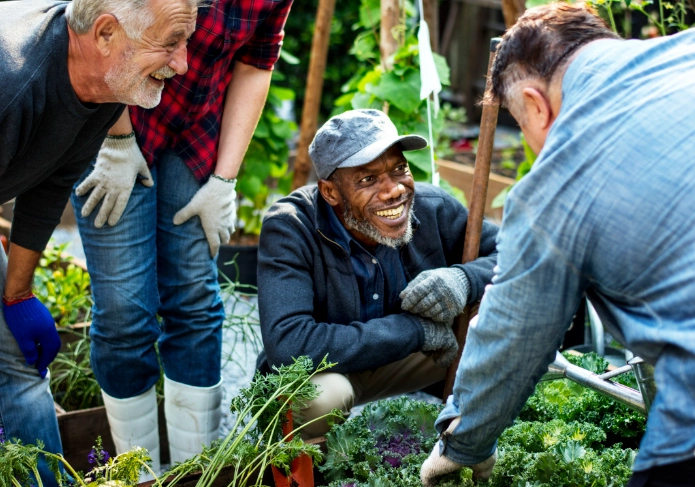
The formal practice is often called horticultural therapy. This is a goal-oriented, structured process facilitated by a trained and registered horticultural therapist (yes, that's a real and credentialed profession!). They work in settings like hospitals, rehabilitation centers, senior communities, and schools. A horticultural therapist might design activities to help a stroke survivor improve their fine motor skills by planting seeds, or guide a veteran with PTSD in managing stress through the rhythmic task of raking a sand garden. The American Horticultural Therapy Association (AHTA) sets the standards for this profession. The therapy is the primary focus; the plants are the medium.
Then there's the therapeutic gardening that most of us can do at home. This is the self-driven, wellness-focused act of gardening with the intention of improving your mental or physical health. You're not necessarily working with a therapist, but you are intentionally using garden activities to reduce stress, lift your mood, or get some gentle exercise. This is what I stumbled into with my basil plant. The gardening is the primary activity; the therapy is the beneficial outcome.
For the purpose of this guide, when we talk about gardening therapy, we're mostly focusing on that second, accessible form—the powerful, personal practice of healing through gardening. But understanding the formal background gives the whole idea more credibility, don't you think? It's not just a hippie trend; it's backed by science and professional practice.
The Core Idea
At its heart, gardening therapy works because it engages us on multiple levels all at once: physically, mentally, and emotionally. It's not passive. You're doing, creating, nurturing, and problem-solving in a natural environment. This multi-sensory engagement is what makes it so uniquely effective compared to, say, just sitting in a park (which is also lovely, but different).
Why Does It Work? The Science of Soil and Sanity
Okay, so it feels good. But why? Researchers have been digging into this (pun intended) and have found some fascinating connections.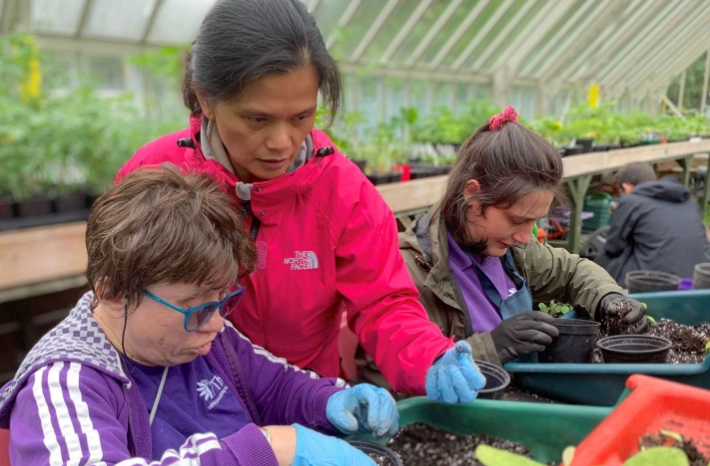
First, there's the stress-busting effect. Multiple studies have shown that gardening can lower cortisol levels, that pesky stress hormone. The combination of physical activity, focused attention, and exposure to green space acts like a natural anti-anxiety pill. A review cited by the American Psychological Association highlights how exposure to nature is linked to reductions in stress, anger, and fear.
Then there's the microbiome connection. This one blew my mind. A specific soil bacterium, *Mycobacterium vaccae*, has been studied for its potential to stimulate serotonin production in the brain. Serotonin is a key neurotransmitter that regulates mood. The theory is that inhaling or coming into contact with this "friendly" bacteria while gardening might have a natural antidepressant effect. It's literally an uplifting reason to get a little dirty.
Gardening also forces a kind of healthy mental time-out. It's a form of mindfulness in action. You can't worry about tomorrow's meeting while you're carefully separating the tangled roots of a perennial. Your brain shifts into a state of "soft fascination," where it's engaged but not overwhelmed. This breaks the cycle of rumination that fuels so much anxiety and depression.
And let's not forget the tangible rewards. In a world where our work is often abstract (another email sent, another spreadsheet cell filled), gardening gives you concrete results. A sprout emerges. A tomato ripens. A flower blooms. This cycle of effort and visible reward provides a deep sense of accomplishment and agency. You are a creator, not just a consumer.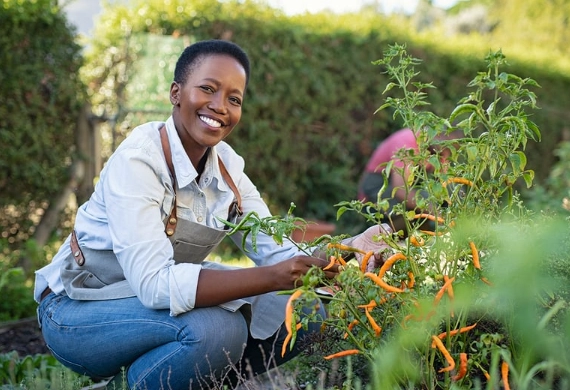
The Benefits: What Can Gardening Therapy Actually Do For You?
The list is surprisingly long. It's not just about feeling vaguely more peaceful. The benefits of a consistent gardening therapy practice can touch almost every part of your well-being.
- Mental & Emotional Health: This is the big one. Reduced symptoms of anxiety and depression, improved mood, lower stress levels, and better overall life satisfaction. It can also help with managing anger and grief by providing a productive, physical outlet for difficult emotions.
- Cognitive Benefits: Gardening requires planning, problem-solving, learning, and sensory engagement. This can help sharpen your mind, improve concentration, and even support memory. For older adults, studies suggest it can be a protective factor against dementia.
- Physical Health: It's moderate, low-impact exercise. Digging, planting, weeding, and watering improve strength, flexibility, and stamina. Exposure to sunlight helps your body produce Vitamin D. The physical activity can also lead to better sleep.
- Social Connection: Community gardens are fantastic for this. They combat loneliness by creating a shared purpose and a natural space for conversation. Even sharing tips with a neighbor over the fence can foster a sense of belonging.
- Nutritional Payoff: If you grow edibles, you get the unbeatable satisfaction of eating food you nurtured from seed to plate. It often tastes better and can encourage healthier eating habits.
To make this more practical, here’s a quick look at how specific gardening activities map to different therapeutic goals.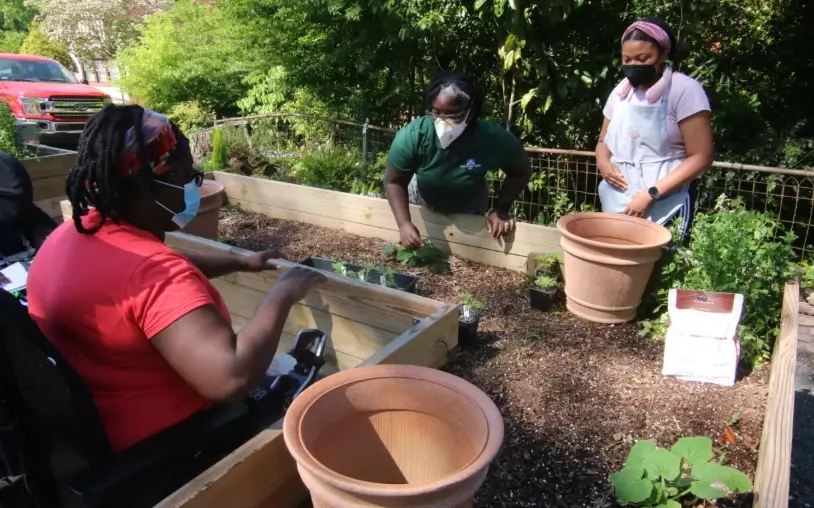
| Therapeutic Goal | Ideal Gardening Activities | Why It Works |
|---|---|---|
| Immediate Stress Relief | Hand-watering plants, deadheading flowers, gentle weeding, raking gravel or sand. | Repetitive, rhythmic motions calm the nervous system. Focus is on simple, achievable tasks. |
| Building Patience & Hope | Planting seeds, nurturing seedlings, growing plants from cuttings or bulbs. | Connects you to the future and the natural cycle of growth. Teaches delayed gratification in a positive way. |
| Boosting Self-Esteem | Harvesting vegetables, successfully propagating a plant, designing a small container arrangement. | Provides clear, tangible evidence of your capability and care. A direct result of your effort. |
| Mild Physical Exercise | Turning compost, digging new beds, moving pots, mowing with a push mower. | Engages multiple muscle groups, improves cardiovascular health, and is adaptable to your energy level. |
| Sensory Stimulation | Growing fragrant herbs (lavender, mint), touching fuzzy leaves (lamb's ear), listening to wind chimes or birds among the plants. | Grounds you in the present moment and can be particularly soothing for sensory overload or for those with cognitive conditions. |
How to Start Your Own Gardening Therapy Practice (No Green Thumb Required)
This is where people often get stuck. They think they need a huge yard, expensive tools, and innate plant wisdom. You don't. Start small. Think of it as building a habit, not building the Gardens of Versailles.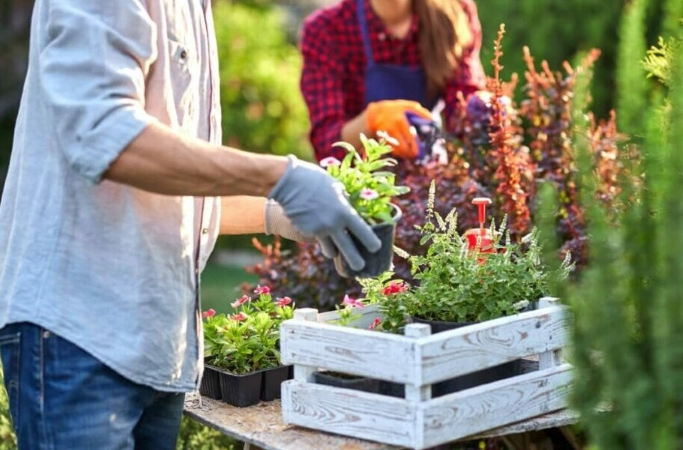
Step 1: Assess Your Space and Ambition
Be brutally honest. How much time and energy do you really have? A weekly 15-minute commitment you stick to is infinitely better than an ambitious weekend project that becomes a source of guilt.
- No Outdoor Space? No problem. A sunny windowsill is a perfect start. Look into a small hydroponic herb kit or a few succulents.
- A Balcony or Patio? Container gardening is your friend. You can grow flowers, herbs, cherry tomatoes, peppers, and even small dwarf fruit trees in pots.
- A Small Yard? Start with one raised bed (4x4 feet is a classic, manageable size) or a dedicated corner for a few in-ground plants.
Step 2: Choose Your "Therapy Plants"
Pick plants that match your goal and your conditions. Want quick gratification? Try radishes or leaf lettuce—they sprout fast. Need something forgiving that won't die if you forget to water it for a week? Go for succulents, snake plants, or zinnias. If your goal is calm, heavily scented plants like jasmine, rosemary, or scented geraniums can be wonderful.
My personal advice? Include at least one plant that's just for beauty, not utility. A bright marigold or a quirky ornamental grass. Its only job is to make you happy when you look at it, and that's a perfectly valid purpose in gardening therapy.
Step 3: Gather Basic Tools (The Minimalist List)
You don't need a shed full of gear. For container or small-space gardening therapy, this is all you really need:
- A comfortable trowel (your main tool).
- A watering can with a gentle "rose" shower head.
- A pair of decent pruning snips or sharp scissors.
- A pair of gloves you like wearing (this is key for sensory comfort).
- Pots with drainage holes and a bag of good potting mix.
A Personal Mistake: I once bought the cheapest potting soil I could find. My plants struggled, and I felt like a failure. It was demoralizing. Spending a few extra dollars on a quality, well-draining mix made a world of difference. It's worth it. Think of it as investing in the foundation of your therapy.
Step 4: Build the Ritual, Not Just the Garden
This is the therapy part. Don't just garden on a random weekend. Create a tiny ritual.
Maybe it's watering your plants every morning with your first cup of coffee. Maybe it's spending 20 minutes weeding every Wednesday evening to transition out of work mode. The consistency is what builds the neural pathway that says, "This is my calm time."
And here's a crucial tip: Let go of perfection. Plants will die. Pests will show up. That's part of the process. The goal of therapeutic gardening isn't a picture-perfect Instagram garden. The goal is the act itself—the engagement, the focus, the connection. A "failed" plant is just a learning opportunity, not a judgment on you.
Gardening Therapy for Specific Needs
While the benefits are broad, you can tailor your approach. Are you wondering if gardening therapy is right for your particular situation?
If You Struggle with Anxiety:
Focus on activities that are grounding and repetitive. Tending to a bonsai, raking a Zen sand garden, or the methodical process of repotting can be incredibly calming. The Mayo Clinic lists gardening as a stress-relief technique, noting its ability to distract and provide a sense of control. Choose plants with soothing scents or textures.
For Older Adults or Those with Mobility Issues:
Accessibility is key. Use raised beds or tall table-top planters to avoid bending. Long-handled tools can help. Lightweight, self-watering containers reduce heavy lifting. The focus can be on sensory enjoyment and gentle activity rather than strenuous labor.
For Kids and Families:
It's a fantastic way to teach patience, responsibility, and science. Pick fast-growing, exciting plants like sunflowers, snap peas, or pumpkins. Give kids their own small pot to be in charge of. It's a shared activity that gets everyone off screens and into a collaborative, creative project.
Answering Your Questions (The FAQ Section)
The Bigger Picture: Your Personal Green Prescription
In the end, gardening therapy is about reclaiming a simple, fundamental connection. In our modern, hyper-connected lives, we're often disconnected from the basic cycles of nature—growth, decay, dormancy, rebirth. Gardening plugs you back into that rhythm at your own pace.
It's not a magic bullet that will solve all of life's problems. But it is a powerful, accessible, and deeply personal tool for building resilience. It's a space where you can be imperfect, where you can witness the power of small, consistent care, and where you can literally see the fruits of your patience.
The garden is a gentle teacher. It doesn't shout. It just shows you, season after season, that from small seeds and consistent care, beautiful things can grow. That's a lesson that applies to so much more than plants.
So, what are you waiting for? Don't overthink it. Grab a pot, some dirt, and a plant that calls to you. Start your conversation with the soil. Your mind might just thank you for it.
And who knows? That little bit of gardening therapy on your windowsill today might just be the seed for a lifelong practice of growing your own peace.
Reader Comments