Quick Guide
- Why Your Brain Loves the Garden
- How to Start Your Therapeutic Garden (No Green Thumb Required)
- Beyond the Backyard: When Gardening Meets Formal Therapy
- Your Questions, Answered (The Stuff You Actually Search For)
- Weeding Through the Challenges (It's Not All Roses)
- Wrapping It Up in a Bundle of Sticks and Leaves
Let's be honest. Life can feel like a never-ending to-do list sometimes. Your brain gets noisy, worries pile up, and finding a moment of peace seems like a luxury. I've been there. Staring at screens, feeling the low-grade hum of anxiety, and wishing for an off switch. Then, almost by accident, I killed a succulent.
It was a sad, shriveled thing. But in trying to figure out why it died (turns out, too much love in the form of water), I stumbled into something bigger. I started reading, then experimenting with a cheap basil plant on my windowsill. That little plant did something curious. The five minutes I spent checking its soil and pinching off leaves became a tiny anchor in my day. It wasn't a magic cure, but it was a start. That's what got me digging deeper—pun intended—into the connection between mental health and gardening.
This isn't just about making your balcony look pretty. It's about how the simple acts of planting, tending, and growing can quietly rewire our stressed-out brains. If you've ever wondered if there's more to it than just a hobby, you're in the right place. We're going to look past the fluffy headlines and into the how and why.
Why Your Brain Loves the Garden
It feels good to garden, right? There's a reason for that which goes beyond just enjoying the sunshine. Science is starting to catch up to what gardeners have known for centuries. It's not just one thing; it's a whole cocktail of benefits working together.
First, let's talk about stress. Or rather, let's talk about reducing it. Physical activity in nature is a known stress-buster. Gardening gets you moving in a low-impact, goal-oriented way. You're not just exercising; you're weeding to save your carrots. This focus creates a state of “flow,” where you lose track of time and your internal critic goes quiet. The repetitive motions—digging, pruning, sowing seeds—are almost meditative.
Then there's the dirt itself. This part blew my mind. Soil contains a bacterium called *Mycobacterium vaccae*. Studies, like one referenced by the CDC in discussions on nature and health, suggest this microbe may stimulate the release of serotonin in our brains. Serotonin is a key neurotransmitter that regulates mood. So, literally getting your hands in the soil might give your mood a gentle, natural boost. It's like low-dose, earthy Prozac.
But the mental health benefits of gardening go even deeper. It tackles feelings of anxiety and helplessness head-on. In a world where so much is out of our control, a garden is a small universe you can influence. You plant a seed, you water it, and with care, it grows. That's a powerful metaphor—and a tangible result—for agency and nurturing. For someone struggling with depression, the simple, non-negotiable need of a plant for water can be a gentle reason to get out of bed.
And let's not forget mindfulness. You can't effectively weed while thinking about your work email. You have to look, to distinguish plant from weed. You have to be present. This forced focus on the immediate sensory experience—the smell of damp earth, the texture of a leaf, the sound of birds—pulls you out of the rumination loop in your head and grounds you firmly in the now. This aspect of gardening for mental health is perhaps its most accessible gift.
How to Start Your Therapeutic Garden (No Green Thumb Required)
The biggest hurdle is often starting. You might think you need a huge yard, tons of tools, and expert knowledge. You don't. In fact, aiming too big at the start is the best way to get overwhelmed and quit. I learned this the hard way after ambitiously turning over a huge patch of lawn, only to watch it become a glorious weed festival two months later.
The key is to start small and succeed. Build your confidence. Here’s a no-nonsense approach.
For the Absolute Beginner (The “I-Killed-a-Cactus” Club)
Start with one container. Just one. A pot, a window box, an old bucket with holes drilled in the bottom. Put it where you'll see it every day—by the kitchen sink, on a front step. This visibility is crucial. It reminds you to care for it and lets you see progress.
Now, what to plant? Choose something nearly foolproof and rewarding. Herbs are fantastic for mental health and gardening beginners. They grow quickly, you can use them, and they smell amazing. Basil, mint, and chives are tough cookies. Or, go for a resilient flowering plant like a marigold or nasturtium—bright colors are an instant mood lift.
Your only jobs are: 1) Good soil (just buy a bag of potting mix), 2) Water when the top inch of soil is dry (stick your finger in it), and 3) Enough sunlight (most edible plants need 6+ hours). That's it. Master one pot. Celebrate its growth. This is the foundation.
Scaling Up: Designing for Your Mental Space
Once you've kept something alive for a season, you might want to expand. This is where you can tailor your garden to your specific mental health needs. Think of it as designing a therapeutic space.
Need a place to burn off anxious energy? Create a “productive” patch. Fast-growing vegetables like radishes, lettuce, or bush beans give you quick results and tangible tasks (sowing, thinning, harvesting). The physical work of turning soil or building a small raised bed can be incredibly cathartic.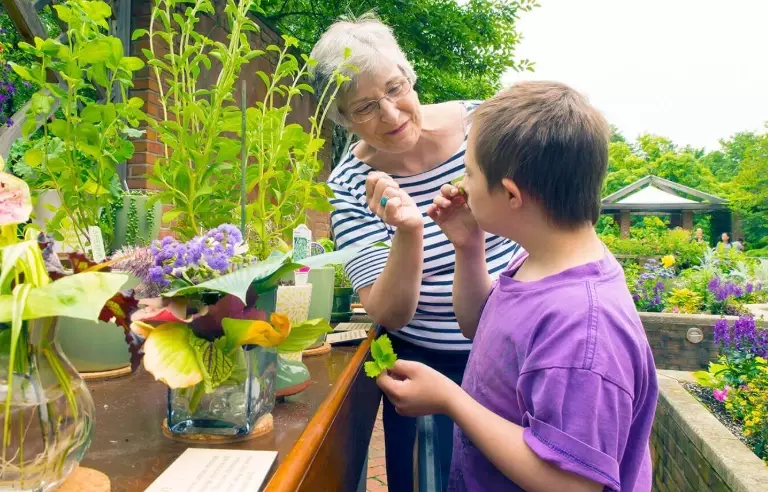
Seeking calm and sensory soothing? Design a mindfulness corner. This is about texture and scent. Plant lamb's ear for its incredibly soft leaves. Grow lavender, rosemary, or lemon balm—crush a leaf between your fingers and breathe in deeply. Add a simple bench or stool so you can just sit and be there. The goal isn't harvest; it's immersion.
Feeling disconnected? Grow plants that attract life. Plant native flowers like coneflowers or bee balm to bring in butterflies and bees. Add a bird feeder or a shallow dish of water. Watching this micro-ecosystem thrive because of your efforts fosters a profound sense of connection to the natural world, a core principle of ecotherapy.
Here’s a quick table to match garden activities with specific mental health goals:
| If You Want To... | Try This Gardening Activity | Why It Works |
|---|---|---|
| Quiet a racing mind | Detailed tasks like seed sowing, pruning, or weeding a small, defined area. | Requires precise focus, forcing attention away from internal chatter and into a manual, rhythmic task. |
| Feel a sense of accomplishment | Growing vegetables from seed to harvest (e.g., cherry tomatoes, snap peas). | Provides clear, visual milestones and a literal “fruit” of your labor, combating feelings of futility. |
| Combat loneliness | Join a community garden plot or grow extra produce to share with neighbors. | Creates built-in, low-pressure social interaction and a shared purpose, as noted by community health resources often highlighted by organizations like the Mental Health Foundation. |
| Practice mindfulness | Sensory gardening with fragrant herbs, textured plants, and wind chimes. | Engages all five senses in the present moment, grounding you physically and breaking cycles of worry. |
| Manage mild depression | Maintaining a low-maintenance but colorful container garden. | Provides a small, manageable responsibility and a daily dose of vibrant color, which can influence mood. |
Beyond the Backyard: When Gardening Meets Formal Therapy
This isn't just a self-help trend. The link between mental health and gardening is so strong it's been formalized into a therapeutic practice called Horticultural Therapy (HT).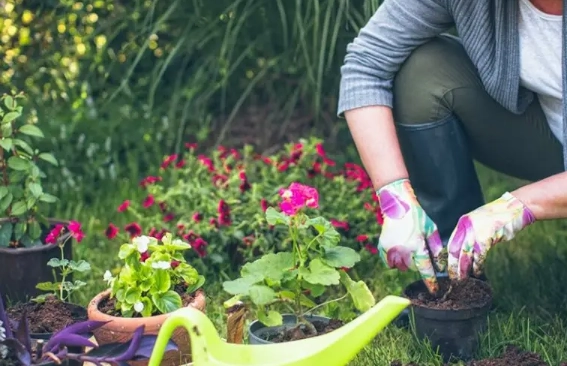
Horticultural Therapy is a guided process where a trained therapist uses gardening activities to achieve specific clinical rehabilitation goals. It's used in hospitals, rehabilitation centers, veterans' programs, and prisons. The American Horticultural Therapy Association (AHTA) defines it as a professional practice that uses plants and gardening to improve social, educational, psychological, and physical adjustment.
So, what's the difference between puttering in your garden and HT? Structure and guidance. A horticultural therapist might use the process of repotting a root-bound plant with a client to discuss themes of growth, change, and needing new space. They might use the lifecycle of a plant to work through concepts of loss and renewal. It's powerful, evidence-based stuff.
You don't need a formal diagnosis or therapist to borrow from these principles. Setting an intention when you go into your garden can amplify its benefits. Instead of just “watering the plants,” go out with the intention of “leaving my work worries at the door for 20 minutes.” Use the time to actively notice new growth, to feel the sun, to listen. That intentionality shifts it from a chore to a practice.
Your Questions, Answered (The Stuff You Actually Search For)
I get it. You have practical concerns. Let's tackle some of the most common questions people have when they consider gardening for mental health.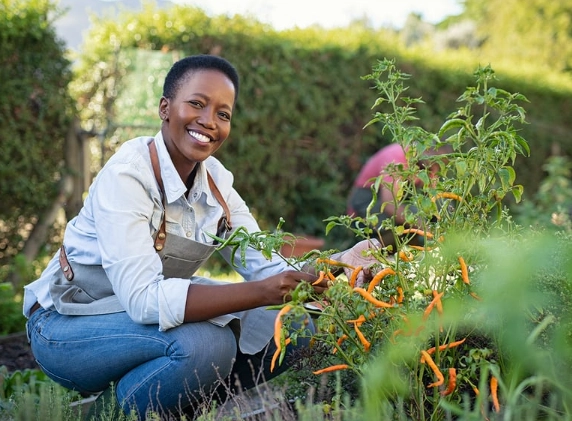
I have no yard/space. Can this still work for me?
Absolutely. This is the number one hurdle, and it's totally surmountable. Container gardening is your best friend. A sunny windowsill can host herbs, small greens, or microgreens. A balcony can become a lush container oasis. Look into vertical gardening with pocket planters or a simple trellis for peas or beans. Indoor grow lights have also become affordable and effective. The mental health benefits of gardening come from the act of nurturing growth, not the square footage.
I'm not a “plant person.” I always kill everything. Where do I start?
Welcome to the club! Most of us started here. The secret is to stop fighting your environment. Do you forget to water? Start with drought-tolerant succulents or a snake plant. Have a dark apartment? Get a ZZ plant or a pothos. Choose plants that match your reality, not an Instagram ideal. Resources from university extension services, like those from the University of Minnesota Extension, offer fantastic, non-judgmental beginner guides tailored to different climates and settings.
Embrace the failures, too.
Every dead plant is a lesson. Did it get too much sun? Not enough water? The process of troubleshooting is part of the engagement. It's a low-stakes problem to solve, which is great practice for the bigger ones.
Is there scientific proof, or is this just a placebo effect?
It's real, and the body of evidence is growing. Beyond the soil bacterium research, numerous studies have shown measurable reductions in cortisol (the stress hormone), decreases in symptoms of anxiety and depression, and improvements in life satisfaction among gardeners. A review of research compiled by institutions like the National Institutes of Health (NIH) often highlights these positive correlations. It's not a replacement for professional treatment for serious conditions, but as a complementary practice, its benefits are well-supported.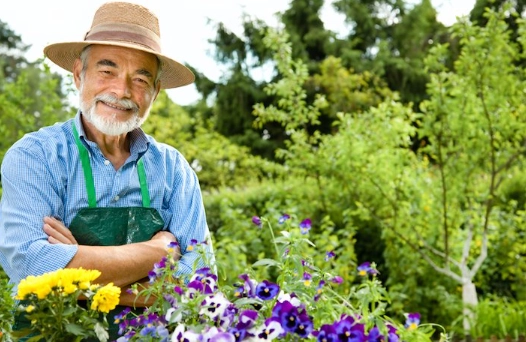
I have physical limitations. How can I adapt gardening?
This is so important. Gardening should be accessible. Raised beds or tabletop gardens bring the soil up to you, eliminating bending. Use lightweight, ergonomic tools with easy-grip handles. Long-handled tools can help with reach. Consider self-watering containers to reduce the frequency of watering. Adaptive gardening is a whole field dedicated to this, proving that the joy and therapy of gardening are for every body.
Weeding Through the Challenges (It's Not All Roses)
Let's keep it real. Sometimes, gardening is frustrating. You'll have setbacks. Pests will eat your seedlings. A heatwave will wilt your prize lettuce. This is actually a crucial part of the mental health and gardening relationship—it teaches resilience.
You learn that not everything is under your control (weather, bugs), and that's okay. You learn to adapt, to try again next season. You might feel a pang of disappointment, but it's rarely the catastrophic feeling a work setback can bring. It's a gentle lesson in impermanence and perseverance.
So, don't seek perfection. Seek engagement. A “messy” garden full of life is often healthier and more beneficial for you and local wildlife than a sterile, manicured one.
Wrapping It Up in a Bundle of Sticks and Leaves
At its core, the connection between mental health and gardening is about reconnection. It reconnects us to the rhythm of the seasons, to a sense of purposeful work with our hands, and to the simple, profound wonder of life growing from a tiny seed.
It's not a quick fix. It's a slow, steady practice. Some days it's just a glance at a blooming flower on your way to the car. Other days it's an hour of lost time pulling weeds, your mind finally quiet.
The barrier to entry is comically low. A packet of seeds costs less than a latte. A pot of soil is a one-time investment. The potential return for your mental well-being, however, is immense. You're not just growing plants; you're cultivating patience, nurturing focus, and harvesting moments of peace.
So, what's stopping you? Grab a container, some dirt, and one plant that makes you smile. Start there. Your mind—and maybe your future tomato sandwich—will thank you.
Reader Comments