Quick Guide
Let's be honest. You brought home that gorgeous orchid, all full of hope. It sat on your windowsill, looking elegant and sophisticated for a few weeks. Then the blooms dropped. The leaves got a bit sad. Now it's just a pot of green stuff that you're vaguely guilty about every time you walk past it. Sound familiar? I've been there. More times than I'd like to admit.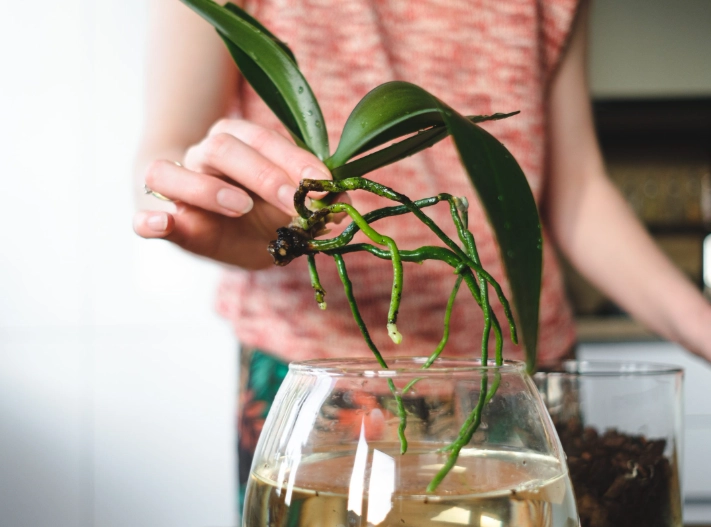
The truth is, basic orchid care, especially for the common ones you find at grocery stores and garden centers, is pretty straightforward once you understand what they actually want. They're not like your average pothos. They have specific quirks. But mastering those quirks is the difference between a plant that merely survives and one that rewards you with breathtaking blooms year after year.
This guide is everything I wish I'd known when I killed my first Phalaenopsis (that's the moth orchid, the most common one). We're going to ditch the intimidation and get practical.
The Big Three: Light, Water, and Air
Get these three elements right, and 90% of your orchid problems vanish. Seriously. Most issues stem from messing up one of these fundamentals.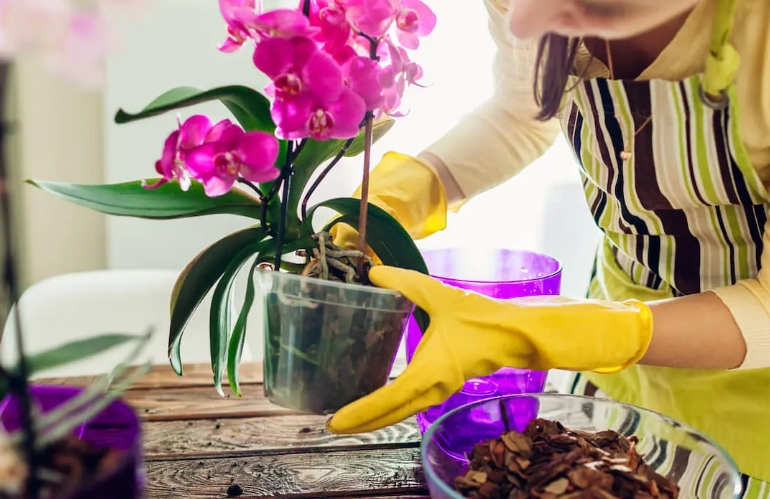
Light: The Sunshine Sweet Spot
Orchids are Goldilocks when it comes to light. Not too much, not too little. Direct, hot afternoon sun will scorch their leaves faster than you can say "sunburn." You'll see bleached, white or brown crispy patches. On the flip side, a dark corner will get you lots of dark green, floppy leaves and zero flowers.
The ideal is bright, indirect light. An east-facing window is often perfect. A south or west window is great too, but you might need to diffuse the light with a sheer curtain. Here's a quick trick: look at the shadow your hand casts on the leaves. A soft, fuzzy shadow is perfect. A sharp, dark shadow means the light is too direct.
Watering: The Number One Killer
This is where most people, myself included, go wrong. Overwatering. It's a silent killer. Orchids are epiphytes in the wild, meaning they grow on trees, not in soil. Their roots are designed to grab moisture from the air and rain, then dry out quickly. Sitting in soggy media is a death sentence, leading to the dreaded root rot.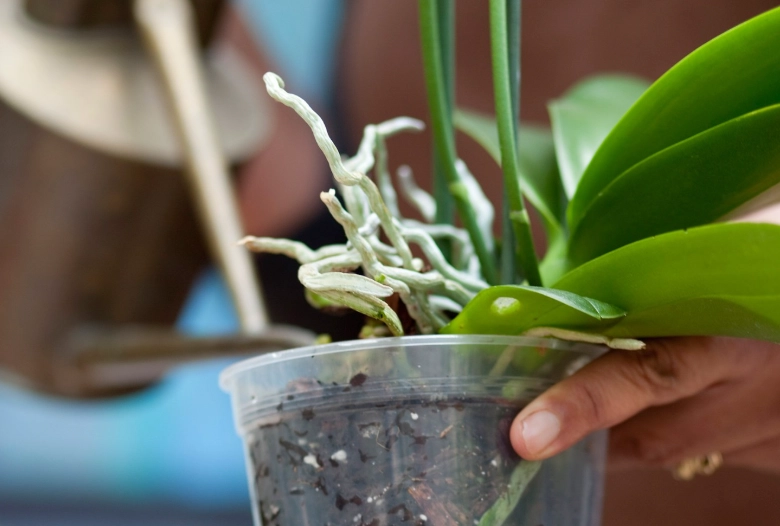
So, how often should you water? There's no weekly schedule. It depends on your home's temperature, humidity, and the potting mix. The best method is the "finger test." Stick your finger about an inch into the potting mix. If it feels dry, it's time to water. If it still feels damp or cool, wait.
When you do water, do it thoroughly. Take the orchid to the sink and run lukewarm water through the pot for a good 30 seconds, letting it drain completely. Let all that excess water drip out before putting it back in its decorative pot. Never let it sit in a saucer of water.
Some folks swear by the ice cube method (placing a few ice cubes on the media each week). The American Orchid Society advises against it, as the cold can damage the tropical roots. I've tried it on a cheap orchid as an experiment, and it survived, but it never thrived. I stick with room-temperature water.
Air & Humidity: The Secret Sauce
Good air circulation is non-negotiable. Stagnant air encourages fungal and bacterial diseases. A gentle breeze from a ceiling fan or an open window (not a cold draft) is perfect.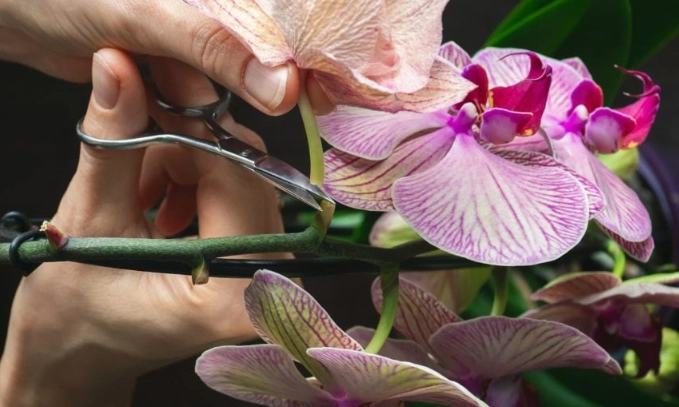
Humidity is their other love language. Most homes are too dry, especially in winter. Orchids like humidity around 40-70%. You don't need a greenhouse, though. A simple humidifier nearby works wonders. Or, place the pot on a "humidity tray"—a shallow tray filled with pebbles and a bit of water (make sure the pot sits on the pebbles, not *in* the water). Grouping plants together also creates a nice microclimate.
See? Not so complicated. Light, water, air. Nail those, and you're a pro.
Choosing and Understanding Your Orchid
Walking into a store can be overwhelming. Which one is "easy"? Here's a quick rundown of the most common types you'll encounter and what makes them tick. This is crucial because orchid care can vary a bit between types.
| Orchid Type (Common Name) | What It Looks Like | Care Difficulty | Key Quirk for Success |
|---|---|---|---|
| Phalaenopsis (Moth Orchid) | The classic. Long arching stem with flat, round flowers in white, pink, purple, spotted. | Beginner-Friendly | Likes consistent moisture, but must dry slightly. Low to medium light. |
| Cattleya | The "corsage orchid." Large, frilly, often fragrant flowers. | Intermediate | Needs brighter light. Let it dry out completely between waterings. Loves a good sunbath. |
| Dendrobium | Tall canes with flowers clustered along the stem. Many varieties. | Beginner to Intermediate | Many need a distinct dry winter rest period with little water to trigger blooming. |
| Oncidium (Dancing Lady) | Sprays of many small, yellow/brown flowers that look like dancing figures. | Intermediate | Often has fine roots that hate staying soggy. Excellent drainage is key. |
| Cymbidium | Long grassy leaves, tall spikes with many large flowers. Often seen as gift plants. | Intermediate | Prefers cool nights to initiate flower spikes. Can summer outdoors in shade. |
My first love was and still is the Phalaenopsis. They're forgiving, bloom for months, and are widely available. If you're new to orchid care, start there. Don't let a fancy Cattleya intimidate you right out of the gate.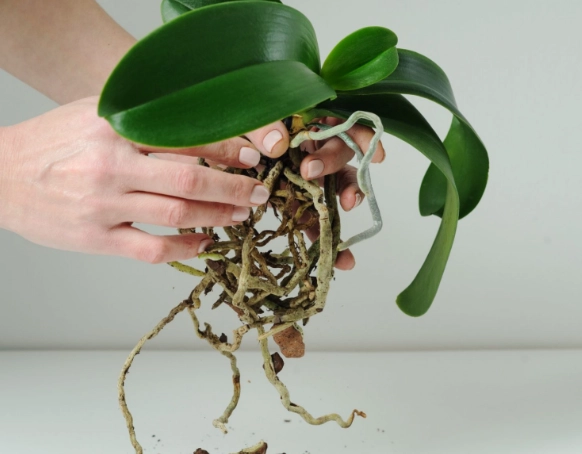
The Nitty-Gritty: Potting, Food, and Repotting
The Right Pot and the Right Stuff
Forget regular potting soil. It holds too much water and suffocates orchid roots. They need a chunky, airy mix. The most common media is fir bark chips, often mixed with perlite, charcoal, and sphagnum moss.
Clear plastic pots with lots of side holes are fantastic for beginners. Why? You can see the roots! Healthy roots are silvery-green when dry and turn green when wet. Rotted roots are brown, mushy, and often papery. Being able to check root health without disturbing the plant is a game-changer.
To Feed or Not to Feed?
Yes, feed! But weakly, weekly. Orchids aren't heavy feeders. A balanced, water-soluble fertilizer (look for something like 20-20-20) diluted to 1/4 or 1/2 the strength recommended on the label is perfect. Fertilize every other week when you water during the growing season (spring and summer). In fall and winter, cut back to once a month or even skip it.
A good mantra: "Water, water, feed." Water with plain water once, water with plain water again, then on the third watering, use the diluted fertilizer. This helps flush out any mineral salts that can build up and burn the roots.
The Dreaded Repotting
You don't need to repot every year. Do it every 2-3 years, or when the potting mix has broken down into compost (it'll look like soil and hold water for days), or when the plant has literally grown out of its pot.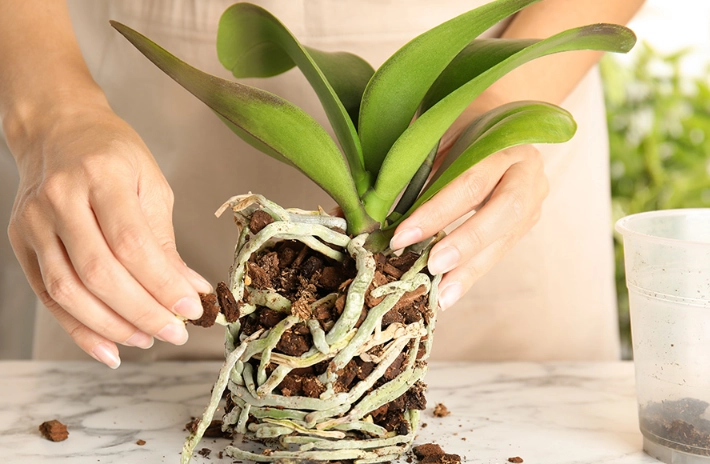
The best time is usually after blooming, when you see new roots starting to grow (they'll have green tips).
- Gently remove the orchid from its old pot. You may need to cut a plastic pot away.
- Soak the root ball in water to make the old media easier to remove.
- Carefully pick away all the old bark or moss. This is your chance to inspect every root. Snip off any that are mushy, papery, or hollow with sterilized scissors.
- Pick a new pot that's just 1-2 inches larger in diameter. Too big, and the media stays wet too long.
- Hold the orchid in the pot so the base of the leaves is just below the rim. Gently fill in around the roots with your new, pre-moistened potting mix, tapping the pot to settle it. Don't pack it tight!
Don't water for a few days after repotting to let any damaged roots callous over. Just mist the leaves and aerial roots for humidity.
Solving the Mystery: Common Orchid Problems
Okay, so your orchid is looking off. Let's play detective. Here are the most frequent issues I've dealt with and what they usually mean.
Yellow Leaves: Don't panic if one old, bottom leaf turns yellow and falls off. That's normal senescence. If multiple leaves are yellowing, especially from the top or center, it's a problem. Could be overwatering, sunburn, or a severe lack of light. Check your roots first.
Wrinkled, Limp Leaves: This is almost always a sign of underwatering or root loss. If the roots have rotted from overwatering, they can't take up water, so the plant acts thirsty even if the pot is wet. Check those roots!
No Flowers (The Big Complaint): An orchid in good health that won't bloom usually needs more light. A slight drop in nighttime temperature (about 10-15 degrees Fahrenheit) for a few weeks in the fall can also trigger flower spike initiation in Phalaenopsis. Make sure you're fertilizing appropriately, too.
Bud Blast: When flower buds form but then dry up and fall off before opening. This is heartbreaking. Causes include sudden changes in environment (moving the plant, a draft), dry air, or underwatering during bud development.
Spots on Leaves or Flowers: Could be sunburn (dry, bleached, crispy patches) or a fungal/bacterial issue (often wet-looking, black or brown spots that spread). Improve air circulation, avoid getting water on the leaves and flowers, and isolate the plant. For severe cases, you may need a fungicide.
Beyond Survival: Getting That Rebloom
The flowers finally fade. Now what? Don't cut the whole spike down yet!
For Phalaenopsis, look at the flower spike. If it's still green, you have options. You can cut it back to just above a healthy-looking "node" (one of those little brown rings on the spike), about an inch above it. Sometimes, the plant will produce a secondary branch from that node with more flowers. It won't be as grand as the first bloom, but it's something.
If the spike turns brown and crispy all the way down, go ahead and cut it off at the base. The plant will now focus its energy on growing new leaves and roots. With good care, it should send up a brand new spike from between the leaves when it's ready, usually when days get shorter and nights cooler.
This is the rewarding part of orchid care. That moment you see a tiny, green nub poking out between the leaves, and you realize it's not a root... it's a new flower spike. Nothing beats it.
Let's Answer Your Real Questions
"How often do I REALLY water my orchid?"
I'll say it again: when it's nearly dry. For me, in my average home humidity, that's about every 7-10 days in summer and maybe every 10-14 days in winter. But my environment isn't yours. Use the finger test. Trust it more than a calendar.
"My orchid's roots are growing out of the pot and look crazy! Should I cut them?"
No! Those are aerial roots, and they're completely normal. They're just searching for moisture and support. Let them be. You can gently guide them back toward the pot or just let them hang out. They're a sign of a happy, exploring orchid.
"Is misting a good idea?"
It can be, but with caveats. Misting the aerial roots in the morning can help with humidity. Avoid misting the leaves and crown (where the leaves meet) heavily, especially at night, as water sitting there can cause crown rot, which is often fatal. If you mist, do it early so it evaporates by afternoon.
"Can I use tap water?"
This is debated. Rainwater or distilled water is ideal. If you have hard tap water (high in minerals), it can leave deposits on the leaves and roots over time. If your tap water is decent, letting it sit out overnight to allow chlorine to evaporate is a good practice. I use filtered water from my fridge, and mine seem fine with it.
"Where's the best place to buy a healthy orchid?"
Garden centers and specialty nurseries are often better than big-box stores, as the plants tend to get better care. But I've found perfectly healthy Phalaenopsis at grocery stores! Just inspect it carefully. Look for firm, green leaves, healthy roots (if in a clear pot), and a plant that isn't sitting in water. Avoid plants with spotted leaves or mushy stems.
Wrapping It All Up
Orchid care boils down to understanding their nature. They're air plants that hate wet feet, love bright dappled light, and appreciate a breeze. Forget the myth that they're impossibly difficult. They're just different.
Start simple with a Phalaenopsis. Get it in a bright window (no direct sun), water it only when it's almost dry, and give it some humidity. That's it. You'll be amazed.
The journey is the fun part. You'll overwater one. You'll underwater another. You'll put one in too much sun. I've done all of it. Each mistake teaches you what to look for. And when you finally get that first rebloom on a plant you rescued from the clearance rack? That feeling is what makes it all worthwhile. It's not just plant care; it's a little victory.
So go check on that orchid you've been neglecting. Maybe it just needs a drink. Or maybe it needs to move away from that hot window. You've got the knowledge now. You can do this.
Reader Comments