Quick Guide to Cactus Care
- Choosing the Right Cactus: It's Not Just About Looks
- The Heart of Cactus Care: Watering Without Drowning
- Light: The Non-Negotiable Feast
- Soil and Potting: Building the Right Foundation
- Fertilizing: A Light Touch
- Common Cactus Problems and How to Fix Them
- Your Cactus Care Questions, Answered
- Advanced Tips: Taking Your Cactus Care to the Next Level
- A Quick-Reference Checklist for Healthy Cactus Care
Let's be honest. Most of us get a cactus thinking it's the ultimate "set it and forget it" plant. We picture a rugged survivor, indifferent to our busy lives. Then, six months later, we're staring at a mushy, discolored stump wondering what went wrong. I've been there. My first cactus was a casualty of too much love (read: water).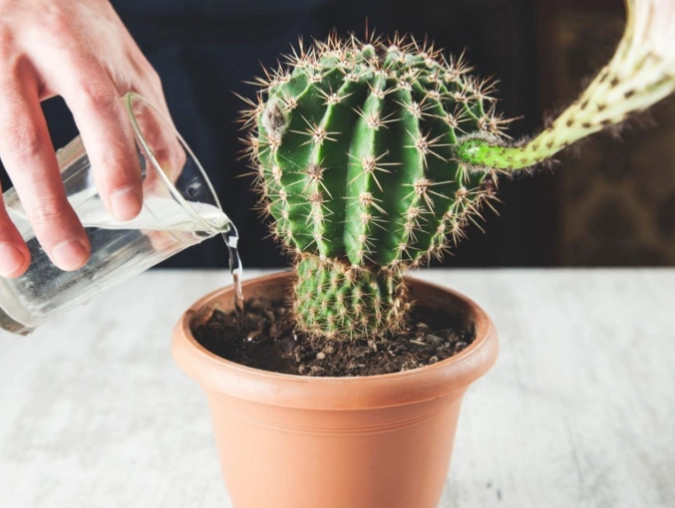
Good cactus care isn't about neglect. It's about understanding a completely different set of rules. These plants have spent millennia adapting to some of the harshest environments on Earth, and bringing them into our homes requires us to think like a desert, not a temperate forest. This guide is everything I wish I'd known when I started. We're going beyond the basic "don't water it much" advice and diving into the *why* and *how*.
Choosing the Right Cactus: It's Not Just About Looks
Walking into a garden center can be overwhelming. Do you pick the tall, columnar one? The cute, round ball covered in spines? Your choice here sets the stage for your entire cactus care journey. Some are much more forgiving than others.
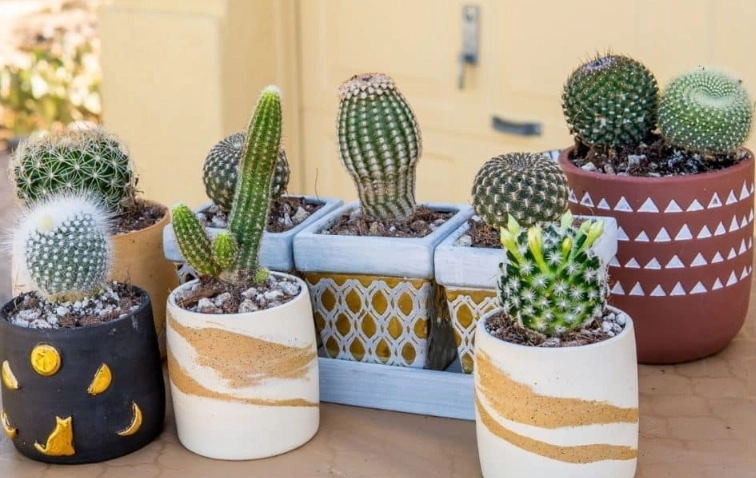
For beginners, I always recommend starting with a genus known for its resilience. Mammillaria (the pincushion cacti) are fantastic. They stay relatively small, often produce beautiful rings of flowers, and are pretty tolerant of the occasional mistake. Echinopsis are another great group – those classic "barrel" shapes – and they can handle a bit more moisture than some others. My personal favorite for a first-timer is the Gymnocalycium mihanovichii (often sold as the "Moon Cactus," the bright red or yellow one grafted on top). The colorful top part has specific needs, but the rootstock it's grafted onto (usually a Hylocereus) is incredibly hardy and tells you clearly when it's thirsty by slightly wrinkling.
Steer clear of the super fuzzy ones (like some Espostoa or Cephalocereus) as your first plant. That fuzz can trap moisture and lead to rot if your environment isn't just right. It's an advanced move.
Key Questions to Ask Before You Buy
- Where will it live? A south-facing windowsill is prime real estate. A dark corner is a death sentence.
- What's the pot like? Does it have a drainage hole? If not, you need to repot immediately. No exceptions.
- Check the base. Gently nudge the cactus. Is it firm, or does it feel soft and wobbly? Softness at the soil line is a red flag for rot.
The Heart of Cactus Care: Watering Without Drowning
This is where 90% of cactus care fails happen. The classic advice is "water every two weeks." That's terrible advice. It ignores seasons, climate, pot size, and soil. Your cactus doesn't care what day it is.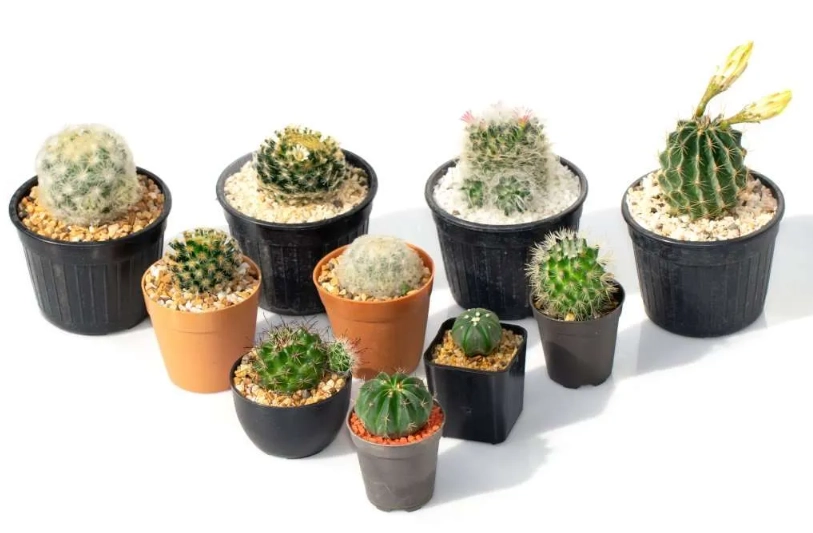
Here's my method, which has never failed me. I use the "finger test," but for cacti, you need to go deeper. Stick a wooden chopstick or a skewer all the way down into the potting mix. Leave it for a minute, then pull it out. If it comes out clean, with no damp soil sticking to it, it's time to water. If it comes out with dirt on it, wait.
When you do water, do it properly. Take the pot to the sink and water slowly until you see a steady stream coming out of the drainage hole. This ensures the entire root ball gets moistened. Let it drain fully before putting it back in its decorative pot or saucer. Never let it sit in water.
Light: The Non-Negotiable Feast
You can skimp a little on water, but you cannot skimp on light. Cacti are sun worshippers. In their native habitats, they bask in hours of intense, direct sunlight. Your goal is to mimic that as closely as possible.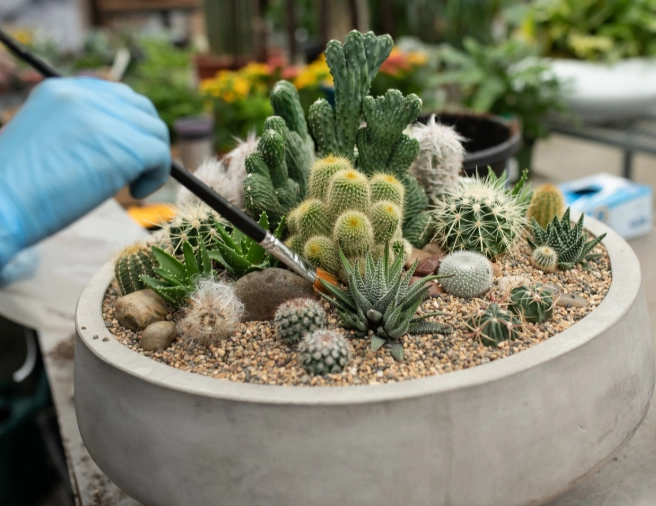
A south-facing window is the best spot in the Northern Hemisphere. East or west-facing windows can work, but the cactus might stretch or grow more slowly. A north-facing window is almost always insufficient. If your only option is a dim spot, you'll need to invest in a grow light. A simple LED grow light panel placed a few inches above the cactus for 12-14 hours a day can make a world of difference.
Watch for signs. A happy, well-lit cactus will have compact, sturdy growth and often develop colorful "blushes" – reddish or purplish tones on the skin, which is a sign of good sun exposure (like a tan). A cactus that's not getting enough light will start to etiolate. This means it grows thin, pale, and stretched out, reaching desperately for a light source. This growth is weak and permanently disfigured. You can't fix it, only prevent it.
Soil and Potting: Building the Right Foundation
Standard potting soil is a death trap for cacti. It holds far too much moisture and stays soggy for days. Cactus roots need air as much as they need water. They need a mix that is extremely well-draining.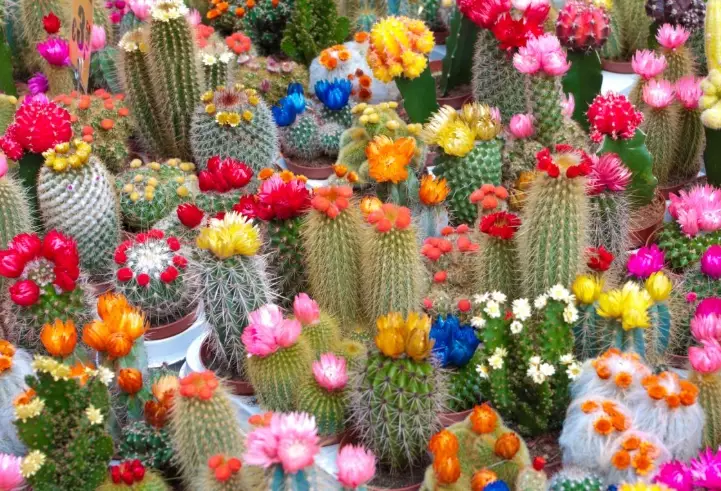
You can buy a pre-made cactus & succulent mix, but honestly, most commercial mixes are still too water-retentive on their own. I always amend them. Here's my go-to recipe:
- 50% Commercial Cactus Mix: The base.
- 25% Perlite or Pumice: For aeration and drainage. Pumice is better but harder to find.
- 25% Coarse Sand (Horticultural Grit): NOT beach sand or play sand, which is too fine. You want sharp, gritty sand that improves drainage.
This creates a chunky, fast-draining environment that mimics gritty desert soil. When you water it, the moisture flows through quickly, leaving dampness but not sogginess.
The Pot Matters Too
Always, always use a pot with a drainage hole. Terracotta pots are the classic choice for a reason: they're porous, which allows the soil to dry out from the sides as well as the top. Plastic or glazed ceramic pots retain moisture longer, so you need to be even more careful with your watering schedule.
Fertilizing: A Light Touch
Cacti are not heavy feeders. In fact, in poor desert soils, they survive on very little. Fertilizing is about supporting healthy growth, not forcing it.
Use a fertilizer specifically formulated for cacti and succulents, or a general-purpose fertilizer diluted to half-strength. The key is a lower nitrogen content (the first number in the N-P-K ratio) to prevent soft, weak growth. A fertilizer higher in phosphorus (the second number) can encourage blooming.
When to fertilize? Only during the active growing season (spring and summer). Feed once a month at most. Do not fertilize in fall and winter. The plant isn't growing and won't use the nutrients, which can then build up and harm the roots.
Common Cactus Problems and How to Fix Them
Even with perfect care, things can go wrong. Here’s a quick diagnostic table for the most common issues.
| Symptom | Likely Cause | What to Do |
|---|---|---|
| Soft, mushy base, yellow/brown discoloration | Root Rot from Overwatering | This is an emergency. Unpot the plant, cut away all soft, rotten tissue with a sterile knife until you see clean, firm flesh. Let the cut callous over for several days, then replant in fresh, dry mix. Do not water for at least a week. It may not survive. |
| Shriveling, wrinkling skin | Underwatering OR Root Damage | Feel the soil. If it's bone dry, give it a deep drink. The plant should plump up in a few days. If the soil is damp and it's still shriveling, the roots may be dead from prior overwatering and can't take up water. You may need to check for rot (see above). |
| Pale, stretched growth (etiolation) | Insufficient Light | Move to a much brighter location immediately. The stretched part won't revert, but new growth will be compact if the light is sufficient. You can eventually cut off the etiolated top and re-root it. |
| Brown, crispy patches on the sun-facing side | Sunburn | Yes, cacti can sunburn! This happens if they are moved from low light to intense, direct sun too quickly. Acclimate them over 1-2 weeks. The scar is permanent but not fatal. Provide slight shade during the hottest part of the day initially. |
| White, cottony masses | Mealybugs | Isolate the plant. Dab the bugs with a cotton swab dipped in rubbing alcohol (isopropyl alcohol). Check crevices and under the plant. Repeat weekly until gone. For severe infestations, a systemic insecticide may be needed. |
Your Cactus Care Questions, Answered
Advanced Tips: Taking Your Cactus Care to the Next Level
Once you've mastered the basics, a few extra steps can make your cacti truly thrive.
Summer Vacation: If you have a safe, sunny outdoor space (a balcony, patio), consider giving your cacti a summer outdoors. The increase in light intensity and air circulation can supercharge their growth and color. Just remember to acclimate them slowly to full sun over a week or two to prevent sunburn, and be mindful of heavy rains—you may need to provide shelter or bring them in if it's going to be a wet week.
Understanding Dormancy: This is a key concept for advanced cactus care. Many cacti from North American deserts (like many Mammillaria and Echinocereus) expect a cool, completely dry winter. Others from South American climates may not need it as pronounced. Researching your specific cactus's native habitat can give you huge clues. The University of Arizona's College of Agriculture has some excellent, scientifically-backed resources on the ecology of desert plants that can inform your care.
Propagation: Growing your own! Many cacti produce "pups" or offsets. You can carefully remove these, let the cut end callous for a few days to a week, and then plant them in a dry mix. For columnar cacti, you can take cuttings. It's incredibly rewarding to see a new plant grow from a piece of your old one.
A Quick-Reference Checklist for Healthy Cactus Care
- Light: As much direct sun as possible (south window).
- Water: Soak thoroughly, then wait for complete dryness. Forget the schedule.
- Soil: Gritty, fast-draining mix. Never use regular potting soil alone.
- Pot: Must have a drainage hole. Terracotta is your friend.
- Winter: Cooler temps, drastically less water. Embrace the dormancy.
- Fertilizer: Half-strength, cactus-specific food, only in spring/summer.
The world of cacti is vast and fascinating. From the tiny Blossfeldia to the towering Saguaro, each has its own story. Starting with the fundamentals of good cactus care opens the door to a truly resilient and striking collection. Remember, they're survivors. Your job isn't to baby them, but to provide the harsh-but-fair conditions they're built for. Get the light and water right, and you'll have a happy, healthy companion for decades.
For truly in-depth, botanical information on specific genera, I often turn to the plant databases of major botanical gardens. The Missouri Botanical Garden's Plant Finder is a reliable, authoritative source for checking plant characteristics and native ranges, which is the ultimate guide to understanding what any plant, cactus or otherwise, truly needs.
Reader Comments