Key Takeaways
- Why Bother? What Soil Prep Actually Does For Your Garden
- Step Zero: The Most Skipped Step in Soil Prep (Don't Be That Person)
- The Step-by-Step Soil Preparation Process
- Special Situations & Seasonal Prep Tips
- Common Soil Preparation Mistakes (I've Made Most of These)
- Your Soil Preparation Questions, Answered
- The Final Word: Patience and Observation
Let's talk dirt. Real dirt. I remember the first time I planted tomatoes in my backyard, full of hope and visions of summer salads. I dug a hole, plopped the seedling in, and watered it religiously. Six weeks later, I had a spindly, yellowing plant that produced exactly two marble-sized fruits. The problem wasn't the seed, the water, or my (admittedly excessive) attention. It was the ground. I had completely skipped the most critical step: proper soil preparation.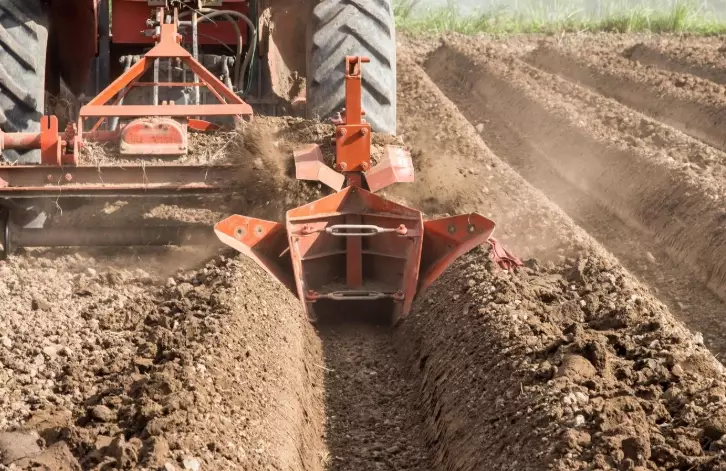
That failure taught me more than any book ever could. Soil isn't just dirt you stick plants into. It's a living, breathing, incredibly complex ecosystem. Treat it like a sterile parking lot, and your plants will struggle. Nurture it, understand it, and prepare it correctly, and it becomes the most powerful tool in your gardening arsenal. This guide is everything I wish I'd known back then, stripped of the jargon and fluff, focused on what actually works.
The Core Idea: Think of soil preparation as setting the dinner table for your plants. You wouldn't invite guests to eat off a dirty, empty table. You'd clean it, lay out plates, cutlery, and food. Preparing soil does the same—it cleans the "table" (removes weeds, breaks up compaction), provides the "plates and cutlery" (good structure for roots to access water and air), and lays out the "food and drink" (nutrients and moisture). Skip this, and your plants are trying to thrive in a hostile environment.
Why Bother? What Soil Prep Actually Does For Your Garden
You might be thinking, "Plants grow in the wild without anyone tilling or amending." True. But in the wild, nature has centuries to build perfect soil through fallen leaves, animal decay, and weathering. In our gardens, we're on a tight schedule. We want results this season. That's where intelligent soil preparation comes in. It's not about forcing nature; it's about accelerating the good stuff.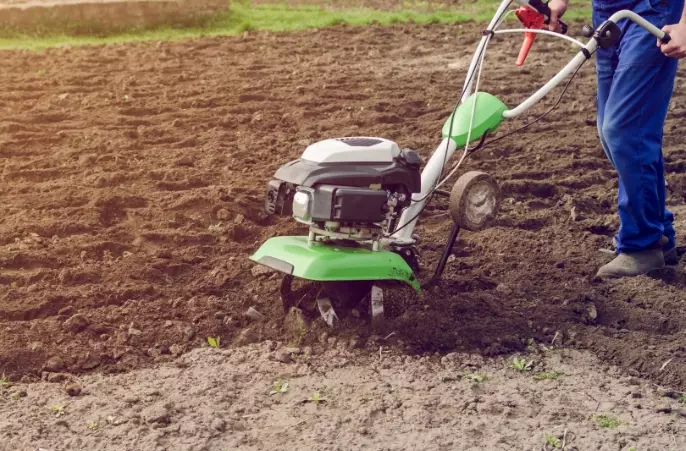
Good prep solves the big, silent problems you can't see until it's too late.
- Drainage vs. Drought: Ever seen water pool on your soil after rain, only for the same soil to crack and turn to dust a week later? That's poor structure. Preparation creates a crumbly, sponge-like texture that holds moisture but lets excess water drain, so roots don't drown or dehydrate.
- Root Room to Roam: Compacted soil is like concrete for roots. They hit a wall and can't expand, starving the plant. Loosening the soil gives them a highway to grow deep and wide, anchoring the plant and searching for nutrients.
- The Nutrient Buffet: Raw, unimproved soil is often nutrient-poor. Amending it with compost or other organic matter is like stocking the pantry before cooking a big meal. It provides the NPK (nitrogen, phosphorus, potassium) and all the micronutrients plants crave.
- Weed and Pest Head Start: Turning the soil and removing existing weed roots during preparation gives your desired plants a huge competitive advantage. It can also expose and disrupt the life cycles of certain soil-borne pests.
I see so many gardeners pour money and hope into expensive plants or miracle fertilizers, only to ignore the foundation. It's like building a mansion on sand. The process of soil preparation is the single most cost-effective thing you can do for your garden's health.
Step Zero: The Most Skipped Step in Soil Prep (Don't Be That Person)
Before you even think about buying compost or renting a tiller, stop. Grab a shovel and a simple kit. You need to know what you're working with. I learned this the hard way—I once spent a fortune acidifying soil for blueberries, only to find out later my soil was already acidic. A complete waste.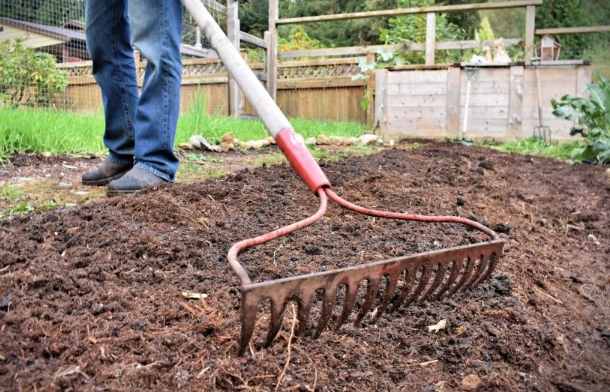
Understanding Your Soil Type: The Feel Test
Get your hands dirty. Literally. Take a handful of moist (not wet) soil and squeeze it.
- Sandy Soil: Feels gritty, won't hold a ball shape. It drains too fast and doesn't hold nutrients well. Your job during soil preparation will be to add organic matter to give it some body.
- Clay Soil: Feels sticky and smooth, forms a tight, hard ball. It holds water and nutrients but drains poorly and gets rock-hard when dry. Your prep goal is to loosen it and improve drainage.
- Loamy Soil: The holy grail. Feels crumbly and soft, holds a loose ball but breaks apart easily. This is what you're aiming to create through soil preparation.
The Non-Negotiable: A Soil Test
This isn't optional for serious gardeners. A test tells you the pH (acidity/alkalinity) and key nutrient levels. Most veggies love a slightly acidic pH (6.0-7.0). If your pH is off, plants can't access nutrients, even if they're present. You can buy cheap test kits, but for the real deal, send a sample to your local cooperative extension service. They're usually affiliated with a state university and give detailed, actionable reports. It's the best $20 you'll spend.
"Investing in a soil test before you amend is like getting a diagnosis before a prescription. It saves time, money, and a lot of guesswork."
Based on your test, you'll know if you need to add lime (to raise pH) or sulfur (to lower pH). This is foundational work. Adding compost on top of wildly wrong pH is putting a band-aid on a broken leg.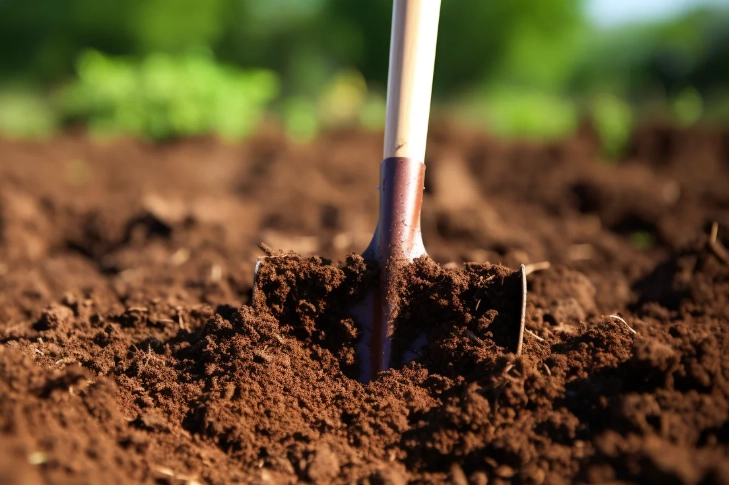
The Step-by-Step Soil Preparation Process
Okay, you've got your soil test results. Now let's get to the actual doing. The order here matters. Think of it as a recipe.
Step 1: Clear and Clean the Canvas
Remove all weeds, rocks, sticks, and old plant debris. For weeds, get as much of the root as possible. I'm a fan of using a garden fork for this—it loosens the soil while you're weeding. For a new lawn area or large bed, you might use a sod cutter. This step is boring but crucial. Leaving weed roots is like inviting trouble back for dinner.
Step 2: To Till or Not to Till? The Great Debate
This is where gardening philosophies collide. Traditional soil preparation involved deep tilling or double-digging. Modern "no-till" methods advocate minimal disturbance. Who's right?
The Case for Gentle Tilling (Once): For new gardens on compacted, poor soil (like former construction sites or lawns), a single, initial tilling can be revolutionary. It instantly breaks up compaction, incorporates amendments, and makes planting easier. I used a broadfork on my clay-heavy new bed—it aerates without violently turning the soil layers.
The Case for No-Till: In established beds, constant tilling destroys soil structure, chops up earthworms, and brings weed seeds to the surface. No-till involves layering amendments on top and letting worms do the mixing. It's fantastic for soil life.
My Take: I'm in the middle. For a new garden bed, I believe in a one-time, deep loosening. After that, I switch to no-till methods, only gently forking in top-dressed compost each season. Don't let purists shame you into struggling with concrete-like soil. Do the initial work, then be gentle forever after.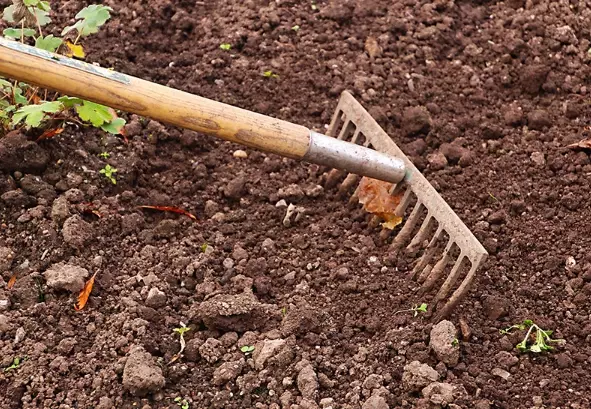
| Tool | Best For | Pros | Cons | My Personal Rating |
|---|---|---|---|---|
| Rotary Tiller | Large, new areas of very compacted soil. | Fast, powerful, breaks hardpan. | Can destroy structure, creates a "tillage pan" over time, loud and heavy. | 6/10 - Use sparingly, as a last resort. |
| Broadfork (U-Bar Digger) | Loosening soil without inverting it. My favorite. | Aerates deeply, preserves soil layers, great exercise. | Manual labor, slower for big areas. | 9/10 - The perfect middle ground. |
| Garden Fork & Shovel | Small beds, spot preparation. | Total control, inexpensive, good for detailed work. | Very labor-intensive for large spaces. | 8/10 - The classic for a reason. |
| No-Till (Lasagna Layers) | Established beds, areas with good initial structure. | Builds incredible soil life, suppresses weeds, minimal labor long-term. | Slow to show results in year one, requires bulk materials. | 9/10 - The long-term goal for any garden. |
Step 3: The Magic Ingredient - Adding Organic Matter
This is the heart of soil preparation. Organic matter is decaying plant and animal material. It's not a fertilizer; it's a soil conditioner. It improves structure, water retention, drainage, and nutrient availability all at once.
- Compost: The king of amendments. Homemade is best, but bagged or bulk from a reputable source works. Aim to mix in a layer 2-4 inches thick over the entire bed, then work it into the top 6-8 inches of soil.
- Well-Rotted Manure: Must be aged (at least 6 months) or it can "burn" plants with excess ammonia. Great for nutrients, but know your source to avoid herbicide contamination.
- Leaf Mold: Simply decomposed leaves. Fantastic for improving water retention in sandy soil. It's like fluffy, black gold.
- Other Options: Peat moss (holds water but is environmentally questionable), coconut coir (sustainable alternative to peat), worm castings (expensive but potent).
How much? A general rule is adding 25-30% by volume of organic matter to your native soil. For a 100 sq ft bed, that's about 8 cubic feet of compost. It seems like a lot, but it shrinks as it integrates.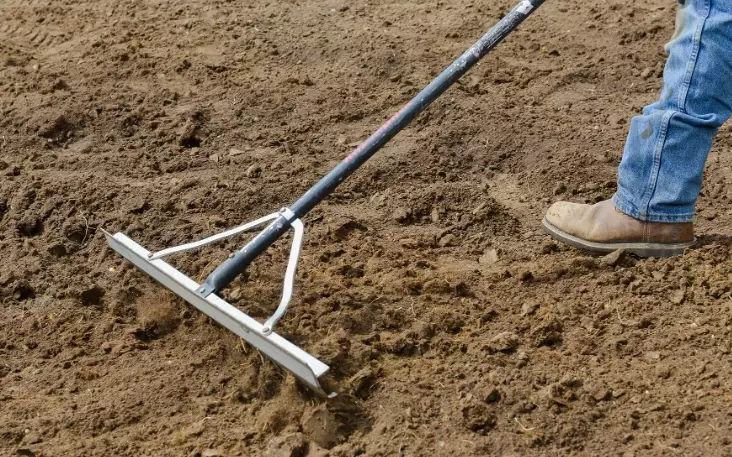
Step 4: Fine-Tuning with Fertilizers & Minerals
Now, based on your soil test, add any specific nutrients that are deficient. This is where you use actual fertilizers, not just conditioners.
- For Low Nitrogen (N): Blood meal, feather meal, or a balanced organic granular fertilizer.
- For Low Phosphorus (P): Bone meal or rock phosphate.
- For Low Potassium (K): Greensand, kelp meal, or wood ash (use ash sparingly as it raises pH).
Broadcast these amendments evenly over the surface and gently rake them in. The goal of this stage of soil preparation is to create a complete, balanced meal for your plants, not just an empty plate.
Step 5: The Final Touch - Leveling and Resting
Rake the bed smooth, breaking up any large clods. Create a fine, level seedbed for sowing or a smooth surface for transplanting. Some gardeners like to create slight mounds (raised rows) for better drainage.
Here's a tip I picked up from an old-timer: if you have time, let the prepared bed sit for a week or two. Water it lightly if it doesn't rain. This allows the soil life to settle, amendments to start integrating, and any remaining weed seeds to germinate. You can then do a very light, shallow hoeing to take out those baby weeds right before planting. It's a final weed-free head start.
Common Mistake Alert: The worst thing you can do after all this careful soil preparation is to walk on it! It re-compacts everything you just fixed. Use stepping stones or boards to distribute your weight if you must access the bed. Treat that fluffy, prepared soil like a sacred space.
Special Situations & Seasonal Prep Tips
Not all gardens are created equal. Here’s how to tweak your approach.
Preparing Soil for a Vegetable Garden vs. Lawn vs. Flower Bed
- Vegetables: They're heavy feeders. Go deep (8-12 inches of loosened, amended soil). They need the most nutrient-rich environment you can create.
- Lawns: Focus on the top 4-6 inches. Core aeration is a better prep than tilling for an existing lawn. For new lawns, leveling and ensuring good topsoil is key. The EPA's Watersense guide has good tips on sustainable lawn establishment.
- Perennial Flowers/Shrubs: Dig individual planting holes 2-3 times wider than the root ball, but only as deep. Mix compost with the native soil for backfill. Don't create a "bathtub effect" where the hole holds water.
Spring vs. Fall Soil Preparation
Fall is secretly the best time. Why? You can add raw organic matter like shredded leaves or manure, and over winter, the freeze-thaw cycles and soil organisms will break it down perfectly for spring. You're also not in a rush. I do my major soil prep in October, and by April, the bed is magic.
Spring prep is more common but more rushed. Use fully finished compost (not raw manure) so it's plant-ready. The soil is often wet—wait until it's dry enough that a handful crumbles loosely. Working wet soil ruins its structure for the whole season.
Common Soil Preparation Mistakes (I've Made Most of These)
- Over-Tilling: Creates dust-like particles that compact into hardpan. If your soil looks like fine powder, you've gone too far.
- Adding Sand to Clay Soil: This is a classic error. Unless you add a huge amount (like 50% by volume), you just create concrete. Use organic matter instead.
- Ignoring pH: Throwing nutrients at a pH problem is like locking food in a vault and throwing away the key.
- Using Fresh Manure: The ammonia salts will damage plant roots and can harbor pathogens. Always let it age.
- Not Watering After Prep: Especially in spring, a dry, fluffy bed will wick moisture away from seeds and seedlings. Give it a good, deep soak after raking smooth and before planting.
Your Soil Preparation Questions, Answered
The Final Word: Patience and Observation
The biggest lesson from my tomato failure wasn't just about technique. It was about patience. Good soil preparation isn't a one-time, quick chore. It's the first step in an ongoing relationship with your garden. The best thing you can do after you've prepared your soil is to watch it. See how it absorbs water. Watch how your plants respond. Dig a small hole mid-season and look at the root growth.
That living, breathing ecosystem you've nurtured will tell you everything you need to know. It might tell you to add more compost next year, or that you tilled a bit too aggressively. Listen to it. This whole process, this careful and thoughtful soil preparation, is what turns gardening from a hobby of hope into a practice of partnership with nature. Now go get your hands dirty. The right way.
Reader Comments