Let's be honest. We've all been there. Staring at a tomato on the vine, poking it gently, and thinking, "Is it time?" You don't want to pick it too early and get that bland, mealy disappointment. But leave it too long, and you might find a soggy, split mess or a gift for the local squirrels. Figuring out exactly when a tomato is ready to pick feels like a secret ritual sometimes. It's not just about a color chart. It's a full sensory experience involving sight, touch, and even smell.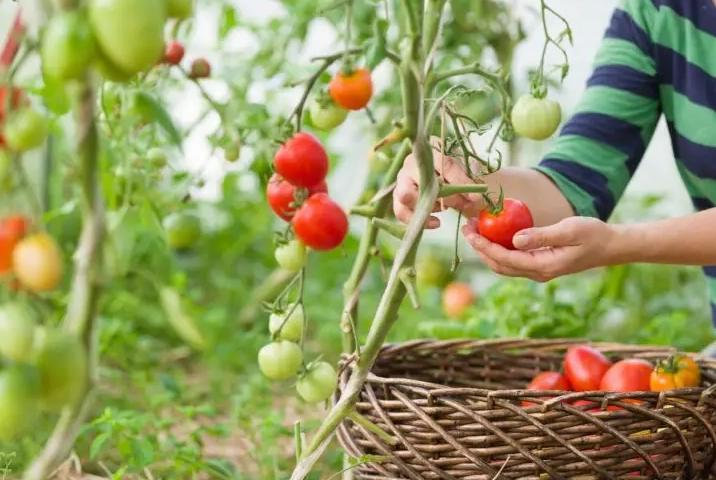
Your Harvest Companion
The Four Foolproof Signs of a Ripe Tomato
You can't rely on just one thing. Nature gives us a checklist. Use all these signs together, and you'll never pick a dud again.
1. Color is Your First Clue (But Not Your Only One)
This is the most obvious sign, but it's also where most beginners trip up. A tomato turning from green to red (or yellow, or purple) is maturing, but it might not be fully ripe. You're looking for a deep, uniform color across the entire fruit. For red varieties, that means no green or yellow "shoulders" left near the stem. The color should look rich and saturated.
Here's the kicker, though. Some heirloom varieties are naturally green when ripe! 'Green Zebra' is a perfect example. If you only went by a red color chart, you'd miss it completely. This is why you must combine color with the other signs below. For standard red tomatoes, that deep, even red is your green light to proceed to the next checks.
2. The Feel Test: Firmness vs. Give
This is the hands-on part. Gently cup the tomato in your palm and apply a very light squeeze. Don't pinch it with your fingertips—you'll bruise it. A ripe tomato should feel firm but have a slight, pleasant give, like a perfectly ripe avocado. It should feel heavy for its size, full of juice.
If it's rock hard, it's not ready. Walk away. If it feels soft, mushy, or the skin wrinkles under light pressure, you've likely missed the peak window. That slight give is the sweet spot. I find this test is especially crucial for larger varieties like Beefsteaks, which can sometimes look ripe but still be a bit firm inside.
3. The Sniff Test: Smell the Stem End
This is the secret weapon many gardeners forget. A truly ripe tomato emits a fragrance. Not from the shiny bottom, but from the stem end (where it connects to the vine). Get close and take a sniff. You should smell that classic, sweet, earthy, unmistakable tomato aroma. If you smell nothing, or just a vague "green plant" smell, it needs more time on the vine.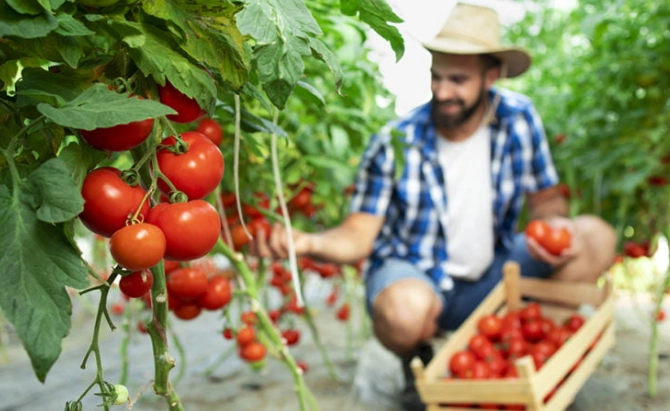
This smell is the plant's final flourish of flavor compounds. No smell often means no flavor. It's that simple.
4. The Final Check: How It Comes Off the Vine
When all the other signs line up, give the tomato a gentle upward twist. A ripe tomato will separate from the stem cleanly and with almost no effort. You shouldn't have to yank or pull hard. If you find yourself wrestling with it, it's probably not quite ready. The plant creates a special abscission layer (a separation zone) when the fruit is mature, making the break clean. A stubborn tomato is often a signal to wait another day or two.
Some folks use clippers or scissors, which is fine, especially for delicate varieties. But even then, the connection should feel weak. If you're cutting through a tough stem, pause and reconsider.
Does Tomato Variety Change the Rules? Absolutely.
Thinking all tomatoes ripen the same is like thinking all apples taste identical. Different types have different tells. Knowing your variety is half the battle in knowing when it's ready to pick.
| Tomato Type | Typical Color When Ripe | Key Ripening Clues & Notes | Common Pitfalls |
|---|---|---|---|
| Beefsteak (e.g., 'Brandywine') | Deep Red, Pink, or Purple | Can be slow to color fully. Focus on heavy weight, slight give, and full-size attainment. The shoulders may soften last. | Picking too early when only the bottom is red. The top (shoulders) must be fully colored. |
| Cherry/Grape (e.g., 'Sun Gold') | Red, Orange, Yellow | Ripens quickly and uniformly. Intense, vibrant color is the #1 sign. They should detach with a mere touch when ripe. | Waiting too long! They go from perfect to split or over-soft in a hot day. Harvest frequently. |
| Paste/Roma (e.g., 'San Marzano') | Deep, Solid Red | Feel is crucial. They stay firmer than slicers. Look for deep color and a dense, heavy feel. The flesh gives slightly. | Expecting them to feel as soft as a sandwich tomato. They are meatier and less juicy. |
| Green When Ripe (e.g., 'Green Zebra') | Green with Yellow Streaks | Color change is subtle—look for a yellowish cast or olive-green tone. They soften noticeably and smell fragrant at the stem. | Never picking them because they never turn red! Trust the feel and smell tests utterly. |
| Heirloom/Black (e.g., 'Cherokee Purple') | Dark Purple, Brown, Dusky Pink | Color is often darker and less "shiny." The bottom may feel slightly soft first. A rich, complex aroma is a great indicator. | The ugly shoulder! Many have green or cracked shoulders even when ripe. Don't let that stop you if other signs are good. |
See? One size does not fit all. A ripe 'Sun Gold' cherry tomato and a ripe 'Brandywine' are two completely different beasts.
What About Picking Early and Ripening Indoors?
Sometimes you have to. A storm is coming, pests are attacking, or frost threatens. Can you pick tomatoes early and let them ripen inside? Yes, but with major caveats.
A tomato must have started its ripening process on the vine to develop good flavor indoors. This is called the "breaker stage." Look for the first hint of color change—a blush of pink, red, or yellow. Once it hits this stage, it will continue to ripen off the vine because the plant has already pumped in the sugars and acids. It will turn red, but the flavor will never be quite as rich and complex as one that soaked up every last day of sunshine.
To ripen indoors, place breaker-stage tomatoes in a single layer in a cardboard box or paper bag. Adding a banana or apple can help, as they release ethylene gas, a natural ripening hormone. Keep them at room temperature, out of direct sun. Check daily. It's a salvage operation, not the ideal path.
Top Mistakes to Avoid (I've Made Most of These)
Let's talk about what not to do. This might save you a season's worth of heartache.
- Picking by the calendar alone. "It's been 75 days, so it must be ready." Nope. Days to maturity on seed packets are estimates. Weather, soil, and sun change everything. Use your eyes and hands, not just the date.
- Yanking the tomato off. This damages the vine and can leave a nasty wound open to disease. It also usually means the fruit isn't ready. Always use a gentle twist.
- Assuming all red tomatoes are ripe. That pale, pinkish-red tomato might need another 3-4 days to develop sugars. Patience is key. Wait for the deep color.
- Leaning on color alone for non-red varieties. This bears repeating. If you're growing yellow, orange, purple, or green tomatoes, you must master the feel and smell tests.
- Waiting for the whole cluster to be ready. Tomatoes ripen individually, even in a truss. Harvest them one by one as they become ready. Don't let the first ripe one rot waiting for its siblings.
Answers to Your Tomato Picking Questions
Should I pick my tomatoes in the morning or evening?
Morning, after the dew has dried, is generally best. The fruits are plump with overnight moisture and the temperatures are cool, which helps them store better. Evening is fine too, but avoid the heat of the midday sun.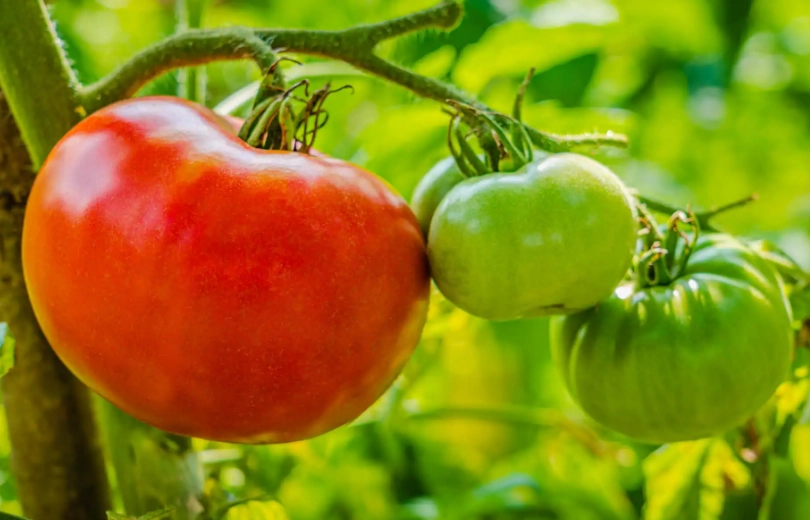
My tomato is partially red but has a hard, white core. What happened?
That's often a sign of internal white tissue, which can be caused by excessive heat and intense sun during ripening. The outside colors up, but the inside struggles. It's still edible but not ideal. Providing some light shade during heatwaves can help prevent it.
How do I know if a tomato is overripe?
It's usually obvious. The skin may be splitting, feel very soft or wrinkled, or have small cracks where insects or mold have started. Sometimes they develop a translucent look. If it's just very soft but otherwise intact, use it immediately in sauce or soup.
Can I pick a tomato with a small crack or blemish?
Yes, and you should! Harvest it immediately. Cracks often happen after a heavy rain when the fruit swells too fast. A small crack is an open door for bacteria and fruit flies. Pick it and use it right away. Don't leave it to rot on the vine.
For more in-depth scientific information on tomato physiology and ripening, resources from institutions like University of Minnesota Extension or Penn State Extension are fantastic. They provide research-backed details that complement the hands-on advice here.
What To Do After You Pick
You've successfully determined when your tomato was ready to pick. Great! Now, don't ruin it in the kitchen.
- Don't refrigerate ripe tomatoes. This is the cardinal rule. Temperatures below 55°F (13°C) break down the flavor compounds and leave you with a mealy, tasteless fruit. Seriously, just don't do it. Keep them on the counter, stem-side up, out of direct sun.
- Eat them fast. A vine-ripe tomato is a fleeting treasure. Plan to eat them within a few days for peak perfection.
- Handle with care. They bruise easily. Don't pile them high in a basket.
- Wash just before eating. Washing introduces moisture that can speed up decay. Only wash what you're about to use.
Putting It All Together
So, when is a tomato ready to pick? It's not a single moment, but a convergence of signals. Look for the deep, uniform color specific to your variety. Feel for that firm yet slight give. Get close and sniff for that sweet, earthy aroma at the stem. Finally, test the connection with a gentle, easy twist. When all four line up, you have a winner. Forget the days on a packet. Your tomatoes will tell you when they're ready—you just have to learn their language. Now get out there and enjoy the fruits of your labor, literally. There's nothing quite like that first perfect, sun-warmed tomato of the season.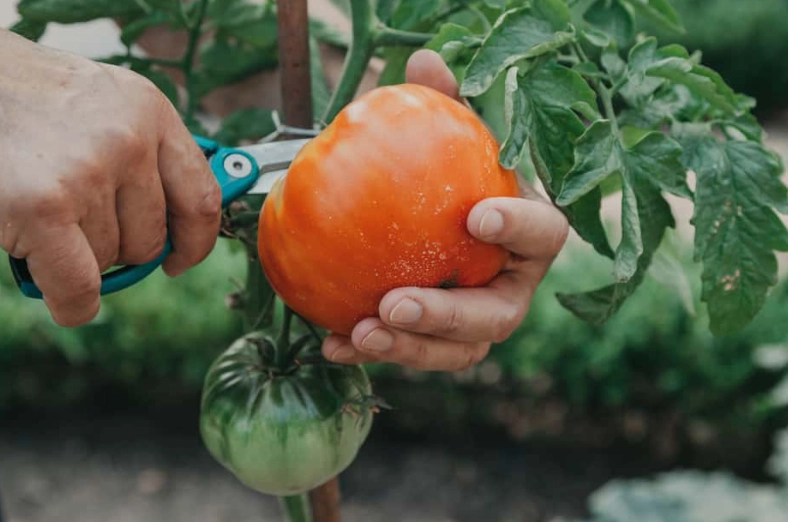
It took me a few seasons of mediocre harvests to really get this down. I was so focused on the "redness" that I missed all the other notes in the symphony. Now, my ritual involves a slow walk through the garden, a gentle squeeze here, a sniff there. It's the most satisfying part of gardening, that moment of perfect harvest. I hope this guide helps you find that moment more often. Happy picking!
Reader Comments