Quick Navigation
Let's be real for a second. The idea of growing your own food is amazing. Fresh herbs, crisp lettuce, juicy tomatoes right from your... living room? Wait, what? That's the first mental hurdle with hydroponics gardening. It sounds like something from a sci-fi movie or a fancy university lab. I thought the same thing before I accidentally killed my fifth potted basil plant and decided there had to be a better way.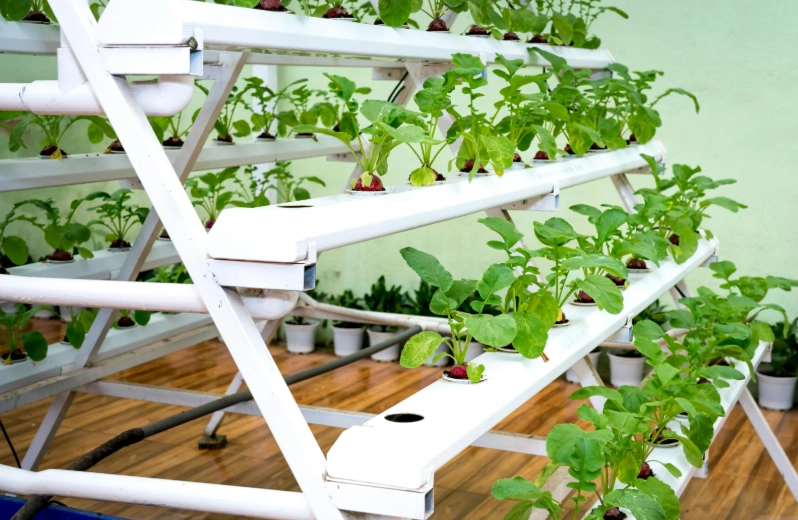
There was. Hydroponics gardening is that better way for a lot of us, especially if you're dealing with lousy soil, no yard, or just a serious desire to not have to remember to water plants every single day. It's not magic, but it feels pretty close when you're harvesting lettuce in December.
So, why isn't everyone doing it? Well, the initial info dump can be overwhelming. Pumps, pH meters, EC, nutrients A and B... it's easy to get lost in the jargon and give up before you even start. That's what this guide is for. I'm going to walk you through the whole thing, not as a scientist, but as someone who has flooded their kitchen, stunted some peppers, and finally figured out a system that just works.
Why Bother with a Hydroponic Garden? (The Good, The Bad, and The Leafy)
Let's cut through the hype. Hydroponics isn't a perfect, zero-effort solution. But its advantages are pretty convincing for many home growers.
First, the growth rate. Plants in a well-tuned hydroponic system grow significantly faster than their soil-bound cousins. We're talking 30-50% faster for many leafy greens and herbs. Why? Constant, optimized access to food, water, and oxygen at the roots. It's like giving the plant a direct IV drip of everything it needs.
Water usage. This one surprised me. Hydroponics gardening uses up to 90% less water than traditional soil gardening. The water is recirculated in most systems, with only minor top-ups for evaporation and what the plants drink. No water lost to deep drainage or runoff. In an era of water consciousness, that's a massive point in its favor.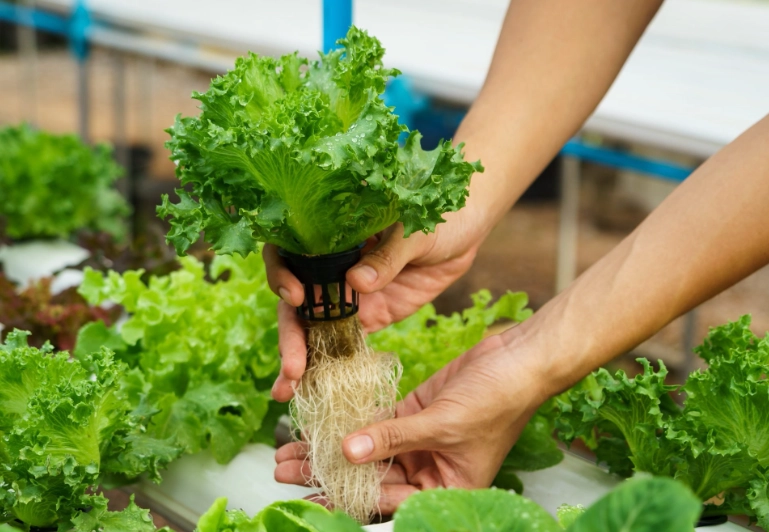
Space and location freedom. No yard? No problem. You can set up a hydroponic garden in a closet, on a balcony, in a basement (with lights), or on your kitchen counter. It enables true year-round indoor gardening, which is a game-changer for those in apartments or with harsh winters.
But here's my personal, slightly negative take: the startup cost and the learning curve. You can't just sprinkle some seeds in the ground. You need some gear. A simple DIY setup might run you $50-$100, while a slick, pre-made kit can be $200+. And you have to learn to manage the nutrient solution—it's the heart of the operation. Get it wrong, and your plants will let you know, quickly.
Is it worth it? For the control, the speed, the clean harvests (no dirt on your lettuce!), and the sheer cool factor, I absolutely think so. But go in with your eyes open.
Your First Big Choice: Picking a Hydroponics System
This is where most beginners freeze. Too many acronyms and strange names. Let's simplify it. All systems deliver nutrient-rich water to the roots. They just do it in different ways. Think of it as choosing a car: you want something reliable for your first drive, not a Formula 1 racer.
Here’s a breakdown of the most beginner-friendly hydroponic gardening systems.
| System Name | How It Works (Simply) | Best For... | Beginner Friendliness | My Personal Notes |
|---|---|---|---|---|
| Deep Water Culture (DWC) | Plant roots dangle directly into a tank of aerated nutrient solution. An air pump provides oxygen. | Lettuce, herbs, kale, fast-growing leafy greens. | Very High. It's dead simple and cheap to build. | My personal favorite for starters. Watching the massive, white root balls grow is incredibly satisfying. Just watch out for pump failures. |
| Kratky Method (Passive DWC) | A simpler, pump-free version of DWC. The roots are partly in the solution, partly in air. The water level drops as the plant drinks. | Small leafy greens, herbs, lettuce (for one harvest). | Extremely High. The ultimate "set and forget" intro. | Fantastic for absolute beginners to grasp the concept. Not great for large or long-lived plants, as the nutrient solution isn't refreshed. |
| Ebb and Flow (Flood & Drain) | A pump floods the plant tray with nutrient solution at intervals, then drains it back to a reservoir. | A wider variety: peppers, strawberries, beans, herbs, greens. | Medium. Requires a timer and understanding of flood cycles. | Very versatile. The drying period between floods helps prevent root rot. More parts can mean more points of failure. |
| Nutrient Film Technique (NFT) | A thin, shallow stream of nutrient solution constantly flows over the roots in a sloped channel. | Lightweight, fast-growing plants like lettuce, spinach, basil. | Medium-Low. Sensitive to pump failures and root clogs. | Very efficient on water and nutrients. However, if the pump stops, roots dry out fast. I lost a whole channel of basil once this way. Heartbreaking. |
| Drip Systems | Nutrient solution is dripped slowly onto the base of each plant, often using coco coir or clay pebbles as a medium. | Larger plants: tomatoes, cucumbers, peppers, eggplants. | Medium. Good control but emitters can clog. | The go-to for commercial growers for a reason. Excellent for big, thirsty plants. Requires diligent maintenance to keep drippers clear. |
Seriously. Don't overcomplicate your first foray into hydroponics gardening. A 5-gallon bucket, a net pot, an air stone, and an air pump are all you need for DWC. You'll learn the fundamentals—nutrients, pH, root care—without the complexity of timers and flood trays. Master that, and you can graduate to other systems.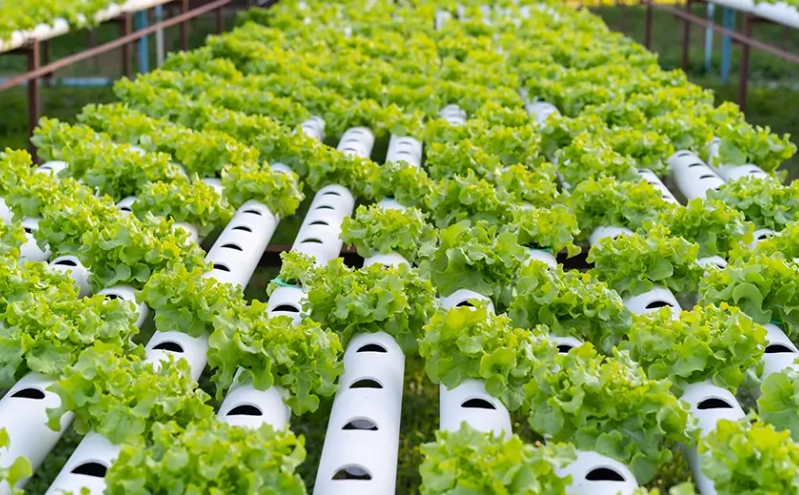
What Can You Actually Grow in Hydroponics?
Almost anything, but some plants are like eager students, while others are stubborn professors. For your first hydroponic garden, stick with the eager students.
Top Tier Beginner Plants (Almost Foolproof):
- Lettuce (all types): The poster child of hydroponics. Grows fast, looks beautiful, and is incredibly forgiving.
- Basil, Mint, Cilantro, Dill: Herbs thrive. You'll have more pesto and mojito material than you know what to do with.
- Kale & Swiss Chard: Hardy, fast, and productive. They're nutrient hogs, so keep an eye on your solution strength.
- Spinach: Does brilliantly in cooler nutrient solutions.
Great Next Steps (A Bit More Attention Needed):
- Strawberries: They love hydroponics! Ebb and Flow or Drip systems work best. The clean, elevated fruit is a joy.
- Peppers (Bell & Chili): They get big and need support (staking), but the yield can be phenomenal. They prefer a warmer root zone.
- Green Beans & Peas: Bush varieties work well. They grow quickly and are fun to watch.
Advanced Projects (Tackle These Later):
- Tomatoes & Cucumbers: Yes, you can grow them, and they'll be huge. But they are large, heavy, require significant pruning and support, and are prone to diseases if not managed well. They're a commitment.
- Root Vegetables (Carrots, Radishes): Technically possible in specific deep media systems, but honestly? It's often more trouble than it's worth. Soil is better for these.
The Nuts and Bolts (And Pumps and Nutrients)
Okay, you've picked a system and some plants. Now, what stuff do you actually need to buy? Let's build a shopping list for a basic, small-scale hydroponics gardening setup.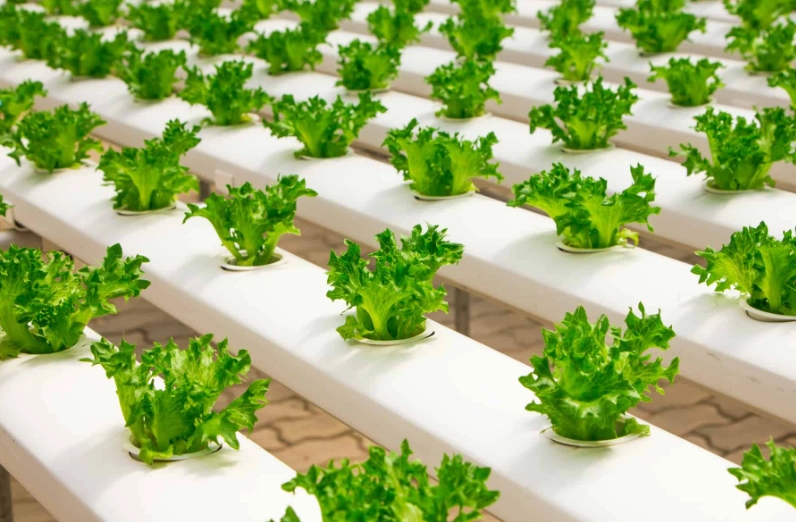
- Reservoir: A light-proof container to hold your nutrient solution (e.g., a black bucket, a storage tote). Light in the reservoir = algae growth = big problems.
- Grow Tray/Channel: Where the plants sit. For DWC, this is the lid of the bucket with holes.
- Submersible Pump &/or Air Pump: For moving and oxygenating the water. NFT, Ebb & Flow, and Drip systems need a water pump. DWC needs an air pump and air stone.
- Growing Medium: Not soil! This is an inert material that supports the plant and root structure. Common ones include: Clay Pebbles (Hydroton), Rockwool cubes, Coco Coir, Perlite/Vermiculite mix.
- Net Pots: Small baskets that hold the plant and medium, allowing roots to grow out into the solution.
- Nutrients: The special sauce. You'll need a hydroponic-specific nutrient formula. They usually come as a 2-part or 3-part liquid (Grow, Bloom, Micro) or as a soluble powder. Do NOT use regular garden fertilizer.
- pH Testing & Adjustment Kit: Non-negotiable. Plants absorb nutrients within a specific pH range (usually 5.5-6.5 for hydroponics). A simple liquid test kit or a digital pH meter is essential. You'll also need pH Up and pH Down solutions.
- Light: If growing indoors. For a small herb garden, a bright, sunny window might work. For reliable results, you'll want LED grow lights. They're energy-efficient and don't get too hot.
See? It's a list, but it's not a crazy one. You can source most of this from a local hydroponics store, a garden center, or online. For a truly minimal Kratky setup, you can skip the pumps entirely—just a jar, some medium, net pot, nutrients, and a plant.
The Art and Science of the Nutrient Solution
This is the part that intimidates people. Let's demystify it. Your nutrient solution is just plant food dissolved in water. Managing it boils down to three things:
- Strength (EC/PPM): How concentrated the food is. Seedlings and young plants need a weak solution (low EC). Mature, fruiting plants need a stronger one (higher EC). A guide from the University of Minnesota Extension provides excellent, science-backed charts on recommended nutrient strength for different plants. I keep a printed copy in my grow room.
- pH Level: The acidity/alkalinity. If the pH is off, plants get "lockout" and can't absorb certain nutrients, even if they're present. You'll see weird deficiencies. Test pH every 2-3 days. It tends to drift up as plants feed. Adjust it back to the sweet spot (5.8-6.2 is a safe target for most plants).
- Temperature & Oxygen: Keep your reservoir cool (65-70°F or 18-21°C is ideal). Warm water holds less oxygen and can encourage root diseases (like dreaded Pythium, or root rot). An air stone in DWC or the draining action in Ebb and Flow keeps roots oxygenated.
How often do you change the nutrient solution? For recirculating systems, a complete change every 1-2 weeks is a good rule of thumb. The plants are drinking the water and eating the nutrients, altering the balance. Dump the old, clean the reservoir with a mild bleach solution (rinse thoroughly!), and mix a fresh batch.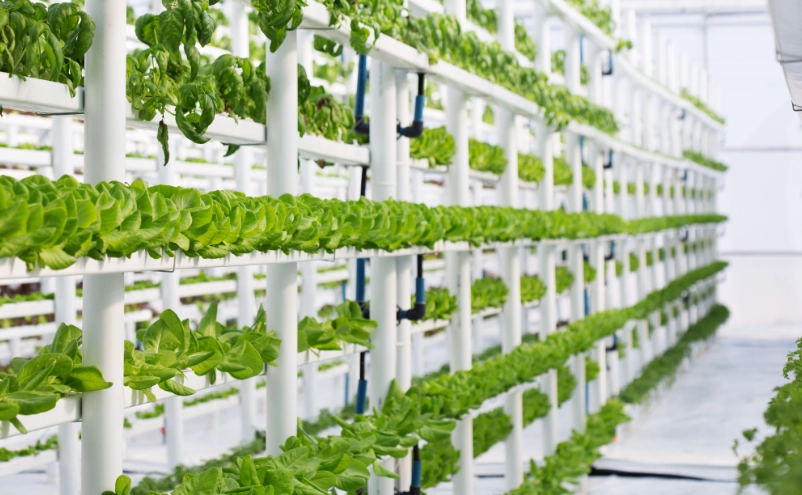
Answers to the Questions You're Probably Googling Right Now
Let's tackle some common hydroponics gardening FAQs. These are the things I searched for at 2 a.m. when my lettuce looked sad.
Is hydroponics gardening more expensive than soil gardening?
Initially, yes. You have to buy equipment. Long-term, it can be cheaper for certain things. You save on water, soil, bags, and pesticides. The real value is in the quality and year-round availability of what you grow. A $5 packet of lettuce seeds can yield dozens of heads over months.
Do hydroponic plants taste different?
They taste clean and pure. The flavor is determined by the plant variety and the nutrients you give it. A well-fed hydroponic tomato can be explosively flavorful because it's not stressed for water or nutrients. I find herbs are often more potent.
What about pests and diseases?
You avoid soil-borne diseases (like fusarium wilt), which is a huge plus. But you're not immune. Aphids, spider mites, and whiteflies can still find your indoor garden. The key is vigilance. Isolate new plants, keep the area clean, and use insecticidal soap or neem oil at the first sign of trouble. Root rot is the main hydroponic disease, avoided by keeping your reservoir cool and oxygenated.
Is it organic?
This is a hot debate. Hydroponics itself is a method, not a philosophy. You can use certified organic nutrient inputs (like fish emulsion, kelp) in your system, though they can gunk up pumps. The USDA's National Organic Program (NOP) has specific rules for soil-less production. If being "certified organic" is important to you, you'll need to research those standards. For most home growers, we just care about growing healthy, pesticide-free food.
How much time does it take to maintain?
Once set up, surprisingly little. I spend maybe 15-20 minutes every other day checking pH, topping off water, and looking at my plants (the most important part!). A weekly 30-minute session for a full nutrient change and system check. It's far less time than weeding and daily watering a large soil garden.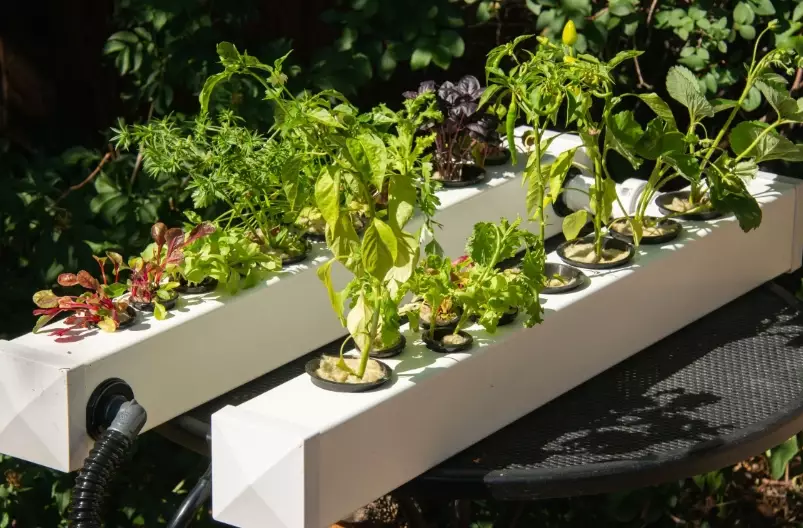
Taking the Plunge: A Simple Week-by-Week Launch Plan
Feeling ready? Don't just buy a bunch of stuff. Follow a plan. Here’s how I'd advise a friend to start.
Week 1: Research & Mini-Experiment. Don't spend a dime yet. Read this guide again. Then, try the simplest Kratky method with one lettuce plant in a mason jar. You'll learn about mixing weak nutrients and watching roots. It's a zero-risk trial.
Week 2: Source Your Materials. Based on what you want to grow (let's say, a salad garden), decide on a system. For a salad garden, a simple DWC in a 5-gallon tote is perfect. Make your shopping list: tote, net pots, clay pebbles, air pump/stone, nutrients, pH kit, seeds.
Week 3: Build & Germinate. Build your system. Drill holes in the tote lid. Set up the air pump. Simultaneously, start your seeds. I prefer starting seeds in soaked Rockwool cubes or rapid rooter plugs. They transplant easily into the net pots.
Week 4: Transplant & The First Mix. Once seedlings have roots poking out of the starter cube, place them into the net pots filled with clay pebbles. Mix your first nutrient solution at 1/4 strength. Adjust the pH. Turn on the air pump. Place the lid on the reservoir.
Weeks 5-8: The Rhythm. This is where you establish your maintenance rhythm. Check pH every 2-3 days. Top off with plain pH-adjusted water as it evaporates. After a week, do a full nutrient change, this time at 1/2 strength. Watch the roots become a thick, white mass. See the leaves grow visibly each day.
Week 9+: Harvest! Start harvesting outer leaves of lettuce as needed. The plant will keep producing. Celebrate your first soil-free salad. You are now a hydroponics gardener.
The journey into hydroponics gardening is one of constant learning and small victories. You will have failures—a pump will die, you'll mis-measure pH down, a plant will mysteriously wilt. Everyone does. The online community is fantastic for troubleshooting. Resources like forums or the research from institutions like Penn State Extension are invaluable for deepening your knowledge.
But the feeling of biting into a crisp, clean leaf of lettuce you grew in your own home, in the middle of winter, with 90% less water than a field would use? That feeling never gets old. It turns you from a consumer into a producer. And that’s a pretty powerful shift, one bucket of nutrient solution at a time.
So, what are you going to grow first?
Reader Comments