What You'll Find Inside
- Why Bother Growing Your Own Beets?
- Picking Your Beet Posse: Varieties That Won't Let You Down
- Getting Your Hands Dirty: Pre-Planting Setup
- The Main Event: How to Plant and Grow Beets, Step-by-Step
- What Can Go Wrong? (And How to Fix It)
- The Grand Finale: Harvesting and Storing Your Bounty
- Your Beet Growing Questions, Answered
Let's be honest, the first time I tried to figure out how do you grow beets, I ended up with a bunch of leafy tops and tiny, pathetic roots. It was frustrating. I followed some vague instructions, planted at the wrong time, and basically just hoped for the best. Not a great strategy. Since then, I've spent years getting it right—through trial, error, and a lot of digging (literally). This guide is everything I wish I'd known back then. It's not just theory; it's the practical, down-to-earth steps that actually work in a real garden.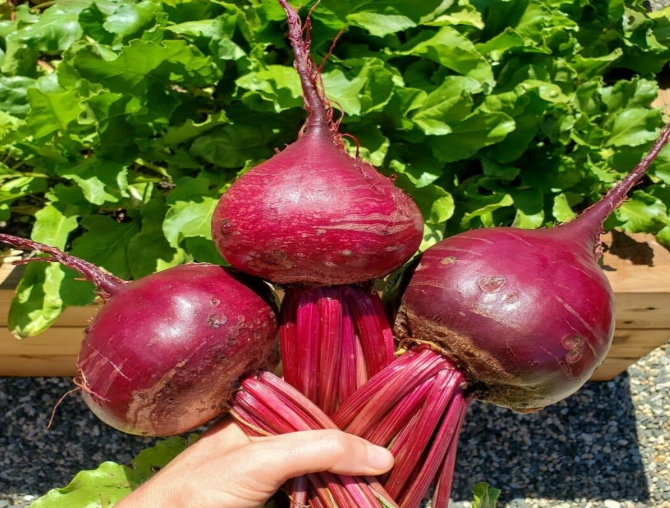
Beets are one of those fantastic dual-purpose crops. You get the sweet, jewel-toned roots for roasting, pickling, or adding to salads, and you get the tender greens, which are a nutritional powerhouse and taste amazing sautéed with a little garlic. They're also surprisingly forgiving once you understand their basic needs. The core question, "how do you grow beets successfully?" boils down to a few key things: cool weather, loose soil, and consistent moisture. Get those right, and you're 90% of the way there.
Why Bother Growing Your Own Beets?
You can buy a bunch of beets for a couple of bucks at the store, right? True. But have you ever tasted a beet pulled from your own garden, steamed within an hour, and dressed with a little butter? It's a different vegetable entirely. The flavor is sweeter, earthier, and more complex. Store-bought beets are often woody or bland because they've been in storage for who-knows-how-long and were bred for shipping durability, not taste.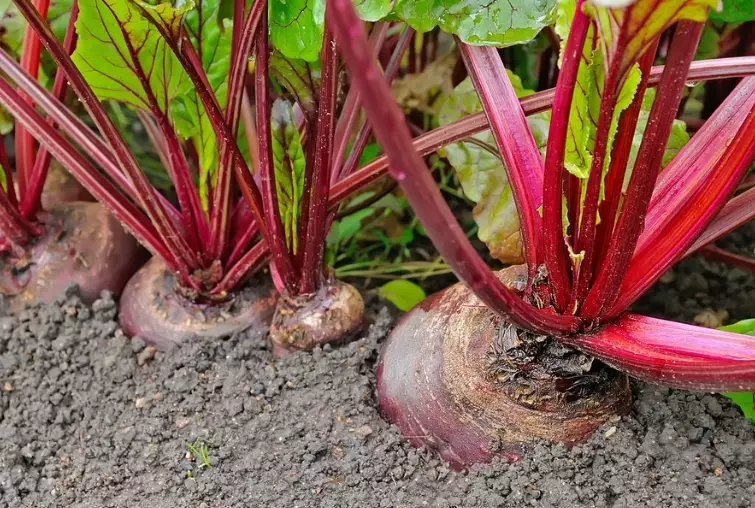
Then there's the variety. Supermarkets typically offer one, maybe two types. When you grow your own, you open up a rainbow of possibilities: golden beets that don't stain, striped 'Chioggia' beets with their bullseye interiors, pure white beets, and cylindrical beets perfect for slicing. You're also in complete control of how they're grown—no pesticides or chemicals you don't want.
And let's not forget the greens. You rarely get good, fresh beet greens from a store. When you grow beets, you can harvest a few leaves from each plant throughout the season without harming the root, giving you a continuous supply of free, delicious greens.
Picking Your Beet Posse: Varieties That Won't Let You Down
Choosing a variety is your first big decision. It's not just about color. Think about shape (for slicing), maturity time, and whether you're more interested in the root or the greens. Some are bred specifically for one or the other.
Here’s a breakdown of some reliable performers that answer the question "how do you grow beets" with specific options: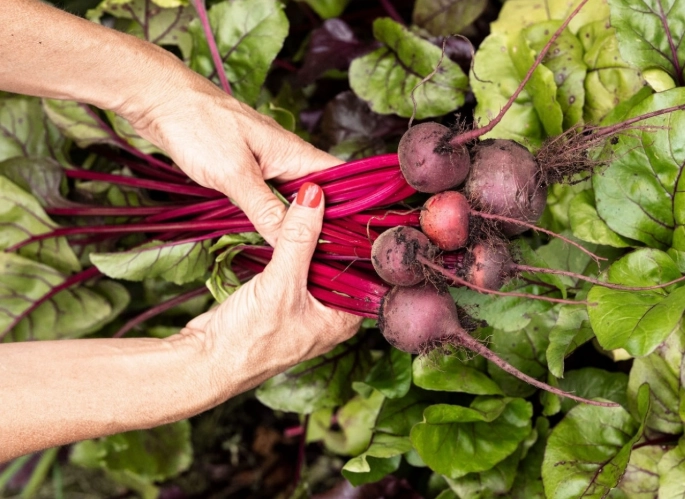
| Variety | Color/Appearance | Days to Maturity | Best For / Notes |
|---|---|---|---|
| Detroit Dark Red | Deep, uniform red | 55-60 | The classic. Reliable, great for canning/pickling, good greens. My go-to for a standard red beet. |
| Golden Detroit | Vibrant yellow-orange | 55-60 | Sweet, mild flavor. Doesn't bleed! Perfect for salads where you don't want pink everything. |
| Chioggia | Red skin, concentric red & white rings inside | 50-55 | Heirloom, stunning for fresh eating. Flavor is mild and sweet. The rings fade when cooked. |
| Touchstone Gold | Bright gold, smooth skin | 55 | Excellent, sweet flavor. Tops are tender and great for eating. Very productive. |
| Cylindra / Formanova | Dark red, long cylindrical shape | 55-60 | Ideal for slicing into uniform rounds for pickles or burgers. Yields more slices per beet. |
| Bull's Blood | Deep red-purple leaves, small red roots | 35-40 (for greens), 55 (roots) | Primarily grown for its stunning, flavorful baby greens in salads. Roots are a bonus. |
My personal favorite for a canning project is 'Detroit Dark Red'. It's just dependable. But for a fun addition to a summer salad, 'Golden Detroit' is unbeatable—no stained fingers! If you're curious about the full range, seed catalogs from companies like Johnny's Selected Seeds or Botanical Interests have incredible selections and detailed descriptions.
Getting Your Hands Dirty: Pre-Planting Setup
This is the most important part. Skimp here, and you'll fight an uphill battle all season. Beets need loose, fluffy soil to form those perfect round or cylindrical roots. If the soil is compacted, rocky, or full of clay, the roots will become stunted, forked, or tough.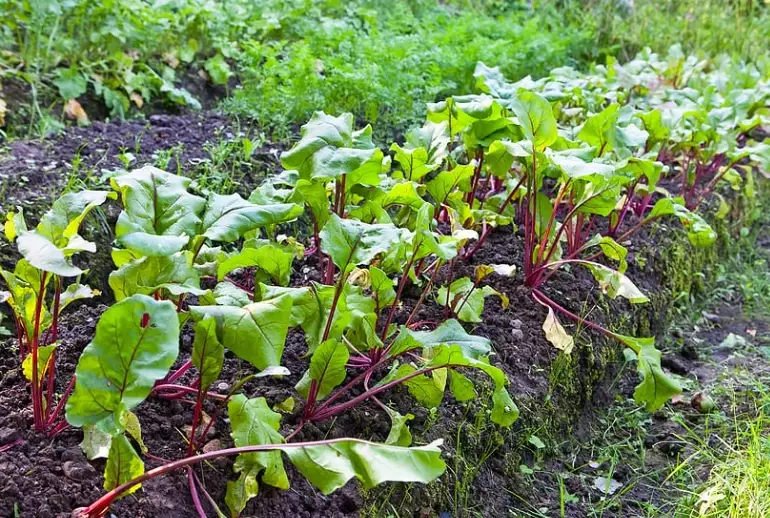
The Dirt on Soil
Beets prefer a slightly sweet (alkaline) soil with a pH between 6.5 and 7.5. If your soil is very acidic, the roots won't develop well. A simple soil test kit is a worthwhile investment. You can get them at any garden center, or your local university cooperative extension office often provides testing services. It sounds technical, but it's just a quick check-up for your garden.
Work the soil deeply—at least 8 to 12 inches down. Remove any stones, clods, or debris. Then, mix in a generous 2-3 inch layer of well-rotted compost or aged manure. This improves drainage, adds nutrients, and helps keep the soil loose. Avoid fresh manure, as it can be too high in nitrogen and cause excessive leafy growth at the expense of the roots.
Timing is Everything: When to Plant
This is where many beginners, including my past self, trip up. Beets are a cool-season crop. They thrive in spring and fall temperatures. Heat makes them bitter, woody, and prone to bolting (flowering prematurely).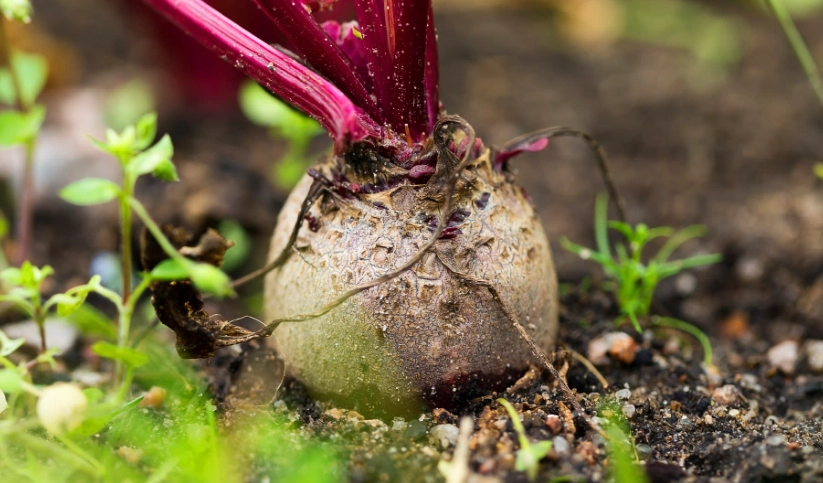
For a spring crop, sow seeds directly in the garden 2 to 4 weeks before your last expected spring frost date. The soil should be workable, not frozen or soggy. You can succession plant every 2-3 weeks for a continuous harvest until it gets too hot.
For a fall crop (often the best-tasting beets!), sow seeds about 8 to 10 weeks before your first expected fall frost. The cooling temperatures of autumn sweeten the roots beautifully.
You can find your specific frost dates by searching for your zip code on the Old Farmer's Almanac website.
The Main Event: How to Plant and Grow Beets, Step-by-Step
Alright, soil is ready, timing is right. Let's get these seeds in the ground.
Planting Your Seeds
A beet "seed" is actually a dried fruit cluster containing multiple seeds. That's why you often get a clump of seedlings. You can find monogerm seeds (which produce one plant per seed) from some suppliers, but the standard clusters are fine.
- Make shallow furrows about 1/2 inch deep in your prepared soil. Space rows about 12-18 inches apart.
- Place the seed clusters in the furrow, spacing them about 2 inches apart. Yes, that seems close, but you'll thin them later.
- Cover lightly with soil and pat down gently to ensure good seed-to-soil contact.
- Water thoroughly with a gentle spray. Keep the soil consistently moist (not soggy) until germination, which takes 7-14 days.
Some gardeners soak the seeds in warm water for a few hours before planting to speed up germination. I've done it both ways and haven't noticed a huge difference, but it doesn't hurt.
The Crucial Step: Thinning
This is non-negotiable. If you don't thin, the beets will have no room to swell, and you'll end up with a crowded mess of tiny roots. When the seedlings are about 2-3 inches tall, it's time.
Gently pull out the weakest seedlings in each cluster, leaving the strongest one. Your goal is to have one plant every 3 to 4 inches. It feels wasteful, but it's essential. The good news? The thinnings are delicious! Those tiny leaves and the attached micro-beet (a tiny, tender root) make an incredible addition to salads or a quick sauté.
Keeping Them Happy: Water, Food, and Weeds
Watering: Consistent moisture is key to tender, non-woody roots and steady growth. Aim for about 1 inch of water per week, either from rain or your hose. A soaker hose or drip irrigation is ideal, as it keeps the foliage dry (reducing disease risk) and delivers water right to the roots. A deep watering once or twice a week is better than frequent light sprinklings.
Fertilizing: If you mixed in plenty of compost at planting, you might not need much more. Beets are moderate feeders. If your soil is poor, you can side-dress with a balanced, low-nitrogen fertilizer (like a 5-10-10) when the roots start to swell, about the size of a marble. Too much nitrogen gives you glorious tops and tiny bottoms.
Weeding: Keep the area around your beets weed-free, especially when they're young. Weeds compete for water and nutrients. Be careful when hoeing or hand-pulling not to damage the shallow beet roots. A light layer of mulch (straw, shredded leaves) after thinning can suppress weeds and help retain soil moisture.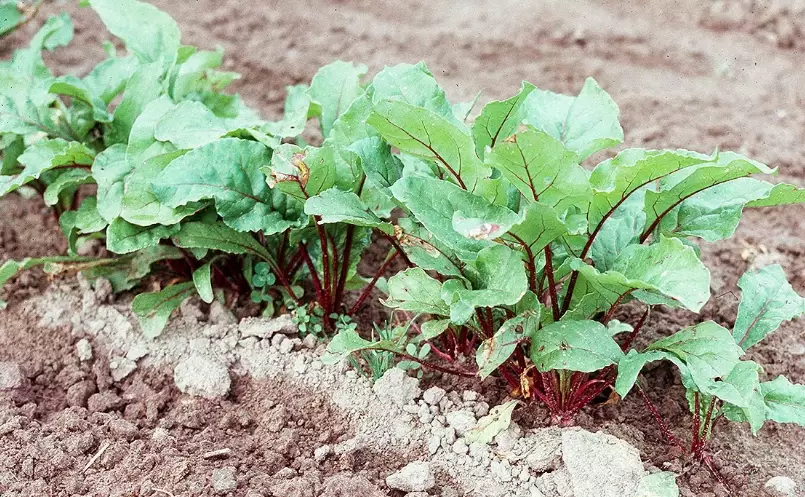
What Can Go Wrong? (And How to Fix It)
Even with the best plans, issues pop up. Here are the most common problems you'll face when you grow beets.
- Small or No Roots, Lots of Leaves: Usually means too much nitrogen, overcrowding (you didn't thin!), or not enough sun. Beets need at least 6 hours of direct sun.
- Woody, Tough, or Bitter Roots: Caused by inconsistent watering, harvesting too late, or growing in hot weather. Heat stress is a big one.
- Scabby, Corky Patches on Roots: This is scab, similar to potato scab. It's caused by soil-borne bacteria and is more common in alkaline soils with poor moisture. Maintaining consistent soil moisture and rotating crops helps prevent it.
- Holes in Leaves: Likely flea beetles or leaf miners. Row covers right after planting can keep pests out. For minor infestations, just pick off affected leaves.
My biggest battle has always been with birds sometimes nibbling the tender seedlings. A simple row cover for the first few weeks solves that.
The Grand Finale: Harvesting and Storing Your Bounty
You can start harvesting beet greens anytime. Just snip a leaf or two from the outside of several plants, leaving the inner leaves to keep growing the root.
For the roots, they're technically edible at any size. "Baby beets" are harvested when the root is about 1-2 inches in diameter and are incredibly tender. For full-sized beets, wait until they are 2-3 inches (or up to the size listed for your variety). You can gently brush away soil at the shoulder of the root to check its size without pulling it up.
To harvest, grasp the base of the greens firmly and pull straight up. If the soil is hard, loosen it gently with a garden fork first to avoid breaking the root. Twist off the greens, leaving about an inch of stem on the root. This prevents "bleeding" during cooking. Don't throw those greens away! Wash and cook them within a day or two.
Storing Beets: For short-term use (a week or two), just put unwashed roots in a plastic bag in the fridge's crisper drawer. For long-term storage, they love cool, moist, and dark conditions—like a root cellar. You can pack them in a box of slightly damp sand or peat moss. They can last for months that way. The National Center for Home Food Preservation has great guidelines on storing various vegetables, including beets.
Your Beet Growing Questions, Answered
Most varieties are ready to harvest 50 to 70 days after sowing for full-sized roots. You can harvest tender "baby" beets as early as 30-40 days. Check the "days to maturity" on your seed packet for the best estimate.
Absolutely! It's a great option if you have poor soil or limited space. Choose a container at least 12 inches deep and wide. Use a high-quality potting mix (not garden soil). Stick to round varieties and thin diligently. Watering will be more frequent, as pots dry out faster.
Could be a few things. Older outer leaves naturally yellow and die as the plant ages. If it's widespread, it might be a nitrogen deficiency (feed with a balanced fertilizer), overwatering/poor drainage, or a disease like cercospora leaf spot (remove affected leaves, improve air circulation).
Not only can you, you absolutely should! They are among the most nutritious greens you can eat, packed with vitamins A, C, and K, plus iron and calcium. Sauté them like spinach or chard, add them to soups, or use young leaves raw in salads.
Beets get along with many garden neighbors. Onions, garlic, and lettuce are classic companions. Bush beans are also said to be beneficial. Avoid planting them near pole beans, as they might compete.
Learning how do you grow beets is one of the more satisfying journeys in vegetable gardening. It's not instant gratification, but there's something magical about pulling up a perfect, glossy root from the earth that you nurtured from a tiny seed. It connects you to your food in a way nothing else can. Start with a small patch, follow these steps, and get ready for a harvest that's as beautiful as it is delicious.
Got a specific problem I didn't cover? Your local Master Gardener program, often run through a university extension service, is an incredible free resource for hyper-local advice. Happy growing!
Reader Comments