In This Guide
Let's talk about how to grow seedlings. It seems simple, right? Put a seed in dirt, add water, wait. But if you've ever ended up with a tray of sad, spindly stems or nothing at all, you know there's more to it. I've been there – more times than I'd like to admit. I've overwatered, underwatered, given too much love, and not enough. The journey from a tiny, dry speck to a robust plant ready for the garden is a fascinating one, and getting it right feels like a small miracle every time.
This isn't about following a rigid, scientific protocol. It's about understanding what those little seeds need to wake up and thrive. Whether you're dreaming of summer tomatoes, crisp lettuces, or a cutting garden full of flowers, it all starts here. We'll walk through the whole process, from choosing your seeds to the moment you set those young plants into their forever home in the garden. I'll share what's worked for me, the mistakes I've made (so you can avoid them), and the simple, effective methods that don't require a fancy greenhouse or expensive gear.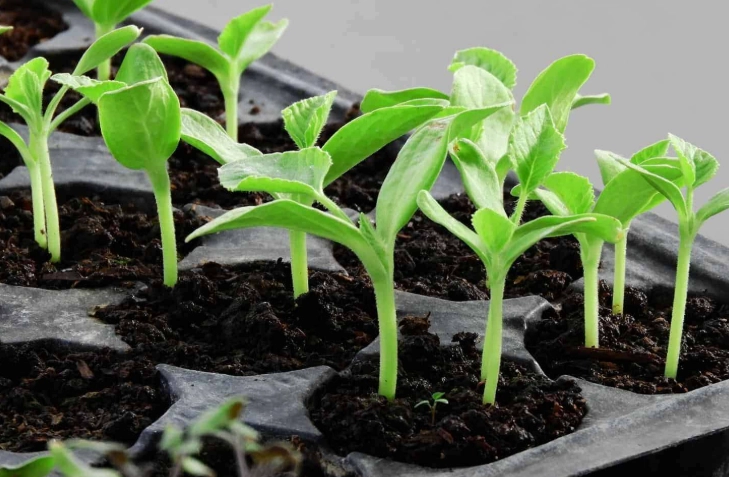
Getting Started: What You Really Need (And What You Don't)
Before you sow a single seed, let's get your setup straight. You don't need a lot of money, but you do need the right basics. The goal is to create a mini, perfect environment that mimics spring – moist, warm, and bright.
Seeds vs. Seedlings: The Eternal Question
Why bother learning how to grow seedlings yourself when you can buy them? Good question. For one, the variety. Nurseries carry maybe a dozen tomato types; seed catalogs offer hundreds. Want a purple Cherokee tomato or a lemon basil? You'll likely need to start from seed. It's also significantly cheaper. A packet of 50 seeds costs about the same as one started plant. But the real reason? The satisfaction. There's an undeniable magic in nurturing a plant from its very beginning.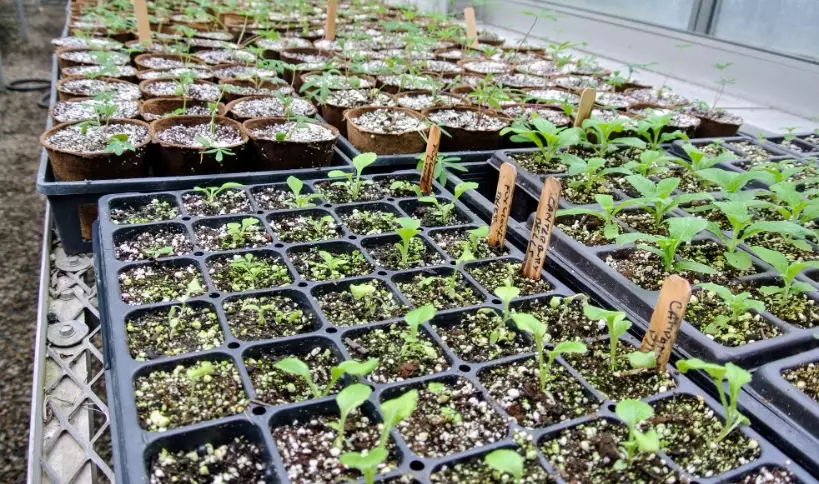
| Aspect | Starting from Seed | Buying Seedlings |
|---|---|---|
| Cost | Very low cost per plant. | Higher cost per plant. |
| Variety | Unlimited. Heirlooms, rare varieties, specific traits. | Limited to popular, commercial varieties. |
| Control | Full control over growing medium, water, and organic practices from day one. | Unknown history (pesticides, fertilizers used). |
| Timing | You control the schedule based on your last frost date. | Dependent on nursery schedule; may be too early or late. |
| Satisfaction | Immense. The full lifecycle experience. | Convenient, but less personal. |
The Non-Negotiable Shopping List
You can improvise a lot, but these items are core to learning how to grow seedlings successfully.
Containers: Anything with drainage holes. I've used egg cartons, newspaper pots, and plastic cell trays. The pros of proper seed trays are they're reusable, fit under humidity domes, and promote good air circulation. Yogurt cups work in a pinch – just poke holes in the bottom.
Growing Medium: This is critical. Do not use garden soil. It's too dense, may harbor pathogens, and compacts easily. Use a sterile, soilless seed-starting mix. It's light, fluffy, and holds moisture without getting soggy. Look for a mix with fine peat moss, vermiculite, and perlite. Some gardeners swear by coir (coconut fiber) pellets, which I find convenient but sometimes dry out too quickly on the edges.
Light: This is where most beginners fail. A sunny windowsill is rarely enough, especially in early spring. Seedlings need intense light, close to the source, for 14-16 hours a day. Without it, they become leggy – stretching desperately for light, becoming weak and spindly. A simple shop light with fluorescent or LED grow bulbs, hung just a few inches above the seedlings, is the single best investment you can make.
Heat: Most seeds germinate best in warm soil, around 70-80°F (21-27°C). A cool windowsill can be too cold. A seedling heat mat placed under your trays provides consistent bottom heat and can dramatically speed up germination. For tomatoes and peppers, it's almost essential.
The Step-by-Step Process of How to Grow Seedlings
Alright, you've got your gear. Let's get those seeds in the mix.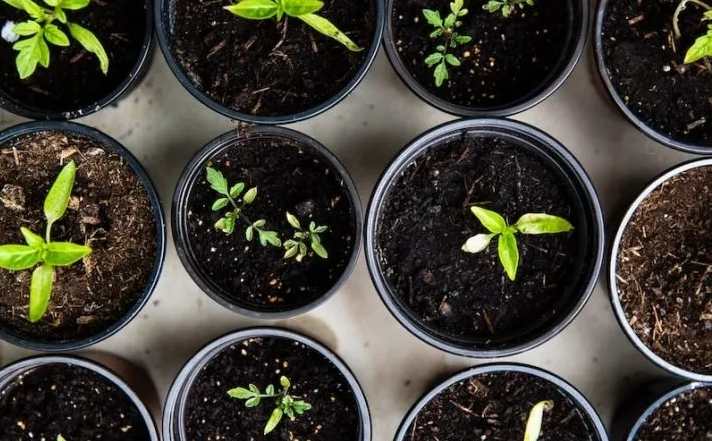
Step 1: Sowing Your Seeds
Moisten your seed-starting mix before you put it in the containers. It should feel like a wrung-out sponge – damp, not dripping. Fill your containers and gently firm the surface. Don't pack it down hard.
Now, check your seed packet. It will tell you the planting depth, usually expressed as a multiple of the seed's size. A good rule of thumb: plant seeds twice as deep as they are wide. Tiny seeds like lettuce or petunia need just a light dusting of mix on top, or simply pressed into the surface. Bigger seeds like beans or sunflowers go deeper.
Sow 2-3 seeds per cell if they're small. You'll thin them later. For larger seeds, one per cell is fine. Cover the seeds with the appropriate amount of mix, and gently water them in using a fine mister or a watering can with a rose attachment. You want to settle the soil around the seed without washing it away or creating a crater.
Cover the trays with a clear plastic dome or a sheet of plastic wrap. This creates a mini greenhouse, keeping humidity high so the seeds don't dry out. Place them on your heat mat if you're using one, and under your lights (turned on).
Step 2: The Germination Station & Early Care
Germination is the exciting part. Now, the priorities shift from warmth and moisture to light and air.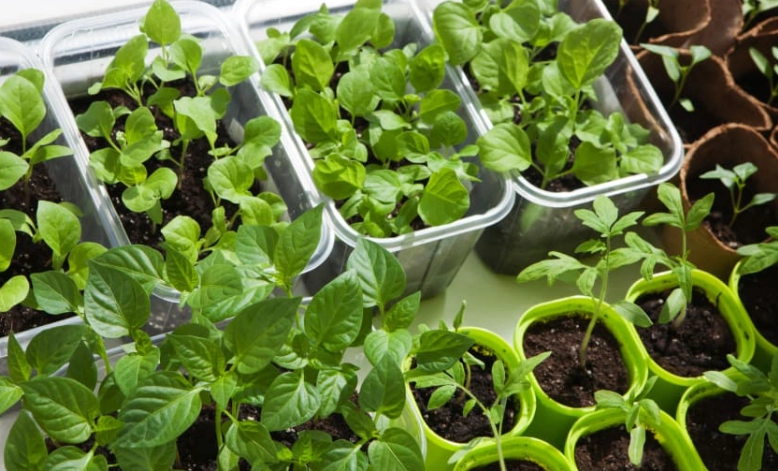
Lower your grow lights to within 2-3 inches of the soil surface. As the seedlings grow, keep raising the lights to maintain that gap. This forces them to grow stout and strong, not tall and weak. Run the lights for 14-16 hours a day. A simple timer is a lifesaver here.
Watering is a delicate dance. The goal is consistent, even moisture. Let the surface dry slightly between waterings, but don't let the entire plug dry out. I prefer bottom watering: placing the tray in a shallow dish of water and letting the soil wick moisture up from below. This encourages deep root growth and keeps the seedling stems dry, preventing rot. Top watering can disturb delicate seedlings and compact the soil.
Thinning is a sad but necessary step. If you have multiple seedlings in one cell, you need to choose the strongest one and snip the others off at the soil line with scissors. Don't pull them, as you'll disturb the roots of the keeper. It feels brutal, but it gives the remaining plant all the resources and space it needs.
Patience is key. Some seeds pop up in days, others take weeks.
Step 3: The Vegetative Growth Phase
Your seedlings have their first set of true leaves (the ones that look like the actual plant, not the initial seed leaves). Now they're in serious growth mode.
Feeding: The seed-starting mix has very few nutrients. Once the true leaves appear, it's time for a very dilute, balanced fertilizer. I use a half-strength liquid organic fertilizer, like fish emulsion or a balanced 5-5-5, once a week. More is not better. Over-fertilizing can burn tender roots and cause rapid, weak growth.
Air Flow: This is an often-overlooked secret for strong seedlings. Gentle air movement strengthens stems dramatically. A small oscillating fan set on low, blowing across the seedlings (not directly at them), simulates a breeze and makes them build sturdy cell walls. It also helps keep fungal issues at bay by reducing stagnant, humid air.
Potting Up: If you started in small cells, roots will eventually fill the space and become "root-bound." Before that happens, you need to transplant them into larger containers. Gently lift the seedling by a leaf (never the stem), place it in a pot filled with a slightly richer potting mix (not seed-starting mix), and water it in well. This gives the roots room to expand and builds a larger, more robust plant for transplanting outdoors.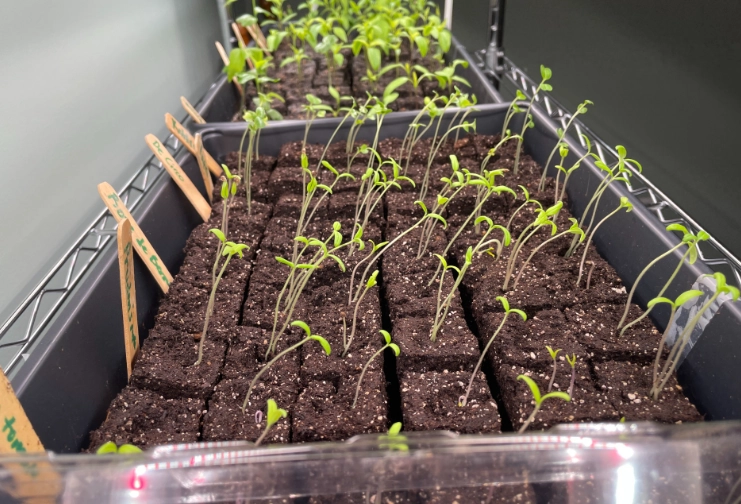
The Grand Finale: Hardening Off and Transplanting
This is the most dangerous part of the journey. You can't just take your pampered, indoor seedlings and plop them into the garden. The sun, wind, and temperature swings will shock or kill them. They need a gentle introduction, a process called "hardening off."
When transplanting, choose a cloudy afternoon or evening to minimize transplant shock. Water the seedlings well in their pots. Dig a hole slightly larger than the root ball. Gently remove the plant, tease the roots apart if they're circling (a technique that, according to the University of Maryland Extension, encourages outward root growth source), and place it in the hole. Plant it slightly deeper than it was in the pot (for tomatoes, you can plant them very deep, as they root along the buried stem). Firm the soil around it, water deeply, and maybe add a mulch layer to retain moisture.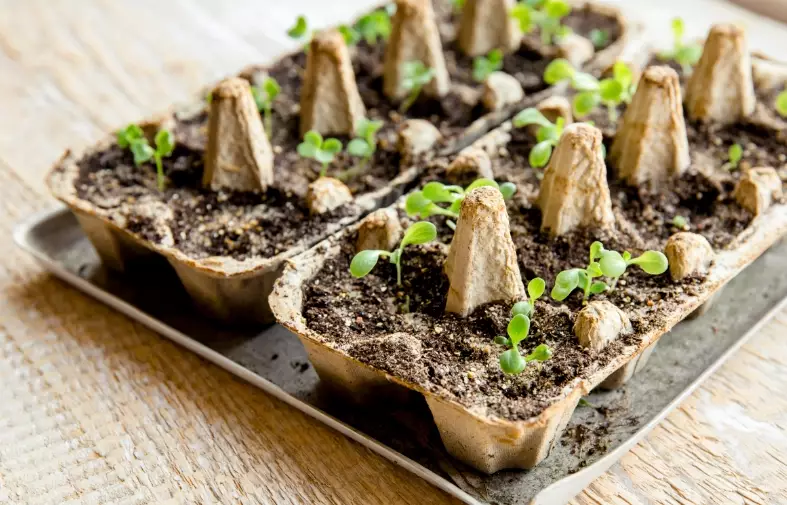
Troubleshooting: Solving Common Seedling Problems
Things will go wrong. It's part of learning how to grow seedlings. Here's how to diagnose and fix the most common issues.
Sometimes, the issue is environmental. The USDA's plant hardiness zone map is a great resource to check if you're starting your seeds at the right time for your area source. Starting too early means you'll have overgrown, stressed seedlings by the time the weather is right.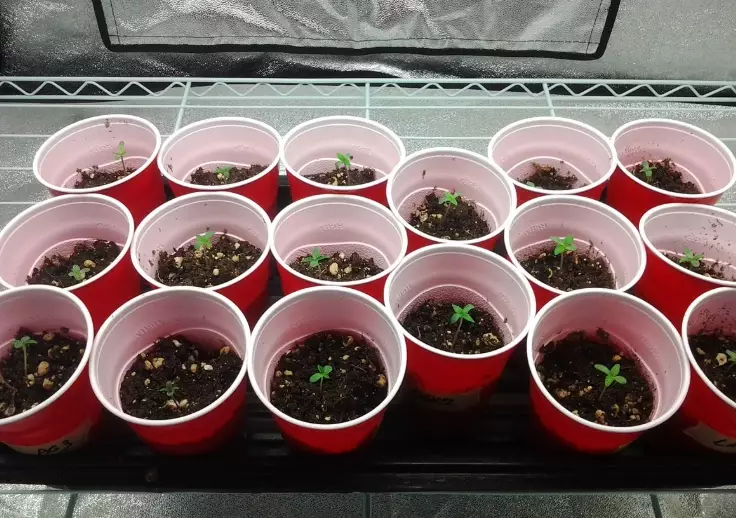
Advanced Tips for the Committed Grower
Once you've mastered the basics of how to grow seedlings, you can play with techniques that give you even better results.
Soil Blocking: This is a game-changer. You use a tool to compress moist soil mix into freestanding cubes. Seedlings are sown directly into the block. The big advantage? No transplant shock from pots. When roots hit the edge of the block, they air-prune instead of circling, creating a dense, healthy root ball. It takes a bit of practice to get the mix consistency right, but many gardeners swear by it.
Understanding Photoperiod: Some plants, like many flowers (e.g., chrysanthemums, poinsettias) and some vegetables, are sensitive to day length for flowering. Starting them at the wrong time can mean they flower too early (bolt) or not at all. Research if your plants are "long-day" or "short-day" to time your sowing correctly.
The Forgotten Factor: Water Temperature. Icing your seedlings with cold tap water can shock their roots. Let your watering can sit to reach room temperature, especially in cooler climates.
The process of how to grow seedlings is a blend of simple principles and attentive care. It's about providing the right conditions and then getting out of the way. There's no single "right" way, only what works for you, in your space, with your plants. Start small. Grow a few herbs or a couple of tomato plants. Learn their rhythms. The mistakes are just as important as the successes – they're what make you a better gardener.
Before you know it, you'll have a windowsill or a shelf full of vibrant, green life, all from a handful of seeds. And when you finally harvest that first tomato or cut that first bouquet, you'll appreciate it so much more, because you were there from the very, very beginning.
Reader Comments