In This Guide
- Why Bother Growing Your Own Asparagus?
- Getting Started: Choosing Your Asparagus Plant Type
- The Non-Negotiable: Planting Your Asparagus Crowns Correctly
- The Long Game: Caring for Your Asparagus Bed
- Harvesting and Storing Your Bounty
- Common Problems (And How to Solve Them)
- From Garden to Table: Simple Ways to Enjoy Your Harvest
- Your Asparagus Plant Questions, Answered
- Wrapping It Up
Let's talk about the asparagus plant. Honestly, it's one of those things in the garden that feels like a real commitment. You don't just toss some seeds in the ground and get a salad next week. Nope. Planting asparagus is like starting a relationship you hope will last for twenty, maybe twenty-five years. That's how long a well-cared-for asparagus crown can keep producing. It's a perennial powerhouse, and once it's settled in, it's incredibly low-maintenance. But the upfront work? That's where most people get tripped up.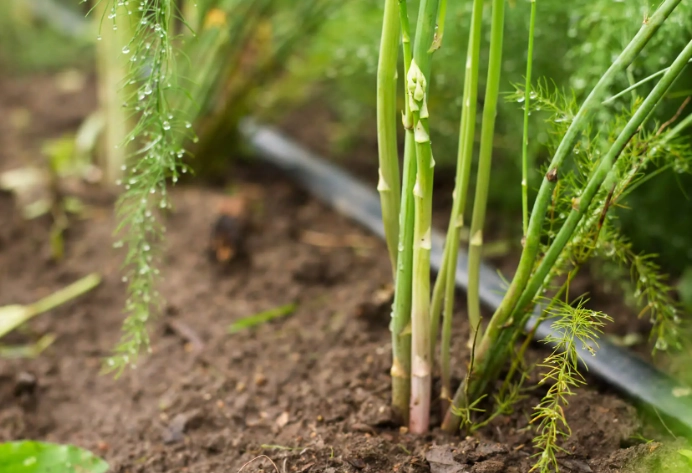
I remember my first attempt. I bought some sad-looking crowns from a big-box store, dug a shallow trench, and basically hoped for the best. I got a few wispy spears the next year and then nothing. I'd messed up the soil, the depth, everything. It was a lesson learned the hard way. So, I'm writing this guide to save you from that frustration. We'll go through the whole journey, from picking the right variety to finally steaming those first homegrown spears. It's not complicated, but you need to know the rules of the game.
Why Bother Growing Your Own Asparagus?
You can buy asparagus at the store, right? Sure. But have you ever tasted asparagus that was snapped off the plant and cooked within the hour? The flavor is shockingly different—sweeter, more intense, and without that sometimes woody texture. Store-bought spears have often traveled for days. Homegrown asparagus is a seasonal delicacy you simply can't buy.
Then there's the economics. A packet of seeds or a bundle of crowns is a one-time investment for decades of harvests. After the initial three-year establishment period where you mostly let the plant grow, you're looking at 6-8 weeks of harvesting every single spring. It becomes a reliable, delicious marker of the season. You're also in control. You choose if you want to grow heirloom purple varieties, super-thick jumbo spears, or all-male hybrids that yield more. No pesticides unless you decide to use them.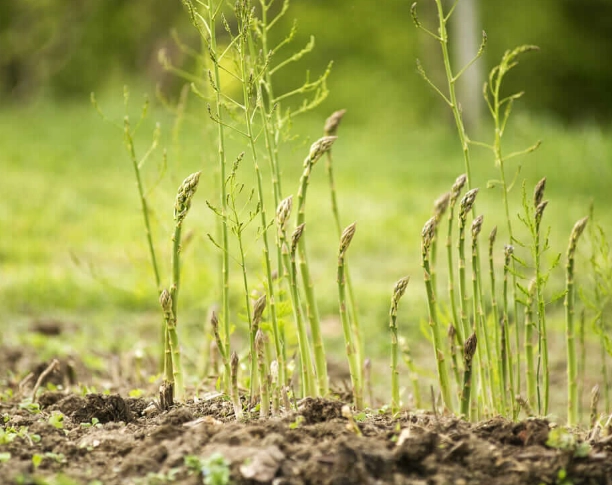
It's the ultimate payoff for a little patience.
Getting Started: Choosing Your Asparagus Plant Type
This is your first big decision, and it matters. You're not just planting "asparagus"; you're choosing a specific cultivar with its own personality.
Crowns vs. Seeds
Most home gardeners start with crowns. These are the dormant, one-year-old root systems of the asparagus plant. They look like a creepy, octopus-like tangle of roots with some dried-out nubs on top (those were last year's spears). Starting with crowns gives you a one-year head start over seeds. You'll get a light harvest a year sooner. They're easier to find at garden centers in spring.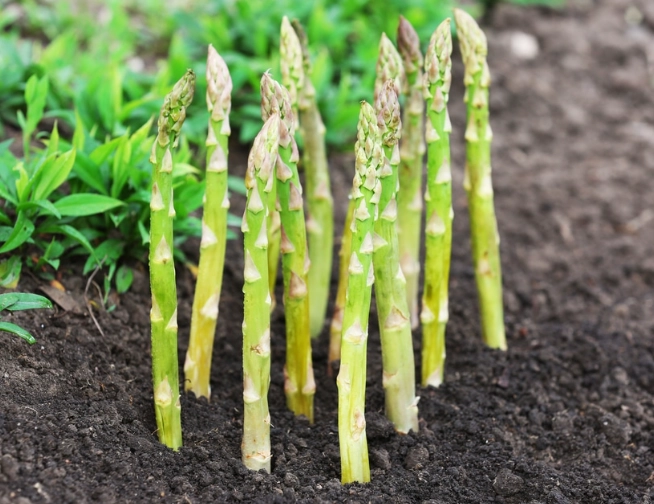
Starting from seed is cheaper and gives you access to a wider variety of cultivars. But it adds a full year to your timeline. You'll sow the seeds, grow little ferny seedlings for a full season, then transplant them to their permanent bed the following spring. From there, the three-year countdown begins. I've done both. For a beginner, I'd recommend crowns to see results faster and keep motivation high.
Popular Asparagus Varieties to Consider
Not all asparagus plants are created equal. Here’s a quick breakdown of the top contenders you’ll see recommended.
| Variety Name | Type/Color | Key Characteristics | Best For |
|---|---|---|---|
| Jersey Knight | Green (All-Male Hybrid) | Extremely cold-hardy, high yield, good disease resistance. Thick spears. | Cold climates, gardeners wanting maximum production. |
| Jersey Giant | Green (All-Male Hybrid) | Another high-yielder, early producer. Tolerates heavier soils fairly well. | Reliable performance for most home gardens. |
| Mary Washington | Green (Heirloom) | The classic heirloom. Good flavor, reliable. Produces both male and female plants. | Gardeners who want to save seeds, traditionalists. |
| Purple Passion | Purple | Stunning purple spears that turn green when cooked. Noticeably sweeter and more tender. | Something unique, eating raw in salads, superior sweetness. |
| Apollo | Green (Hybrid) | Early to produce, uniform spears, excellent disease resistance. A consistent performer. | Warm climates, areas with disease pressure. |
My personal favorite is a mix. I planted a row of 'Jersey Knight' for bulk harvest and a few 'Purple Passion' plants for those special meals. The purple ones are so sweet you can eat them raw right in the garden—my kids love that.
Why do you see so many "Jersey" varieties? They were developed by Rutgers University in New Jersey to be all-male. Female asparagus plants waste energy producing seeds (those little red berries you see on the ferns in fall), which reduces spear production. All-male hybrids like Jersey Knight channel all their energy into making more and bigger spears for you. It's a smart choice for yield.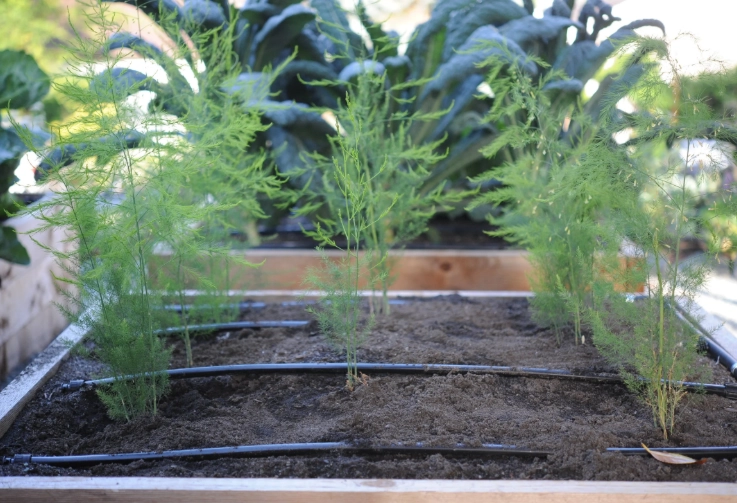
The Non-Negotiable: Planting Your Asparagus Crowns Correctly
This is the make-or-break step. Do it right, and you're set for decades. Rush it, and you'll have a weak patch that never thrives.
Step-by-Step Planting Guide
- Site Selection is Forever: Pick a spot with full sun (at least 8 hours). This is non-negotiable for good production. The area should have excellent drainage. Asparagus hates "wet feet." If your soil is heavy clay, you'll need to amend it heavily or consider a raised bed.
- Soil Prep is Key: This is where I failed the first time. Don't be me. Asparagus is a heavy feeder that will live here for 20+ years. You need to enrich the soil deeply. Dig a trench that's about 12-14 inches deep and 12 inches wide. For every 10 feet of trench, mix into the excavated soil:
- Several inches of well-rotted compost or aged manure.
- A generous handful of a balanced organic fertilizer (look for something like a 5-10-10).
- If your soil is acidic (below pH 6.5), add some garden lime according to package directions. They prefer slightly alkaline soil (pH 6.5-7.5).
- The Trench Method: Put about 4-6 inches of your enriched soil mix back in the bottom of the trench and form it into little mounds, about 18 inches apart. Drape the asparagus crown over the mound so its roots cascade down the sides. The bud (the pointy end) should be facing up.
- Depth Matters: This is critical. The top of the crown (where the buds are) should sit about 6-8 inches below the final soil surface. Yes, that deep. Cover the crowns with just 2-3 inches of your soil mix. Water well.
- The Gradual Fill-In: As the shoots begin to grow over the next few weeks, gradually add more soil to the trench, a couple of inches at a time. By the end of the season, the trench should be filled level with the surrounding soil. This gradual covering supports the emerging spears and strengthens the plant.
The Long Game: Caring for Your Asparagus Bed
For the first two years, your job is to be a nurturer, not a harvester. You're building the plant's strength.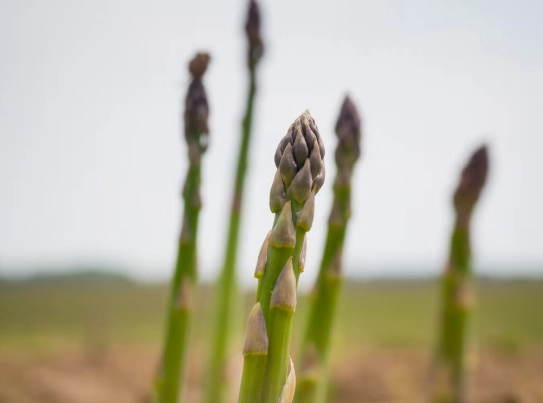
Year 1 & 2: The Establishment Phase
Let every single spear grow into a tall, feathery fern. Don't pick any! I know it's tempting when you see that first perfect spear, but resist. These ferns are the engine room. Through photosynthesis, they create energy that gets sent down to the crown to build up reserves for future harvests.
Water deeply during dry spells, about 1-2 inches per week. A soaker hose is perfect. Keep the bed weed-free. Weeds compete fiercely with the young asparagus roots for nutrients and water. Mulch heavily with straw or shredded leaves to suppress weeds and retain moisture.
In late fall, after the ferns have turned completely yellow or brown, you can cut them down to about 2 inches above the ground. I usually wait until after a few hard frosts. Some gardeners leave them until early spring as winter protection; both methods work.
Year 3 Onward: Maintenance Mode
In the third spring, you can start a light harvest for about 2-3 weeks. Only take spears that are thicker than a pencil. Still let plenty grow into ferns.
By year four, you're in full production. The harvest season typically lasts 6-8 weeks. Stop harvesting when the new spears coming up are mostly pencil-thin or smaller. That's the plant's signal that its energy reserves are getting low, and it's time to grow ferns again.
Harvesting and Storing Your Bounty
Harvesting asparagus is simple but has a trick. Don't cut it with a knife at soil level. This can damage emerging spears you can't see. Instead, grasp the spear firmly and snap it. It will break naturally at the point where the tender part meets the tough, woody part. This is usually a few inches below the soil surface.
Snap, don't slice.
Harvest every day or every other day during peak season. Spears grow incredibly fast when the weather is warm. Miss a day, and you might have a 10-inch tall spear that's starting to open at the tip.
Freshness is everything. Eat them the day you pick them for the best flavor. If you must store, stand them upright in a jar with an inch of water in the fridge (like flowers) and cover loosely with a plastic bag. They'll keep for a few days this way.
Common Problems (And How to Solve Them)
Honestly, a well-sited, well-planted asparagus plant is pretty trouble-free. But here are the usual suspects.
- Asparagus Beetles: These are the most common pest. You'll see small, blue-black beetles with cream spots or their ugly, slug-like larvae on the ferns. They chew on the spears and ferns. For a small patch, the best control is hand-picking. Knock them into a bucket of soapy water. In severe cases, you can use neem oil or spinosad on the ferns (never on spears you're about to harvest). The good news? Healthy plants can tolerate quite a bit of beetle damage.
- Rust (a fungal disease): Shows up as orange-red pustules on the ferns. It's more common in humid areas. Prevention is key: ensure good air circulation by not overcrowding plants, and water at the base, not on the foliage. Removing old fern debris in fall helps break the disease cycle. Resistant varieties like 'Jersey' series are a good choice if rust is a known issue in your area.
- Weak, Spindly Spears: This usually points back to a problem during establishment: harvesting too early/too long, poor soil fertility, overcrowding, or insufficient sunlight. Go back to basics—feed the bed well and be disciplined about the harvest end date.
From Garden to Table: Simple Ways to Enjoy Your Harvest
You've waited years for this. Don't overcomplicate it. The best way to taste the pure flavor of your homegrown asparagus is to steam or roast it.
My go-to method: Toss spears with a little olive oil, salt, and pepper. Roast in a 425°F (220°C) oven for 10-15 minutes until tender and slightly caramelized at the tips. A squeeze of lemon juice at the end is perfect.
They're also incredible on the grill, added to frittatas, or simply blanched and added to pasta. That earthy, sweet, green flavor is the taste of spring itself.
Your Asparagus Plant Questions, Answered
Wrapping It Up
Growing asparagus is a testament to patience and a little bit of faith. You put in the work today for harvests years down the line. But once that first proper spring arrives and you're snapping thick, juicy spears from your own bed, you'll realize it was worth every minute of waiting. You're not just growing a vegetable; you're establishing a perennial fixture in your garden ecosystem.
Start with good soil, plant deep, be patient during the establishment, and your asparagus plant will reward you with a delicious, reliable harvest every spring for longer than some pets live. Now that's a return on investment.
For even more detailed botanical information and a comprehensive list of cultivars, you can always refer to authoritative databases like the one maintained by the USDA Plants Database for Asparagus officinalis. And for top-tier, research-based gardening advice that follows best practices, the Royal Horticultural Society's guide is a fantastic global resource.
Reader Comments