Your Quick Guide to Cover Crops
- What Exactly Are Cover Crops? (It's Simpler Than You Think)
- Why Bother? The Real, Tangible Benefits of Planting Cover Crops
- Choosing Your Green Team: A Guide to the Best Cover Crops
- The Nuts and Bolts: How to Actually Plant and Manage Cover Crops
- Answering Your Burning Questions About Planting Cover Crops
- Getting Started: Your First Steps
Let's talk dirt. Not gossip, but the actual stuff under your feet. If you've ever felt like your garden soil is just... tired, or watched your farm field turn to dust or mud, you're not alone. I've been there. That feeling of pouring more fertilizer, more water, more everything in, and getting less back.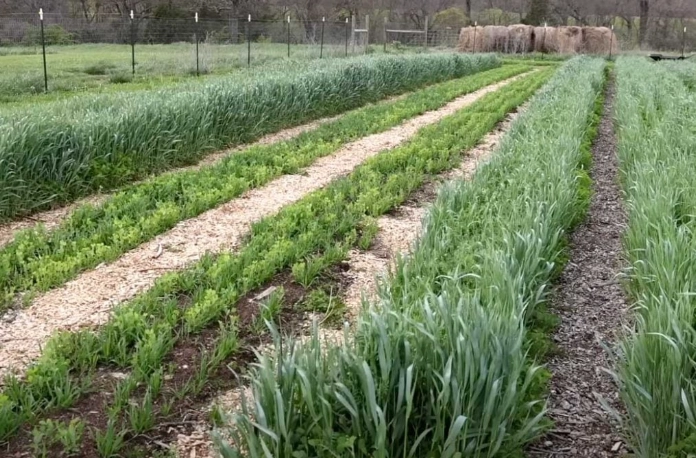
What if there was a way to work with nature, not against it, to rebuild that foundation? That's where the magic of planting cover crops comes in. It's not a new fad—farmers have been doing versions of this for centuries—but it feels like we're finally rediscovering just how powerful it can be.
This isn't about a quick fix. It's about a fundamental shift in how we think about the land. We're not just growing plants on the soil; we're growing plants for the soil. The difference is huge.
What Exactly Are Cover Crops? (It's Simpler Than You Think)
Okay, first things first. A cover crop is a plant you grow primarily to benefit the soil, not to harvest for direct sale or eating. Think of them as a living mulch, a green blanket, and a soil rehab team all rolled into one. You plant them during times when the ground would otherwise be bare—after you've harvested your tomatoes in the fall, or in between rows of corn during the growing season.
Their job isn't to produce fruit. Their job is to protect, feed, and improve.
I remember the first time I tried planting cover crops in my backyard garden. I had just pulled up all my summer beans, and the bed looked sad and exposed. My neighbor saw me scattering these tiny clover seeds and asked if I was planting grass. I tried to explain, but it sounded complicated. A few months later, that same bed was a lush green carpet. No weeds. And the next spring, when I dug in to plant, the soil was darker, crumblier, and absolutely full of worms. That's when it clicked for me.
Cover crops aren't a single plant. They're a category, and the type you choose depends entirely on what you want them to do for you.
Why Bother? The Real, Tangible Benefits of Planting Cover Crops
This is the good stuff. The "why" that makes all the effort worthwhile. The benefits of planting cover crops stack up in ways that directly impact your bottom line, whether you're a backyard gardener or managing hundreds of acres.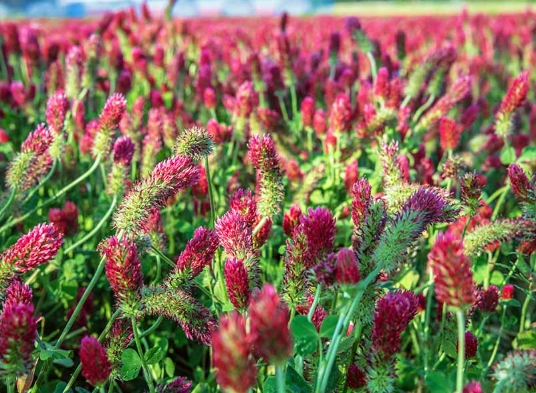
Building Soil Structure from the Ground Up
Modern farming and gardening can be hard on soil. Tilling breaks it up, heavy rain compacts it, and leaving it bare lets the sun and wind bake and blow it away. It loses its structure—that nice, loose, airy quality that lets roots breathe and water soak in.
Cover crop roots are the ultimate soil engineers. Grasses like rye or oats have dense, fibrous root systems that act like a million tiny fingers, binding soil particles together into stable aggregates. This creates pore spaces for air and water. Legumes like clover or vetch have taproots that drill down, breaking up hardpan layers and bringing up nutrients from deep in the subsoil.
The result? Soil that doesn't turn to concrete when it's dry or soup when it's wet. I've seen fields where consistent planting of cover crops has completely eliminated the need for deep tillage to break up compaction. The roots did the work for free.
A Free Lunch of Nitrogen (and More)
This one blows people's minds. Legume cover crops—clover, peas, beans, vetch—have a superpower. They form a symbiotic relationship with bacteria called rhizobia in the soil. These bacteria take nitrogen from the air (which is 78% nitrogen, just sitting there!) and "fix" it into a form the plant can use. It's like having tiny, natural fertilizer factories on every root.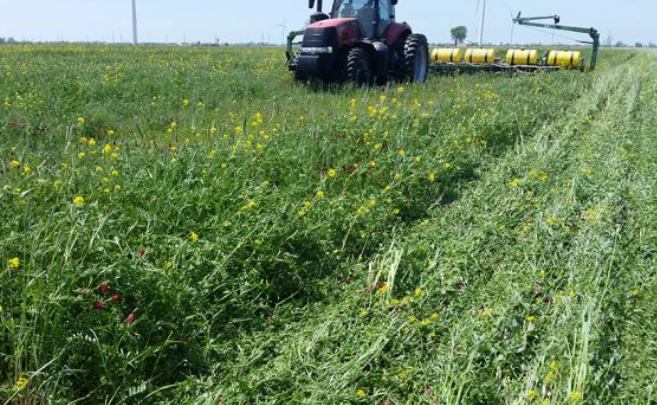
When you terminate the cover crop and it decomposes, that nitrogen becomes available for your next cash crop. The Sustainable Agriculture Research and Education (SARE) program has documented that a good stand of legume cover crops can provide the equivalent of 50 to 150 pounds of nitrogen per acre for the following crop. That's real money saved on synthetic fertilizer.
But it's not just nitrogen. The decaying plant matter adds organic matter, which is the lifeblood of soil. It feeds the microbial life—the bacteria, fungi, and protozoa that are the true engine of a healthy ecosystem. More organic matter means better water retention, improved nutrient cycling, and a buffer against pH swings.
Weed Suppression: Let Them Do the Weeding
Weeds are opportunists. They thrive on bare, disturbed soil. A thick, vigorous cover crop simply out-competes them for space, light, and nutrients. It's that simple. Some, like cereal rye, even release natural chemicals (allelopathy) that can inhibit the germination of small-seeded weeds like lambsquarters and pigweed.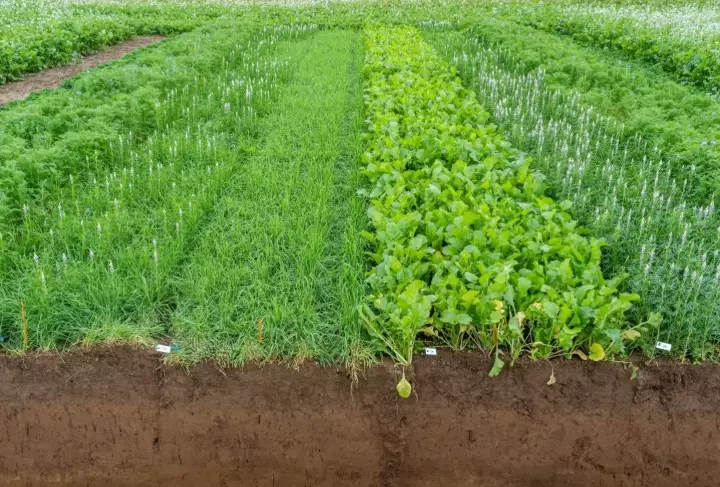
This is a huge one for reducing herbicide use and labor costs. I've walked through fields with a rye cover crop in early spring, and the ground underneath is clean. It's a beautiful sight. You're not just preventing weeds for a season; you're reducing the weed seed bank in the soil for years to come.
More Benefits in Your Pocket
The list goes on. A living cover crop:
- Prevents Erosion: Its leaves break the force of rain, and its roots hold soil in place. The USDA's Natural Resources Conservation Service (NRCS) heavily promotes cover crops for this very reason, especially on sloped land.
- Manages Moisture: Acts like a sponge, soaking up excess water in spring and fall, and shading the soil to reduce evaporation in summer.
- Breaks Pest & Disease Cycles: A different plant family interrupts the life cycle of pests and pathogens that target your main crops.
- Provides Habitat: Flowers from buckwheat or clover attract pollinators and beneficial insects that prey on pests.
See what I mean? It's a system, not a single trick.
Choosing Your Green Team: A Guide to the Best Cover Crops
This is where most people get stuck. There are so many options! The key is to match the plant to your primary goal and your specific conditions. Asking "what's the best cover crop?" is like asking "what's the best tool?" It depends on the job.
Here’s a breakdown of the all-stars, based on what you need them to do.
| Cover Crop Type | Best For... | Key Traits & Tips | Potential Downsides |
|---|---|---|---|
| Cereal Rye | Weed suppression, erosion control, adding biomass. | Extremely cold-tolerant, grows late into fall and starts early in spring. Great allelopathic effect. Produces a ton of organic matter. | Can be too aggressive. If let go to seed, it becomes a weed. Tough residue can be hard to manage for small-scale planters. |
| Hairy Vetch | Fixing nitrogen for heavy feeders like tomatoes or corn. | A nitrogen-fixing powerhouse. Winter-kills in many zones, leaving a nice mulch. Vines can provide ground cover. | Can be slow to establish. Seed is expensive. Can become a tangle if not managed. |
| Crimson Clover | Nitrogen fixation, attracting pollinators, beautification. | Beautiful red flowers that bees love. Establishes easily. Tolerates a range of soils. Winter-kills in cold climates. | Doesn't produce as much biomass as grasses. Not as good for heavy weed competition. |
| Buckwheat | Quick summer cover, weed smothering, attracting beneficials. | The "speed demon." Germinates in days, flowers in 4-6 weeks. Excellent for breaking up hard soil. Great for pollinators. | Very frost-sensitive. Dies at first frost. Can self-seed prolifically if allowed to go to seed. |
| Oats | Easy starter crop, erosion control, winter-kill mulch. | Cheap, easy to find, and very easy to establish. Winter-kills in most zones, leaving a protective mat that's easy to plant into in spring. | Doesn't fix nitrogen. Less biomass than rye. Won't provide spring growth. |
| Daikon Radish | Biological tillage (breaking compaction), nutrient scavenging. | That huge taproot drills through hardpans like a drill bit. Pulls up nutrients from deep down. Winter-kills, leaving decaying root channels for water and future roots. | Doesn't provide much ground cover early on. Can attract flea beetles. |
My personal favorite for a garden is often a mix. I'll do oats and hairy vetch together in the fall. The oats come up fast, providing quick cover and support for the vetch. The vetch then fixes nitrogen over the winter. In spring, the oats are dead and the vetch is lush. It's a perfect partnership.
The Nuts and Bolts: How to Actually Plant and Manage Cover Crops
Alright, theory is great, but let's get our hands dirty. How do you actually go about planting cover crops successfully?
Timing is Everything
This is the most common mistake—planting too late. Cover crops need time to establish before harsh weather (cold or heat) sets in. A general rule: plant at least 4-6 weeks before your first expected hard frost for fall/winter covers. For summer covers, plant as soon as a bed is free.
I messed this up my first year. I planted winter rye in late October. It sprouted, put on about an inch of growth, and then just... sat there all winter. It didn't die, but it didn't do much either. The following fall, I planted the same seed in mid-September. By the time frost hit, it was 8 inches tall and dense. The difference was night and day.
Seedbed Prep and Seeding
You don't need a perfectly clean, fine seedbed like you do for carrots. A rough, firm surface is often better. You can broadcast seed by hand for small areas—just scatter it evenly and then lightly rake it in or walk over it to ensure good soil contact. For larger areas, a broadcast spreader or even a drill seeder is worth it.
Seeding rate matters. Too thin, and you won't get good coverage. Too thick, and you're wasting money and the plants might compete with each other. Check the recommended rate on the seed bag or from your supplier—it's usually given in pounds per 1,000 square feet or per acre.
Water it in if the soil is dry. Then, let nature do its thing.
The "Termination" Talk: How to End the Cover Crop
This is the other big question: how do you get rid of it to plant your next crop? The method depends on the cover crop, your scale, and your tools.
- Mowing/Crimping: For grasses that are heading out (flowering), mowing or using a roller-crimper can kill them. This leaves a thick mulch on the surface, perfect for no-till planting.
- Tilling: The old-school method. Simply till the green plants into the soil. This works but can negate some of the soil structure benefits. Do it 2-4 weeks before you want to plant your next crop to allow for decomposition.
- Winter Kill: The easy button. Crops like oats, radishes, and some clovers are killed by hard frosts. They leave a dead mat that's super easy to plant into in spring.
- Herbicide: For large-scale farmers, a targeted herbicide application is a common and effective termination method. This is a personal choice based on your management system.
Fitting It Into Your Rotation
Think of cover crops as a integral part of your crop rotation, not an add-on. A simple garden rotation might look like: Spring Peas (harvested) -> Summer Buckwheat (planted immediately after pea harvest) -> Fall & Winter Rye/Vetch Mix -> Next Spring, plant tomatoes into the terminated mulch.
You're always keeping something living on the soil. That's the golden rule.
Answering Your Burning Questions About Planting Cover Crops
Won't cover crops compete with my main crop for water and nutrients?
This is a smart concern. The key is proper termination timing. If you kill the cover crop 2-4 weeks before planting your cash crop, the decomposing cover crop will actually release nutrients and help retain moisture for the new seedlings. It becomes a resource, not a competitor. The living cover crop phase and the cash crop phase are separate in time.
I have a tiny backyard garden. Is this overkill?
Not at all! In some ways, it's easier. A single 4x8 bed is a perfect place to experiment. Plant one bed with a cover crop this fall and leave another bare. Compare the soil and weed pressure next spring. The difference in a small space can be dramatic and convincing. You only need a handful of seeds.
Do cover crops attract pests or diseases?
They can, but usually, they do the opposite by breaking cycles. However, it's good to be aware. For example, if you have a major problem with aphids that love legumes, a legume cover crop could harbor them. That's why rotating plant families (not following peas with a vetch cover, then peas again) is important. Overall, the benefit of increased biodiversity and beneficial insect habitat far outweighs the small risk.
Where do I buy the seeds?
Local farm supply stores often carry common cover crop seeds like rye, oats, and clover. For more variety or specific mixes, online retailers like Johnny's Selected Seeds or Peaceful Valley Farm & Garden Supply have excellent selections and great growing information. Don't use old, leftover lawn grass seed—it often contains perennial grasses that will become weeds.
Getting Started: Your First Steps
Feeling overwhelmed? Don't be. Start simple.
For the Gardener: This fall, after you pull your last vegetables, buy a bag of winter rye or an oat/pea mix. Rough up the soil, broadcast the seed, rake it in, and water. Let it grow until spring. Then, mow it down or cut it at the base when it's about knee-high, lay the cuttings on the bed as mulch, and plant your transplants right into it. That's it. You've just planted your first cover crop.
For the Farmer: Pick one field, maybe a problem area with erosion or low organic matter. After wheat harvest or before corn, plant a simple mix of radishes and oats. See what happens. Monitor soil moisture, weed pressure, and the ease of planting next spring. The USDA's NRCS often has cost-share programs to help farmers try cover crops for the first time—it's worth checking out.
Planting cover crops is an investment. You invest a little money in seed and a little time in management. The return is paid back over seasons and years: in reduced fertilizer bills, lower weed control costs, less irrigation, and ultimately, more resilient, productive land.
It's about working smarter, not harder. Letting biology do the heavy lifting. Once you see that dark, crumbly, worm-filled soil where your cover crop was, you'll never want to leave ground bare again.
Reader Comments