Your Quick Harvest Guide
- Why Timing is Everything for Flavor and Texture
- How to Tell When Your Lettuce is Ready: The Visual and Tactile Checklist
- The Harvest Timing Table: A Quick-Reference Guide
- The Step-by-Step Harvest Process: Doing It Right
- What to Do After You Harvest
- Common Questions About When to Harvest Lettuce
- Seasonal and Environmental Factors
- Troubleshooting: Signs You Waited Too Long (or Not Long Enough)
You've nurtured those little seeds or seedlings, watered them, maybe even talked to them on a sunny afternoon. Now they're a lush patch of green in your garden, and the big question hits you: is it time? Picking lettuce at the wrong moment is, in my experience, one of the easiest ways to feel a bit disappointed. Harvest too early, and you get a meager handful of thin leaves. Harvest too late, and you're chewing on a bitter, tough, or woody stem. The sweet spot, though? That's magic. The leaves are crisp, sweet, and packed with flavor you just can't buy.
Figuring out when to harvest lettuce isn't about marking a date on the calendar. It's a conversation with the plant. It's about reading the signs it gives you. This guide is going to walk you through all of it, from the obvious visual cues to the little tricks that make all the difference between a good harvest and a great one. We'll cover everything from looseleaf to crisphead varieties, because a Butterhead doesn't tell you it's ready in the same way a Romaine does.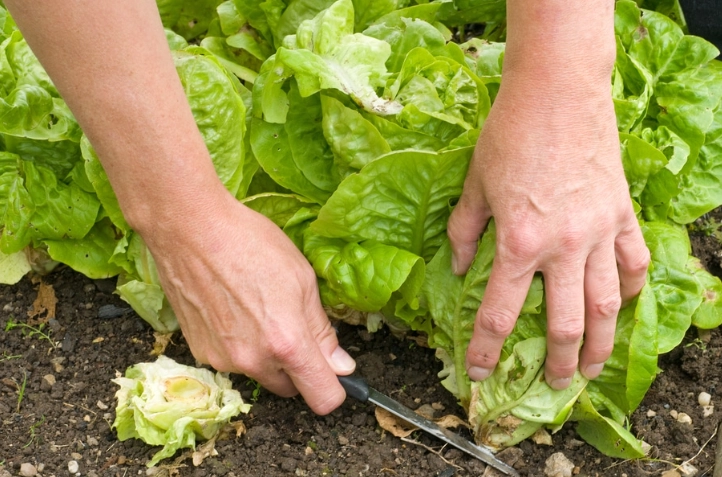
Let's get straight into the heart of it.
Why Timing is Everything for Flavor and Texture
You wouldn't pick a tomato when it's green, right? Lettuce has its own ripeness window. The goal is to catch it when the leaves have reached their full size and juiciness but before they start to decline. The central idea behind learning when to harvest lettuce is to maximize two things: yield and taste. A perfectly timed harvest gives you the most food from your plant with the best possible eating quality.
Harvest in the cool of the morning, and the leaves are plump with overnight moisture, crisp and full of life. Harvest in the hot afternoon sun, and they're often limp, stressed, and can wilt before you even get them inside. That's not just a old wives' tale; it's plant physiology. The cooler temperatures help the lettuce retain its cellular structure and sugars.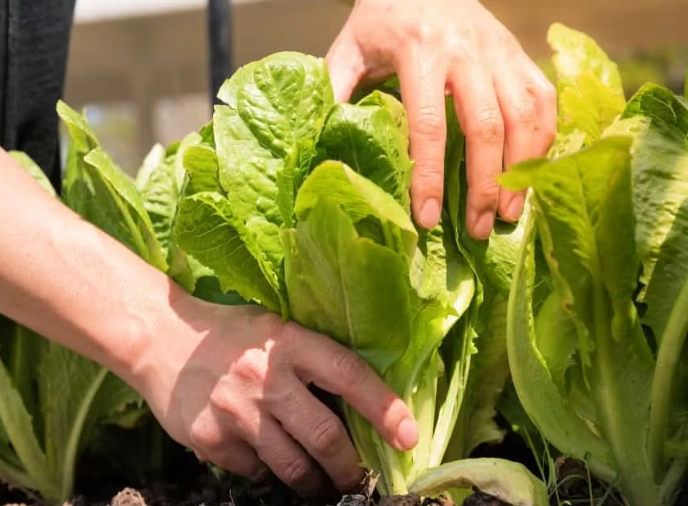
I learned this the hard way my first season. I got busy one Saturday and didn't get to the garden until noon. The lettuce looked okay, but by the time I washed it, it had the sad, wilty texture of something that had been in the fridge for a week. Never again.
How to Tell When Your Lettuce is Ready: The Visual and Tactile Checklist
Forget the days-to-maturity on the seed packet as a strict deadline. Use it as a guideline, but let the plant be your final guide. Here’s what you’re looking for, broken down by type.
For Looseleaf Lettuce (Cut-and-Come-Again)
This is the easiest and most forgiving for beginners wondering when to harvest lettuce. You're not waiting for a head to form. You can start harvesting as soon as the leaves are a size you find useful, usually about 3 to 4 inches long.
- The Look: The plant forms a loose bunch of leaves. The outer leaves are the largest and mature first.
- The Touch: Leaves feel firm and turgid, not thin or floppy.
- The Method: Snip or pinch off the outer leaves about an inch above the base, allowing the tiny inner leaves to keep growing. You can also cut the entire plant about an inch above the soil, and it will often regrow for a second, smaller harvest.
Really, with looseleaf, you can't go too wrong. If you take a few leaves too early, more will grow. It's the perfect practice plant.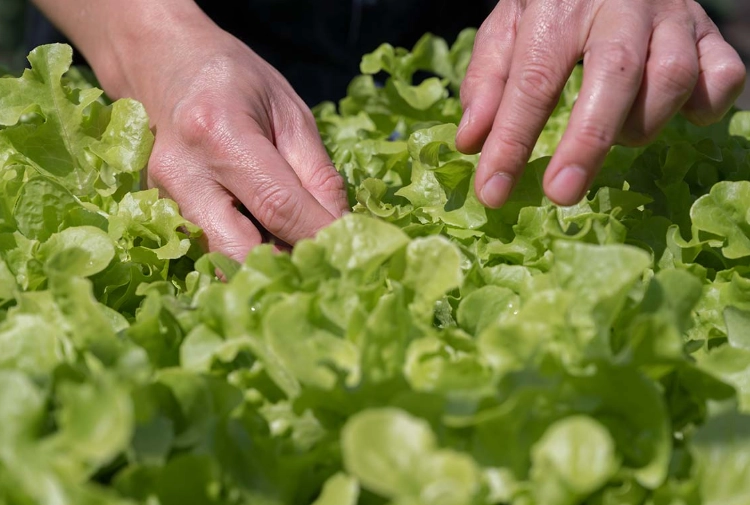
For Romaine (Cos) and Butterhead (Bibb, Boston) Lettuce
These varieties form a central, self-wrapping head, but it's not as hard as an iceberg. You're looking for a firm, developed heart.
- The Look: The leaves have curled inward to form a loose, cup-like shape. For Romaine, the head should be tall and elongated with sturdy ribs. For Butterhead, it should look like a soft, green rose. The outer leaves may start to spread out slightly when it's nearing prime time.
- The Touch: Gently squeeze the head. It should feel solid and resistant, with a slight give—not tight as a rock, not loose and airy. The leaves in the center should feel densely packed.
- The Size: A mature head is usually 6-10 inches across for Butterhead and 10-12 inches tall for Romaine. Check your seed packet for the expected size of your specific variety.
For Crisphead (Iceberg) Lettuce
This is the trickiest one, demanding the most patience. The classic when to harvest lettuce question gets serious here.
- The Look: You're waiting for a dense, round, blanched (light green to white) head to form in the center. The outer leaves, called "wrapper leaves," are often a darker green and may start to curve away from the head slightly when it's mature.
- The Touch: This is the ultimate squeeze test. The head should feel very firm and solid, like a cabbage. Press the top with your palm. There should be almost no give. If it feels soft or spongy, it's not ready.
- The Sound: This sounds weird, but some gardeners swear by it. Gently thump the head with your knuckle. A mature, solid head will have a denser, less hollow sound than an immature one. It's not foolproof, but it's a fun trick.
The biggest mistake with iceberg is impatience. That firmness takes time to develop, often the full season.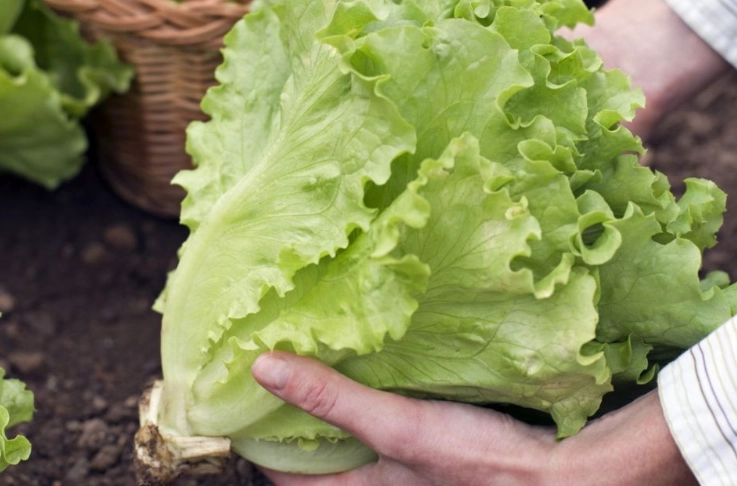
The Harvest Timing Table: A Quick-Reference Guide
Here’s a side-by-side look to help you decide when to harvest lettuce based on its type. Remember, these are averages—your garden is unique.
| Lettuce Type | Key Visual Cue | Tactile Test | Typical Size at Maturity | Harvest Method |
|---|---|---|---|---|
| Looseleaf | Outer leaves are 3-4" long | Leaves are firm, not floppy | 6-12" wide clump | Cut outer leaves or whole plant 1" above base |
| Butterhead | Leaves form a soft, cup-like head | Head feels solid with a slight give | 6-10" diameter | Cut entire head at soil level |
| Romaine/Cos | Tall, elongated head with sturdy center rib | Head feels densely packed, firm | 10-12" tall | |
| Crisphead/Iceberg | Dense, round, blanched center head | Head feels very firm & solid (like a cabbage) | 6-8" diameter |
The Step-by-Step Harvest Process: Doing It Right
Knowing when to harvest lettuce is half the battle. The other half is doing it properly so the plant stays healthy (for cut-and-come-again) or so your harvest stores well.
1. Choose Your Time of Day. This is non-negotiable for quality. Harvest first thing in the morning, after the dew has dried but before the sun heats up the leaves. The plant's water content is highest, and the sugars are concentrated from the cool night. If morning isn't possible, a cloudy afternoon is your next best bet.
2. Have Your Tools Ready. For looseleaf harvesting, a clean pair of sharp scissors or garden snips is perfect. For harvesting whole heads, a sharp knife is best. Dull tools crush and damage plant tissue, opening the door to disease and rot. I keep a dedicated "harvest knife" in my gardening apron.
3. The Actual Cut. For looseleaf: Snip individual outer leaves about 1-1.5 inches above the crown (the central growing point). Don't cut too low, or you risk damaging the crown. For whole heads: Use your knife to make a clean, angled cut right at the soil level. You can leave the stump in the ground—it might sprout a few small leaves, but don't expect another full head.
4. Handle with Care. Treat lettuce like the delicate salad green it is. Don't toss it roughly into a bucket. Gently place it in a harvest basket or container. Bruising accelerates spoilage.
5. The Cool Down. Get your harvested lettuce out of the sun and into cool shade immediately. The goal is to remove field heat as fast as possible. I take my basket straight to a shady spot on the patio to start sorting.
What to Do After You Harvest
Post-harvest handling is what separates garden-fresh from supermarket-fresh in your kitchen.
- Wash Promptly (But Not Immediately). I like to let my harvest sit in a cool place for an hour before washing. Then, swish the leaves in a large bowl or sink full of very cold water. This hydrates them and dislodges any soil or bugs. Repeat with fresh cold water until no grit remains.
- Dry Thoroughly. This is critical for storage. Water on the leaves promotes rot. Use a salad spinner—it's the single best kitchen tool for a lettuce gardener. Spin in batches until the leaves are bone-dry.
- Store Properly. Place the completely dry leaves or heads in a plastic bag or airtight container lined with a dry paper towel. The paper towel absorbs any excess moisture. Store in the crisper drawer of your refrigerator. Properly stored, homegrown lettuce can last 7-10 days, sometimes more.
That crisp, cold, homegrown lettuce in a mid-July salad? Nothing beats it.
Common Questions About When to Harvest Lettuce
Let's tackle some of the specific, real-world questions that pop up. These are the things you might google at 7 PM after inspecting your garden.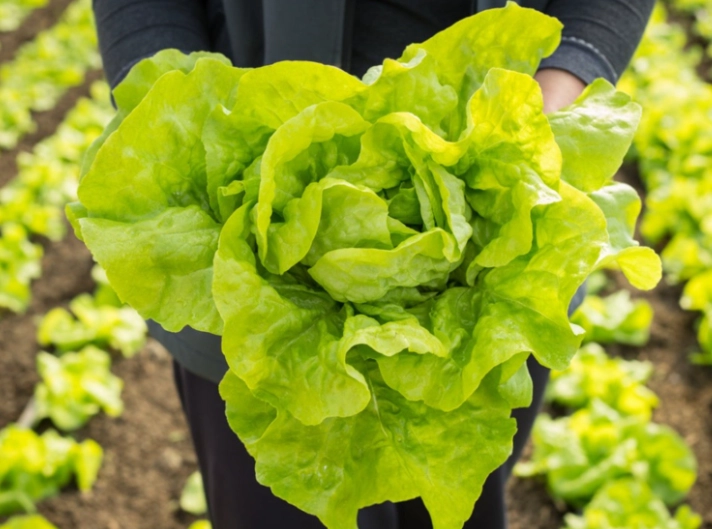
Can you harvest lettuce after it bolts?
Technically, yes. Should you? Probably not for a prime salad. The leaves quickly become unpleasantly bitter and tough as the plant dedicates all resources to the flower stalk. If you catch it at the very first sign of stem elongation, you might salvage some milder outer leaves. My advice? Harvest it all, try a small piece, and if it's bitter, compost is a noble end. Better luck with your next planting.
How many times can you harvest cut-and-come-again lettuce?
This is the beauty of looseleaf types. You can typically get 2-3 good cuttings from one plant over several weeks. The regrowth will be slightly smaller and slower each time, especially as temperatures rise. The key is to always leave that central crown intact. Once the plant looks tired or the weather gets hot, it's time to pull it and plant something else.
Does lettuce regrow after cutting the whole head?
For heading varieties (Butterhead, Romaine, Crisphead), no, not really. The plant's lifecycle is designed to produce one primary head. When you cut it, the game is mostly over. You might get a few small, secondary leaves from the stump, but it's not a reliable source of more lettuce. For a continuous harvest, practice succession planting—sowing new seeds every 2-3 weeks.
What if my lettuce looks ready but is small?
This happens. Often it's due to overcrowding, poor soil nutrition, or not enough water. Lettuce is a shallow-rooted, heavy feeder. If the head feels dense but is just petite, it's probably as ready as it's going to get. Go ahead and harvest it—it will still taste great. For your next crop, thin seedlings aggressively and consider adding compost or a balanced organic fertilizer. Resources from institutions like the University of Minnesota Extension have great guides on soil prep for leafy greens.
Seasonal and Environmental Factors
When to harvest lettuce changes with the seasons. Spring lettuce, grown in cool, moist conditions, tends to be sweeter, more tender, and slower to bolt. You have a longer harvest window. Summer lettuce, even heat-tolerant varieties, grows faster, has a much shorter prime window, and is constantly flirting with bolting. You need to check it almost daily.
Fall lettuce is a joy. Planted as temperatures drop, it often develops incredible sweetness (a bit like kale after a frost) and holds well in the garden. You can often leave it out longer, harvesting as needed.
Rain matters too. A big rainstorm will plump up your lettuce. Some gardeners like to harvest the day after a good rain for super-crisp leaves. Just make sure the leaves are dry before you cut to avoid spreading disease.
Troubleshooting: Signs You Waited Too Long (or Not Long Enough)
You harvested too early if: - The leaves are thin, floppy, and lack substance. - The head (for heading types) feels loose and you can easily separate the leaves. - The yield is disappointingly small.
Fix for next time: Wait a few more days and use the tactile tests described above.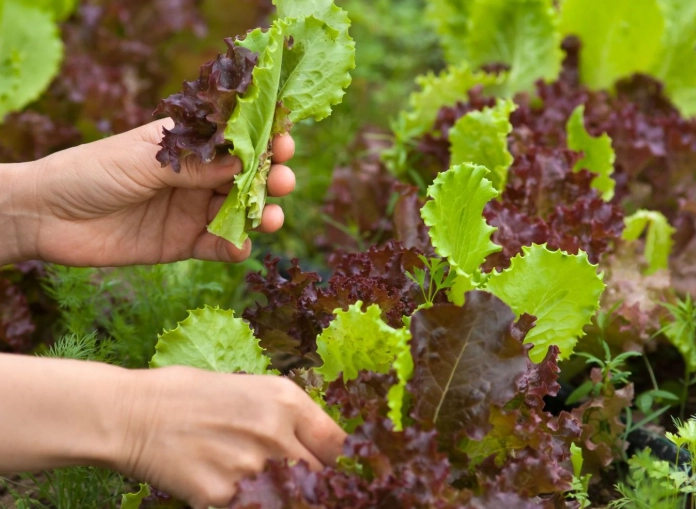
You harvested too late if: - The leaves taste noticeably bitter or pungent. - The leaf ribs or stems are tough and fibrous. - A central flower stalk is clearly visible (bolting). - The outer leaves are turning yellow or developing tough, leathery spots.
Fix for next time: Mark your calendar with the "days to maturity" and start checking the plant a week before that date. Harvest at the first sign of a firm head or full-sized leaves.
Learning the perfect moment for when to harvest lettuce is an art honed by practice. Don't stress about getting it absolutely perfect every single time. Even slightly early or slightly late lettuce from your garden will almost always beat anything you can buy. The connection to your food and the satisfaction of eating something you grew is the real prize. The perfect crispness is just the delicious bonus.
Now, go check your garden. Give that head a gentle squeeze. Is it time?
Reader Comments