Quick Navigation
So you want to grow figs. Honestly, that's one of the best gardening decisions you can make. I remember my first fig tree, a scraggly little thing I bought on a whim. I had no real clue what I was doing, just a vague idea that I liked eating them. Fast forward a few years, and that tree is now the superstar of my backyard, pumping out more sweet fruit than my family can handle (a good problem to have). The journey taught me a lot, mostly through trial and error, and that's what I want to share with you. Forget the overly technical jargon. Let's talk about how do you grow figs in a way that actually works, whether you have acres of land or just a sunny patio.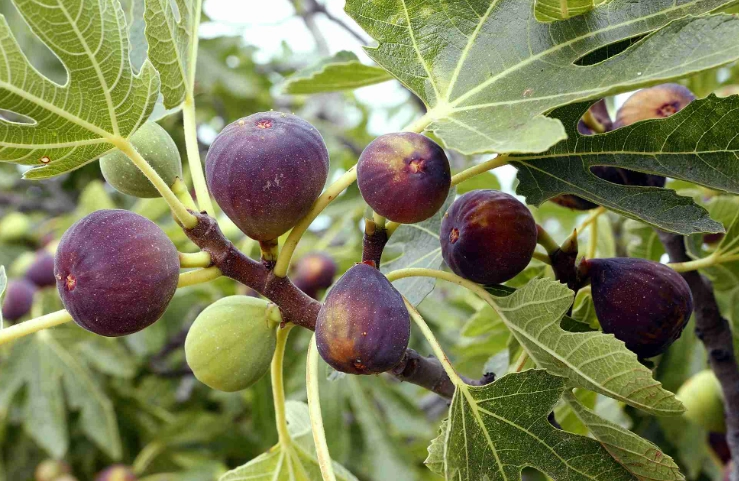
The beauty of fig trees is their surprising resilience. They're not the divas of the fruit world. With a few key things done right, they'll reward you with minimal fuss. But get those basics wrong, and you'll be left with a leafy bush that never fruits. The core question, "how do you grow figs," breaks down into a few simple parts: picking the right one for your area, sticking it in the right spot, and then not loving it to death with too much attention.
First Things First: Picking Your Perfect Fig Variety
This is where most folks rush, and it's a mistake. You wouldn't buy a dog without knowing if it's a Great Dane or a Chihuahua, right? Same with figs. The variety you choose dictates almost everything: flavor, hardiness, size, and even how you'll need to care for it. The main split is between the types that need a special wasp to pollinate (common in Mediterranean climates) and the "common fig" types that don't. For almost all home gardeners, you want the common fig. They set fruit all on their own, no wasps required.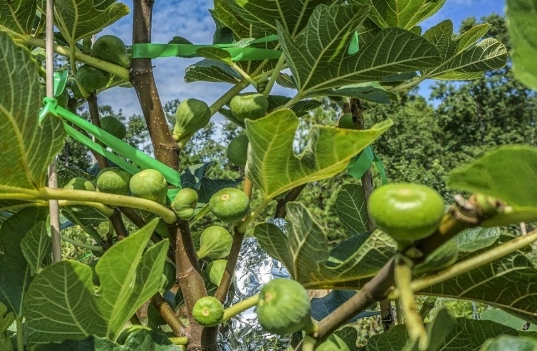
Your single most important factor is your climate, specifically your winter lows. The USDA Plant Hardiness Zone map is your best friend here. I always check the latest map on the USDA's official site to be sure. It's the gold standard. Figs can be surprisingly cold-tolerant, but some varieties handle the chill much better than others.
Let's look at some top performers. I've grown a few of these, and others come highly recommended from fellow fig fanatics.
| Variety | Best For Zones | Fruit Color & Flavor | Why Gardeners Love It | A Little Downside |
|---|---|---|---|---|
| Chicago Hardy | 5-10 | Purple-brown, rich berry flavor | Lives up to its name. Can die back in cold winters and regrow from roots. A true survivor. | Fruit can be smaller than others. Flavor is good, not mind-blowing. |
| Brown Turkey | 7-10 | Copper-brown, mild and sweet | Extremely reliable, heavy producer. Great for beginners. Tolerates less-than-perfect conditions. | Some find the flavor a bit bland compared to more complex varieties. |
| Celeste | 6-10 | Light brown, sugary honey flavor | Small, closed "eye" keeps bugs out. Super sweet. Compact grower, great for small spaces. | Fruit skins are delicate, don't ship well (but who's shipping? You're eating them!). |
| LSU Purple | 7-10 | Deep purple, very sweet and rich | Developed for disease resistance. Prolific bearer. A consistent favorite for flavor. | Can be a vigorous grower, needs a bit more pruning to keep in check. |
| Panache (Tiger Fig) | 7-10 | Green with yellow stripes, strawberry-citrus flavor | Stunning looks and exquisite flavor. A real conversation piece. | Lower yields than others. A bit more finicky. Save this for your second tree. |
My personal workhorse is a Brown Turkey. It's not the most glamorous, but it never lets me down. For colder areas, Chicago Hardy is a no-brainer. I've seen them come back from looking completely dead. If you're in a hot, dry climate, you might look at varieties like "Kadota." The point is, do this little bit of homework. A quick call to your local county cooperative extension office can also give you hyper-local recommendations—they know what thrives in your specific neck of the woods.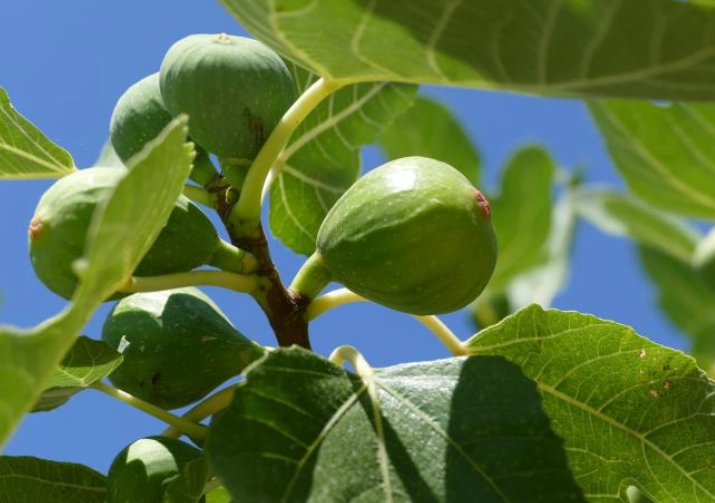
The Golden Rules of Planting: Location, Location, Location
You've got your tree. Now, where does it go? This decision will haunt you (or bless you) for the next 20 years. Figs are long-lived. The main pillars are sun, soil, and space.
Sun: This is non-negotiable. Full sun means at least 6-8 hours of direct, blistering sunlight. More is better. If you give them less, you'll get weak growth and few, poorly ripened fruits. The sugar comes from the sun.
Soil: Here's where figs show their easy-going side. They prefer well-drained soil but aren't picky about fertility. In fact, overly rich soil leads to excessive leafy growth. They tolerate a wide pH range, from slightly acidic to slightly alkaline. The one thing they absolutely will not tolerate is "wet feet." Soggy, waterlogged soil will rot the roots faster than you can say "Ficus carica." If you have heavy clay, you must improve drainage. Raised beds are a fantastic solution.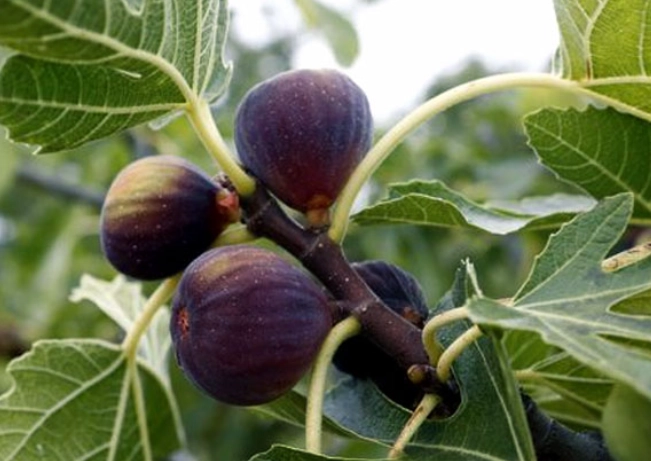
Space: This depends on your variety and how you prune. A full-sized tree can easily spread 15-20 feet. But you can control this. If space is tight, consider planting near a warm, south-facing wall. The radiant heat helps ripen fruit and offers some winter protection. Just make sure it's not so close that the roof overhang creates a rain shadow, leaving the roots dry.
Going the Container Route
No garden? No problem. Growing figs in containers is not just a workaround; it's a brilliant strategy, even for those with land. Containers naturally restrict roots, which encourages fruiting. You can move them to chase the sun or tuck them into a garage for winter protection in cold zones. The key is a big pot—start with at least 15 gallons. Use a high-quality, well-draining potting mix, not garden soil. A wheeled plant caddy is a back-saver.
Watering is the big container challenge.
They dry out fast. In peak summer, you might be watering daily. A layer of mulch on top of the soil helps a ton. And remember, a potted fig is entirely dependent on you for food. A light, balanced fertilizer a few times during the growing season is enough.
The Real Work: How Do You Grow Figs Year-Round?
Planting is a one-day event. The care is what happens every day, every season. Let's break it down.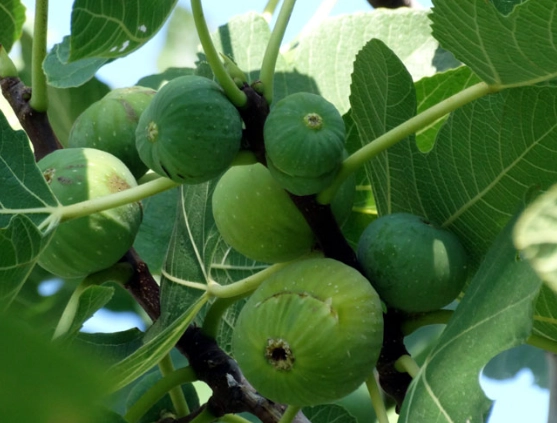
Watering – The Art of Tough Love
Newly planted trees need consistent moisture to establish their roots. Water deeply a couple of times a week for the first season. After that, ease off. Mature fig trees are remarkably drought-tolerant. The goal is deep, infrequent watering that encourages roots to go down. Constant shallow watering makes for a shallow, weak root system.
Signs of overwatering? Yellow leaves that drop. Signs of underwatering? Leaves wilting in the heat of the day (they should perk up at night) and fruit dropping prematurely. During the critical period when fruit is swelling and ripening, don't let the tree get bone dry. A sudden heavy watering after a dry spell can cause the fruit to split—a real heartbreaker.
To Feed or Not to Feed?
Figs aren't heavy feeders. In decent ground soil, they might not need any supplemental fertilizer. If you do fertilize, less is more. A balanced, slow-release fertilizer applied in early spring as growth starts is sufficient. I sometimes use a fertilizer higher in potassium (the third number on the bag) as fruit develops, as it's said to aid sweetness, but I'm not fully convinced it makes a dramatic difference if your soil and sun are good.
The Pruning Puzzle – It's Simpler Than You Think
Pruning scares people. With figs, it shouldn't. You have two main goals: 1) Maintain a manageable shape and size, and 2) Encourage fruit production. The best time to prune is in late winter when the tree is dormant, before the spring buds swell.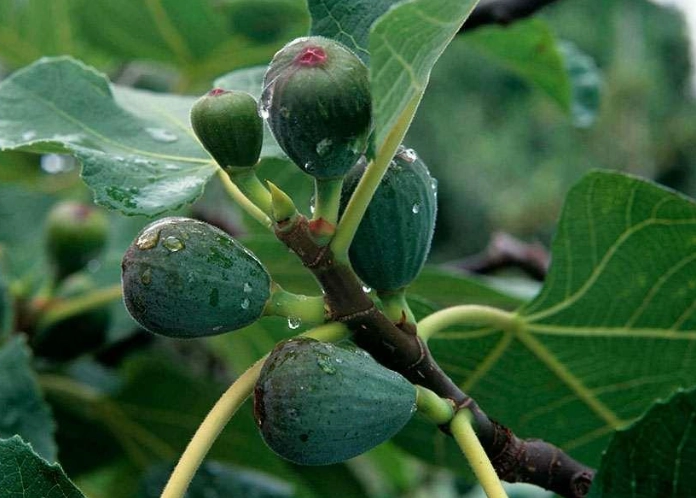
Figs fruit on new growth. So, your pruning should stimulate new branches. Here's a simple approach:
- Remove any dead, diseased, or damaged wood.
- Cut out any branches that are crossing or rubbing against each other.
- If the tree is getting too tall or wide, shorten the longest branches. Make your cuts just above a bud facing the direction you want new growth to go.
- For a bushier tree, you can tip-prune (pinch off the very end) of young shoots in early summer.
I made the mistake of not pruning my first tree at all. It became a dense, tangled mess where sunlight couldn't penetrate, and the figs in the center never ripened. A little annual pruning makes for a happier, more productive tree.
The Winter Wait
In zones 7 and warmer, winter care is minimal. In colder zones, protection is key. For in-ground trees, the goal is to protect the roots and the main trunk. After the leaves drop, I mound a thick layer of mulch (like straw or shredded leaves) over the root zone. For young trees, I've even wrapped the lower trunk in burlap or used a cylinder of chicken wire stuffed with leaves.
For container trees in zones 6 and below, you'll likely need to move them to an unheated garage, shed, or basement where temperatures stay above freezing but below 50°F (10°C). They need to be dormant. Water them just enough to keep the roots from completely drying out—maybe once a month. Don't fertilize. Bring them back out after the last frost danger has passed.
Harvesting the Sweet Rewards
This is the payoff. How do you know when a fig is ripe? This is crucial, because figs won't continue to ripen once picked.
- The Neck: The stem (neck) of the fruit will soften and may bend slightly.
- The Color: The color deepens. A green fig may turn yellowish, a brown fig may become a deeper brown.
- The Feel: A ripe fig will feel soft to the touch, not firm. It should give slightly under gentle pressure.
- The Droop: The fruit often droops downward on its stem when ripe.
- The Sap: A drop of sweet sap may appear at the "eye" (the bottom opening).
The best test? Taste one. If it's not honey-sweet and juicy, leave the rest a day or two longer. Use clippers or scissors to harvest, leaving a small piece of stem attached. Handle them gently—they bruise easily.
Solving the Inevitable Problems
No garden is perfect. Here's what might go wrong and how to fix it.
No Fruit: The most common complaint. Causes: too much nitrogen, not enough sun, overwatering, or the tree is just too young (it can take 2-3 years). Also, some varieties produce a "breba" crop on old wood in early summer and a main crop on new wood in late summer. A late frost can wipe out the breba crop, but you'll still get the main one.
Fruit Drops Prematurely: Usually due to water stress—either too much or, more commonly, too little during fruit development. A sudden cold snap can also cause it.
Bird & Squirrel Theft: Yeah, they love them too. Bird netting is the most effective solution. Put it on just as the fruit starts to color.
Leaf Rust: Yellow-orange spots on leaves in late summer. It's a fungal disease that looks worse than it is. It rarely kills the tree but can cause early leaf drop. Improve air circulation via pruning, clean up fallen leaves in autumn, and avoid overhead watering. The University of Minnesota Extension has excellent, straightforward resources on managing garden fungi without reaching for harsh chemicals immediately.
Root-Knot Nematodes: A big issue in sandy soils in warm climates. These microscopic worms attack the roots, causing stunted growth. If you're in an affected area, choose nematode-resistant varieties (like 'Celeste' or some LSU varieties) or grow in containers with clean potting mix.
Answers to the Questions You're Probably Asking
If you buy a decent-sized nursery tree (3-5 gallon pot), it might give you a few figs the first year. But for a meaningful harvest, expect to wait 2 to 3 years after planting. Trees grown from cuttings will take longer, maybe 3-5 years. Patience is part of the game.
Absolutely, and it's very rewarding. Take 8-12 inch cuttings from dormant, year-old wood in late winter. Stick them in a pot of well-draining mix, keep them moist but not wet, and wait. Some people even root them in a bottle of water on a windowsill. It's a cheap way to get new trees, especially if a friend has a variety you like.
This screams "too much nitrogen and/or water." You've created a leafy monster. Stop fertilizing, especially with high-nitrogen lawn fertilizers that might be leaching into its roots. Let the soil dry out more between waterings. Next spring, do a harder prune to stimulate new, fruit-bearing wood.
No. Common figs (all the varieties recommended here) are self-fruitful. One tree is all you need.
In mild climates (zones 8+), fall planting is great—it gives roots time to establish in cool, moist soil before summer heat. In colder areas, spring planting after the last frost is safer, so the tree gets a full season to settle in before its first winter.
Look, at the end of the day, learning how do you grow figs is about connecting with a plant that has been feeding people for thousands of years. It's forgiving. It's generous. You might lose a crop to birds, or a branch to a cold winter, but the tree soldiers on. Start with a good variety for your area, put it in the sunniest spot you have, don't overwater it, and be patient. One day, you'll be picking a warm, sun-ripened fig from your own tree, and you'll realize all the little details were worth it. That taste is something no store-bought fruit can ever match. Now go get your hands dirty.
Reader Comments