Let's be honest. Most advice on how to improve soil starts and ends with "add compost." It's good advice, but it's incomplete. After twenty years of digging, failing, and finally succeeding in gardens from heavy clay to pure sand, I've learned that soil improvement is a conversation, not a monologue. You're not just dumping bags of amendments; you're building a living ecosystem. The goal isn't just to grow plants, but to grow resilient plants with less work from you. That starts with understanding what you have.
Think of your soil like a patient. You wouldn't prescribe medicine without a diagnosis, right? Yet, that's what most gardeners do. They see yellow leaves and buy iron supplements, or poor growth and buy fertilizer. The real problem is often deeper.
Here's the core idea: healthy soil is a sponge, a pantry, and a high-rise apartment for billions of organisms, all at once.
This guide will walk you through the real process. We'll skip the fluff and get into the practical steps that make a measurable difference. You'll learn how to diagnose your soil's specific needs, choose the right amendments, and adopt practices that build health year after year.
What You'll Learn
Understanding Your Soil First (The Critical Step Everyone Skips)
Jumping straight to solutions is the biggest mistake I see. I did it myself for years. I spent a fortune on peat moss for a garden that was already acidic. Don't be like past me.
Start with a simple jar test. Take a handful of soil from about 6 inches deep, mix it with water in a clear jar, shake it vigorously, and let it settle for 24 hours. You'll see distinct layers: sand at the bottom, silt in the middle, clay on top. The proportions tell you your soil type. Heavy clay means slow drainage and compaction. Sandy soil drains too fast and holds few nutrients. Loam is the ideal mix.
Next, get a soil test. This isn't optional for serious improvement. A basic test from your local university cooperative extension service (like those run by land-grant universities) costs between $15 and $30. It will give you precise numbers for:
- pH Level: This controls nutrient availability. Most veggies prefer 6.0 to 7.0.
- Macronutrients: Nitrogen (N), Phosphorus (P), and Potassium (K).
- Organic Matter Percentage: A key indicator of health. Aim for 5% or more.
The report will include specific recommendations for how much lime or sulfur to add to adjust pH, and how much fertilizer your soil actually needs. It takes the guesswork out.
Pro Tip: Test different areas of your garden separately. Your vegetable bed, lawn, and flower border might have completely different needs. A one-size-fits-all approach to amending garden soil usually fails.
The Core Principles of Soil Improvement
Once you know what you're working with, follow these three non-negotiable principles. They matter more than any single product you can buy.
1. Add Organic Matter. Constantly.
This is the universal medicine. Organic matter—compost, aged manure, leaf mold—improves soil structure in both clay and sand. It helps clay drain and helps sand retain water. It feeds soil microbes. It's the pantry where nutrients are stored.
But here's the nuance: it's not a one-time fix. Organic matter decomposes. You need to add it every season. I aim to spread a 1- to 2-inch layer of compost over my beds each spring and fall and gently work it into the top few inches.
2. Disturb the Soil as Little as Possible
Tilling and excessive digging destroy soil structure and fungal networks. It's like bombing the city you're trying to rebuild. Embrace no-till or low-till methods. Use a broadfork to aerate compacted soil without turning it over. Layer amendments on top and let earthworms do the mixing.
3. Keep the Soil Covered
Bare soil is dead soil. It bakes in the sun, erodes in the rain, and loses life. Use mulch (wood chips, straw, grass clippings) or plant cover crops (like clover or winter rye). A cover crop is a living mulch that protects the soil and, when turned under, adds organic matter.
This table breaks down the best organic amendments for different purposes:
| Amendment | Best For | Key Benefit | Application Rate & Notes |
|---|---|---|---|
| Finished Compost | All soil types, general health | Balanced nutrients, improves structure, inoculates with microbes | 1-3 inches worked into top 6 inches annually. The workhorse. |
| Well-Aged Manure (Cow, Horse) | Boosting fertility, adding organic matter | Good source of nitrogen and other nutrients | Must be aged (1+ years) to avoid burning plants. Apply 1-2 inches in spring. |
| Leaf Mold (Decomposed leaves) | Improving moisture retention, fungal food | Excellent for building humus, great for woodland plants | Use as a 2-3 inch mulch or till in. Cheap and effective. |
| Biochar | Long-term carbon storage, nutrient retention | Highly porous, provides habitat for microbes, lasts centuries | Must be "charged" with nutrients (soak in compost tea) before use. Mix 5-10% by volume into soil. |
| Greensand or Rock Dust | Clay soils, adding micronutrients | Slow-release source of potassium and trace minerals | Apply 5-10 lbs per 100 sq ft. Works very slowly over years. |
Addressing Specific Soil Problems
Now let's get tactical. Here’s how to tackle the most common issues head-on.
For Heavy, Compacted Clay Soil:
The goal is to create air pockets. Do not add sand unless you add a huge amount—otherwise, you risk making concrete. Focus on coarse organic matter. Gypsum (calcium sulfate) can help flocculate clay particles, improving structure without affecting pH. Core aeration for lawns, and broadforking for gardens, are physical fixes that create immediate relief.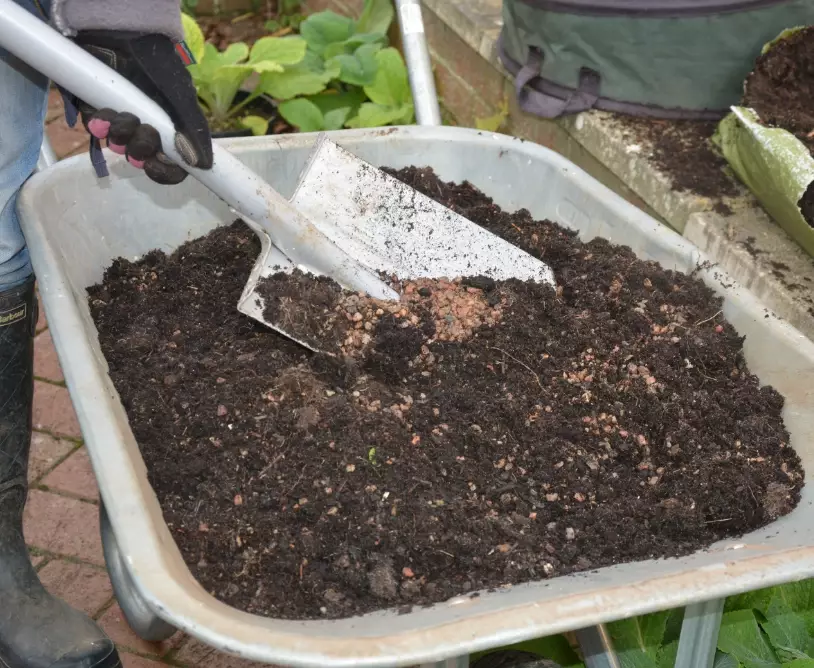
For Sandy, Fast-Draining Soil:
Your mission is to increase water and nutrient retention. Compost and leaf mold are perfect. Peat moss holds water but is acidic and not sustainable; coconut coir is a better alternative. Incorporating bentonite clay (a fine clay) can also help, but organic matter is the primary solution.
For Acidic Soil (Low pH):
Your soil test will tell you exactly how much lime to add. Use calcitic lime if your calcium is low, dolomitic lime if you need magnesium too. Wood ash from your fireplace is a fast-acting alkaline amendment, but use it sparingly—it's potent.
For Alkaline Soil (High pH):
Elemental sulfur is the standard amendment. It's slow-acting, so apply it the season before you need the change. Pine needles and peat moss add mild acidity over time as they decompose.
Building Soil Life: The Underground Workforce
This is the secret most gardening articles glance over. Your soil is alive. A teaspoon of healthy soil contains more microbes than there are people on Earth. Fungi, bacteria, nematodes, and earthworms are your unpaid labor force. They break down organic matter, make nutrients available to plants, and even help plants communicate.
How do you feed them? Stop using synthetic fertilizers and broad-spectrum pesticides, which can harm this life. Instead, use organic amendments and compost. You can even buy microbial inoculants or compost tea to introduce beneficial species, though a steady diet of compost usually does the trick.
When you see white threads (mycorrhizal fungi) in your soil, celebrate. That's a sign of a thriving ecosystem.
Putting It All Together: A Seasonal Soil Care Plan
Here's a practical, year-round schedule based on my own garden routine. Adapt it to your climate.
Early Spring: Pull back winter mulch. Send soil samples for testing. Once the soil is workable (not wet!), apply recommended lime/sulfur and a thin layer of compost. Plant cool-season cover crops if beds are empty.
Late Spring/Summer: After planting, apply a 2-3 inch layer of mulch (straw, shredded leaves) to conserve moisture and suppress weeds. Side-dress heavy feeders (tomatoes, corn) with compost or aged manure mid-season.
Fall: This is the most important time to improve soil quality. After harvest, sow a winter cover crop like winter rye or crimson clover. Alternatively, spread a thick layer (3-4 inches) of compost or shredded leaves over the bed and let it sit for the winter. The freeze-thaw cycles and earthworms will incorporate it.
Winter: Plan. Order seeds. Review your soil test results. Let the covered soil rest.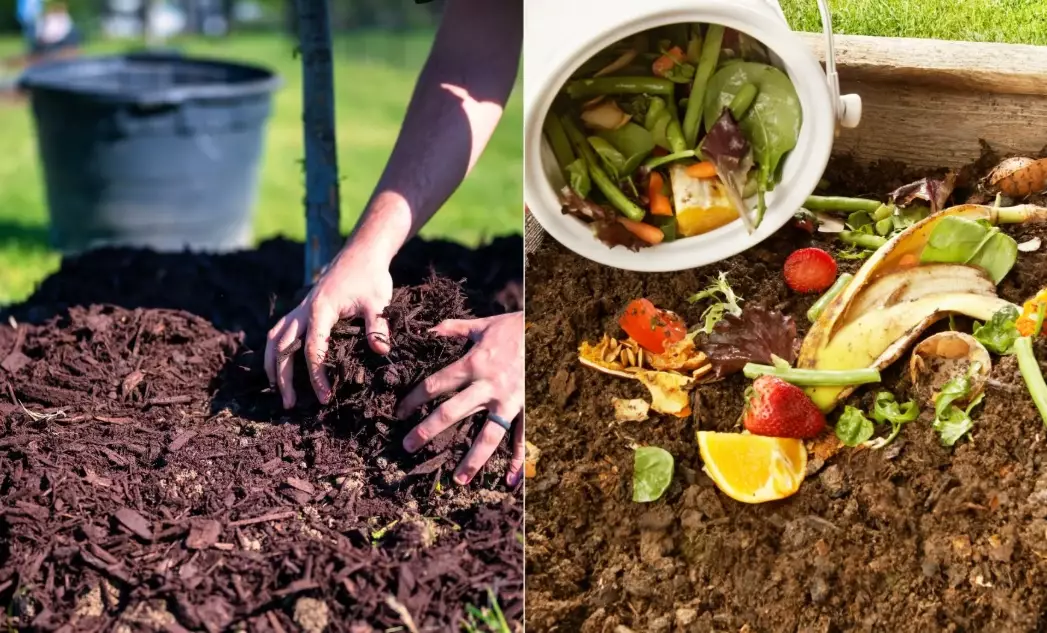
Reader Comments