You want to start composting. Kitchen scraps, yard waste, it all adds up. Buying a fancy plastic compost tumbler feels wrong – it's expensive and, well, more plastic. The solution that keeps popping up? Build your own compost bin out of wooden pallets. It sounds rustic, cheap, and perfectly DIY. But is it that simple? After building several over the years and helping others do the same, I can tell you it's a fantastic project, but there are pitfalls most guides don't mention. Let's cut through the Pinterest-perfect ideas and build something that actually works for years.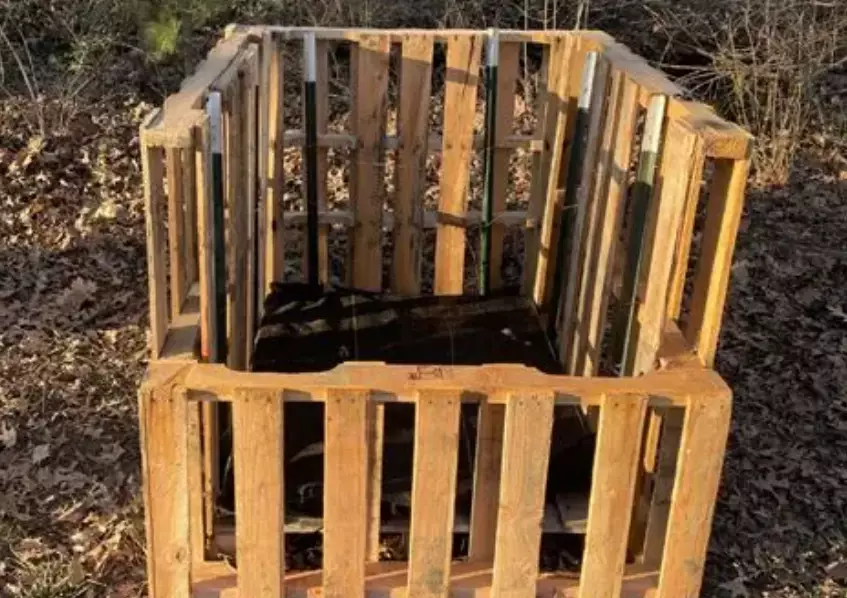
What You'll Learn in This Guide
Why a Pallet Wood Compost Bin is a Smart Choice (Beyond Just Being Free)
Sure, the main draw is cost. Pallets are often free for the taking. But the real benefits are more subtle.
Breathability is king. Unlike a sealed plastic bin, the gaps between pallet slats let air circulate. This is crucial for aerobic composting, which is faster and smells less than anaerobic decomposition. Your compost needs to breathe, and wood pallets are like a well-ventilated jacket for it.
They're also modular. Want a bigger bin? Add another pallet section. Need to turn the pile? You can often remove a front panel easily. Try doing that with a bought bin.
But let's be honest about the downsides. The wood will rot. It's not a forever structure. Expect to get 3-5 years out of a pallet bin before the boards touching the soil start to give way. That's okay. By then, you've composted hundreds of pounds of waste for literally the price of some screws, and you can rebuild it.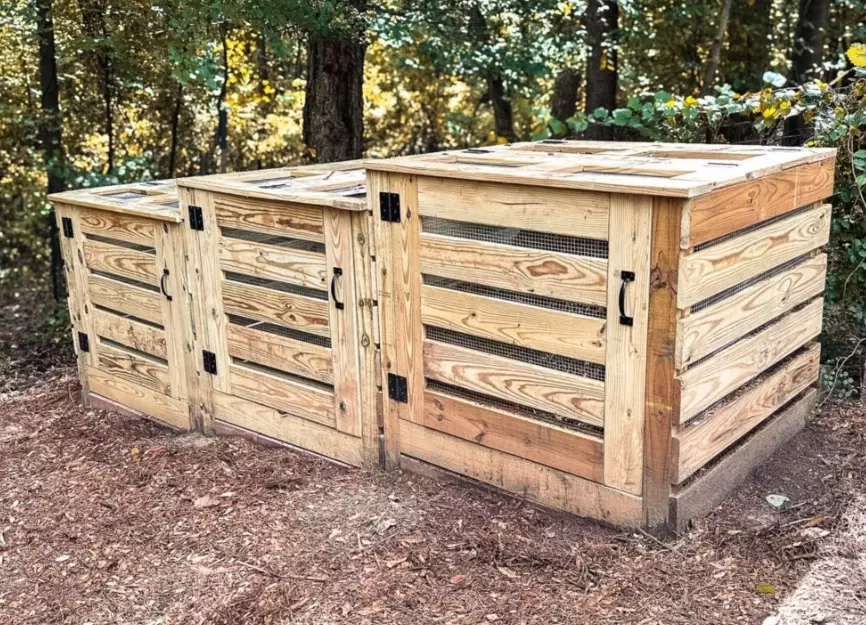
The one non-negotiable rule: You must use heat-treated (HT) pallets only. Pallets marked "MB" (Methyl Bromide) are chemically treated and are a hard no for gardening. The HT stamp is usually burned into the wood. If you can't find a stamp, don't risk it. Your health and your garden's health aren't worth the gamble.
What You Need: Tools, Materials, and the Pallet Hunt
This isn't a complex furniture build. Your tool list is basic. The real "work" is sourcing good pallets.
Tool Checklist: A drill/driver with screwdriver bits, a hammer, a pry bar or crowbar (for disassembling pallets if needed), a saw (hand saw or circular saw – optional, for trimming), safety glasses, and work gloves. That's it. No need for a nail gun or fancy joinery.
Where to Find Free Pallets (And What to Look For)
Skip the ones behind random warehouses. Always ask for permission. Good spots are garden centers, large hardware stores (like Home Depot or Lowe's), appliance stores, and feed supply stores. They receive shipments daily and are often happy to have you take them away.
Look for pallets in decent shape. Avoid ones with huge cracks, missing boards, or excessive staining (could be from spilled chemicals). The ideal pallet is the "block" style, with solid wooden blocks in the center, not just stringers. They're sturdier for building a three-sided bin.
How many? For a classic three-sided bin with an open front for easy access, you need three identical pallets. Grab a fourth if you want a removable front panel.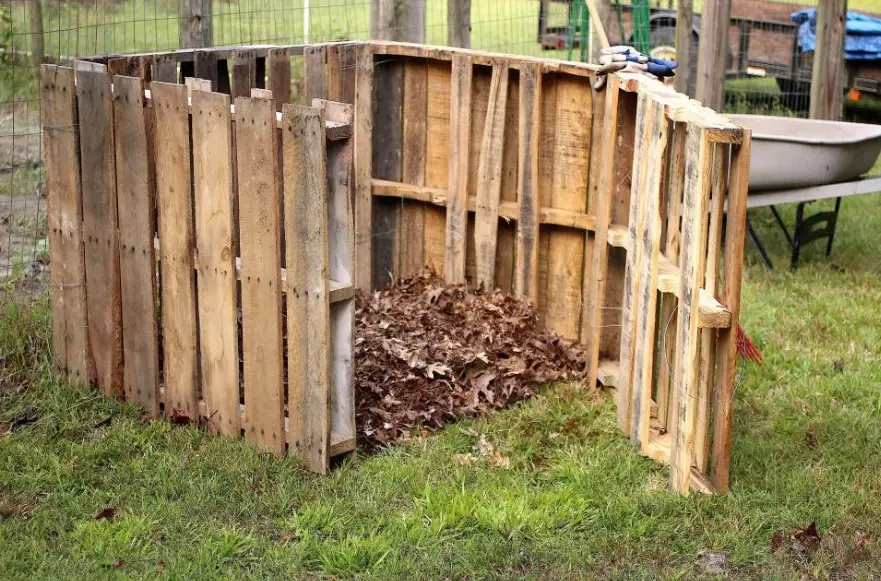
Hardware and Extras
You'll need exterior-grade screws. Deck screws (3-inch or 3.5-inch) are perfect. Galvanized or coated is better to resist rust. Don't use nails; they work loose as the wood expands and contracts.
Consider these optional but highly recommended upgrades:
- Heavy-duty hinges and a latch: If you're building a front gate.
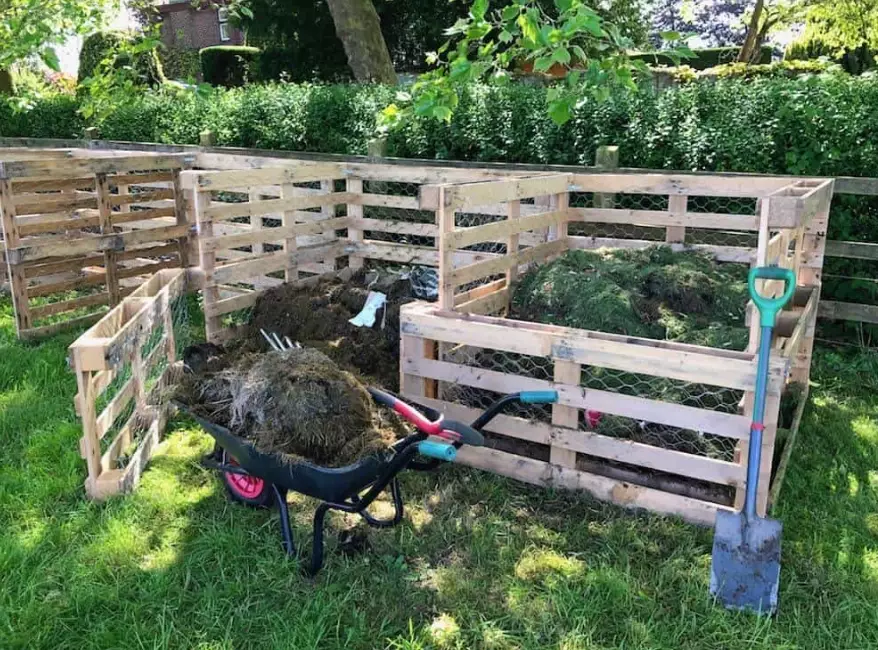
- Hardware cloth or chicken wire: To line the inside. This is my secret weapon. It keeps material from falling out the gaps and, more importantly, deters rodents from setting up shop. Staple it on.
- Corner brackets: For extra stability on a tall, two-bin system.
Step-by-Step Build: From Pile to Bin in an Afternoon
Let's build the most common and effective design: a three-sided bin with an optional open/close front. We'll assume you have three HT-stamped pallets.
Step 1: Choose and Prep Your Site. Pick a level spot with decent drainage, partially shaded if possible (full sun dries things out too fast). It should be convenient to your kitchen and garden. Clear away grass and weeds. Some people put down a base of coarse sticks or gravel for better drainage, but it's not strictly necessary.
Step 2: Position the Back Pallet. This is your anchor. Place it where you want the back of the bin. The smooth, finished side should face inward (where the compost will be). The stringers (the 2x4 supports) face outward.
Step 3: Attach the First Side Pallet. Position a side pallet at a 90-degree angle to the back pallet. The key is to screw through the stringer of the side pallet into the end board of the back pallet. Use at least three screws per connection point. Pre-drill holes to avoid splitting the old wood.
Step 4: Attach the Second Side Pallet. Repeat on the other side. You now have a sturdy U-shape. Stand back and make sure it's roughly square. It doesn't need to be perfect.
Step 5 (Optional): Build a Front Gate. Take your fourth pallet. Carefully remove the bottom board using your pry bar. This creates an opening at the bottom for you to shovel out finished compost. Reattach that board with two heavy-duty hinges at the top, so it swings open like a gate. Add a simple latch or a hook-and-eye to keep it closed. You can then lean this gate against the open front, or use short screws to attach it temporarily to the side pallets.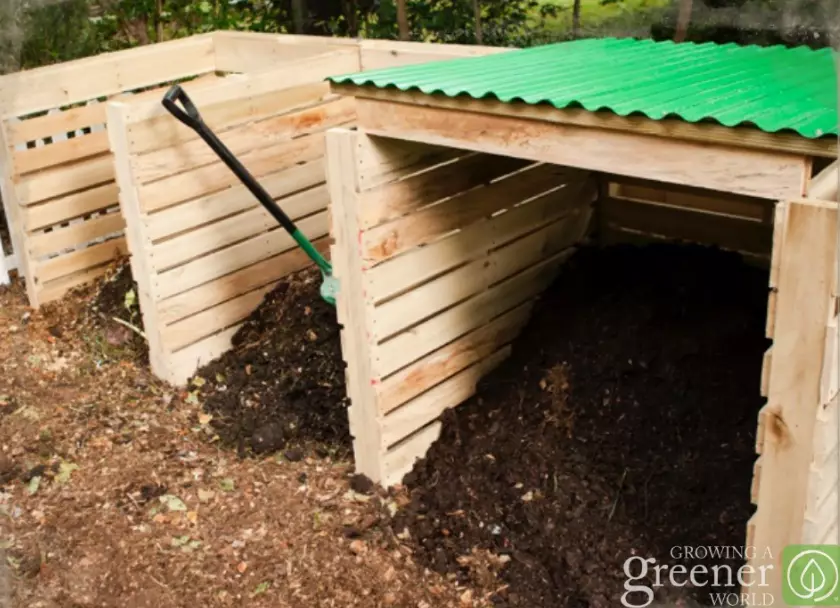
That's the core build. It should take 60-90 minutes. If you're adding hardware cloth, staple it to the inside now.
| Design Variation | Best For | Pallets Needed | Difficulty |
|---|---|---|---|
| Simple Three-Sided Bin | Beginners, small gardens | 3 | Easy |
| Three-Sided Bin with Gate | Easy access to finished compost | 4 | Easy/Medium |
| Two-Bay System | Serious composters, turning piles | 5-6 | Medium |
| Fully Enclosed Box (with lid) | Urban areas, pest concerns | 4-5 (disassembled) | Hard |
The two-bay system is the professional's choice. You build two identical bins side-by-side. You fill one (Bay 1). When it's full, you turn it into Bay 2 to aerate it, and start filling Bay 1 again. It creates a continuous cycle.
Using Your Bin: How to Start and Maintain Your Compost
A bin is just a container. The magic is the mix inside. Forget complex ratios at first. Think "Greens" and "Browns."
Greens (Nitrogen): Kitchen veggie scraps, coffee grounds, fresh grass clippings, garden weeds (without seeds).
Browns (Carbon): Dry leaves, straw, shredded cardboard (no glossy prints), small twigs, sawdust from untreated wood.
Start with a 6-inch layer of coarse browns (twigs, straw) at the very bottom for airflow. Then, add your layers. A rough goal is 1 part greens to 2-3 parts browns by volume. Too many greens? It gets slimy and smelly. Too many browns? It just sits there, dry and inactive.
Chop or shred larger items. A whole cabbage takes ages to break down. Chopped pieces decompose faster.
Moisture and Air. Your pile should feel like a wrung-out sponge. If it's dry, add water or more greens. If it's soggy, mix in more browns. Turn the pile with a garden fork every few weeks to add air. This is where the open-front design shines – you can just fork it from the front to the back.
In a well-managed bin, the center should get warm, even hot, within a few days. That's the microbes working. If it's not heating up, it's usually lacking nitrogen (add greens) or moisture.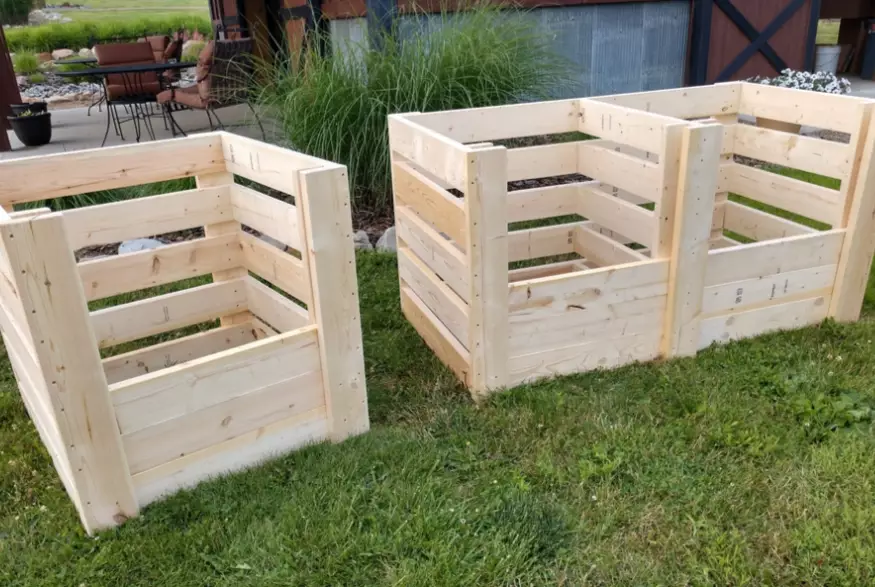
Common Questions and Expert Troubleshooting
My pallet compost bin isn't heating up at all. What did I do wrong?
How do I keep rats and raccoons out of my wooden compost bin?
 Is it okay to use pallets that have been painted or stained?
My compost is full of bugs and worms. Is that bad?
How long until I get usable compost?
Building a pallet wood compost bin is more than a weekend project; it's the first step in closing the loop in your own garden. You're not just saving money on a bin and bagged compost. You're transforming waste into the best soil amendment your plants will ever get. It's tangible. You built the container, you manage the process, and you harvest the results. Start with three pallets. See how it goes. You might just find yourself sketching plans for that two-bay system sooner than you think.
Reader Comments