Let's be honest. You see those wooden pallets stacked behind grocery stores or leaning against warehouses, and you think, "Someone should use those for something." Well, that someone is you. Turning free pallets into a functional, even handsome, compost bin is one of the most satisfying DIY projects a gardener can tackle. It saves you a ton of money, keeps organic waste out of landfills, and creates black gold for your garden. I've built half a dozen of these over the years, and I'm here to walk you through it, step-by-step, without the fluff.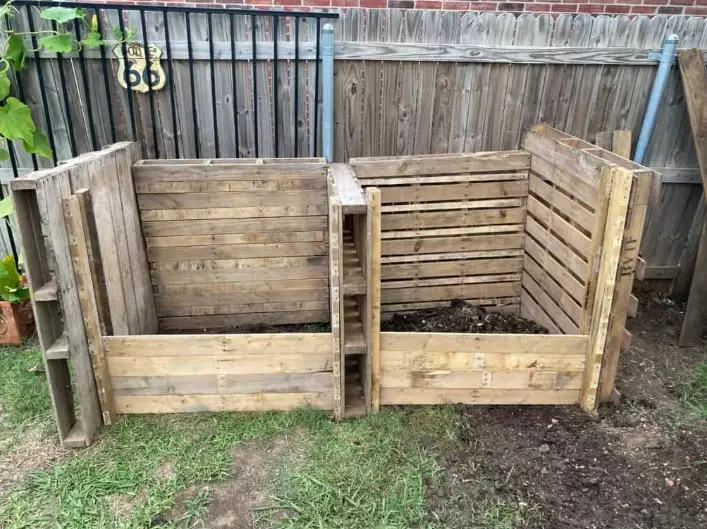
What You'll Learn in This Guide
Finding and Choosing the Right Pallets (The Most Critical Step)
This is where most online guides gloss over the details, and it's the biggest potential pitfall. Not all pallets are created equal. You want ones that are safe and will last.
The HT Stamp is Non-Negotiable. Look for a stamp on the side of the pallet. You want to see "HT" which stands for Heat-Treated. This means the wood was pest-controlled with heat, not chemicals. Avoid any pallet stamped "MB" (Methyl Bromide) as it's a toxic pesticide. No stamp? I'd skip it unless you know its history.
Where to find them? Don't just drive around hoping. Be strategic.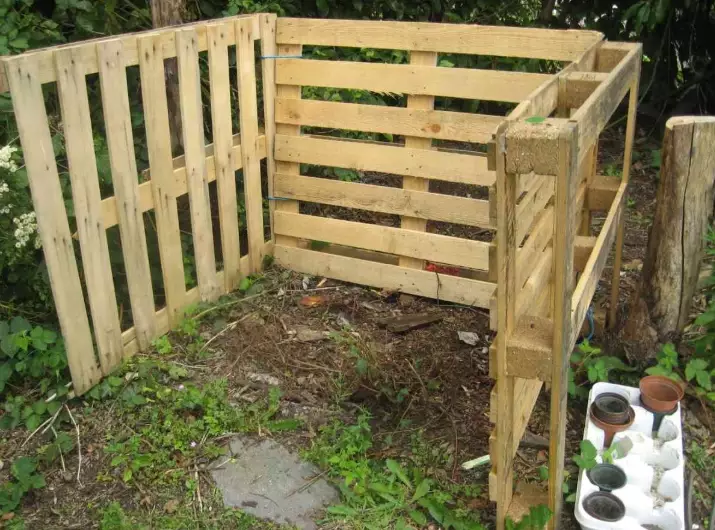
- Ask at Local Businesses: Garden centers, hardware stores (like Home Depot or Lowe's), building supply stores, and even large furniture stores often have stacks they need to get rid of. Just ask a manager politely if they have any heat-treated pallets available for pickup. Most say yes.
- Online Marketplaces: Check Facebook Marketplace, Craigslist, or Freecycle. Search "free pallets." People who get deliveries often list them.
- Industrial Areas: Sometimes businesses leave them out with a "free" sign. Never take them without permission.
Inspect your finds. Choose pallets in decent shape—no major cracks, rot, or protruding, rusty nails. You'll need four to six pallets of similar size for a standard three-bin system.
Tools and Materials You Actually Need
You don't need a fancy workshop. Here's the honest list.
- Pallets: 4-6 HT-stamped pallets.
- Safety Gear: Heavy-duty work gloves and safety glasses. Trust me, splinters and dust are no joke.
- Basic Tools: A hammer (for removing stubborn nails), a pry bar or cat's paw, and a drill with screwdriver bits.
- Fasteners: This is key. Don't use nails; they'll work loose. Use 3.5 to 4-inch exterior-grade deck screws or, even better, lag screws (with washers) for maximum strength against wind and the weight of wet compost. You'll need about 40-50 screws.
- Optional but Helpful: A reciprocating saw (Sawzall) to cut pallets if needed, a level, and some metal L-brackets for extra corner reinforcement.
- For the Base (Optional but Recommended): Chicken wire or hardware cloth to line the bottom and keep rodents from burrowing in.
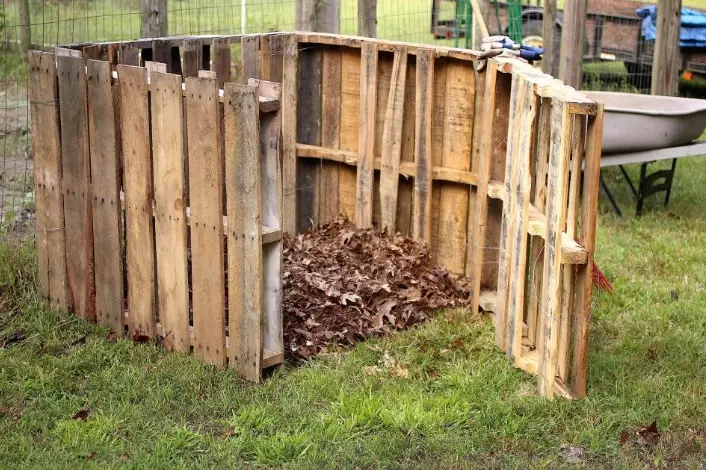
Pro Tip: Skip the power saw if you're not comfortable. You can build an excellent bin using whole pallets as walls. It's faster and just as effective.
Step-by-Step Assembly: The 3-Bay Bin Blueprint
A three-bay system is the gold standard. One bin for fresh additions, one for actively cooking compost, and one for finished, curing compost. It makes the process continuous and effortless.
1. Prep Your Site and Pallets
Choose a level spot in your yard with partial sun and good drainage, not right against your house. Clear the area of grass and weeds. Lay down your chicken wire if using. Now, prep your pallets: put on your gloves and safety glasses, and use the hammer and pry bar to carefully remove any loose or dangerous boards, especially from the sides that will connect. You want relatively flat surfaces to screw together.
2. Build the Back Wall
This is your anchor. Take two pallets and stand them on their long edge to form a corner. The solid, deck-board side should face inward (this will be the inside of your bin). Pre-drill holes to prevent the wood from splitting, then drive 3-4 screws through the side of one pallet into the stringer (the 2x4 or 3x4 block inside) of the other. Use lag screws here for a rock-solid connection. Check that the corner is roughly 90 degrees.
3. Add the Side Walls
Attach a third pallet to one end of your back wall to form a side. Repeat on the other end. You now have a U-shaped structure: back and two sides.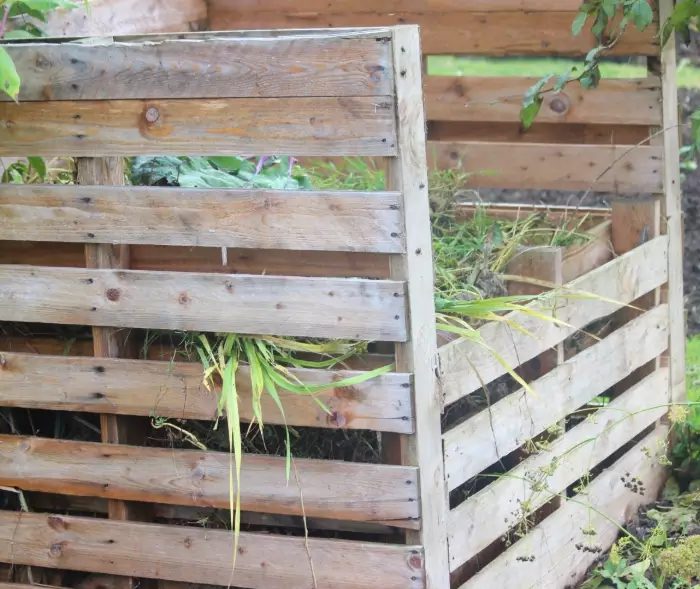
4. Create the Front Partitions (The "Bays")
This is what makes it a three-bin system. Take two more pallets and stand them vertically inside the U, parallel to the side walls, dividing the space into three equal bays. Screw these divider pallets into the back wall and the ground (if possible). For extra stability, run a screw through the top into the side walls.
5. Make Removable Front Slats
You need access to turn and remove compost. Don't attach the front pallets permanently. Instead, take the best remaining pallet boards or use some spare 2x4s to create simple slats that slide or hook into place between the front posts of your bays. You can also use heavy-duty hinges on one side to make simple doors.
Stand back. You've just built a compost system for the price of a box of screws.
How to Fill Your Bin the Right Way
A bin is just a container. The magic is in the mix. Think of compost as a lasagna you're cooking for microbes.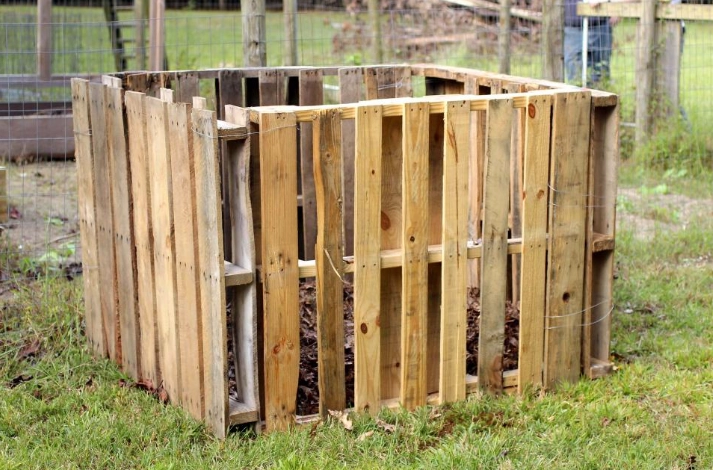
- Greens (Nitrogen): Kitchen scraps (fruit/veggie peels, coffee grounds), fresh grass clippings, garden weeds before they seed.
- Browns (Carbon): Dry leaves, straw, shredded cardboard (tape removed), small wood chips, the sawdust from your pallet prep.
The ratio everyone throws around is 2:1 or 3:1, browns to greens. Don't stress the math. Just add about two to three times the volume of browns for every bucket of greens. A pile with only kitchen scraps will be a smelly, wet mess. A pile with only leaves will just sit there. Layer them like you mean it.
Start filling one bay. When it's full, use a garden fork to turn it into the middle bay, mixing it thoroughly. This introduces air, which is fuel for the hot composting process. Then start filling the first bay again. The finished compost will eventually end up in the third bay.
Common Mistakes and Pro Maintenance Tips
I've seen these errors time and again.
Mistake 1: Letting it dry out. Your compost pile should feel like a wrung-out sponge. In dry summer months, you need to water it. A dry pile stops decomposing.
Mistake 2: Never turning it. Turning is not optional if you want compost in a season. Every 2-4 weeks, give it a good mix. It's a workout, but it's the difference between compost in 6 months vs. 2 years.
Mistake 3: Adding the wrong stuff. No meat, dairy, oils, or diseased plants. They attract pests and can spread disease. Eggshells are fine (crush them).
For maintenance, keep a tarp or piece of old carpet on top of the active bay. It retains heat and moisture. In the fall, stockpile a big bag of dry leaves next to your bin. You'll thank yourself all winter when you need browns for your kitchen scraps.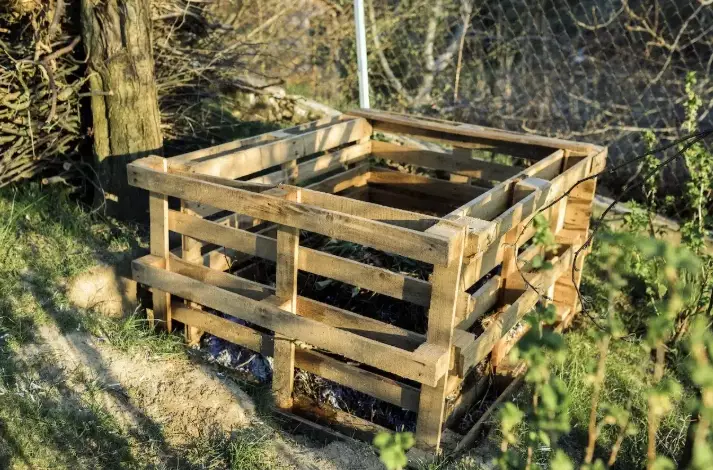
Your Compost Bin Questions, Answered
Can I use any pallet for a compost bin?
No, and this is crucial. Only use pallets stamped with "HT" (Heat-Treated). Avoid "MB" (Methyl Bromide) treated pallets, as the chemical can leach into your compost and soil. If there's no stamp, its history is unknown, so it's safer to find another one.
How do I keep rats or raccoons out of my pallet compost bin?
Line the bottom and the lower 12 inches of the inside walls with 1/4-inch hardware cloth (sturdier than chicken wire) before you build. Bury the edges slightly. More importantly, never compost meat, dairy, or oily foods. Bury fresh kitchen scraps under a thick layer of browns like leaves or shredded paper each time you add them. A secure lid or weighted tarp on top also helps.
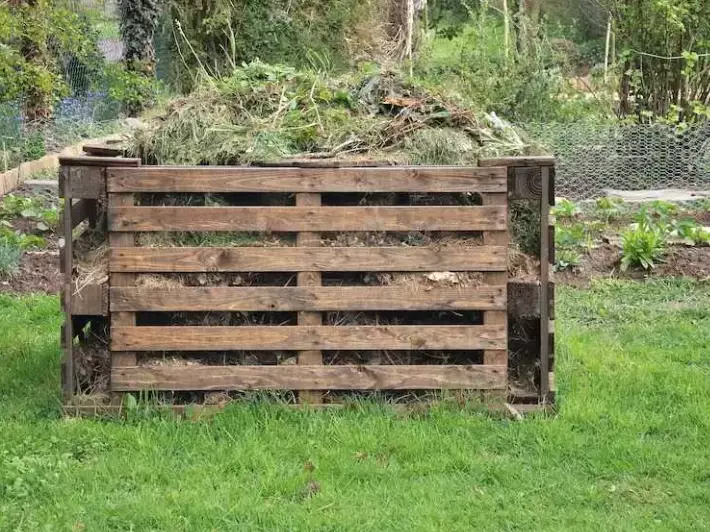 My compost isn't heating up. What am I doing wrong?
It's usually one of three things. First, the pile is too small. A bin needs to be at least 3x3x3 feet to generate and retain heat. Second, it's out of balance. If it's wet and smelly, add more browns (shredded cardboard is great). If it's dry and nothing is happening, add more greens or water it. Third, it needs air. Turn the pile thoroughly to reintroduce oxygen, which the microbes need to work.
Do I need to add compost starter or worms?
Not usually. A proper mix of greens and browns contains all the microbes needed to start the process. A shovelful of finished compost or garden soil can introduce a good microbial community. Worms (vermicomposting) are a different, indoor system. They will find their way into an outdoor bin naturally, which is great, but you don't need to buy them.
How long until I get finished compost?
With regular turning and good conditions (warm weather, good moisture), you can have usable compost in 3-6 months. If you just pile it up and leave it (cold composting), it will take 12-24 months. The three-bin system with active management is designed for the faster, hotter method.
Reader Comments