Grow bags are a game-changer for gardeners, offering flexibility, better drainage, and portability. But if you just toss soil in and plant, you might end up with stunted growth or root rot. I've used grow bags for over ten years, and through trial and error, I've nailed down the best practices. Let's dive into how to use grow bags correctly, from picking the right one to keeping your plants thriving.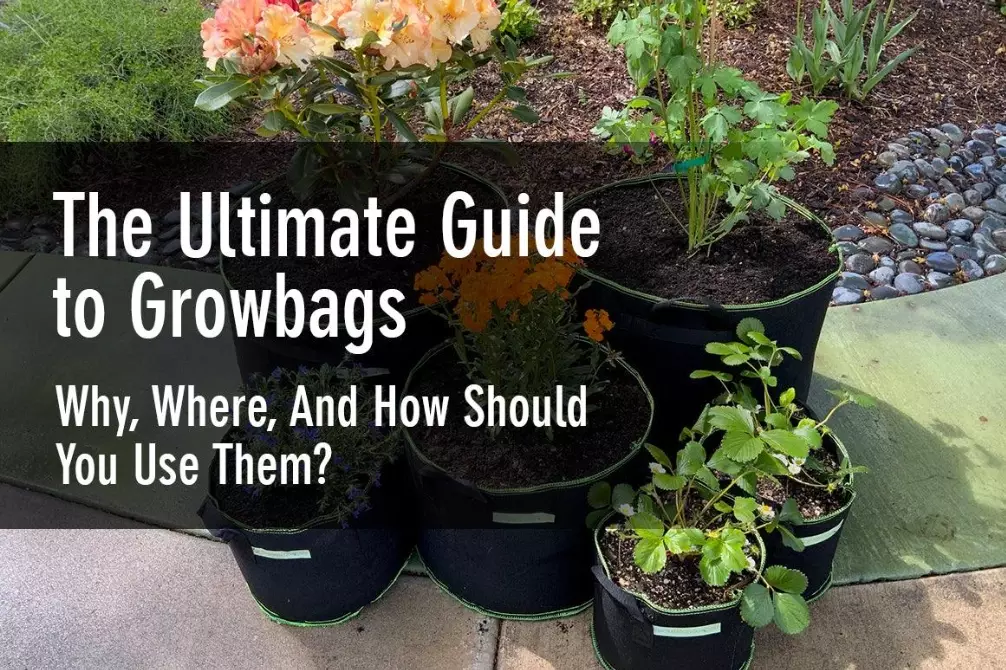
What You'll Learn in This Guide
What Are Grow Bags and Why Use Them?
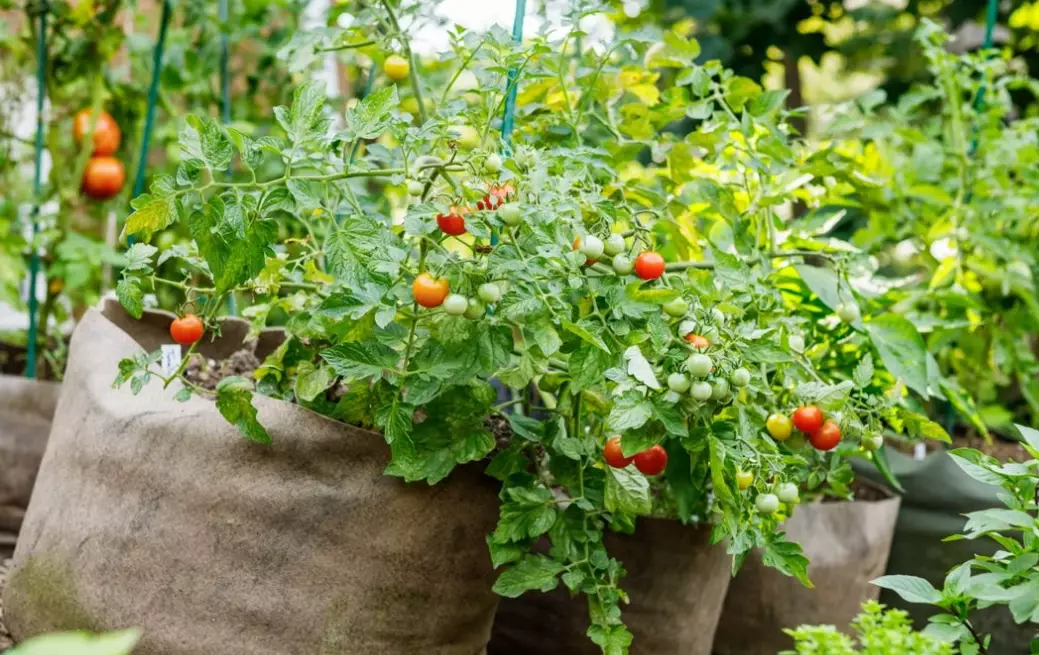
Grow bags are soft-sided containers made from fabric or plastic, designed for growing plants. Unlike rigid pots, they allow air to reach the roots, promoting healthier growth. Why bother? They're cheap, easy to move, and prevent overwatering—a common killer in traditional pots. I started using them when I lived in an apartment with a tiny balcony; they let me grow tomatoes without taking up much space.
But here's something most guides miss: grow bags can dry out faster than you think. That's both a pro and a con. You need to water more often, but it forces you to pay attention, which often leads to better plant care.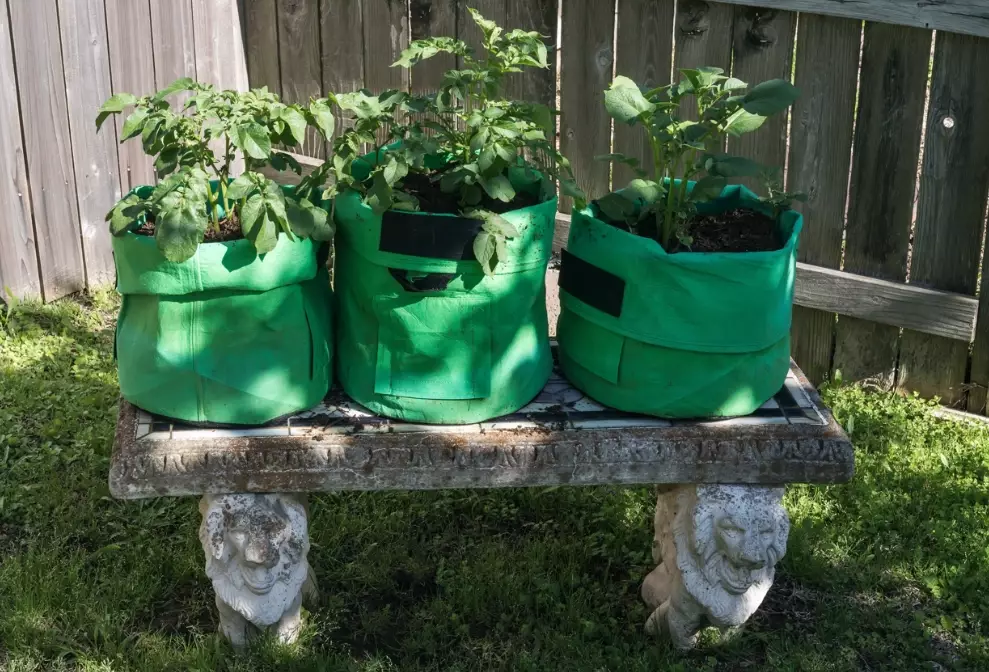
How to Choose the Perfect Grow Bag
Picking the right grow bag isn't just about size. Material and shape matter more than you'd expect.
Material Matters: Fabric vs. Plastic
Fabric grow bags, like those from Geopot or similar brands, are breathable and great for drainage. Plastic ones are cheaper but can heat up in the sun, stressing roots. I prefer fabric for most plants because they reduce the risk of root rot. However, for succulents that like dry conditions, plastic might work if you're careful with watering.
Size and Shape for Your Plants
Bigger isn't always better. A 5-gallon bag is perfect for tomatoes, while herbs do well in 2-gallon ones. Shape affects root spread; taller bags suit deep-rooted plants like carrots. Check this table for quick reference:
| Plant Type | Recommended Grow Bag Size | Notes |
|---|---|---|
| Tomatoes | 5-10 gallons | Needs support stakes |
| Lettuce | 2-3 gallons | Shallow roots, good for small spaces |
| Peppers | 3-5 gallons | Prefers warm soil |
| Root Vegetables (e.g., Carrots) | Deep bags (12+ inches height) | Ensure loose soil |
| Herbs (e.g., Basil) | 1-2 gallons | Easy to move indoors |
When I first tried grow bags, I used a huge 20-gallon bag for herbs—wasted soil and water. Match size to plant needs.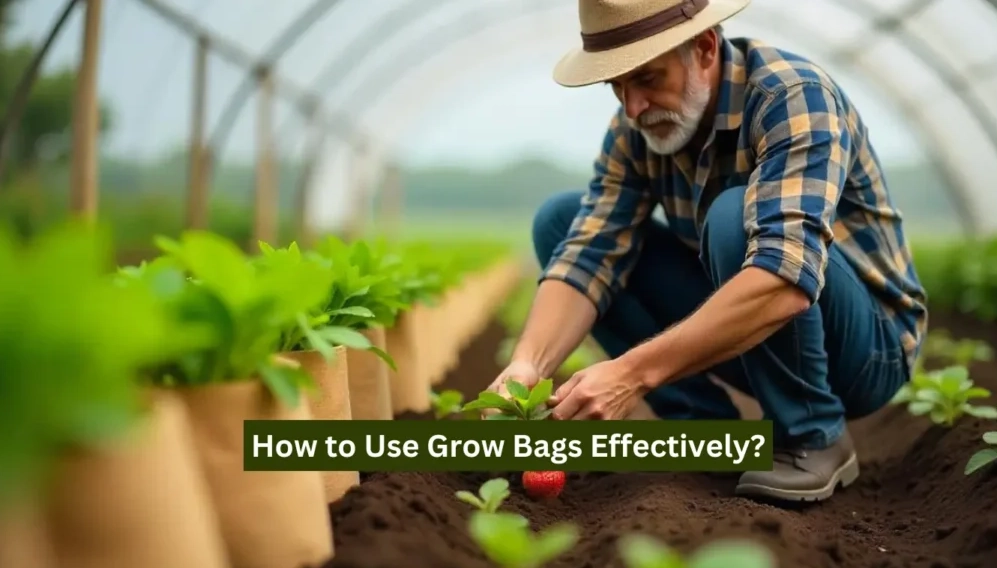
Step-by-Step Guide to Using Grow Bags
Let's get hands-on. Follow these steps to set up your grow bag successfully.
Preparing Your Grow Bag
Start by placing the bag in its final spot—moving it after filling is heavy. If it's fabric, fluff it up to ensure air circulation. Some bags come with handles; use them for easier lifting. I learned the hard way: put a saucer underneath if you're on a deck to catch drainage and prevent stains.
The Right Soil Mix
Don't use garden soil. It compacts in grow bags, suffocating roots. Use a lightweight potting mix with perlite or vermiculite for drainage. A good ratio: 60% potting soil, 30% compost, 10% perlite. I once used pure compost, and it held too much water, leading to fungal issues. Mix it well before filling.
Planting Techniques
Fill the bag halfway, then place your plant. For seeds, sow at the depth recommended on the packet. For transplants, dig a hole, loosen roots, and position so the soil level matches the plant's base. Water lightly after planting to settle the soil. Pro tip: plant densely for leafy greens, but give space for fruiting plants like tomatoes to avoid crowding.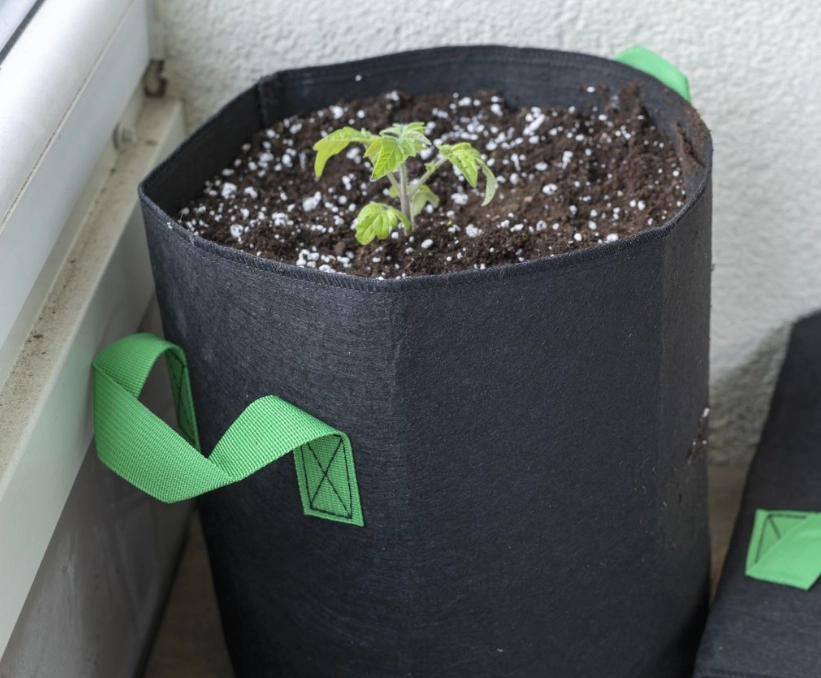
Watering and Maintenance
Water until it drains from the bottom—this ensures deep hydration. In hot weather, check daily; grow bags dry out fast. Fertilize every 2-3 weeks with a balanced liquid feed. Rotate the bag occasionally for even sun exposure. My tomatoes thrived when I added mulch on top to retain moisture.
Expert Insight: Many gardeners overwater grow bags because they see the top dry out. Stick your finger an inch into the soil; if it's dry, water. If damp, wait. This simple test saved my peppers from root rot last summer.
Common Mistakes and How to Avoid Them
Even experienced gardeners slip up. Here are pitfalls I've seen.
Ignoring Drainage: Grow bags have drainage holes, but if placed on solid surfaces, water pools. Elevate them with bricks or use a stand. I lost a basil plant this way—roots sat in water and rotted.
Using Heavy Soil: As mentioned, compaction kills. Always opt for a fluffy mix. If soil settles over time, top it up with compost.
Neglecting Sunlight: Grow bags are portable, so move them to follow the sun. I keep mine on wheeled trays for easy adjustment.
Overfertilizing: It's tempting to feed often, but in confined spaces, salts build up. Flush the soil with water every month to prevent burn.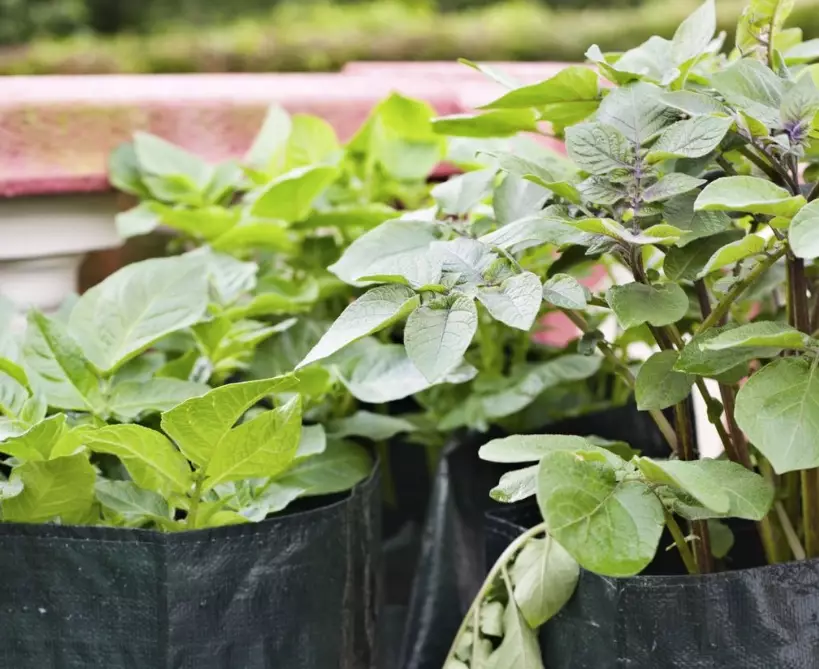
Best Plants for Grow Bags
Not all plants love grow bags. Stick to these for best results.
- Vegetables: Tomatoes, peppers, lettuce, radishes. They have shallow roots and benefit from the air pruning effect.
- Herbs: Basil, mint, parsley. Easy to harvest and move indoors in winter.
- Flowers: Petunias, marigolds. Add color without permanent beds.
- Avoid: Large trees or deep-rooted perennials; they outgrow bags quickly.
I've had success with strawberries in grow bags—they spill over nicely. But corn? Failed miserably; it needs more space.
Frequently Asked Questions
 What's the biggest mistake beginners make with grow bags?
Grow bags simplify gardening, but they demand attention to detail. Start with a small bag, experiment, and adjust. Remember, the key is drainage and soil quality. Happy planting!
Reader Comments