Jump to What Matters Most
Fall is the secret season for vegetable gardening. While everyone's packing up their summer tomatoes, you can be planting crops that thrive in cooler weather, with fewer pests and sweeter flavors. I've been gardening for over a decade, and let me tell you, my fall harvests often outperform spring ones. This guide cuts through the noise to give you actionable advice on the best vegetable plants to grow in the fall.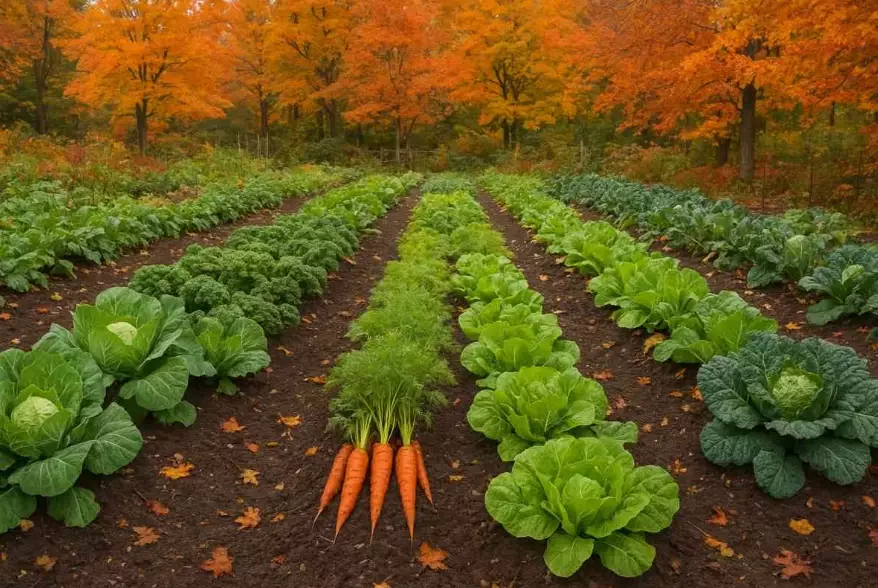
Why Fall Gardening is a Game-Changer
Most beginners think gardening ends with summer. That's a mistake. Fall offers warm soil from summer, cooler air that reduces bolting in leafy greens, and natural moisture from autumn rains. According to the University of Minnesota Extension, fall gardening can extend your harvest by weeks or even months. Plus, pests like aphids and caterpillars are less active, so you spend less time battling bugs.
I remember one year, I planted kale in early September. By November, it was still producing leaves while my neighbor's spring kale had long gone bitter. The key is timing—planting when the days are shortening but before frost hits.
My Top 10 Vegetables for Fall Planting
Here’s a table of vegetables I swear by for fall. This isn't just a list from a book; it's based on my trials in a zone 6 garden, with notes on what actually works.
| Vegetable | Best Planting Time (Fall) | Days to Harvest | Special Tips |
|---|---|---|---|
| Kale | 6-8 weeks before first frost | 50-65 days | Flavor sweetens after frost; use row covers if temps drop below 20°F. |
| Spinach | 4-6 weeks before first frost | 40-50 days | Plant in partial shade to prevent bolting; I prefer 'Bloomsdale' for cold tolerance. |
| Carrots | 10-12 weeks before first frost | 70-80 days | Loose, sandy soil is a must; mulch heavily to prevent freezing. |
| Beets | 8-10 weeks before first frost | 55-70 days | Harvest greens early for salads; roots store well in ground. |
| Lettuce | 4-8 weeks before first frost | 30-60 days | Succession plant every two weeks; 'Winter Density' is my go-to variety. |
| Radishes | 4-6 weeks before first frost | 25-30 days | Fast growers; perfect for interplanting with slower crops. |
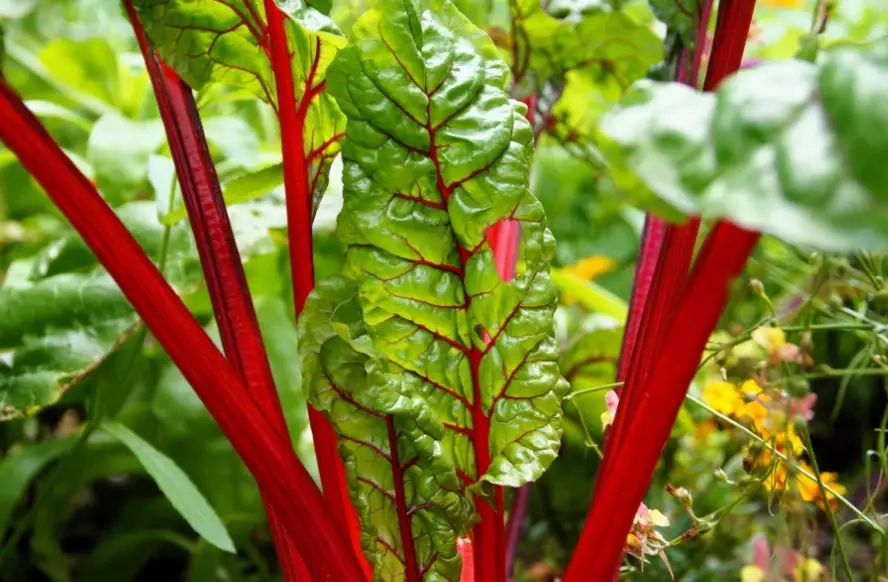
| Swiss Chard | 6-8 weeks before first frost | 50-60 days | More frost-tolerant than spinach; cut leaves, don't pull. |
| Broccoli | 10-12 weeks before first frost | 60-80 days | Start transplants indoors; needs consistent moisture. |
| Garlic | 4-6 weeks before ground freezes | Harvest next summer | Plant cloves pointy-side up; mulch with straw for winter protection. |
| Turnips | 8-10 weeks before first frost | 50-60 days | Both roots and greens are edible; 'Purple Top' handles cold well. |
Notice I didn't include tomatoes or peppers. They're warm-season crops that struggle in fall unless you're in a very mild climate. Many gardening sites recommend them, but from experience, it's a waste of effort unless you have a greenhouse.
How to Choose the Right Vegetables for Your Zone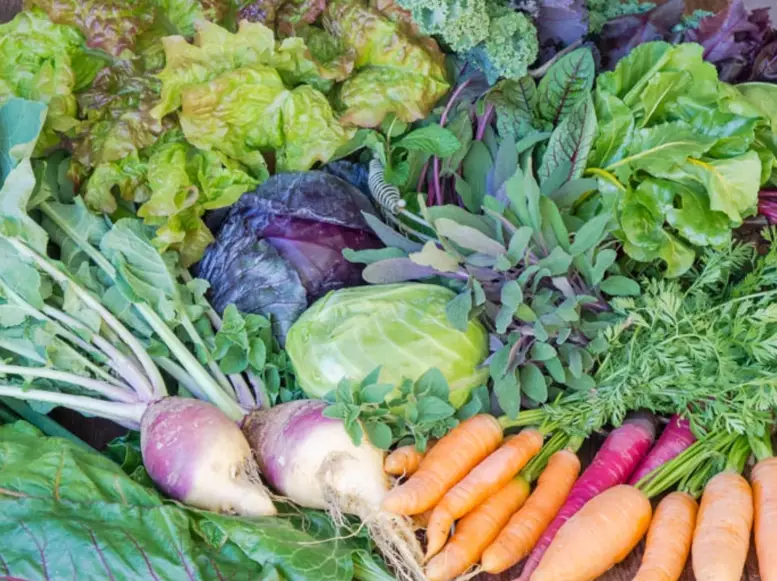
Your planting zone matters. Check the USDA Plant Hardiness Zone Map—it's free online. For example, in zone 7, you can plant kale later than in zone 5. I'm in zone 6, and my first frost usually hits around mid-October. So, for kale, I aim for late August planting. If you're unsure, local extension offices, like those from Cornell University, offer tailored advice.
How to Prepare Your Garden for Fall Planting
Don't just toss seeds into tired summer soil. Fall gardening requires prep. Here's my step-by-step approach, refined over years.
Clear and Clean: Remove spent summer plants. Compost healthy ones, but toss any diseased material—like tomato blight—to avoid spreading issues. I made that error once, and it ruined my fall spinach.
Soil Testing and Amendment: Fall soil often lacks nutrients after summer crops. Get a soil test kit from your local garden center. Most need a pH of 6.0-7.0. Add compost or well-rotted manure. I mix in about 2 inches of compost, then till lightly. Avoid fresh manure; it can burn plants.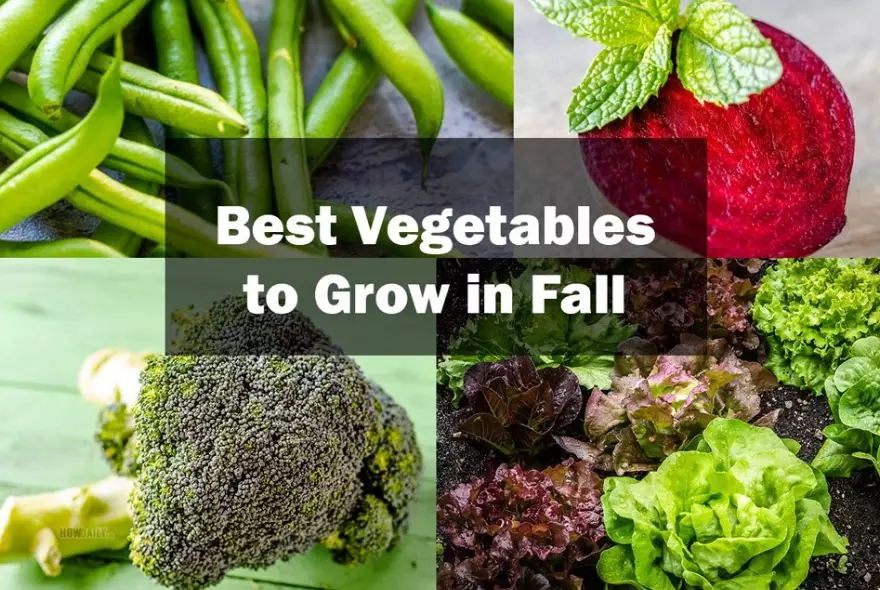
Timing is Everything: Calculate your first frost date. Use resources like the National Gardening Association's frost date tool. Plant based on days to harvest from the table above. For instance, if frost is expected October 15th, plant carrots around July 25th.
Watering Strategy: Autumn rains help, but don't rely on them. Water deeply after planting, then monitor soil moisture. I use a drip irrigation system on a timer—saves time and ensures consistency. Overhead watering in cool weather can promote fungal diseases.
Pro Tip: Mulch with straw or leaves after planting. It retains moisture, suppresses weeds, and insulates roots from early frosts. I learned this the hard way when a sudden cold snap killed my unprotected beet seedlings.
Common Mistakes Even Experienced Gardeners Make
Everyone talks about what to do, but few mention the subtle errors. Here are three I've seen repeatedly.
Planting Too Late: This is the biggest blunder. If you miss the window, seeds won't mature before frost. I advise adding a buffer—plant a week earlier than recommended. For leafy greens, you can harvest baby leaves, but root crops like carrots need full growth.
Ignoring Soil Temperature: Soil should be warm enough for germination. Use a soil thermometer; aim for at least 50°F for most fall vegetables. If it's too cool, seeds rot. I pre-warm soil with black plastic for a week before planting in late summer.
Overcrowding Plants: Fall crops need space for air circulation to prevent mold. Follow spacing guidelines on seed packets. For example, kale plants should be 12-18 inches apart. I once packed them closer, and powdery mildew spread quickly in the damp fall air.
Also, don't forget succession planting. Sow small batches every two weeks for continuous harvest. Lettuce is perfect for this—I plant a row every fortnight from August to September.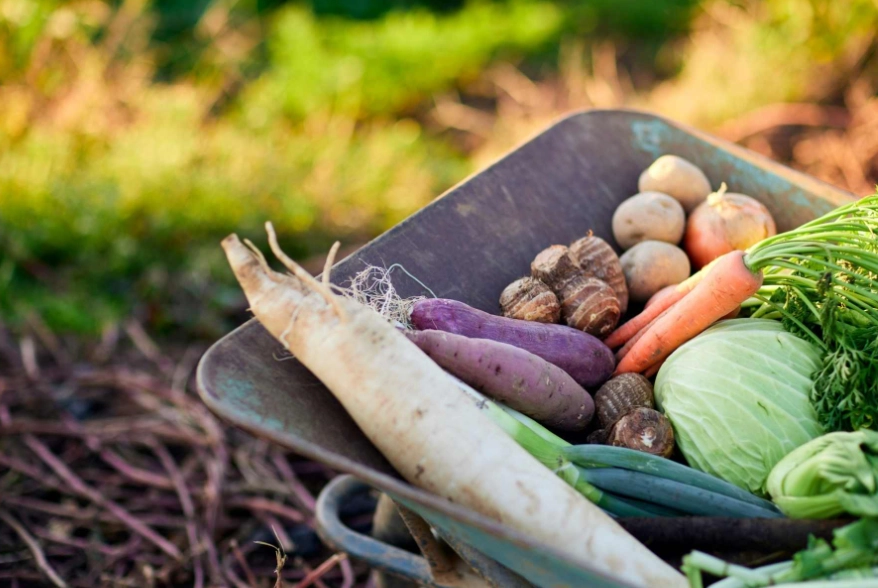
Your Fall Gardening Questions Answered
 What if my fall vegetables aren't growing fast enough before frost?
Fall gardening isn't just about planting; it's about embracing the season's rhythms. Start with hardy vegetables like kale and carrots, prep your soil, and avoid common pitfalls. With these tips, you'll enjoy fresh produce long after summer ends. For more detailed guides, check out resources from the Royal Horticultural Society or your local cooperative extension—they're gold mines of region-specific advice.
Reader Comments