Let's talk about turning trash into treasure without spending a dime. A pallet compost bin is the secret weapon for gardeners who hate waste and love rich soil. It's not just a box for leaves; it's a free, customizable system that turns kitchen scraps and yard waste into black gold. I built my first one over a decade ago, and I've seen every mistake in the book—including my own. The biggest one? Using pallets stained a suspiciously perfect blue. We'll get to that.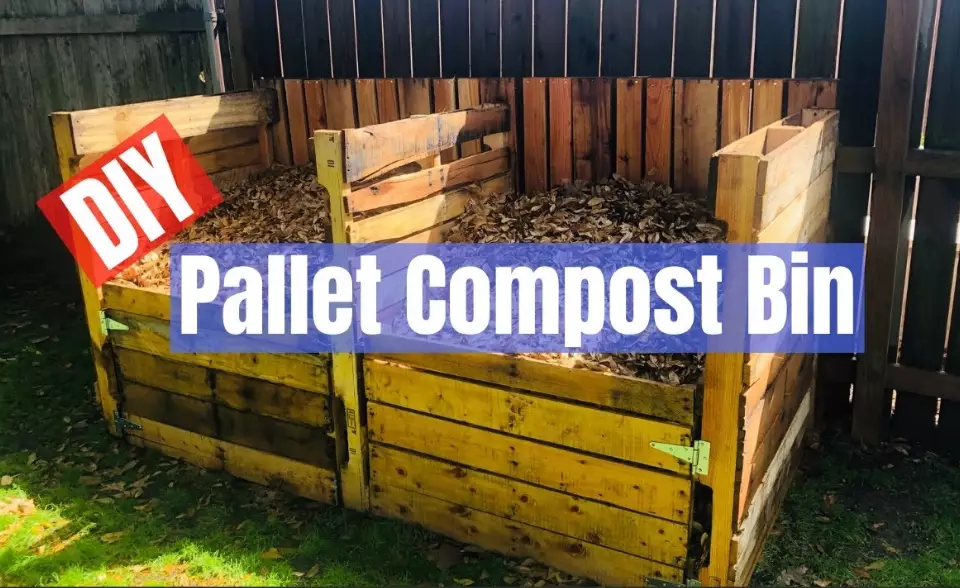
What's Inside This Guide?
- Why a Pallet Compost Bin Beats Buying One
- Finding and Choosing Safe Pallets (The Critical First Step)
- How to Build a Pallet Compost Bin in 6 Steps
- What Can and Can't Go in Your Pallet Compost Bin?
- Maintaining Your Compost: The Layering and Turning Routine
- Troubleshooting Common Pallet Compost Problems
- Your Pallet Compost Questions Answered
Why a Pallet Compost Bin Beats Buying One
You can drop $100 on a fancy plastic tumbler, but why? A pallet bin costs nothing if you scavenge right. More importantly, it's a three-bay system in waiting. Most store-bought bins are too small for serious composting. They heat up slowly and are a pain to turn. A pallet bin is big. Volume is your friend in composting—it retains heat and moisture, speeding up decomposition. The slatted walls allow for perfect passive air flow, which most sealed plastic bins struggle with. You're building an ecosystem, not just a container.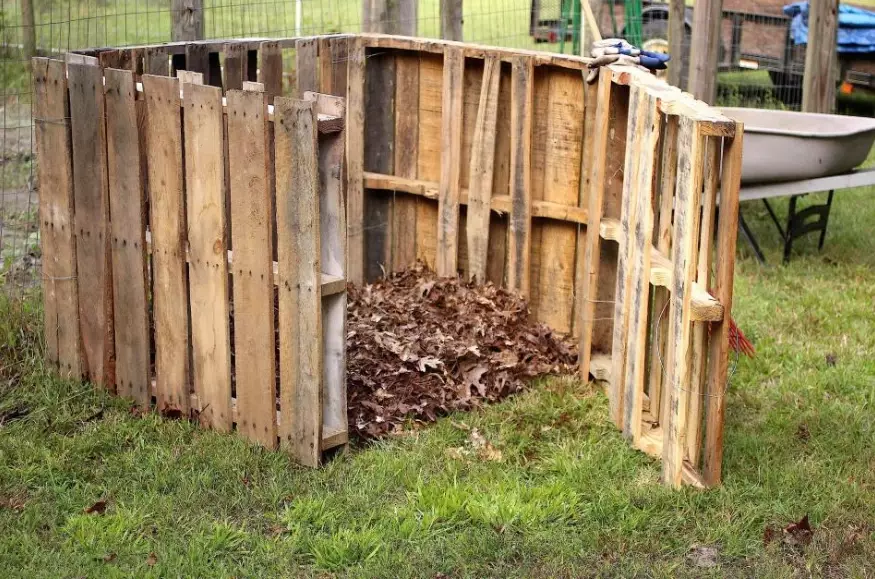
Finding and Choosing Safe Pallets (The Critical First Step)
This is where most guides gloss over the risks. Not all pallets are created equal. You want heat-treated pallets, stamped with HT. Avoid any stamped MB (Methyl Bromide), a toxic fumigant. The USDA has info on pallet treatment codes, but the rule is simple: HT good, MB bad.
Where to find them? Check behind grocery stores, hardware stores, or garden centers. Ask first. Don't just take them. Look for pallets in decent shape—no major cracks, rot, or protruding nails. My blue pallet mistake? It was likely chemically treated or painted. If a pallet looks brand new, brightly colored, or has any oily residue, leave it. Stick to plain, weathered wood.
| Pallet Stamp/Feature | What It Means | Safe for Compost Bin? |
|---|---|---|
| HT | Heat-Treated. Heated to kill pests. | YES - The ideal choice. |
| MB | Methyl Bromide. Chemical fumigant. | NO - Avoid completely. |
| DB | Debarked. Just means bark removed. | Usually OK, but check for HT. |
| Bright Paint/Stain | Often indicates chemical treatment. | NO - Not worth the risk. |
| Oil Stains | Contaminated with unknown chemicals. | NO - Will leach into your compost. |
How to Build a Pallet Compost Bin in 6 Steps
You need four pallets for a basic single bay, plus one for the optional front slats. Tools: a hammer, pry bar, gloves, safety glasses, and deck screws or heavy-duty nails. A drill helps but isn't essential.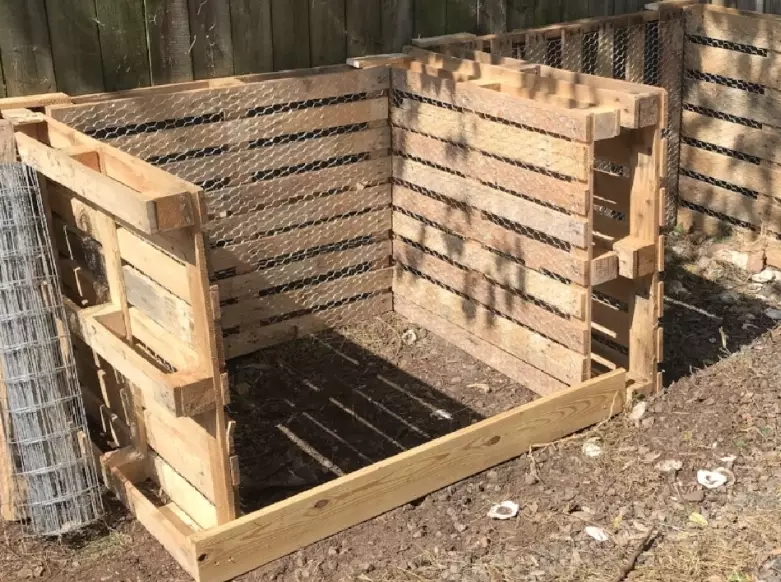
Step 1: Prep Your Site
Pick a level spot with partial sun, good drainage, and easy access year-round. Don't tuck it in a far corner—you'll neglect it. Clear grass and weeds. Some people set pallets directly on soil for worm access; I prefer placing them on a base of coarse sticks or wood chips for better bottom air flow.
Step 2: Construct the Back and Sides
Stand two pallets on their long edges to form a 90-degree corner. Screw or nail them together at the top, middle, and bottom through the sturdy corner blocks. Repeat for the third side. Use a level to keep things roughly upright. Perfection isn't needed; it's a compost bin.
Step 3: Secure the Structure
Hammer a few sturdy wooden stakes (scrap 2x4s work) into the ground on the outside of each corner. Screw the pallets to these stakes. This prevents the whole thing from bowing out when full. This step is often skipped, and you'll regret it when the bin looks pregnant after a heavy rain.
Step 4: Create the Front
For the front, you can use a fourth pallet attached with hinges or hooks for easy removal. My preferred method is simpler: take a fifth pallet apart carefully with a pry bar to get individual slats. Then, slot these slats between the front corners of your side pallets as you fill the bin. They're removable one by one for easy access.
Step 5: Reinforce and Line (Optional)
If gaps between boards are large, staple hardware cloth (galvanized wire mesh) to the inside to keep material from falling out. Don't line it with plastic—you'll suffocate the pile. The goal is air, not a sealed tomb.
Step 6: Plan for Expansion
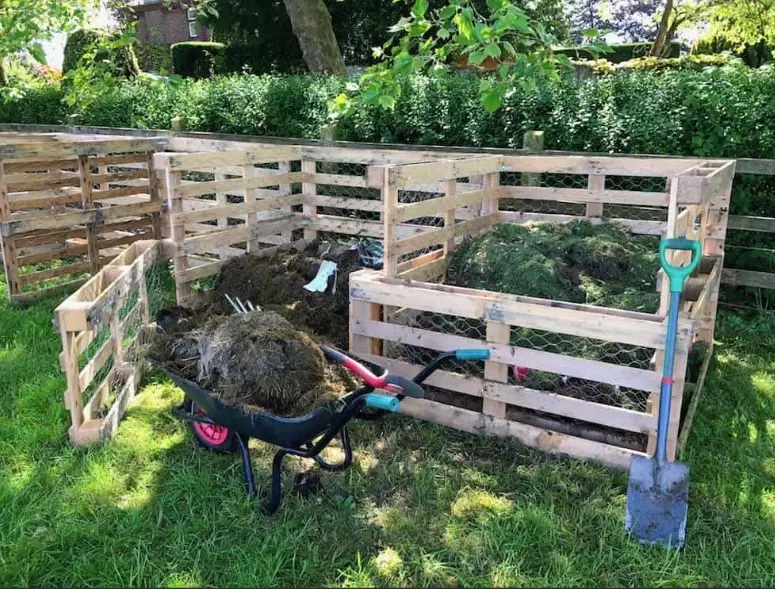
Leave space next to your bin. Once you get the hang of it, you'll want a second bay for turning compost, and a third for finished stuff. That's the beauty of pallets—modular and free.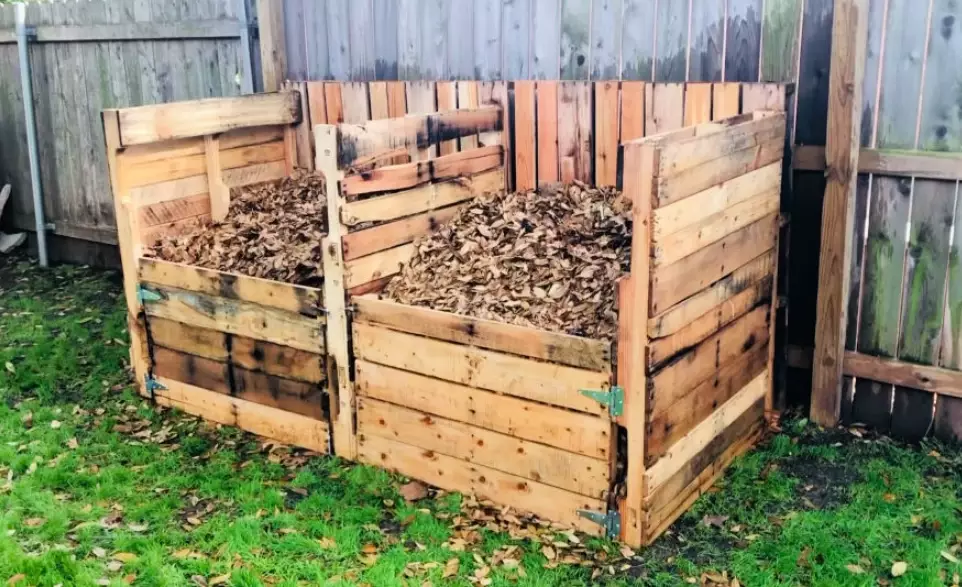
What Can and Can't Go in Your Pallet Compost Bin?
Think of your compost pile as a hungry pet. It needs a balanced diet of Greens (Nitrogen-rich, moist) and Browns (Carbon-rich, dry). The magic ratio is roughly 1 part Greens to 2-3 parts Browns by volume.
Perfect Greens: Fruit and vegetable scraps, coffee grounds (filters too), fresh grass clippings (in thin layers), garden trimmings, plant-based kitchen waste.
Perfect Browns: Dried leaves, straw, shredded cardboard (non-glossy), untreated wood chips, small twigs, shredded newspaper (black ink only), the sawdust from your pallet deconstruction.
Maintaining Your Compost: The Layering and Turning Routine
Start with a 6-inch layer of coarse browns (twigs) at the bottom for drainage. Then, add your materials in lasagna-style layers: 4-6 inches of browns, 2-3 inches of greens, a thin sprinkle of garden soil (for microbes), repeat. Moisten each layer as you go—it should feel like a wrung-out sponge.
Turning is the workout. Every 2-4 weeks, use a pitchfork to move the entire pile from one bay into an empty bay next to it. This mixes materials, introduces oxygen, and speeds decomposition. No second bay yet? Fork the pile over onto a tarp next to the bin, then fork it back in. If you don't turn it, it'll still compost, just slower (cold composting).
You'll know it's working when the pile gets warm or even hot in the center a few days after building or turning.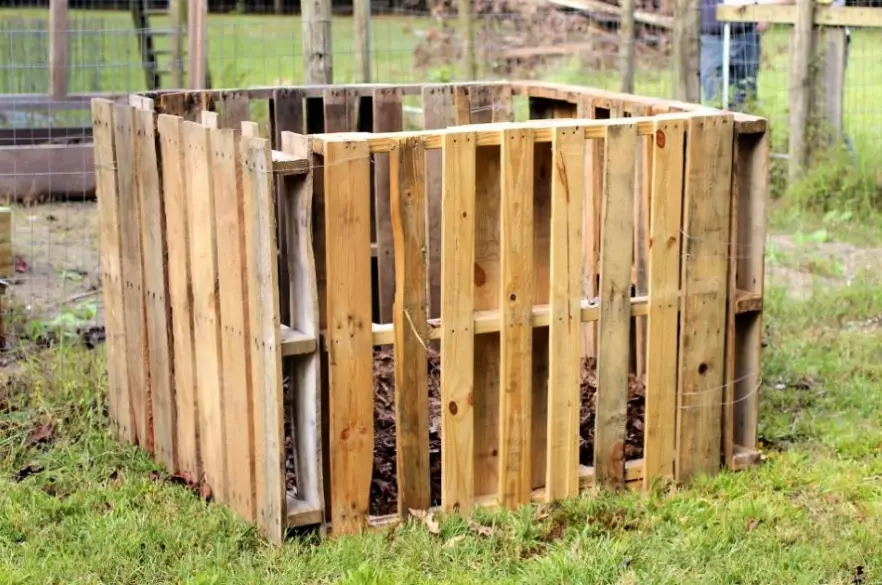
Troubleshooting Common Pallet Compost Problems
Smells Bad (Rotten): Too many greens, not enough air, or too wet. Fix it by turning the pile and mixing in a bunch of dry browns like shredded cardboard or straw.
Not Heating Up: Pile is too small, too dry, or needs more nitrogen. Add more greens, moisten it, and ensure it's at least 3x3x3 feet.
Attracting Flies/Rodents: You're probably adding food scraps on top. Always bury kitchen waste under a 6-inch layer of browns. A tight lid on your kitchen countertop collector helps too.
Taking Forever to Break Down: Pieces are too big, pile is dry, or needs turning. Chop up large items, add water, and give it a good fork-over.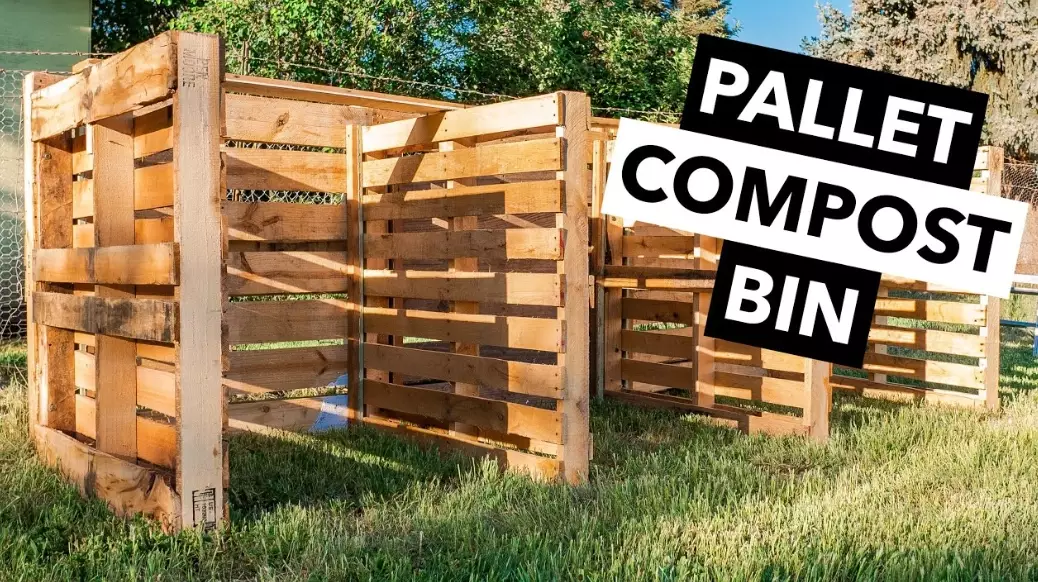
Your Pallet Compost Questions Answered
 My pallet bin compost is full of pill bugs and ants. Is that bad?
Reader Comments