Think your gardening season ends with summer? Think again. Planting a fall garden is one of the smartest moves you can make. The weather is cooler, pests are fewer, and many vegetables actually taste better after a light frost. The key is knowing exactly what to plant in a fall garden and when to get those seeds or seedlings in the ground. I’ve made the mistake of planting too late more times than I care to admit, watching my spinach bolt before it ever formed a proper leaf. Let’s make sure that doesn’t happen to you.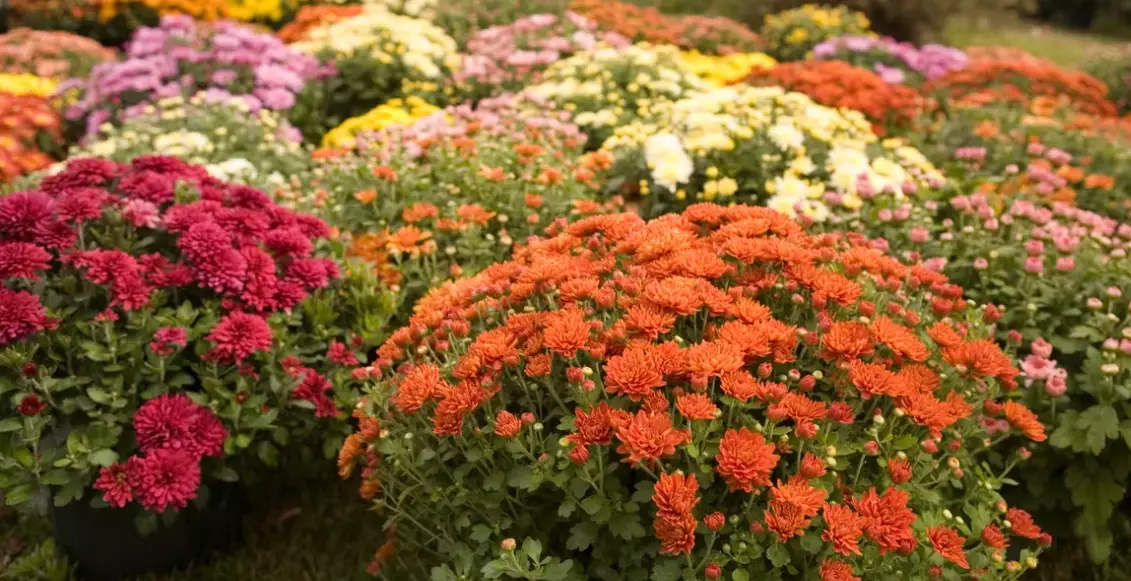
Your Fall Planting Quick Guide
Why a Fall Garden is a Brilliant Idea
Most people pack up their tools after harvesting tomatoes. That’s a missed opportunity. Fall gardening solves several problems at once.
First, the heat stress is gone. Lettuce won’t turn bitter and bolt. Kale thrives. Second, the insect pressure drops dramatically. You won’t be fighting a daily war against cabbage worms or squash bugs like you do in July. The soil is still warm from summer, which helps seeds germinate quickly, but the air is cool, creating perfect growing conditions for a specific set of plants.
There’s an economic angle too. You’re extending the productive life of your garden bed, getting more food from the same space. And let’s be honest, there’s something deeply satisfying about harvesting fresh greens in October when everyone else’s garden is bare.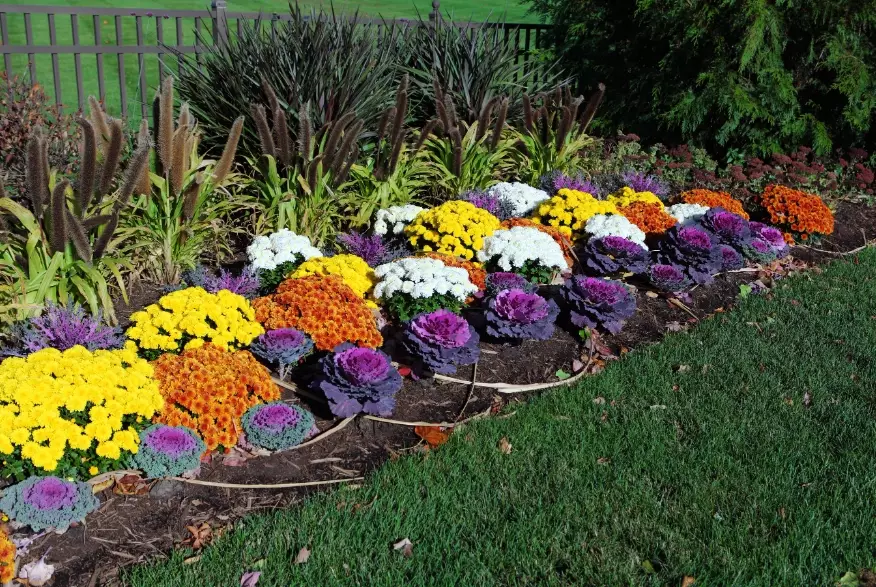
Pro Tip: The single biggest mistake is missing the planting window. Fall gardening is a race against the first hard frost. You need to work backwards from that date, not forwards from today. Find your average first frost date (your local university extension service website is the best source) and use it as your finish line.
The Best Vegetables for Your Fall Garden
Not everything grows well as days shorten. Focus on plants that tolerate cool weather and even light frosts. I break them into two groups: fast growers you harvest in fall, and overwintering champions that can survive into spring.
Top Fall Harvest Crops (Fast Growers)
These need to reach maturity before serious cold hits. Radishes are the poster child—some varieties are ready in 25 days. Arugula, baby spinach, and many Asian greens like Tatsoi and Mizuna are incredibly fast. They’re perfect for filling gaps after you pull up spent summer plants.
Cold-Hardy Champions for Extended Harvest
These are the workhorses. Their flavor often improves with cold. Kale becomes sweeter. Brussels sprouts need frost to develop their best taste. I always plant extra Swiss chard because it’s nearly indestructible and provides leaves for months.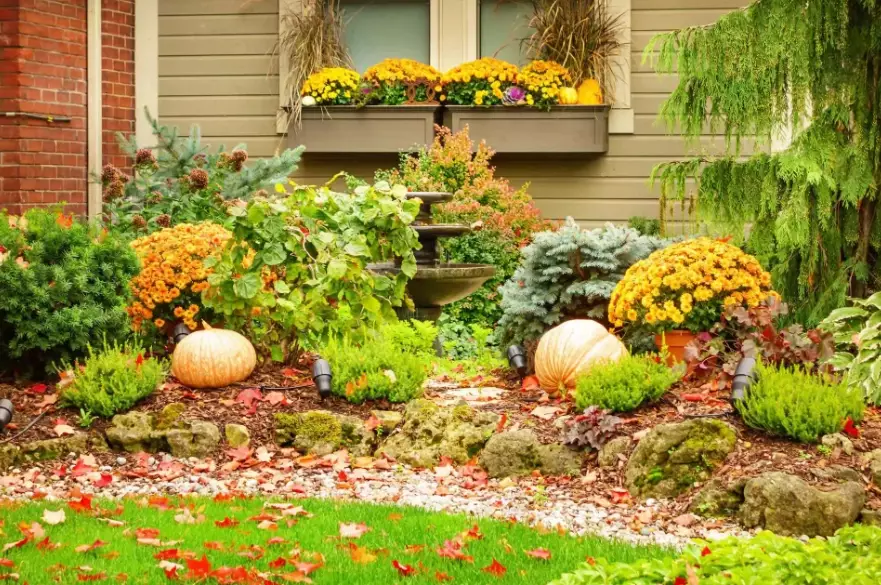
| Vegetable | Key Varieties to Try | Days to Maturity | Notes & Tips |
|---|---|---|---|
| Kale | Lacinato (Dinosaur), Winterbor, Red Russian | 50-65 | Harvest outer leaves all season. Flavor sweetens after frost. |
| Spinach | Bloomsdale Long Standing, Tyee | 40-50 | Plant in partial shade if fall is warm. Prone to bolting in heat. |
| Lettuce (Leaf) | Black Seeded Simpson, Oakleaf, Winter Density (Romaine) | 45-55 | Cut-and-come-again method works great. Protect from hard freeze. |
| Carrots | Napoli, Bolero, Autumn King | 60-80 | Can be mulched and left in ground for winter harvest. Sweetest after cold. |
| Beets | Detroit Dark Red, Chioggia, Golden | 50-60 | Harvest greens early for salads. Roots store well in ground. |
| Radishes | Cherry Belle, French Breakfast, Daikon | 25-60 | Ultra-fast. Perfect for impatient gardeners. Loosen soil for round roots. |
| Broccoli | Calabrese, Waltham 29, Purple Sprouting | 60-80 | Start from transplants for best head start. Side shoots after main head. |
Don’t forget herbs. Parsley, cilantro, dill, and chervil often do better in fall than in the scorching summer. Cilantro, in particular, bolts so quickly in heat that fall is its prime time.
Your Fall Planting Calendar & Timing
Timing is everything. This isn’t a suggestion; it’s the rule. Here’s how to crack it.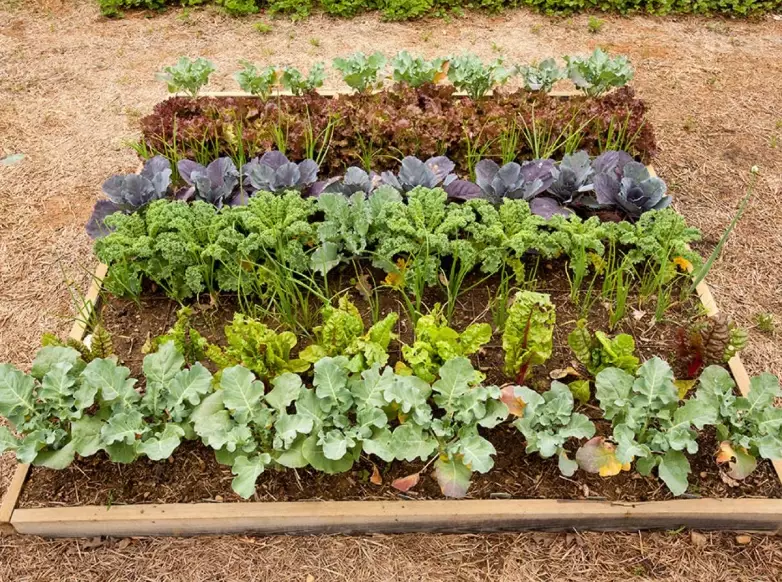
First, find your average first frost date. Let’s say it’s October 20th. You need to know the “days to maturity” on your seed packet. For a lettuce that matures in 50 days, you’d want it ready by mid-October. But here’s the twist no one tells you: plants grow slower in fall’s cooler, shorter days. Add a “fall factor” of 10-14 days to the packet’s maturity time.
So that 50-day lettuce really needs 60-64 days. Counting back from October 20th, you should plant around August 17th-21st. See how tight that window is? For crops you harvest after frost (like kale and parsnips), you just need them to be decently established before growth stops.
I use a simple mental calendar:
10-12 weeks before frost: Plant broccoli, cabbage, Brussels sprouts from transplants. Direct sow carrots and beets.
8-10 weeks before frost: Direct sow kale, Swiss chard, collards, fast-maturing beans.
6-8 weeks before frost: Plant lettuce, spinach, arugula, radishes, turnips.
4-6 weeks before frost: It’s your last call for radishes and spinach under a protective cover.
How to Plant Your Fall Garden: A Step-by-Step Approach
Let’s walk through setting up a new fall bed. Imagine you’re clearing out a patch that had zucchini in it (which, by August, is probably a sad, mildewy mess).
Step 1: Clear and Rejuvenate. Pull out the old plants. Don’t just till them in. Then, add compost. That summer zucchini sucked nutrients out. A 1-2 inch layer of compost worked into the top few inches of soil is like a shot of espresso for your garden.
Step 2: Rethink Your Layout. Place taller plants (like staked peas or brussels sprouts) on the north side so they don’t shade shorter greens. I plant in blocks, not long rows, to maximize space and make covering easier later.
Step 3: Master the Seedbed. Summer soil can be crusty and dry. After raking smooth, water the area deeply a day before planting. You want moist, crumbly soil, not dust or mud. Plant seeds slightly deeper than in spring because the soil surface dries out slower but is cooler.
Step 4: Water for Germination. This is critical. The top inch of soil must stay consistently moist for seeds to sprout. A light mulch of straw or grass clippings after seedlings emerge helps retain that moisture and keeps soil temps even.
One year, I planted perfect rows of spinach and then went away for a hot weekend. The top layer baked into a brick, and nothing came up. A simple shade cloth or even an old bed sheet propped over the area would have saved it.
Expert Care Tips for a Bountiful Fall Harvest
Your job isn’t done after planting. Fall gardens need a different kind of attention.
Watering: While cooler temps mean less evaporation, fall can also be dry. Water deeply once a week if rain is lacking. Avoid overhead watering in the evening to prevent mildew on leaves like spinach and lettuce.
The Frost Protection Game: This is where you win. A light frost (28-32°F) won’t kill your hardy crops, but extending the season by a few weeks is huge. Have floating row covers (like Reemay) or old sheets ready. Drape them over hoops or directly on plants before nightfall. Remove them during the day. For heartier greens, a simple cold frame made from an old window and some straw bales can keep you harvesting into December.
Feeding: Go easy on nitrogen-heavy fertilizers. You want steady growth, not a burst of tender leaves that frost will nip. A balanced organic fertilizer or a side-dressing of compost at planting is usually enough.
The real secret? Succession planting. Don’t sow all your lettuce at once. Sow a short row every two weeks. That way, you have a continuous supply and don’t risk losing everything to one early cold snap.
Common Fall Garden Questions Answered
 My fall-planted spinach is growing painfully slow. What’s wrong?
Reader Comments