Let's be honest. The classic image of gardening—back bent, shovel in hand, turning over heavy clods of earth—isn't just hard work. For many of us, it's a barrier. What if I told you that the most productive, weed-free, and resilient gardens I've ever grown involved putting the shovel away for good? That's the promise of no dig gardening. It's not a lazy shortcut; it's a fundamental shift in how we work with nature, not against it. By simply layering organic materials on top of the soil, you can build incredible fertility, save your back, and spend more time harvesting than weeding. I switched over a decade ago after a particularly grueling spring dig left me sore for days, and I haven't looked back.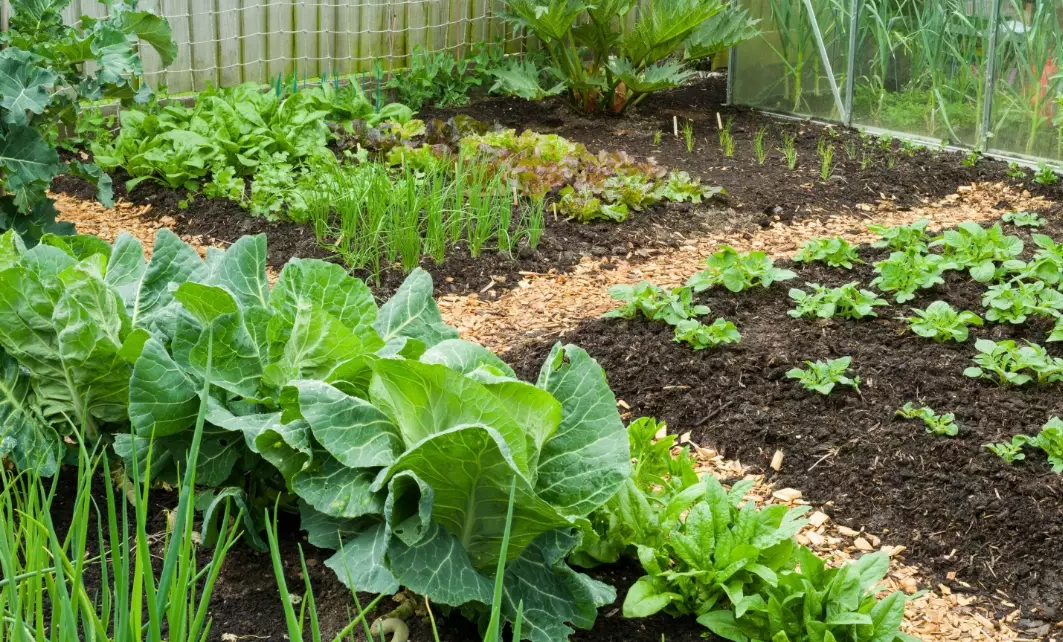
What You'll Find in This Guide
What No Dig Gardening Really Means (It's Not Just "No Digging")
The name gives away the main rule: you don't till, turn, or deeply dig the soil. But reducing it to just "not digging" misses the point. The core philosophy is soil disturbance minimization. You're aiming to preserve the complex, fungal-dominated ecosystem that naturally exists in healthy earth. When you dig, you destroy soil structure, slice up earthworms and mycorrhizal networks, and bring a fresh batch of weed seeds to the surface to germinate.
Instead, you build from the top down. Think of it as composting in place. You smother existing weeds or grass with a light-blocking layer (cardboard is the hero here), then pile on 6-10 inches of well-rotted organic matter—compost, manure, leaf mold. This becomes both your growing medium and a continuous feed for the life below. Plants root into this rich, loose layer, and the worms do the "digging" for you, pulling organic matter down and aerating the soil with their tunnels. Methods like lasagna gardening or sheet mulching are essentially variations on this no dig theme.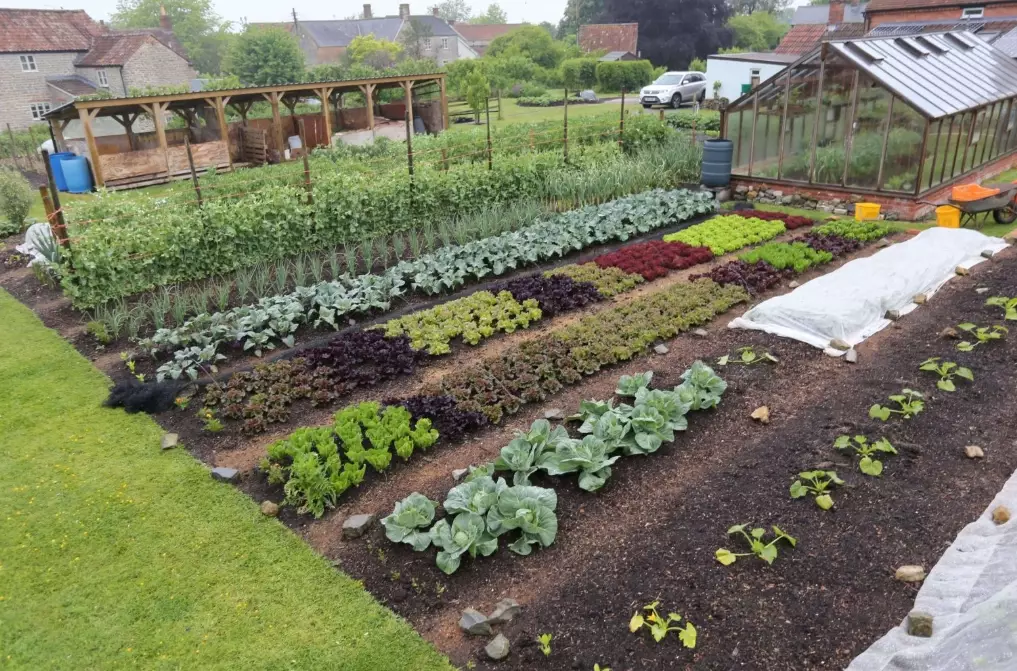
The subtle mistake most beginners make: They use immature, fresh compost or manure. If it's still hot, steaming, or full of recognizable bits, it can burn plant roots and tie up nitrogen as it finishes breaking down. Your top layer must be well-rotted. It should look, feel, and smell like dark, crumbly earth. If you buy bagged compost, give it a squeeze test. It should hold together loosely but break apart easily.
Why Choose a No Dig Garden? The Data Doesn't Lie
I was skeptical at first. It seemed too good to be true. But the results, both in my own garden and in larger studies, are compelling. Let's break down the key benefits side-by-side with traditional gardening.
| Aspect | Traditional Digging Garden | No Dig Garden |
|---|---|---|
| Weed Pressure | High initially. Digging brings buried weed seeds to the surface to germinate. | Drastically reduced. The cardboard/mulch barrier smothers existing weeds and prevents new seeds in the soil from seeing light. |
| Soil Structure | Can be damaged. Repeated digging destroys aggregates and can create hardpan. | Preserved and improved. Fungal networks and worm channels remain intact, creating stable, well-aerated soil. |
| Water Retention | Lower. Exposed soil loses moisture quickly to evaporation and runoff. | Higher. The thick organic blanket acts like a sponge, reducing watering needs by 30-50% in my experience. |
| Time & Labor | High initial and seasonal input (digging, tilling). | High initial setup (moving compost), then very low maintenance (light weeding, top-dressing). |
| Carbon Sequestration | Low to negative. Tilling releases stored soil carbon into the atmosphere. | Positive. Adding organic matter on top builds soil carbon, a principle aligned with regenerative agriculture. |
| Plant Health & Yield | Can be good with high inputs. | Consistently high. Healthier soil biology leads to more resilient plants. Trials by pioneers like Charles Dowding often show earlier and heavier crops. |
The Royal Horticultural Society (RHS) acknowledges the benefits of no-till practices for soil health. While their research often focuses on larger-scale agriculture, the ecological principles directly apply to our backyards. The USDA's Natural Resources Conservation Service also provides extensive resources on soil health management that underscore the value of minimizing disturbance.
For the home gardener, the biggest win is time. After the first season, maintenance becomes a matter of pulling the occasional weed and adding an inch of compost each autumn. The backache is gone.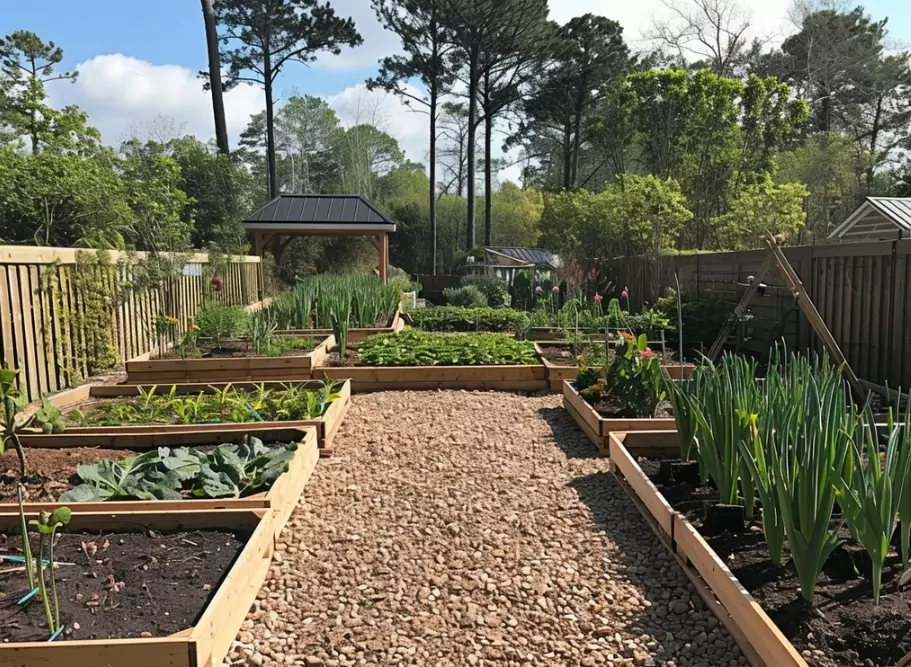
How to Start Your First No Dig Bed: A Step-by-Step Walkthrough
You can start anytime the ground isn't frozen solid, but autumn is ideal. It gives the bed all winter to settle. Here’s exactly what I did for my 4ft by 8ft starter bed.
Gathering Your Materials
You'll need more compost than you think. For a 4x8 ft (32 sq ft) bed, 6 inches deep, you need about 64 cubic feet of material. That's roughly eight standard 8-cubic-foot bags of compost, or a small bulk delivery.
The Essentials:
- Cardboard: Plain brown cardboard, remove all tape and glossy labels. No wax-coated boxes.
- Well-rotted compost or manure: The foundation. Get the best you can afford or make.
- Optional top mulch: Straw, wood chips, or more compost to finish.
- A hose or watering can.
The Process, Minute by Minute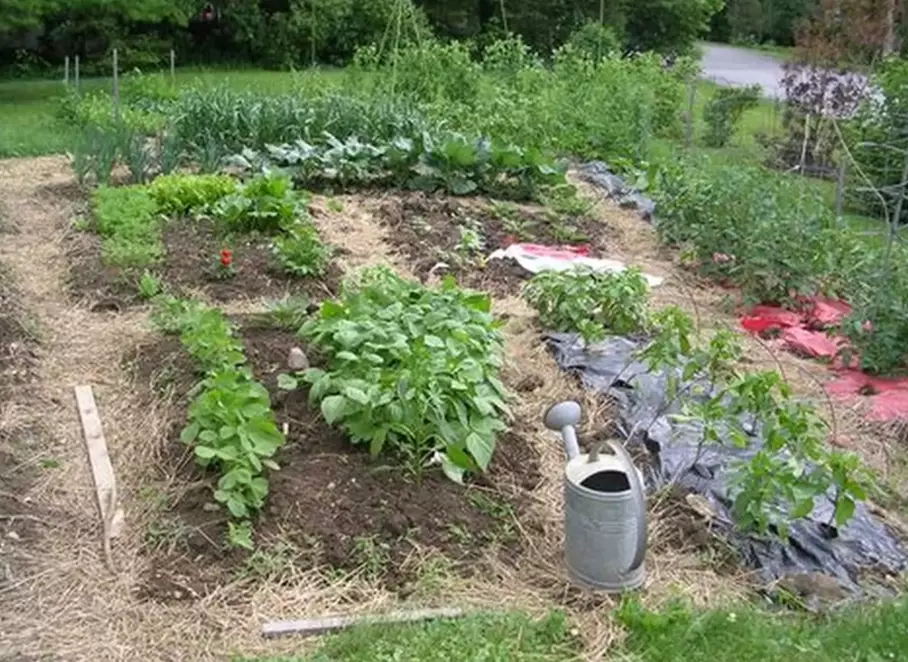
1. Site Prep (10 minutes): Mow or flatten any existing vegetation on the spot. Don't dig it up. Just knock it down.
2. Lay Cardboard (15 minutes): Lay sheets of cardboard directly on the ground, overlapping edges by at least 6 inches to prevent weeds sneaking through. Water it thoroughly. This step is non-negotiable—it's your weed barrier.
3. Pile on Compost (1-2 hours, depending on delivery): Dump your compost right on top of the wet cardboard. Spread it evenly to a depth of at least 6 inches. 8-10 inches is even better if you have the material. Don't mix it with the soil below. Just let it sit on the cardboard.
4. Plant or Mulch (Variable): You can plant right away! For transplants (tomatoes, kale, lettuces), just make a small hole in the compost, pop the plant in, and firm it around. For seeds (carrots, beets), you might need a shallow "drill" of finer compost or sieved soil on the very top. If not planting immediately, cover the bed with a thin layer of straw to prevent erosion.
That's it. Your bed is ready. The first season, you might find the odd persistent weed (like bindweed) poking through. Just pull it. By year two, the cardboard will have decomposed, and you'll have a beautiful, deep layer of fertile soil teeming with life.
Beyond the Basics: Advanced Tricks and Common Pitfalls
After ten years, you learn a few things the hard way.
Dealing with Tough Weeds: For a lawn of Bermuda grass or a patch of bindweed, one layer of cardboard might not be enough. I double-layer the cardboard in those spots, or use a thicker, water-permeable weed barrier fabric for the first season before switching to just compost.
The "Hungry Gap" Myth: Some worry that nutrients will leach out. They don't. The organic matter breaks down slowly, feeding plants all season. The real issue is using low-quality, overly woody compost that's not fully broken down. It will rob nitrogen. Spend on good compost for year one; you can make your own for top-dressing later.
What to Grow First: All common vegetables thrive. Root crops like carrots and parsnips do exceptionally well in the soft, stone-free medium. One caveat: very tall, heavy plants (like mature corn or giant sunflowers) might need staking earlier, as the root zone can be less compact than deeply dug earth.
The Annual Top-Up: This is the only "work" needed. Each fall or early spring, add a 1-2 inch layer of compost on top of the bed. No digging it in. Just spread it like a blanket. This feeds the soil, suppresses weeds, and maintains the depth.
Your No Dig Questions, Answered
 The initial cost seems high with all that compost. Is it worth it compared to just digging my existing soil?
Reader Comments