Raised garden beds are a game-changer, but filling them with the right plants is what turns a good garden into a great one. I've seen too many enthusiastic gardeners make the same mistake: they treat a raised bed like any other patch of ground. It's not. The superior drainage, warmer soil, and defined space demand a different strategy. This guide cuts through the generic advice and gives you the specific plant picks and layout plans that actually work, based on what I've learned from years of trial and error (and a few spectacular failures).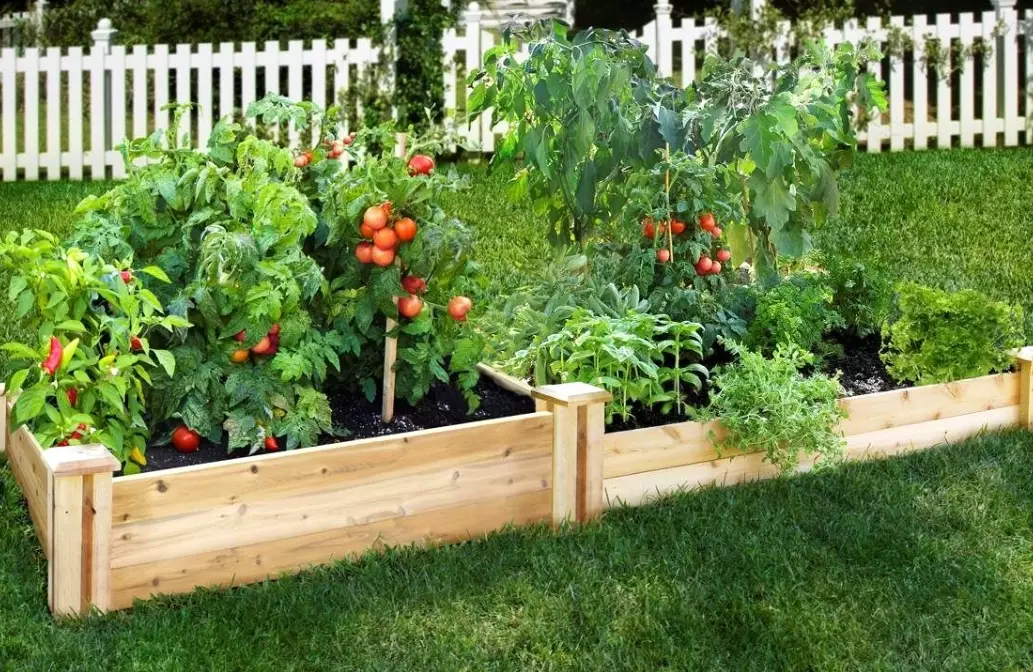
What's Inside This Guide
Why Plants Thrive in Raised Beds
Think of a raised bed as first-class seating for your plants. The soil warms up faster in spring, giving you a head start on the season. Water drains away efficiently, preventing roots from sitting in soggy soil—a common killer in heavy clay gardens. You have complete control over the soil mix, so you can create the perfect, fluffy, nutrient-rich home right from the start. This controlled environment lets you push the limits on what you can grow and how closely you can plant it.
But there's a catch everyone misses: that perfect soil compacts over time. You're not getting the natural tillage from earthworms and deep roots like in the ground. After a season or two, you need to actively fluff it up and add more compost, or your yields will drop. It's not a set-and-forget system.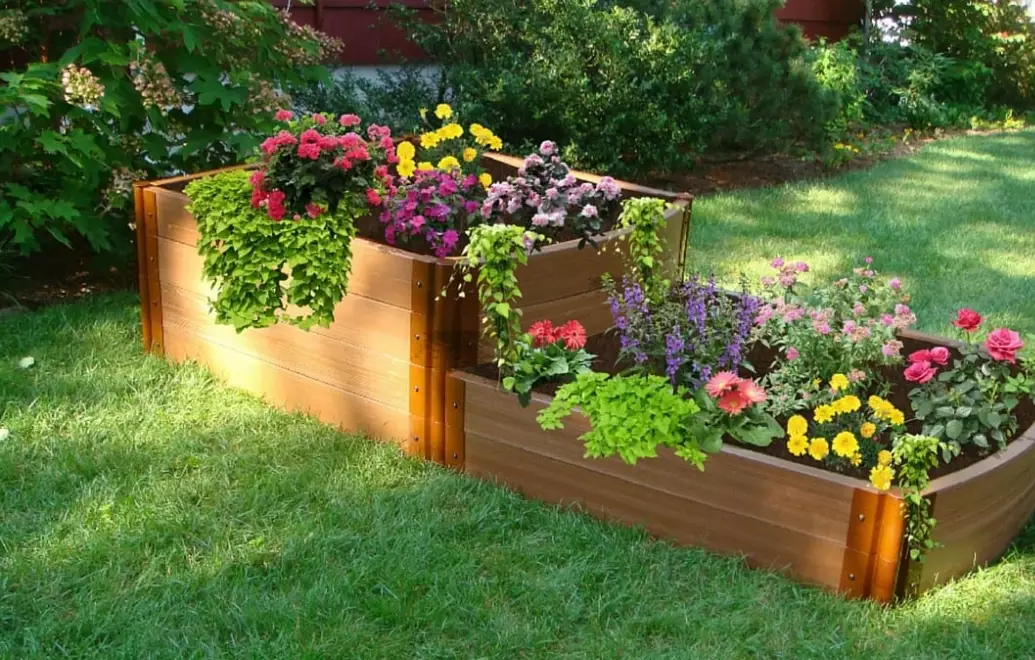
Pro Tip: The depth of your raised bed dictates your plant choices. For most vegetables, aim for at least 12 inches of soil depth. Root crops like carrots and parsnips need 18 inches or more to develop properly without forking.
Top Plant Picks for Your Raised Bed
Not all plants are created equal for raised bed life. You want high-value, high-yield crops that make the most of the premium space. Here’s a breakdown of the champions, based on reliability, harvest potential, and how well they fit into a dense planting plan.
| Plant Type | Specific Varieties (Why They Rock) | Spacing (Inches) | Special Raised Bed Advantage |
|---|---|---|---|
| Leafy Greens | Lettuce (Salad Bowl, Romaine), Kale (Lacinato/Dinosaur), Swiss Chard (Bright Lights). You can cut-and-come-again for months. | 6-12 | Fast growth, perfect for interplanting between slower crops. The loose soil makes for clean, grit-free leaves. |
| Root Vegetables | Radishes (Cherry Belle), Carrots (Nantes, Short 'n Sweet), Beets (Detroit Dark Red). Choose shorter varieties if your bed is under 12" deep. | 2-4 | Deep, loose soil prevents forking and stunting. You can grow perfectly straight carrots every time. |
| Tomatoes & Peppers | Tomatoes (Determinate/Patio types like 'Celebrity', 'Roma'), Peppers ('Jalapeno', 'California Wonder'). One stake per plant is all you need. | 18-24 | Warmer soil speeds up ripening. Excellent drainage prevents blossom end rot, a common soil-moisture issue. |
| Compact Squash & Cucumbers | Zucchini (Bush varieties), Cucumbers (Bush Pickler), Summer Squash (Patty Pan). Train vining types up a trellis on the north side. | 24-36 | Contain their sprawl. Growing vertically saves immense space and improves air circulation. |
| Herbs & Alliums | Basil, Cilantro, Parsley, Green Onions, Garlic. Plant these around the edges as living borders. | 4-8 | Easy access for frequent harvesting. Their strong scents can help deter pests from more vulnerable plants. |
Avoid plants that need too much room or are perennial in a bed you want to rotate annually. This means saying no to full-sized pumpkin vines, asparagus (needs a permanent spot), or artichokes. They're space hogs that break the intensive system.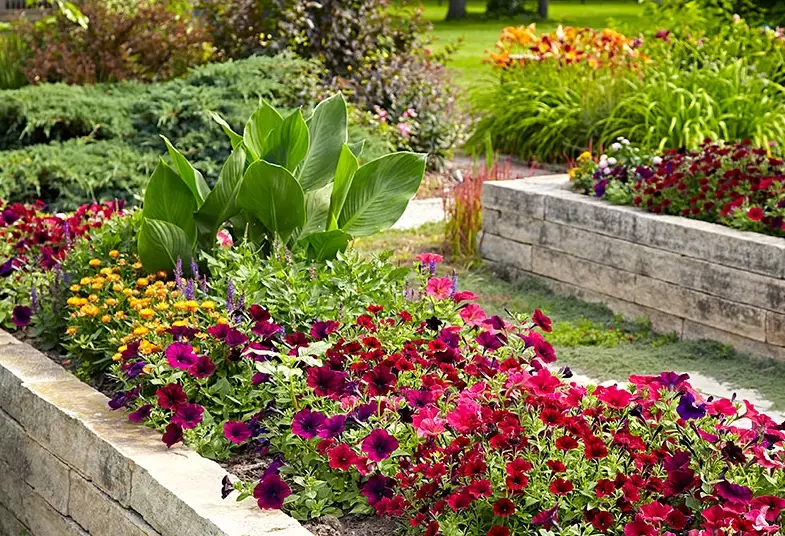
How to Plan Your Raised Bed Layout
This is where the magic happens. Throwing plants in randomly leads to a jungle. A plan leads to a harvest. I always sketch it out on paper first.
Case Study: The 4' x 8' Starter Bed
Let's design a bed you can actually follow. Imagine a standard 4-foot by 8-foot rectangle. The key is to plant in blocks or grids, not single-file rows, and to think vertically.
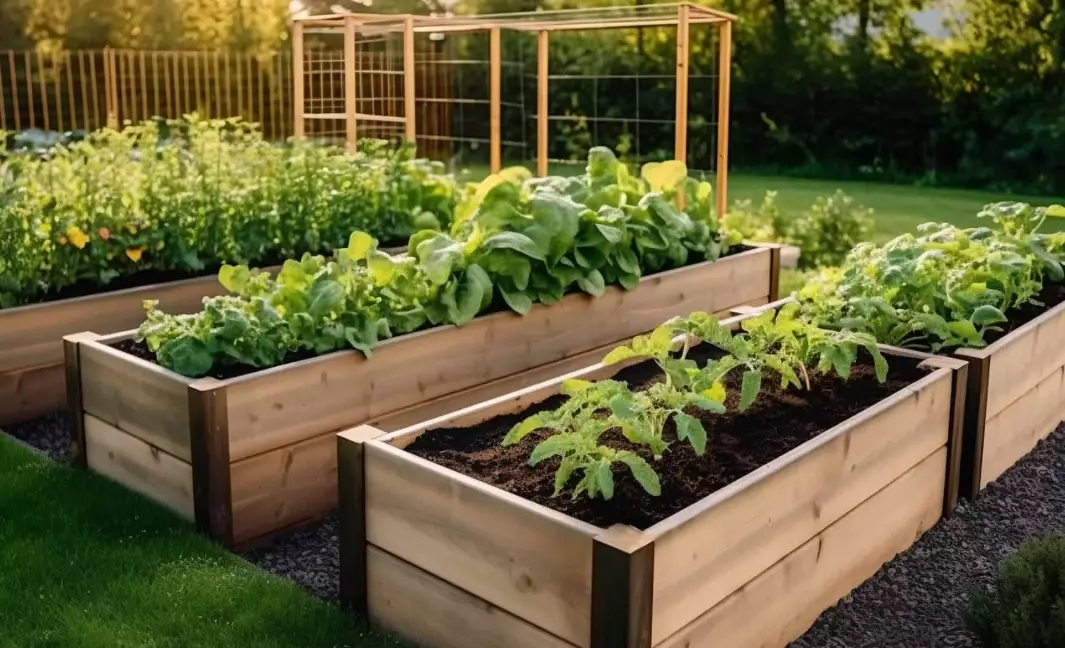
- North Side (Tallest): Install a simple 6-foot tall trellis. Here, plant 2-3 vining crops: pole beans or cucumbers. They grow up, not out.
- Center Section: This is for your medium-height sun-lovers. Plant 2 determinate tomato plants (like 'Celebrity'), with a basil plant at the base of each (they're great companions). Surround them with 4-6 pepper plants.
- South & East Edges (Front): This prime, easily accessible space is for frequent harvests. Plant a mix of leaf lettuce, spinach, and radishes. You can sow these densely and harvest young.
- West Edge & Corners: Tuck in herbs like parsley, cilantro, and thyme. Plant a few scallions or bunching onions in the corners.
This layout uses companion planting (tomatoes + basil), vertical growing (trellis), and succession planting (quick radishes between slower lettuce). When the lettuce is done, that spot is ready for a new crop.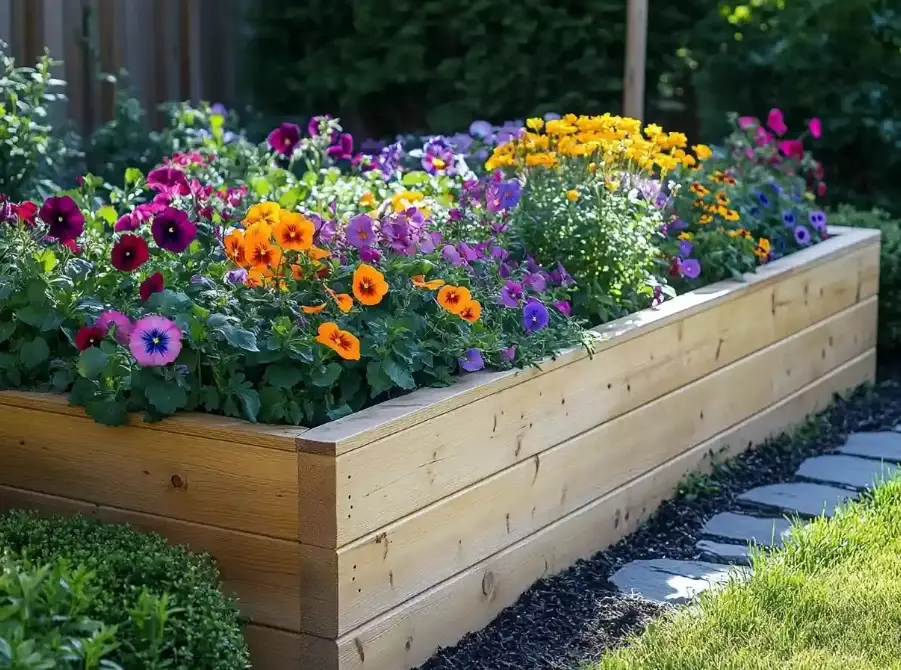
Common Raised Bed Planting Mistakes
I've made these so you don't have to.
Overcrowding. The number one error. Seed packet spacing is a suggestion for ground planting. In rich raised bed soil, you can often cut that distance by 25%. But you can't ignore it completely. Two tomato plants need their 18-24 inches, or you'll get disease and no fruit. Crowding creates competition for light and food.
Forgetting Crop Rotation. Even in a small space, you shouldn't plant tomatoes in the same spot year after year. It invites soil-borne diseases. Keep a simple garden journal—just a note on what was where last season. Follow tomatoes with beans, then greens, then roots.
Neglecting the Soil. Raised bed soil is active and gets exhausted. It's not dirt; it's a living ecosystem. Every season, before planting, I take out a few inches of the top layer and mix in a 2-3 inch layer of fresh, high-quality compost. This isn't optional maintenance; it's the fuel for your season.
Seasonal Planting Strategies
A raised bed can produce three seasons of food if you play it right.
Spring: Start with cold-hardy crops as soon as the soil can be worked. Peas, spinach, kale, lettuce, radishes, carrots. You can use a simple floating row cover on chilly nights to protect them and speed growth.
Summer: As spring crops finish, transition to your heat-lovers. Transplant your tomatoes, peppers, eggplant, and basil. Direct sow beans and cucumbers. This is your main production season.
Fall: Don't let the bed go empty in August. In mid-to-late summer, start sowing fall crops where space opens up. More lettuce, spinach, kale, turnips, and even fast-maturing beets. The soil is still warm for germination, and they'll sweeten up after a light frost.
Your Raised Bed Planting Questions Answered
 Is it worth planting flowers in my vegetable raised bed?
Reader Comments