Let's be honest. Most gardening advice makes asparagus sound like a fussy aristocrat of the vegetable world. It's not. I've watched too many gardeners give up after two seasons of spindly spears, convinced they have a black thumb. The truth is simpler: we often plant it wrong from day one. Planting asparagus isn't about a single season; it's a long-term contract with your garden. Do it right, and you're signing up for 15, 20, even 30 years of the sweetest, most satisfying harvest you can imagine. Skip the foundational steps, and you'll be fighting a losing battle against weeds and disappointment.
This guide cuts through the fluff. I'm sharing exactly what works, drawn from years of trial, error, and conversations with commercial growers who depend on their asparagus beds for a living.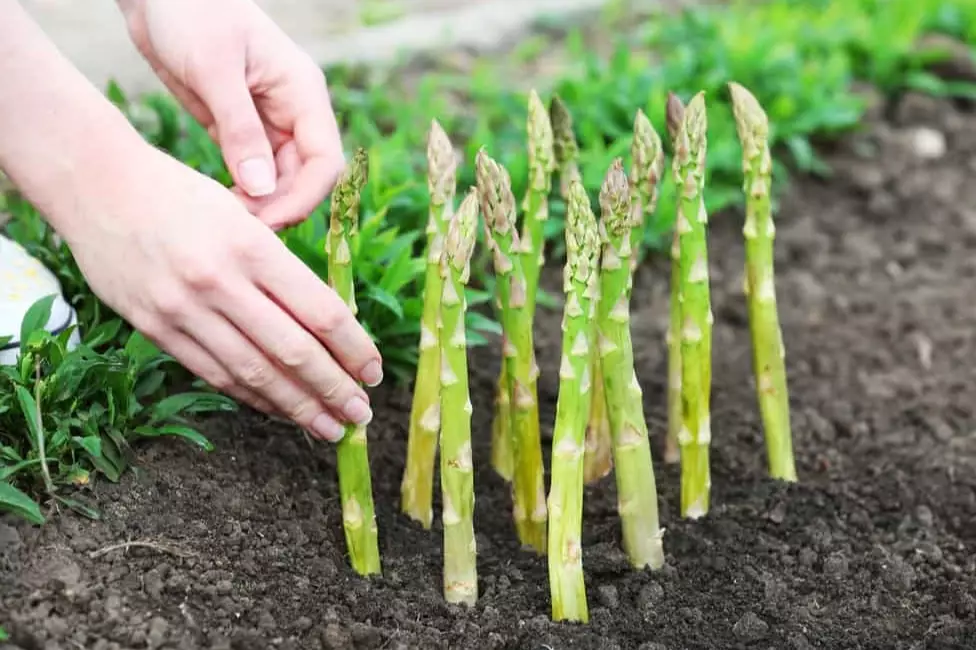
What You'll Find in This Guide
How to Choose the Perfect Asparagus Planting Site
This is the decision that matters more than any other. Asparagus roots, called crowns, are perennial. They'll stay in the same spot for decades. Moving them later is a brutal, often fatal, task.
Think like a real estate agent: location, location, location.
Sunlight is non-negotiable. You need a minimum of 8 hours of direct sun. More is better. I've seen beds in partial shade struggle for years, producing thin, weak spears that never bulk up. Full sun fuels the massive root system needed for robust harvests.
Soil drainage is the silent killer. Asparagus crowns hate wet feet. Soggy soil in winter leads to crown rot, a death sentence. Don't just guess. Dig a hole about 12 inches deep and fill it with water. If it drains completely in 4-6 hours, you're good. If it sits longer, you need to build a raised bed or find another spot. Resources from university extension services, like those from the University of Minnesota Extension, consistently rank poor drainage as the top cause of asparagus failure.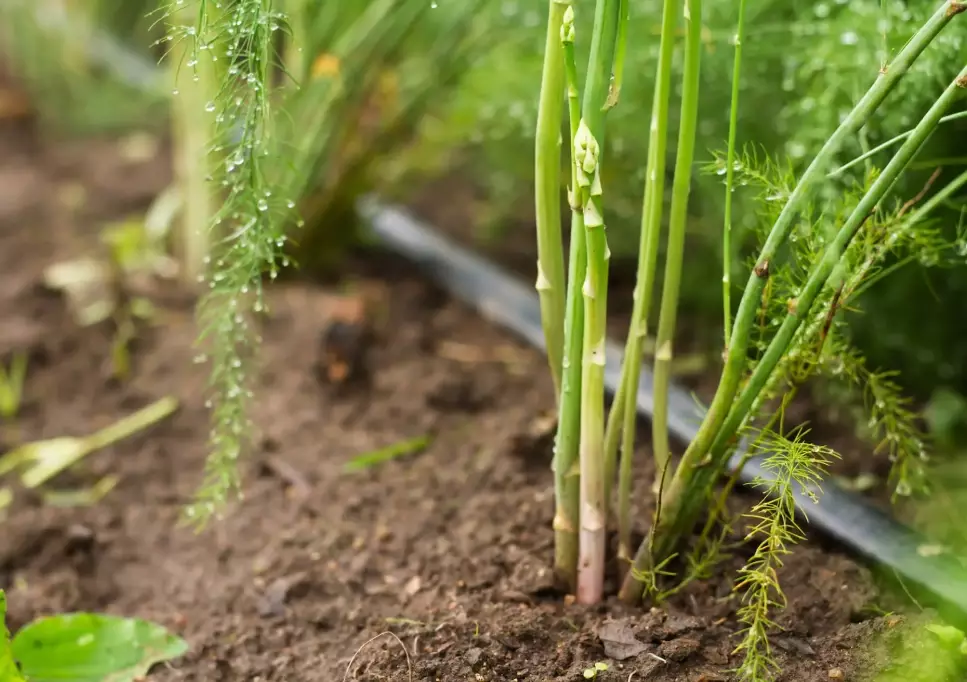
Pro Tip: Observe your yard after a heavy rain. Any area that holds puddles for more than a few hours is an automatic disqualifier for asparagus.
Soil preparation is a one-time investment. Since you won't be digging here again, go all in. A month before planting, clear all weeds, especially perennial ones like bindweed or quackgrass. Then, work in a generous amount of organic matter. I'm talking 3-4 inches of well-rotted compost or aged manure, dug into the top 12 inches of soil. This improves drainage, fertility, and soil structure for the long haul.
Asparagus Crowns vs. Seeds: The Real Cost-Benefit Analysis
You have two paths: crowns (dormant, one-year-old roots) or seeds. The choice isn't trivial.
| Method | Time to First Harvest | Cost | Effort & Skill | My Recommendation |
|---|---|---|---|---|
| Planting Crowns | Year 2 (light), Year 3 (full) | Higher upfront cost | Lower. Planting is straightforward. | For 95% of gardeners. You buy time and established vigor. |
| Growing from Seed | Year 3 (light), Year 4 (full) | Very low cost per plant | Higher. Requires starting indoors, careful transplanting. | For patient enthusiasts, seed savers, or planting a huge field. |
Here's the expert nuance nobody talks about: starting from seed gives you a potential genetic advantage. You can select only the strongest seedlings to plant out. More importantly, seed-grown plants are less likely to carry soil-borne diseases that can sometimes hitchhike on purchased crowns. However, that extra year or two of waiting is a dealbreaker for most.
If you go with crowns (and you probably should), source them from a reputable nursery. Look for firm, grayish-brown crowns with plenty of thick, fleshy roots and healthy-looking buds. Avoid any that are mushy, shriveled, or smell bad.
The Step-by-Step Asparagus Crown Planting Guide
Timing is everything. Plant in early spring, as soon as the soil is workable. This is usually a few weeks before your last frost date. The goal is to get roots established in cool, moist soil before summer heat hits.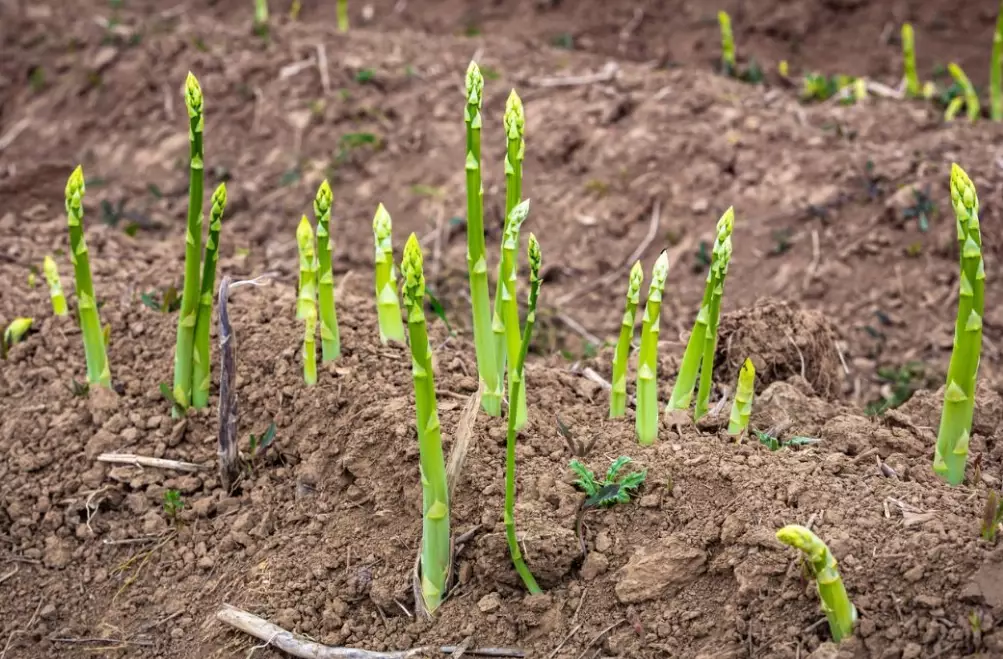
Let's walk through it.
Step 1: Trench Digging – The Foundation
For a traditional row, dig a trench 12-14 inches wide and 8-10 inches deep. Save the soil you remove—you'll need it later. Space trenches at least 3 feet apart if you're doing multiple rows. This seems excessive now, but mature asparagus ferns will be 5 feet tall and bushy.
Step 2: The Mound Technique
This is the critical step most guides gloss over. In the bottom of your trench, create a conical mound of loose soil about 4 inches high every 18 inches along the trench. This is where the crown will sit. The roots will drape down over the mound, which encourages them to spread outward rather than clump.
Step 3: Placing and Covering the Crowns
Drape each crown over its mound, spreading the roots out evenly like an octopus. The bud (the growing point) should be facing up. Now, cover the crowns and roots with just 2-3 inches of your reserved soil. Water thoroughly.
Common Mistake Alert: Do NOT fill the trench completely at planting time. Burying the crowns too deep initially suffocates them and delays emergence. We fill the trench gradually.
Step 4: The Gradual Fill
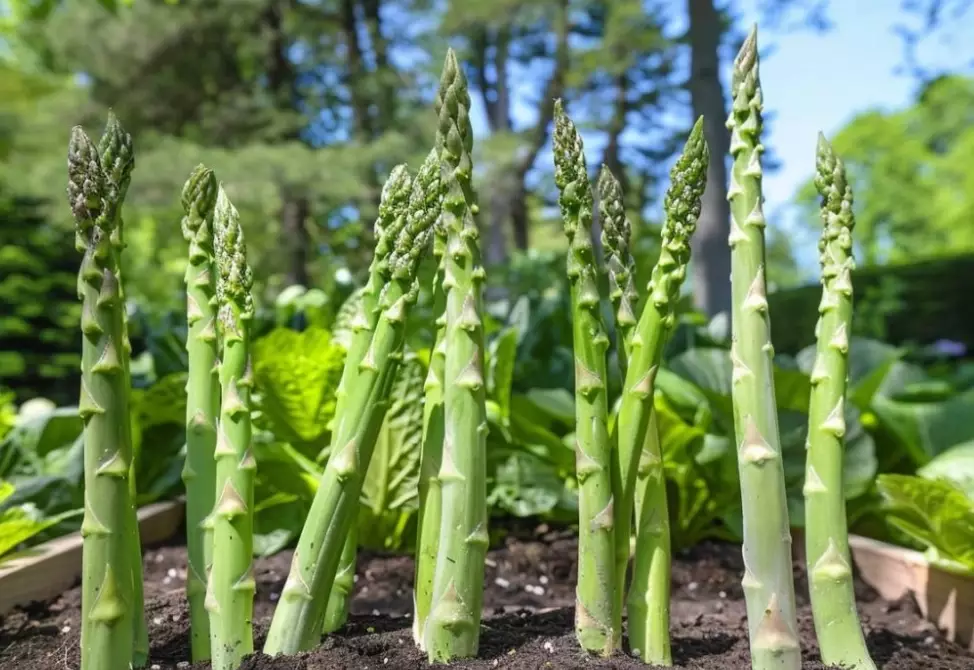
As the spears grow over the next several weeks, add more soil around them, leaving just the tips exposed. Continue this process until the trench is filled level with the surrounding soil. This usually takes the entire first growing season.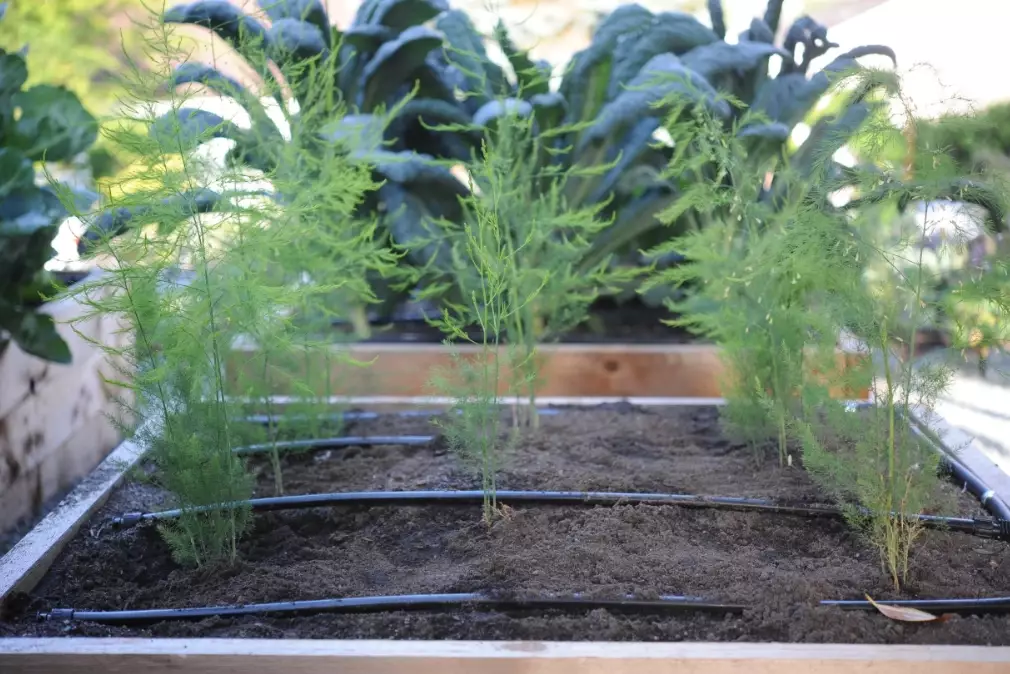
Critical Care for Year One: The Patience Year
Year one is a test of willpower. Those first spears will appear. You must not harvest them. Not a single one.
I know it's hard. You've waited, you've planted, and now delicious-looking spears are taunting you. But cutting them now steals energy from the crown that it desperately needs to build a massive root and fern system. This root system is your future harvest's bank account. Year one is all about making deposits.
Let every spear grow into a tall, feathery fern. These ferns are photosynthesis machines, sending energy down to the crown. Your jobs this year are simple:
- Weed meticulously: Asparagus hates competition, especially when young. Hand-pull weeds; don't hoe deeply as you can damage shallow roots.
- Water consistently: Provide about 1-2 inches of water per week if rain is lacking. Deep, infrequent watering is better than daily sprinkles.
- Mulch heavily: Once the trench is filled, apply a 3-4 inch layer of straw or shredded leaves to suppress weeds and retain moisture.
In late fall, after the ferns have turned completely yellow/brown, you can cut them down to the ground. I usually wait until after a few hard frosts.
Long-Term Maintenance and Harvesting Rules
Year two is your teaser. You can harvest for 2-3 weeks in spring. Take spears that are thicker than a pencil. Stop when new spears start looking noticeably thinner.
Year three and beyond is the payoff. The full harvest season is typically 6-8 weeks. The rule of thumb is to stop harvesting around mid-June in most climates, or when the spear diameter consistently falls below 3/8 of an inch. Then, let the rest grow into ferns to recharge the plant.
Annual maintenance is straightforward:
- Spring: Before spears emerge, top-dress the bed with an inch of compost and a balanced organic fertilizer.
- Summer: Keep the bed weeded and watered during fern growth.
- Fall/Winter: Cut down dead ferns and add a fresh layer of mulch for winter protection.
Solving Common Asparagus Problems
Even with perfect planting, issues can arise. Here’s how to diagnose them.
Thin, Spindly Spears: This is the most common complaint. Causes are usually: 1) Harvesting for too long or starting too early (overharvesting), 2) Insufficient sunlight, 3) Crowded crowns (they need dividing every 10+ years), or 4) Nutrient deficiency (needs more compost/fertilizer).
Asparagus Beetles: These orange and black pests chew on spears and ferns. Hand-pick them in small plantings. For larger infestations, neem oil or spinosad sprays are effective. The best defense is keeping the bed clean of fern debris in fall, as they overwinter there.
Rust or Fern Dieback: Fungal issues often linked to poor air circulation or overly wet conditions. Ensure proper spacing, avoid overhead watering on ferns, and remove diseased foliage promptly.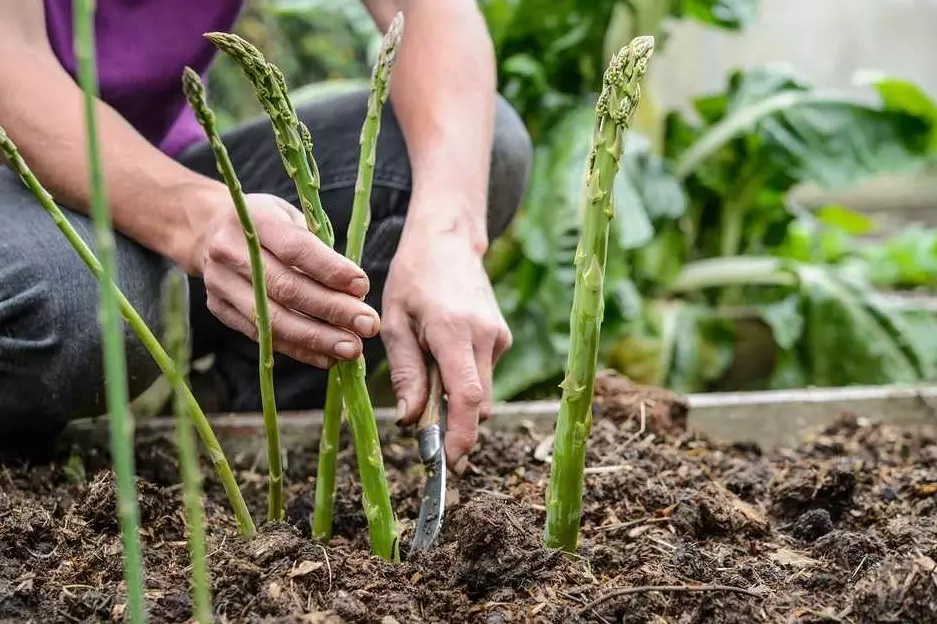
Your Asparagus Questions, Answered
I planted crowns last year but only got a few skinny spears this spring. Did I fail?
Not necessarily. It's a red flag, but not a death sentence. The most likely culprit is that the crowns were stressed at planting (dried out, planted too deep, or in poor soil) or they faced severe weed competition last year. Focus on impeccable care this season: weed religiously, water deeply during dry spells, and top-dress with compost. Do not harvest any spears this year. You're essentially giving them a second "Year One" to recover. If they don't improve significantly next spring, you may need to consider replanting in a better location.
How do I know if my asparagus bed is too old and needs replacing?
Age alone isn't the issue; decline is. Signs it's time to start a new bed: spear production has dropped dramatically over several years even with good care, the majority of spears are pencil-thin or smaller, and the crowns are so crowded you can't distinguish individual plants. A well-maintained bed can be productive for 20+ years. Before giving up, try rejuvenating it by dividing a few crowns in early spring and replanting them in refreshed soil elsewhere.
 Can I grow asparagus in a raised bed or a large container?
Raised beds are an excellent choice, especially if you have poor native soil drainage. Ensure the bed is at least 12-18 inches deep to accommodate the deep root system. For containers, it's a major challenge. You'd need an enormous pot (think half-barrel size) for just one or two plants, and winter temperatures will be harsher on the roots. The yield will always be limited. I recommend raised beds for success and containers only as a last-resort experiment.
What's the deal with male and female asparagus plants?
This is a key insider point. Female plants produce red berries after flowering, which takes a lot of energy and can result in slightly lower spear yields. They also can self-seed, creating weedy asparagus seedlings. Male hybrid varieties, like 'Jersey Knight' or 'Millennium', don't produce berries, so they put all their energy into spear production and won't create weed problems. Most modern crowns sold are all-male hybrids for this reason. If you have an older variety or grow from seed, you'll get a mix.
Reader Comments