I messed up my first potato crop. The plants looked fantastic—lush, dark green, towering over the garden bed. I was so proud. Then harvest day came, and I dug up a handful of marble-sized spuds buried under a massive tangle of roots and foliage. All that beautiful top growth came at the expense of the tubers. The culprit? I used the wrong fertilizer, applied at the wrong time. Getting potato plant fertilizer right isn't just about adding nutrients; it's about understanding what the plant is trying to do underground at each stage of its life. Let's get into the specifics so you can avoid my mistake and grow potatoes that are actually worth digging up.
What's Inside This Guide
What Potatoes Really Crave: N-P-K and Beyond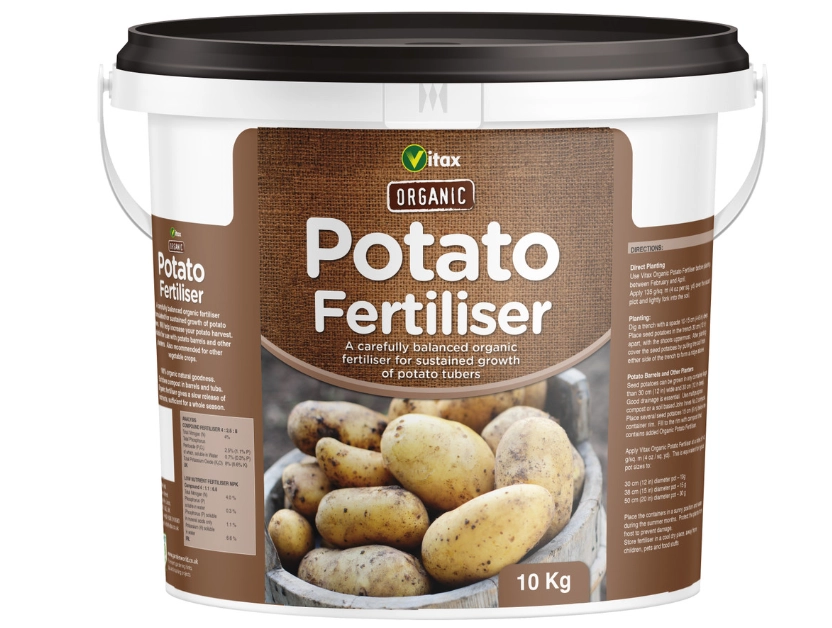
Forget the one-size-fits-all approach. Potatoes have a shifting diet. Look at any fertilizer bag and you'll see three numbers, like 5-10-10 or 10-5-5. Those represent Nitrogen (N), Phosphorus (P), and Potassium (K).
Nitrogen (N) is for leafy, green, above-ground growth. Too little, and plants are stunted and pale. Too much—like in my first garden—and you get a bush with no potatoes. Potatoes need a moderate kickstart of nitrogen early on, but demand drops sharply once tubers begin forming.
Phosphorus (P) is the root and tuber champion. It's critical for strong root development early on and is the primary driver for initiating and bulking up your potato crop. A deficiency leads to few, small tubers. This is why a fertilizer higher in phosphorus is often recommended.
Potassium (K) is the plant's health insurance. It regulates water movement, improves disease resistance, and is vital for developing dense, solid tubers that store well. Think of it as the nutrient that builds quality into your harvest.
Beyond the big three, potatoes benefit from calcium (to prevent internal defects like hollow heart) and magnesium (for chlorophyll production). A soil test from your local extension service (like those from USDA-affiliated cooperative extensions) is the only way to know exactly what your soil lacks.
Organic vs. Synthetic: Choosing Your Potato Food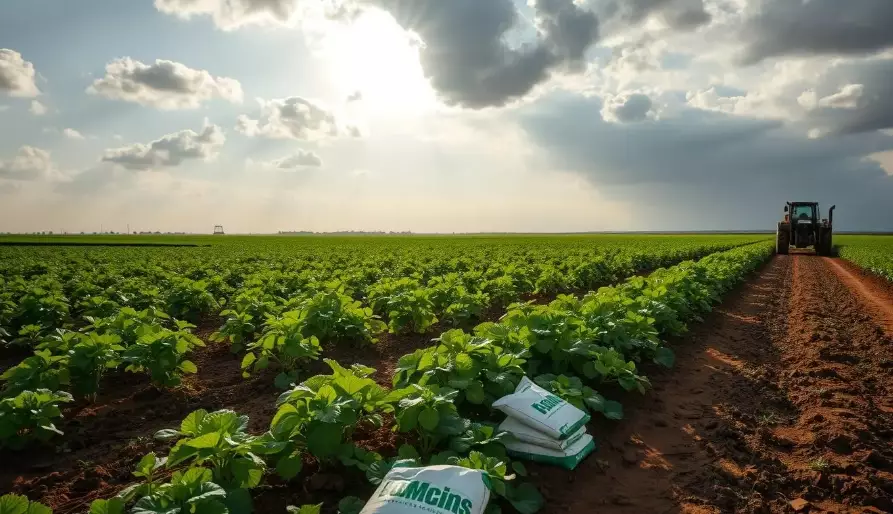
This is a personal choice, and each path has its merits. I've used both over the years and now lean heavily organic for the long-term soil health benefits, but I understand the precision appeal of synthetics.
Going the Organic Route
Organic fertilizers feed the soil biology, which in turn feeds your plants. They release nutrients slowly, which matches the potato's growth cycle well and minimizes the risk of burn.
- Compost & Well-Rotted Manure: The foundation. Mix a 2-3 inch layer into your planting trench or bed before planting. It improves soil structure and provides a broad spectrum of nutrients. Avoid fresh manure—it can scab the tubers.
- Bone Meal: A classic for a reason. It's rich in phosphorus (typically 3-15-0) and some calcium. I always toss a small handful into the planting hole with each seed potato.
- Kelp Meal or Fish Emulsion: Excellent sources of potassium and trace minerals. Kelp meal also contains natural growth hormones that can stimulate tuber set. Fish emulsion (a liquid) is a great fast-acting side-dress feed.
- Greensand or Wood Ash: Good potassium sources. Wood ash also raises soil pH, so use it sparingly and only if your soil is acidic (potatoes prefer a pH of 5.0-6.0).
Using Synthetic (Chemical) Fertilizers
These offer precise, immediately available nutrients. The numbers don't lie, and you can tailor them exactly to a soil test's recommendations. The downside is they don't improve soil health and can easily over-concentrate if misapplied.
A balanced or slightly phosphorus-heavy blend works well. Look for formulas like 5-10-10, 6-12-12, or 10-20-20. A standard all-purpose 10-10-10 can work if you're careful to not over-apply nitrogen later. Many commercial potato growers use formulations like these, as documented in crop guides from agricultural universities.
The Potato Fertilizer Schedule: When to Feed for Maximum Tubers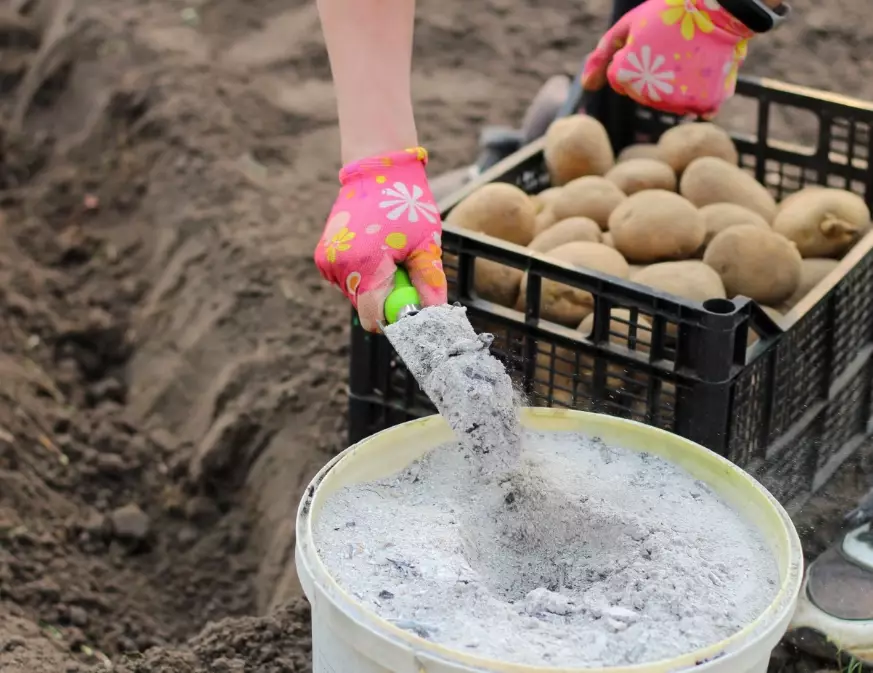
Timing is everything. Here’s the stage-by-stage breakdown I wish I had years ago.
| Growth Stage | What the Plant is Doing | Fertilizer Goal & Type | Key Action |
|---|---|---|---|
| At Planting | Establishing roots and initial shoot. | Provide balanced nutrition, with a phosphorus focus for root/tuber initiation. | Mix compost/manure into trench. Add a low-N, high-P fertilizer (e.g., bone meal or 5-10-10) in the furrow below seed potato. |
| Early Growth (6" tall) | Building strong vines and leaf canopy. | Support vigorous top growth with a moderate nitrogen boost. | Side-dress with a balanced fertilizer (e.g., 10-10-10) or nitrogen-rich compost. Water well. |
| Tuber Initiation & Bulking (When flowering begins) |
Shifting energy to forming and swelling tubers. | Cut nitrogen, maximize phosphorus & potassium for tuber development. | Side-dress with a high-P&K, low-N fertilizer (e.g., 0-10-10 or kelp meal). This is the most critical feeding. |
| Late Season (2-3 weeks before harvest) | Tubers maturing, skins setting. | No more feeding. Encourage plant to focus on finishing tubers. | Stop all fertilization. You can even cut back on water to help skins toughen. |
The flowering signal is your best visual cue. When you see buds, the plant is telling you it's starting to make potatoes underground. That's your signal to switch gears.
How to Apply Fertilizer Without Burning Your Plants
Method matters as much as material. The goal is to get nutrients to the root zone without direct contact with delicate stems or developing tubers.
Band or Trench Fertilizing (At Planting): Don't just sprinkle fertilizer in the hole with the seed potato. Dig your trench 6-8 inches deep. Place the seed potato, then cover it with 2-3 inches of soil. Now sprinkle your measured fertilizer along the trench on top of that soil layer, then cover with the remaining soil. This creates a nutrient-rich layer the roots will grow into, preventing direct contact that can cause rotting or burning.
Side-Dressing (During Growth): This is the go-to method after plants are up. Gently scrape back a shallow trench or make a furrow 3-4 inches away from the stem of the plant, circling it. Sprinkle the granular fertilizer into this trench, then cover it back up with soil and water thoroughly. This delivers food right to the feeder roots.
Foliar Feeding (Quick Boost): Liquid fertilizers like fish emulsion or compost tea can be applied directly to leaves. It's a fast way to correct minor deficiencies (like a yellowing leaf) or give a boost during tuber bulking. Do this in the cool morning or evening to avoid leaf burn.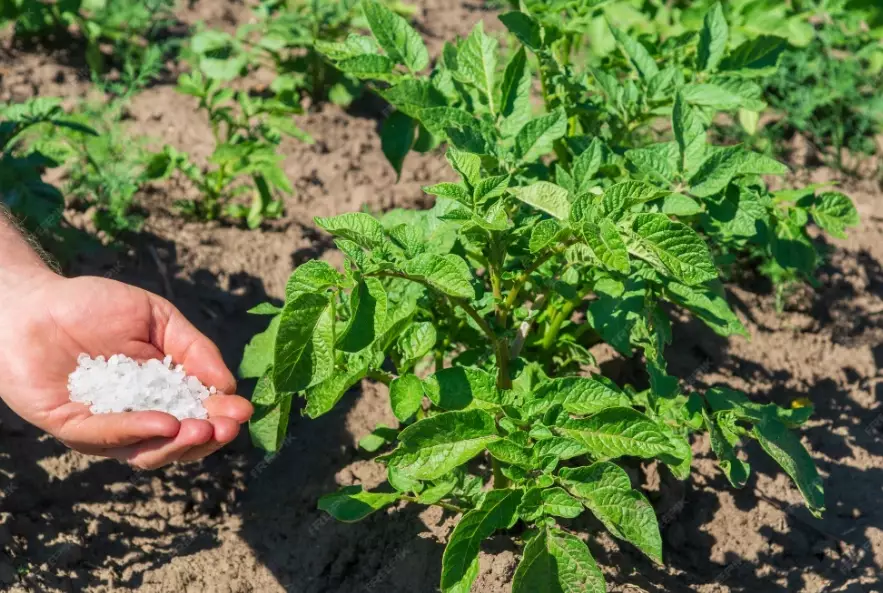
The Big Mistakes (And How to Sidestep Them)
Let's learn from the collective errors of gardeners past.
1. The All-You-Can-Eat Nitrogen Buffet. This was my blunder. Using a high-nitrogen lawn fertilizer or over-applying manure late in the season keeps the plant in vegetative mode. You get a jungle, not a harvest. Fix: Switch to a low-nitrogen fertilizer once plants are 8-10 inches tall.
2. Ignoring the Soil Test. Guessing your soil's pH and nutrient levels is like cooking in the dark. You might be pouring on phosphorus when you're desperately low on potassium. Fix: Spend the $20 on a test. Your local extension office makes it easy.
3. Fertilizing at Harvest Time. Feeding too late keeps vines green and delays tuber maturity. The skins stay thin, and the potatoes won't store. Fix: Your last feeding should be when tubers are marble-sized, at least 3 weeks before you plan to dig.
4. Forgetting About Water. Fertilizer is useless if the soil is dust-dry. Nutrients need to dissolve in soil water for roots to absorb them. A stressed, thirsty plant can't use the food you provide. Fix: Consistent, deep watering (1-2 inches per week) is non-negotiable, especially from flowering through bulking.
Your Potato Fertilizer Questions, Answered
I used a high-nitrogen fertilizer early on. My plants are huge but I see no sign of potatoes forming. Is it too late to fix?
You can likely salvage the season. Stop all nitrogen immediately. Gently side-dress with a fertilizer that has zero nitrogen and is high in phosphorus and potassium, like a 0-10-10 formula or straight bone meal and kelp meal. Water it in well. This signals the plant to shift its energy from leaves to roots. You won't get a record harvest, but you should get some decent tubers.
Can I just use compost and skip buying fertilizer altogether?
You can, especially if you have incredible, nutrient-rich compost. For a light feeder like lettuce, it's enough. For heavy feeders like potatoes, I find compost alone often lacks the concentrated phosphorus punch needed for optimal tuber set. I treat compost as the essential soil conditioner and baseline feed, but I still add a phosphorus source (bone meal) at planting and a potassium boost (kelp) later. It's the difference between an okay crop and a great one.
 My potato plants look healthy but the tubers are covered in scabby patches. Did my fertilizer cause this?
Probably not directly. Common scab is a soil-borne disease that thrives in alkaline conditions (high pH). While fertilizer didn't cause it, using materials that raise pH (like wood ash or fresh manure) can make it worse. Potatoes prefer slightly acidic soil (pH 5.0-6.0). The fix for next time is to lower your soil pH. Incorporating plenty of acidic compost (like pine needle or oak leaf mold) and avoiding lime or wood ash in the potato patch can help significantly.
How do I fertilize potatoes grown in containers or bags?
Container potatoes need more frequent, lighter feeding because nutrients leach out with every watering. Mix a slow-release, balanced organic fertilizer into your potting mix at planting. Then, once plants are about 6 inches tall, begin a bi-weekly regimen with a liquid fertilizer. Start with a balanced one, then switch to a bloom-booster (high P&K) formula once they flower. It's more hands-on, but it gives you precise control.
Reader Comments