Forget everything you think you know about moss. It's not just that green fuzz on the north side of trees or a sign you need to power-wash your patio. When you start gardening with moss, you're tapping into one of the oldest, most resilient, and frankly, most forgiving forms of plant life on the planet. I've been working with moss in landscapes for over a decade, and the number one mistake I see? People treat it like a tiny, fragile lawn. It's not. It's an entire ecosystem in miniature, and if you listen to what it needs (which isn't much), you can create landscapes that are lush, serene, and almost zero-maintenance. This guide cuts through the fluff and gives you the straight talk on propagation, design, and fixing the problems that make most beginners quit.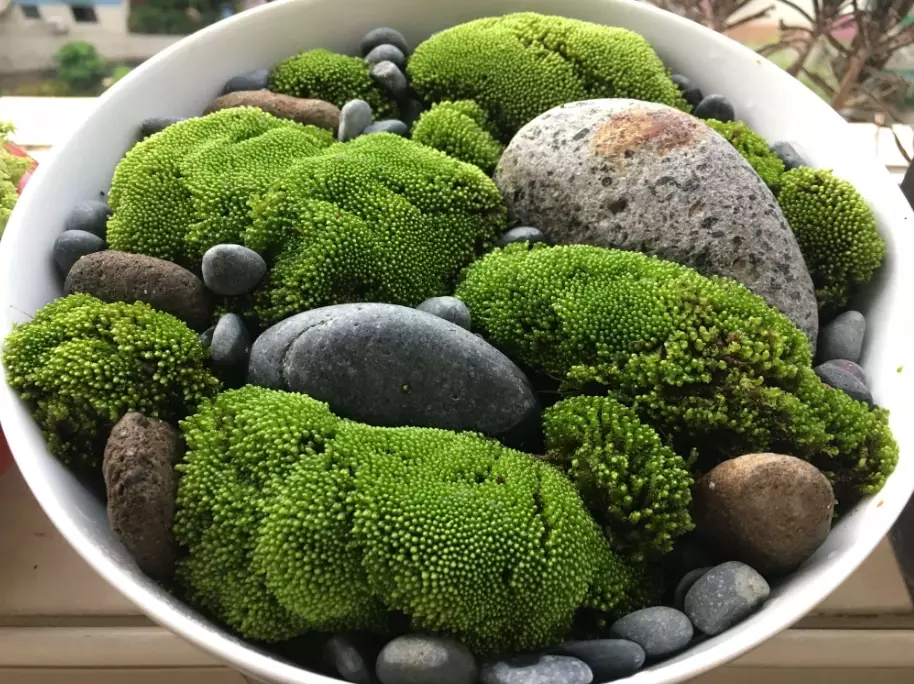
What's Inside This Moss Guide?
Why Choose Moss Gardening? (It's Not Just for Looks)
Let's be honest. The initial appeal is visual. A velvety carpet of moss has a texture and depth that grass can't match. It looks ancient, peaceful, and intentionally designed. But the practical benefits are what will make you a convert.
First, the maintenance argument is real. No mowing. Ever. No fertilizing. No aerating. Once established, a moss garden asks for little more than the occasional removal of fallen leaves (which smother it) and some moisture during extreme droughts. According to the Royal Horticultural Society, mosses are excellent for stabilizing soil and preventing erosion in shady areas where other groundcovers fail.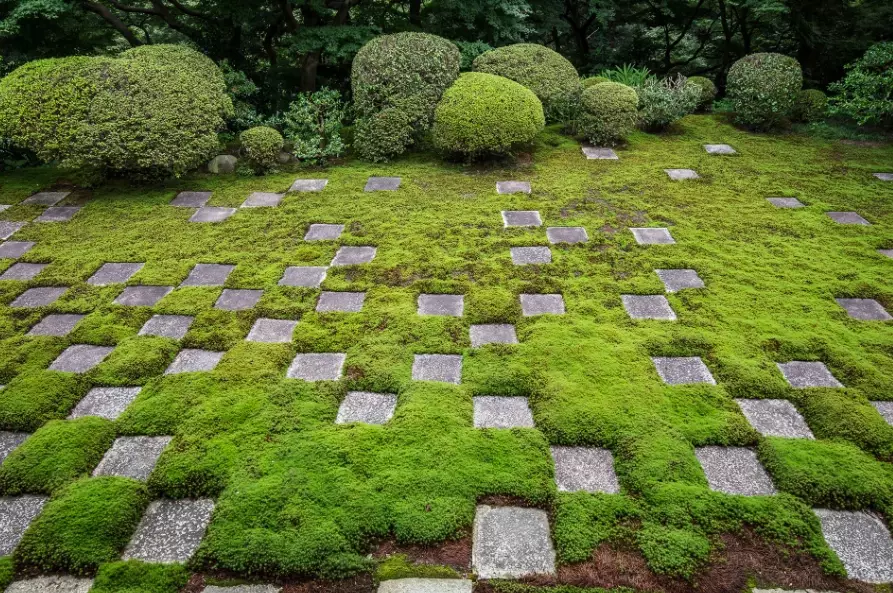
Here's the kicker most blogs don't mention:
Moss gardening is incredibly water-efficient in the right location. In deep shade where turfgrass struggles and demands constant watering, moss thrives on ambient moisture and rainfall. But try to grow it in full sun, and you'll be fighting a losing, water-wasting battle. The key is matching the plant to the place.
It's also a biodiversity booster. Moss provides a micro-habitat for beneficial insects, spiders, and amphibians. It's a living sponge that slows down rainwater runoff, allowing it to percolate into the ground rather than washing away topsoil.
My personal favorite reason? It's therapeutic. There's something deeply calming about tending to a moss patch. Weeding is minimal, the scale is intimate, and the progress, while slow, is incredibly satisfying.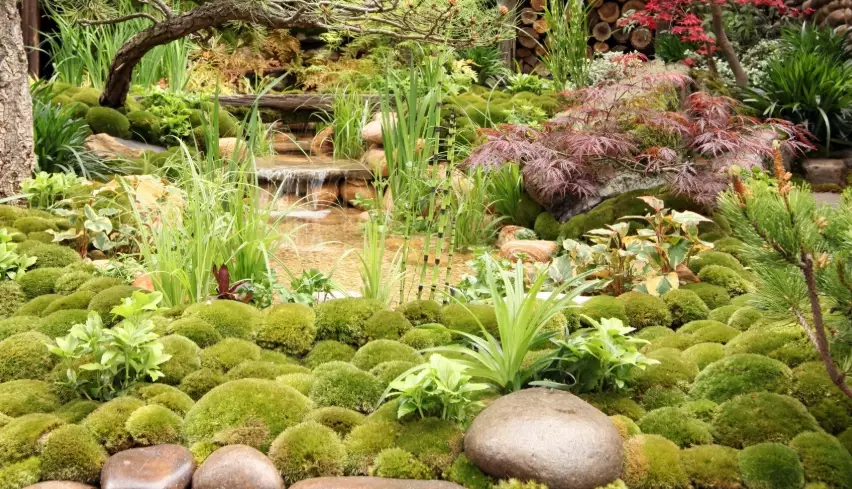
Know Your Moss: The Two Types That Matter Most
You don't need to memorize Latin names, but understanding the basic growth forms will save you a ton of frustration. This is the "non-consensus" bit many guides gloss over.
| Type & Growth Habit | Best Use In Garden | Key Trait & Watch-Out |
|---|---|---|
| Acrocarpous Moss Grows upright in tight, individual clumps or cushions (like a tiny forest). |
Filling gaps between pavers, covering small stones, creating "islands" in a design. Think texture points. | Slow lateral spread. If you want a carpet fast, this is the wrong choice. It's drought-tolerant once established but grows slowly. |
| Pleurocarpous Moss Grows flat, spreading sideways in a branching, mat-like formation. |
Creating large, continuous carpets, covering soil banks, filling in between stepping stones. The classic "moss lawn" look. | Faster spread, loves consistent moisture. More susceptible to drying out at the edges if not watered. This is what most people picture. |
I made the mistake early on of trying to use a beautiful clumpy acrocarpous moss for a pathway cover. Two years later, it still looked like isolated polka dots. I should have used a pleurocarpous species. Knowing this difference is 80% of the battle.
How to Grow Moss: A Step-by-Step Guide
You can buy moss sheets or pots, but propagation is cheap, effective, and feels like magic. Here’s the method I’ve refined after many, many trials.
Step 1: Source and Prepare Your Moss
Never harvest moss from public lands or forests without permission—it can disrupt ecosystems. Instead, ask friends if you can take some from their shady, mossy paths, or use moss from a part of your own property. You only need a few handfuls. Clean it of dirt, twigs, and other plants.
Step 2: The "Moss Milkshake" Method (For Large Areas)
This sounds weird but works. Blend your cleaned moss with 2 cups of buttermilk or plain yogurt (the acid helps) and 2 cups of water in an old blender until it's a smooth, paint-like slurry. Some gardeners add a teaspoon of sugar. The result is a moss "seed" paint.
Step 3: Prepare the Planting Site
This is the most critical step everyone rushes. The surface must be:
- Firm: Press down soil to eliminate air pockets.
- Acidic: Moss prefers a pH of 5.0-5.5. If your soil is alkaline, sprinkle on some powdered sulfur.
- Clear: Remove all other vegetation and leaves.
- Textured: Scratch the surface with a rake so the slurry has something to grip.
Step 4: Apply and Press
Paint or pour your slurry onto the prepared area. Don't just leave it. Take each piece of leftover moss or small clumps and firmly press them into the soil, ensuring good contact. Walk on them or use a flat board to press them down. This contact is non-negotiable.
Step 5: The Initial Care Regimen
Mist the area lightly but thoroughly 2-3 times a day for the first 4-6 weeks. No direct sun. Use a shade cloth if needed. The goal is to keep it consistently damp, not soggy. You'll see green fuzz in a few weeks, but true establishment takes a full season.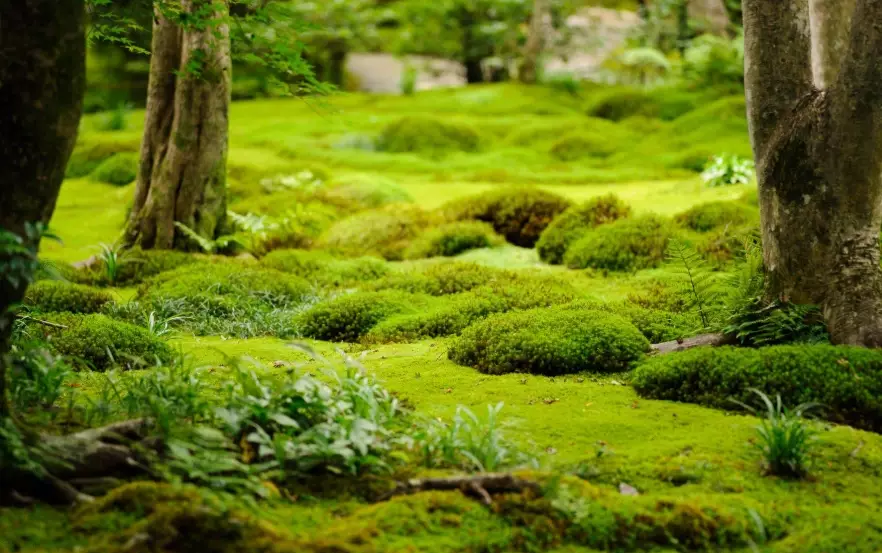
Moss Gardening Ideas Beyond the Fairy Garden
Sure, miniatures are cute. But moss's potential is vast.
The Moss Path: Replace the mulch or grass between shady stepping stones with pleurocarpous moss. It feels incredible underfoot and stops mud splash. Use moss between flagstones for a timeless, aged look.
The Moss "Lawn": In that deep-shade spot where grass is thin and pathetic, sheet moss can create an emerald green carpet. It won't handle foot traffic like grass, but it's a stunning visual space.
Moss Accent Walls or Stones: Use the slurry method to encourage moss growth on specific garden stones, statuary, or even low retaining walls. It creates instant patina.
Moss Terrariums & Kokedama: Indoors, moss is a superstar for closed terrariums (it loves humidity) or as a living wrapper for Kokedama (Japanese moss balls).
I once helped a client create a "river" of moss winding through a dry-stacked stone bed in a deeply shaded courtyard. It became the focal point of the entire garden, requiring almost no care while always looking pristine.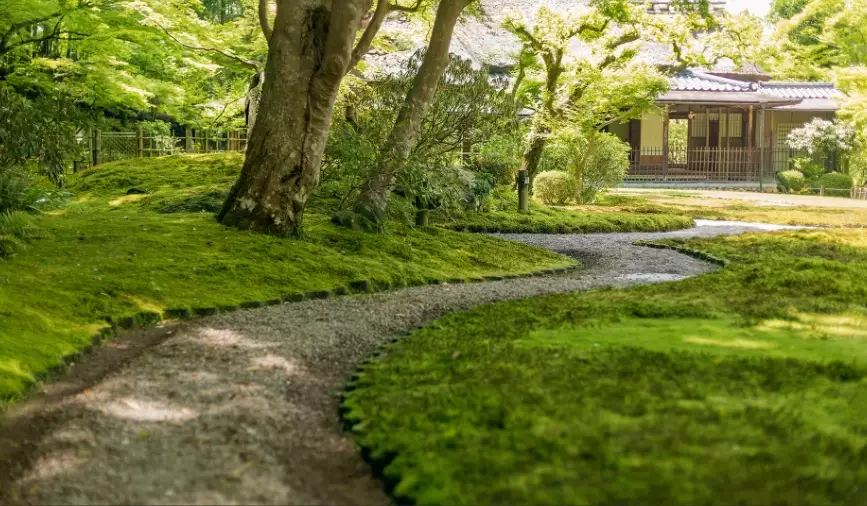
What Are Common Moss Care Problems and How to Fix Them?
Moss is tough, but it communicates distress clearly. Here’s how to read the signs.
Problem: Moss turning brown, yellow, or crispy.
This is almost always a moisture issue. Moss goes dormant and turns brown when dry but can often rehydrate and green up. If it stays brown, it's dead. The fix is consistent moisture, especially at the edges of a patch. Increase watering frequency, don't volume. A fine mist is better than a heavy soak.
Problem: Moss lifting up or peeling away from the soil.
This means it never properly attached. You didn't press it in firmly enough, or the soil underneath was too loose. Carefully lift the sheet, firm the soil beneath, and re-press it. You might need to pin it down with landscape staples until roots (rhizoids) establish.
Problem: Weeds or grass invading the moss.
Moss doesn't compete well. You must hand-pick invaders early and carefully. A dull knife works well to get under weed roots without disturbing the moss mat. The best defense is a thick, healthy moss carpet that leaves no room for seeds to germinate.
Problem: White crust or algae on moss.
This indicates poor air circulation and/or waterlogged conditions. Moss needs moisture but also air flow. Thin out overhanging vegetation to allow breezes through. Reduce watering frequency slightly.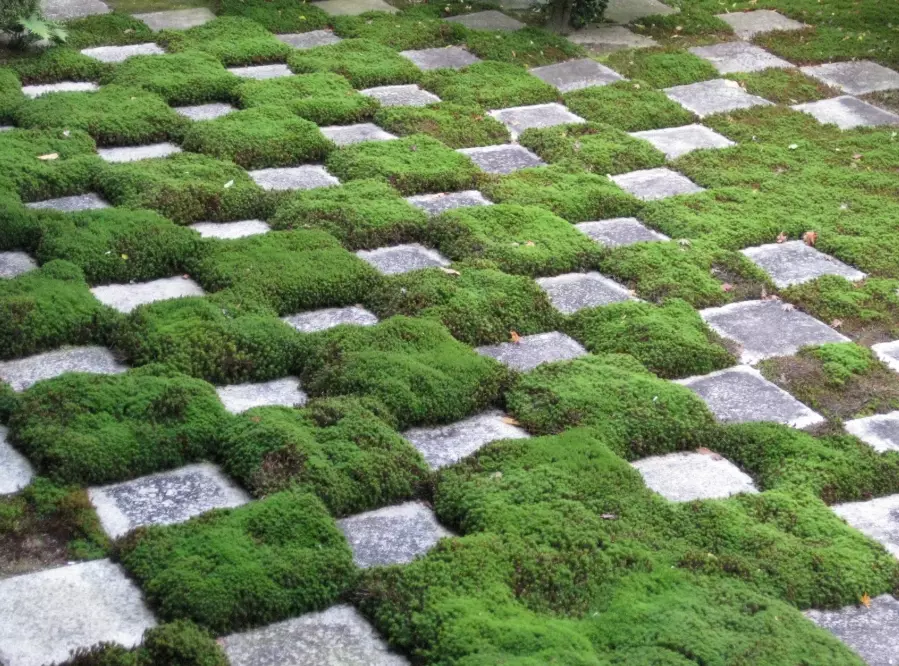
Your Moss Questions, Answered
 How fast does moss actually grow?
Reader Comments