Let's cut to the chase. You want homegrown tomatoes, crisp lettuce, and herbs you can snip minutes before dinner. But your backyard is a postage stamp, your "soil" is solid clay (or worse, just rubble), or maybe you're renting and can't dig up the lawn. This is where the boxed vegetable garden, also called a raised bed garden, isn't just an option—it's the perfect solution. I've been building and teaching these for over a decade, and I've seen them turn concrete patios and weed-filled lots into productive little farms.
It's more than a trend. It's control. You control the soil, the weeds, the drainage, and the layout. For beginners, it simplifies everything. For seasoned gardeners, it's a way to push yields and extend seasons.
What's Inside This Guide?
What Is a Boxed Vegetable Garden and Why Is It a Game-Changer?
Simply put, it's a garden built above the ground, contained within a frame. You fill that frame with a custom soil mix. Think of it as a giant, organized, super-charged planter box dedicated to veggies.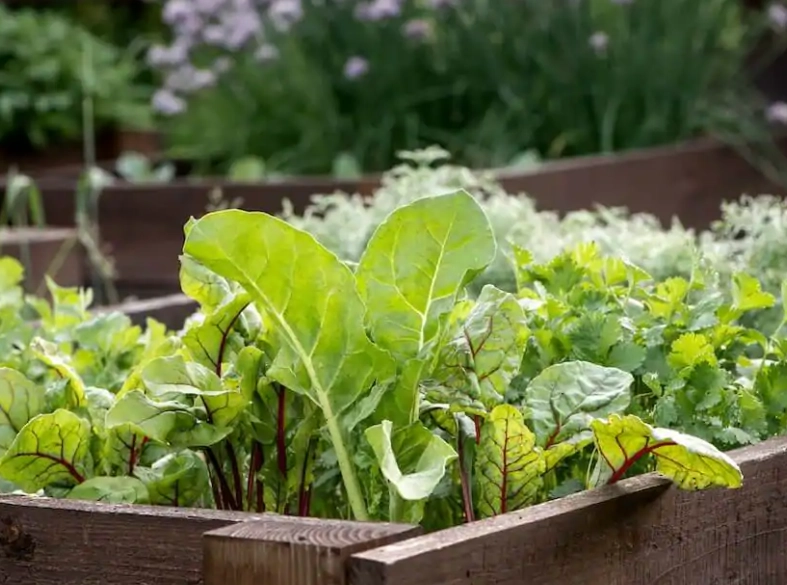
Why does this simple idea work so well?
Soil Quality is King. Most gardening failures start with bad dirt. In a raised bed, you start with a perfect, fluffy, nutrient-rich mix. No battling rocks or concrete-like clay.
Better Drainage. Waterlogged roots rot. The elevated nature and loose soil prevent that. Your plants get water, then air, which they desperately need.
Warmer Soil, Earlier Harvests. Soil in a raised bed warms up faster in spring. You can plant lettuce and peas weeks earlier than in the ground.
Weed and Pest Control. Starting with clean soil means fewer weed seeds. The physical barrier can deter some pests (like slugs, to a degree) and makes adding row covers or netting a breeze.
Accessibility. This is huge. Build it waist-high, and you eliminate bending and kneeling. It's a game-changer for anyone with back issues or mobility challenges.
But here's a subtle mistake I see all the time: people treat it like a magic box. They think because the soil is good, they can cram plants in like sardines. You still need to respect spacing. Good soil means bigger, healthier plants that need more room, not less.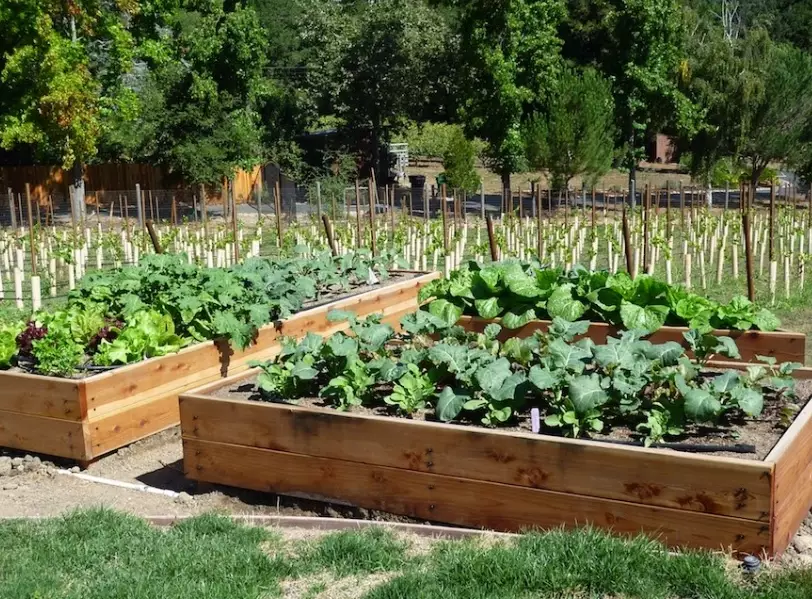
How to Build Your First Boxed Vegetable Garden
You can buy a kit, and there are good ones. But building your own is cheaper, more satisfying, and lets you get the exact size you need. Here's my field-tested process.
Step 1: Location and Size
Sunlight is non-negotiable. Find a spot that gets at least 6-8 hours of direct sun. Morning sun is great for drying dew and preventing disease. Watch the spot for a full day before you commit.
Size matters for reach. The golden rule: never make a bed wider than 4 feet. This lets you reach the center from either side without stepping on the soil (compacting it is bad). Length is flexible. For depth, a minimum of 8-12 inches is good for most crops. For root veggies like carrots or potatoes, aim for 18-24 inches.
Access to water. Is your hose going to reach? Dragging a watering can 100 feet gets old fast.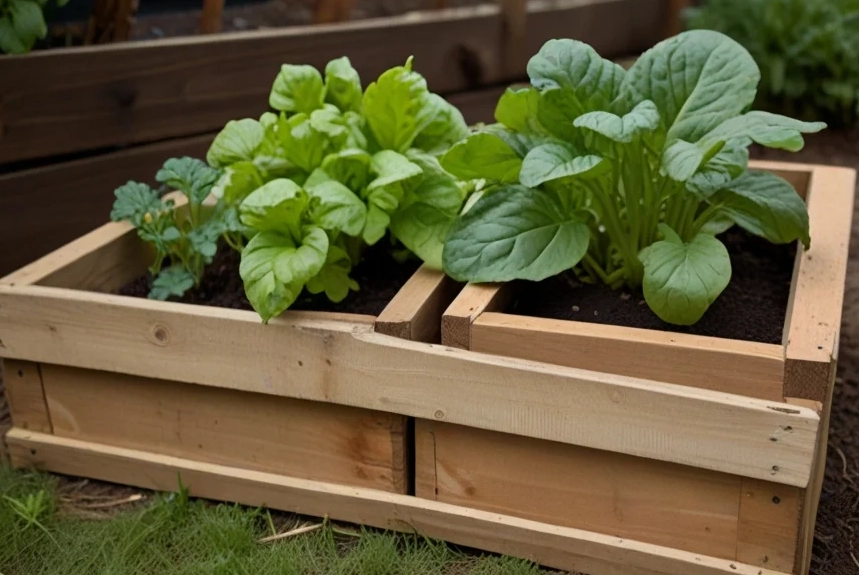
Step 2: Choosing Your Material
This is where personal preference and budget collide. Let's break it down.
| Material | Pros | Cons & My Take |
|---|---|---|
| Untreated Pine | Inexpensive, easy to work with. | Rots in 3-5 years. It's a starter option, not a forever bed. I used it for my first beds and regretted the replacement hassle. |
| Cedar or Redwood | Naturally rot-resistant, beautiful, long-lasting (10-20 years). | More expensive. This is my go-to recommendation. The upfront cost is worth it. It smells amazing when you cut it. |
| Composite Lumber | Long-lasting, no maintenance, often made from recycled plastic. | Can be very expensive, and some brands warp or fade. I'm skeptical of the super-cheap composites—they get brittle in the sun. |
| Corrugated Metal | Modern look, very durable. | Can heat up soil in hot climates, edges need careful handling. Pair it with a wooden frame for the top edge. |
| Cinder Blocks or Bricks | Permanent, inexpensive, holds heat well. | Heavy to move, can alter soil pH over time (concrete is alkaline). The holes can be planted with herbs! |
Step 3: Assembly and Site Prep
Clear the area of grass and weeds. Lay down a layer of cardboard (remove tape) to smother any remaining growth—this is your free, biodegradable weed barrier. Don't use landscape fabric; it eventually clogs and prevents worms from moving up into your beautiful soil.
Assemble your frame on top of the cardboard. If you're using wood, screw it together at the corners. For stability, drive a couple of stakes into the ground on the inside of the frame. That's it. The soil weight will hold it down.
What Is the Best Soil Mix for a Boxed Garden?
This is the single most important investment. Do not skimp here. Do not just shovel dirt from your yard into the box. You're building the foundation for years of growth.
The classic, well-regarded recipe is called "Mel's Mix," popularized by Square Foot Gardening. It's equal parts:
- Compost: Provides nutrients and microbial life. Use at least two different kinds (e.g., municipal compost, mushroom compost, worm castings) for a broader nutrient profile.
- Peat Moss or Coconut Coir: Holds moisture and keeps the mix light. Coir is a more sustainable alternative to peat.
- Vermiculite: A mineral that aerates the soil and retains water and nutrients.
This mix is fantastic but can be pricey to fill a deep bed. A more economical and still excellent approach I use for larger beds is:
- 50% High-Quality Topsoil (screened, without herbicides)
- 30% Compost (multiple sources)
- 20% Coarse Sand or Perlite (for drainage)
Mix it right in the bed with a shovel. It will settle over the first few weeks, so fill it to the top. Get a soil test from your local cooperative extension office after your first season to see what nutrients you need to add back.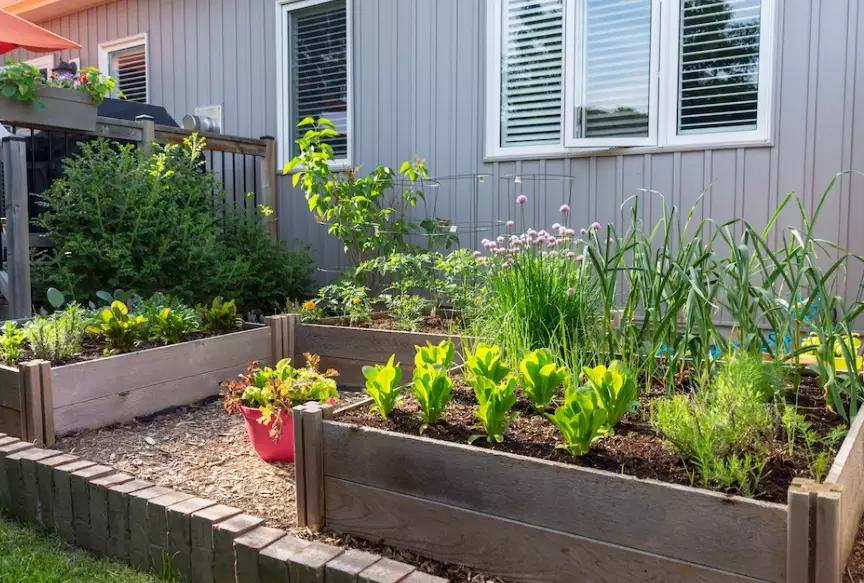
What to Plant in a Boxed Garden: From Salad Leaves to Tomatoes
The beauty of a raised bed is intensive planting. You're not wasting space on rows for walking. Here are my top picks, especially for beginners.
The Cut-and-Come-Again Salad Bar: Plant loose-leaf lettuce, spinach, arugula, and kale. Snip outer leaves, and they keep growing. One 4x4 section can supply salads for a family all season.
Root Radishes and Carrots: The deep, loose soil is paradise for roots. They grow straight and unblemished. Radishes are ready in 30 days—instant gratification.
Tomato Central: Grow determinate (bush) varieties in the bed, or use sturdy cages. For indeterminate (vining) types, I prefer to plant them at the north end of the bed and train them up a trellis attached to the frame, so they don't shade other plants.
Vertical Space: Use trellises! Grow pole beans, peas, cucumbers, and even small melons upward. It doubles your yield per square foot.
A common oversight? Planting timing. In that warm, early-spring bed, it's tempting to plant everything at once. But tomatoes and peppers will shiver if you plant them before the last frost. Use the warm soil for cool-season crops first (lettuce, peas), then succession plant with warm-season ones (beans, cucumbers) later. The USDA Plant Hardiness Zone Map is your friend for dates.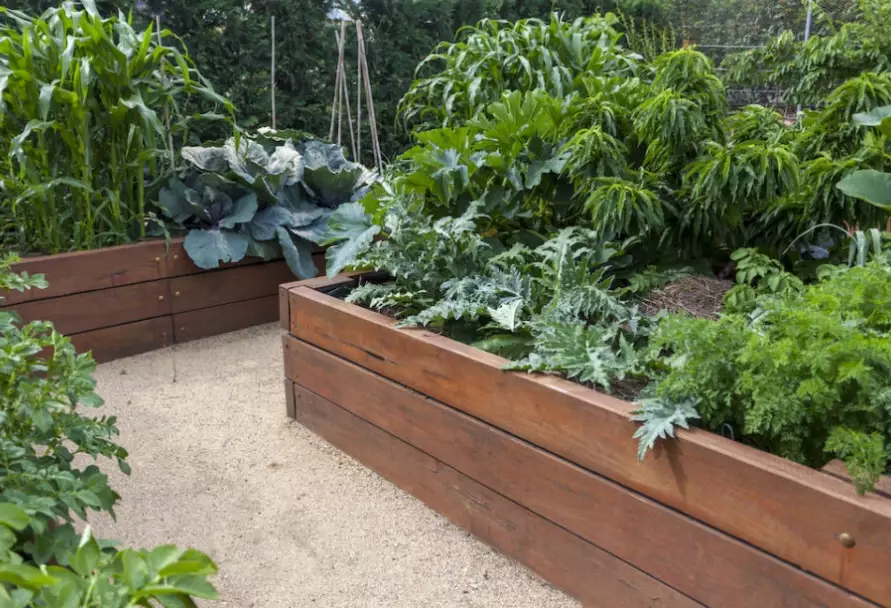
Maintaining Your Edible Oasis Year-Round
Good soil does a lot of the work, but not all of it.
Watering: Raised beds dry out faster. Consistent moisture is key. A drip irrigation system on a timer is the ultimate upgrade. If hand-watering, water deeply at the base of plants in the morning. Avoid sprinkling leaves, which invites disease.
Feeding: Your compost-rich soil will feed plants for a while. For heavy feeders like tomatoes and peppers, I side-dress with a balanced organic fertilizer or more compost when flowers appear. Liquid seaweed or fish emulsion is a great mid-season booster.
Weeding: It's minimal, but a few will pop up. Pull them early when the soil is moist.
The End-of-Season Move Most People Miss: Don't just let it go barren in winter. Plant a cover crop like winter rye or crimson clover. It protects the soil, suppresses weeds, and adds organic matter when you chop it down in spring. Or, plant garlic in the fall.
Here's my non-consensus, expert tip: Rotate your crops, even in a box. Don't plant tomatoes in the same spot year after year. It depletes specific nutrients and builds up soil-borne diseases. Have a simple 3-4 year rotation plan (e.g., tomatoes → beans → greens → roots).
Boxed Vegetable Garden FAQs Answered
What can I grow in a boxed vegetable garden if my spot gets only 4 hours of sun?
You're in the "partial shade" club. Focus on leafy greens and herbs that don't need fruiting. Lettuce, spinach, kale, Swiss chard, arugula, parsley, cilantro, and mint will do reasonably well. Root crops like radishes and beets might be smaller. Skip tomatoes, peppers, and cucumbers—they'll be leggy and unproductive.
Do I need to put a liner or landscape fabric at the bottom of my raised bed?
Usually not, and often it's counterproductive. Cardboard is perfect—it blocks weeds initially, then decomposes and lets earthworms and roots through. The only time I'd use a permeable geotextile fabric is if you're building on soil contaminated with lead or other toxins, as an extra barrier. Never use solid plastic; it'll create a swamp.
Will a raised bed garden keep deer out?
Not by itself. A 12-inch wall is a small step for a deer. For deer pressure, you need to surround your beds with a physical barrier—at least 8 feet tall fencing is the only reliable method. A boxed bed does make it easier to build a supporting frame for netting or a small hoop house, which can deter them from browsing.
How do I protect my boxed garden in the winter?
Don't leave the soil bare. After your last harvest, sow a cover crop or mulch heavily with 4-6 inches of straw or shredded leaves. If you have a cold frame or can add hoops and clear plastic over the bed, you can grow cold-hardy crops like spinach, mache, and kale straight through winter in many zones. The soil in raised beds freezes solid later than the ground, giving you an extended season.
Reader Comments