You see the headlines about monarch butterfly decline and think, "I should plant some milkweed." So you grab a packet of seeds or a plant from the nursery, stick it in the ground, and wait. And wait. Maybe a few striped caterpillars show up, munch a bit, then vanish. What went wrong?
I've been cultivating milkweed and observing monarchs in my garden for over a decade. I've made every mistake in the book—from planting the wrong species to accidentally harming the very caterpillars I wanted to save. The relationship between milkweed (Asclepias spp.) and monarch caterpillars (Danaus plexippus) is specific, fascinating, and more nuanced than most beginner guides let on. It's not just about having milkweed; it's about having the right milkweed, in the right condition, and knowing when to step in and when to let nature run its course.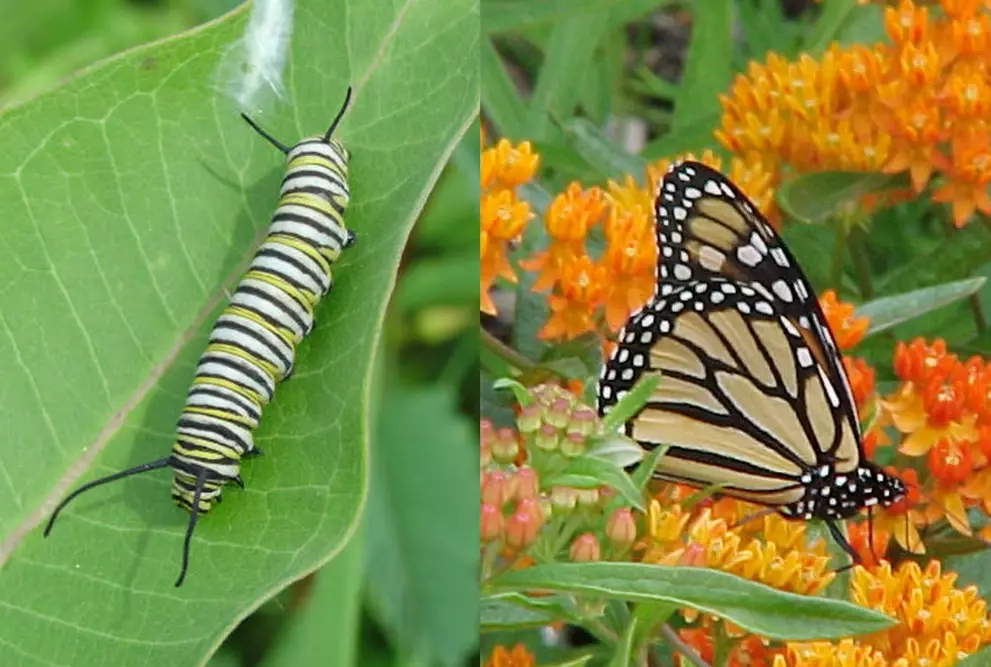
This guide cuts through the feel-good fluff. We'll get into the gritty details of species selection, caterpillar rearing pitfalls, and the subtle signs that separate a thriving monarch habitat from a well-intentioned ecological trap.
What You'll Find in This Guide
How to Choose the Right Milkweed for Your Garden
Not all milkweed is created equal for monarchs. The single biggest error I see is gardeners planting tropical milkweed (Asclepias curassavica) in temperate climates. It's pretty, easy to grow, and sold everywhere. But research from institutions like the Xerces Society for Invertebrate Conservation suggests it can disrupt monarch migration and increase parasite loads when it doesn't die back in winter. In the South, it's a genuine concern.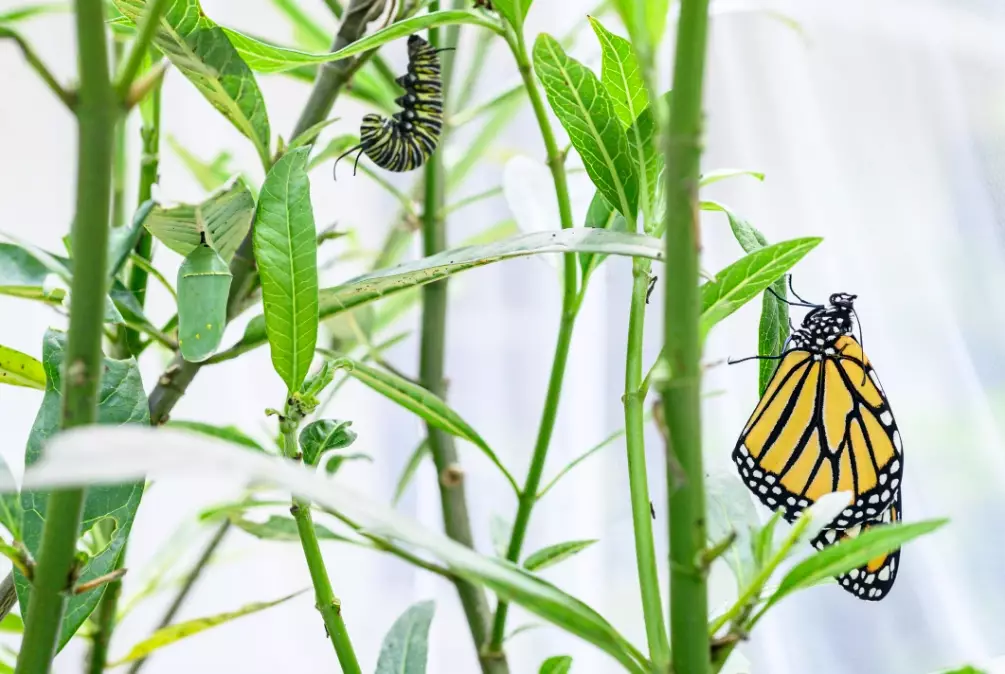
Your goal should be native milkweed. It's co-evolved with your local monarch population and fits the natural seasonal cycle. Here’s a breakdown of top performers across different regions.
| Milkweed Species | Best For Regions | Key Characteristics & Planting Notes |
|---|---|---|
| Common Milkweed (A. syriaca) | East of the Rockies, widespread. | Robust, spreads via rhizomes. Can be aggressive in formal beds. Fantastic for large, sunny, naturalized areas. Leaves are a monarch favorite. |
| Swamp Milkweed (A. incarnata) | Most of the US, except arid West. | My top recommendation for most gardens. Tolerates average soil, not just swamps. Clump-forming, well-behaved, with beautiful pink or white flowers. Less prone to aphids. |
| Butterfly Weed (A. tuberosa) | Eastern and South-central US. | Stunning orange flowers, drought-tolerant. Doesn't transplant well—start from seed or buy young pots. Stems are hairy; early instar caterpillars sometimes struggle compared to smoother-leaved species. |
| Showy Milkweed (A. speciosa) | Western US, Great Plains. | Similar to common milkweed but native to the West. Fuzzy leaves, large pink flower heads. Essential host plant for western monarch populations. |
| Antelope-Horns (A. asperula) | South-central US. | A critical native for the southern plains. Low-growing with unique greenish flowers. Tolerates poor, dry soils. |
My personal workhorse is swamp milkweed. I've found it strikes the best balance: monarchs devour it, it flowers reliably, and it doesn't try to take over my entire perennial border. I have a few common milkweed plants at the back of my property where they can roam free.
A Step-by-Step Plan to Grow Healthy Milkweed
Planting milkweed isn't like planting a petunia. These are perennial wildflowers with specific needs, especially from seed. Here's the process that actually works, refined after many failed trays.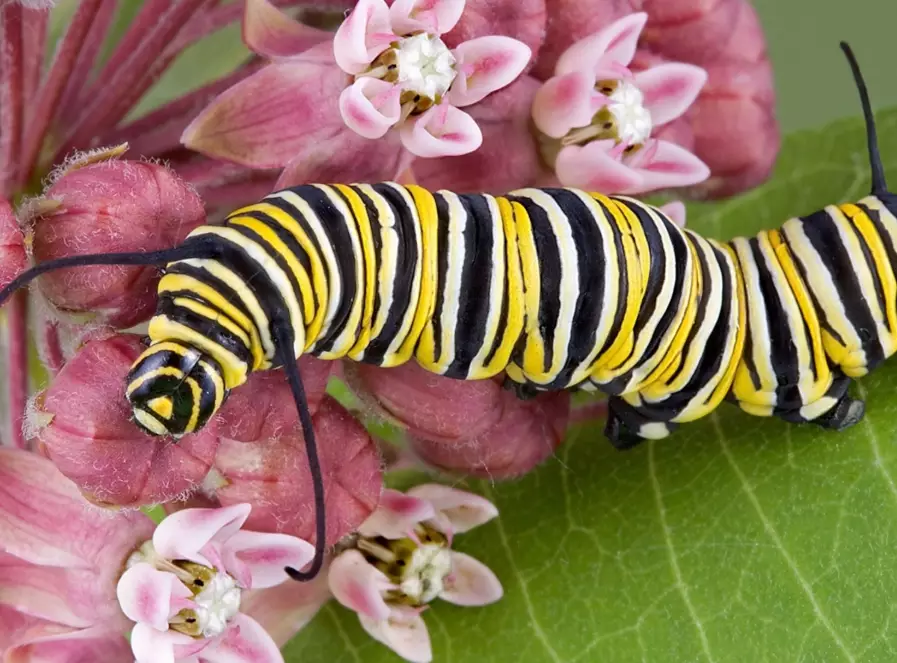
Starting from Seed: The Cold Stratification Hack
Most native milkweed seeds need a period of cold, moist conditions to break dormancy—a process called cold stratification. The packet instructions often overcomplicate this.
Here's the simple method: In late fall, just sow the seeds directly in the ground where you want them to grow. Mark the spot. Winter weather does the work for you. They'll germinate in spring when conditions are right. It's hands-off and effective.
For spring planting, you need to mimic winter. Moisten a paper towel, sprinkle seeds on it, fold it up, place it in a sealed plastic bag, and put it in your refrigerator's crisper drawer for 3-6 weeks. Not the freezer. Check for mold weekly. Then plant the pre-chilled seeds in pots.
Site and Soil: More Than Just Sun
Yes, milkweed needs full sun—at least 6 hours. But soil drainage is the silent killer. They hate "wet feet," especially in winter. I lost a whole patch of showy milkweed one wet winter in heavy clay before I wised up.
If you have clay soil, don't just dig a hole. Build a raised mound or berm. Mix in a generous amount of coarse sand or fine gravel to improve drainage. Don't over-fertilize. These are prairie and roadside plants; rich soil leads to weak, floppy growth that attracts more aphids.
Space plants about 18-24 inches apart. They need air circulation to prevent fungal issues like powdery mildew, which swamp milkweed can be prone to in humid summers.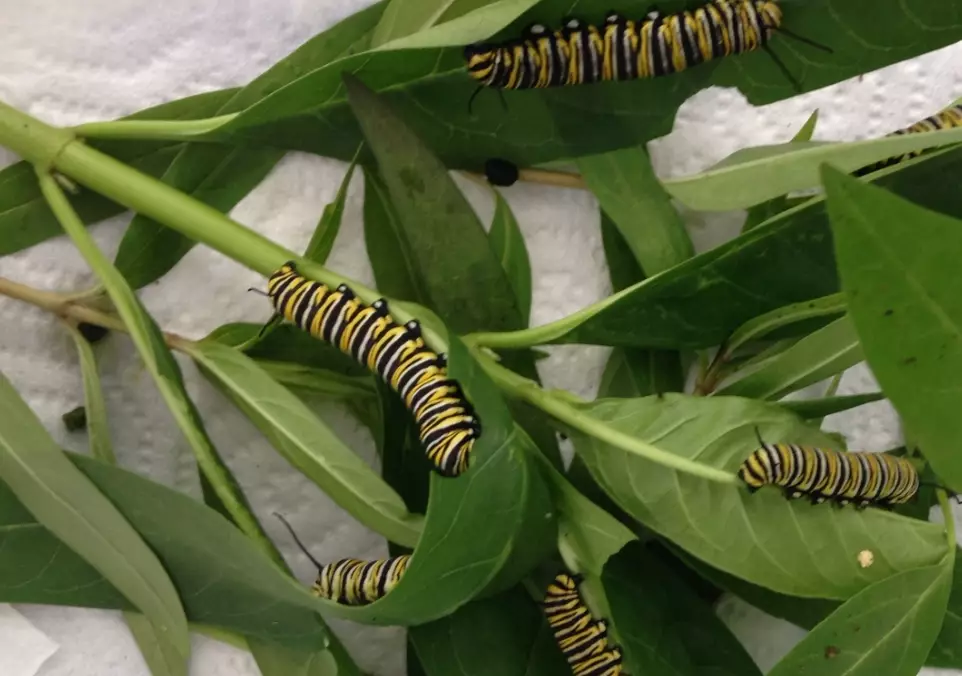
Pro Tip from the Field: Plant in groups of at least 3-5 of the same species. A single, isolated milkweed plant is much harder for a passing monarch female to find and is quickly stripped bare by the first batch of caterpillars, leaving none for later arrivals.
Monarch Caterpillar Care: The 3 Biggest Mistakes to Avoid
You've got lush milkweed. Eggs appear! Then tiny caterpillars! This is where enthusiasm can backfire. Raising monarchs indoors has become popular, but poor practices can do more harm than good.
Mistake #1: The Overcrowded "Critter Keeper." I see photos online of dozens of large caterpillars crammed in a single container. This is a disease factory. OE (Ophryocystis elektroscirrha), a debilitating protozoan parasite, spreads like wildfire through contact and frass (caterpillar poop). If you raise them, keep them in separate containers or in very small, clean groups with frequent habitat cleaning.
Mistake #2: The "Just Any Leaf" Assumption. Caterpillars are imprinting on the chemical signature of the milkweed they hatch on. If you start them on common milkweed, you generally can't switch them to swamp milkweed halfway through. They may refuse to eat and starve. Always provide fresh leaves from the same plant or species they started on.
Mistake #3: The Pesticide Oversight. This isn't just about your garden. That milkweed you begged from a neighbor or bought from a big-box store? It was likely treated with systemic neonicotinoid pesticides that persist in the plant for months or years, poisoning caterpillars slowly. Always ask if plants are pollinator-safe and untreated. The best sources are native plant nurseries or growing from seed yourself.
The safest, easiest path? Let most caterpillars do their thing outdoors. Predation by birds, wasps, and others is a natural part of the ecosystem. Your job is to provide a large, healthy patch of milkweed so enough survive.
Beyond Milkweed: What Monarchs Really Need to Thrive
Milkweed is the nursery, but monarchs are more than just babies. Adults need nectar for their long migration. A monarch garden is a habitat garden.
Plant nectar sources that bloom sequentially from early summer through fall. Monarchs heading south in autumn need high-octane fuel. Think in clumps and drifts for visual impact and foraging efficiency.
- Late Summer/Fall Powerhouses: New England Aster (Symphyotrichum novae-angliae), Blazing Star (Liatris spp.), Goldenrod (Solidago spp.), and Joe-Pye Weed (Eutrochium spp.).
- Shelter: Dense shrubs or a brush pile provide overnight roosting spots during migration.
- Water: A shallow birdbath with stones for perching gives them a place to drink.
Stop deadheading your flowers in late summer. Let them go to seed. That's the natural signal and food source for the ecosystem you're building.
Your Monarch and Milkweed Questions, Answered
I planted milkweed two years ago. It looks healthy but I've never seen a single monarch egg or caterpillar. What's wrong?
This is incredibly common and frustrating. First, check for tiny eggs on the underside of leaves—they're easy to miss. Second, your location matters. Monarchs often use established flight corridors. If your garden is new or isolated, it might take time for them to find it. Expand your nectar plants to act as a beacon. Third, ensure you're not using any pesticides, including mosquito sprays or lawn herbicides, which can drift. Patience is key; establishing a monarch territory can take 3-5 years.
My milkweed is covered in yellow aphids (oleander aphids). Should I spray them to save the plant for caterpillars?
Do not spray. Insecticidal soaps or oils can harm caterpillars and eggs you don't see. Oleander aphids are a fact of milkweed life. They suck sap but rarely kill a healthy plant. The best control is a strong blast of water from the hose to knock them off. Tolerate them. Often, ladybug larvae will show up for an all-you-can-eat buffet. A plant with some aphids is a functioning part of the food web.
 I found a caterpillar on the ground away from milkweed. Should I bring it inside and raise it?
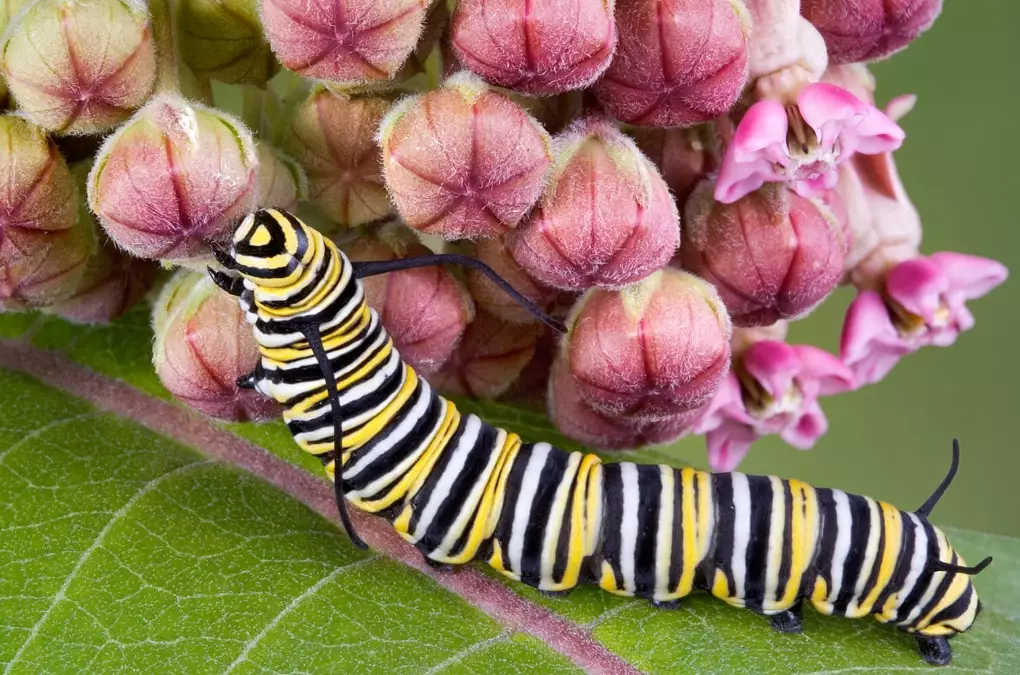
Not necessarily. Caterpillars often wander several feet away from their host plant to find a secure spot to form their chrysalis. It might be perfectly on track. If it's actively moving in a safe area (not a sidewalk), observe from a distance. If it's in immediate danger (on a road, in a high-traffic area), gently move it to a nearby milkweed plant or a sheltered spot in your garden. Only bring it inside as a last resort, and be prepared for the responsibility of sterile rearing practices.
How do I know if my milkweed is "native" enough? The tag just says "milkweed."
The plant tag is your first clue. If it only says "milkweed," be suspicious. Look for the Latin genus and species name, Asclepias _____. Cross-reference that name with the native range maps from a source like the USDA Plants Database or your state's native plant society website. When in doubt, ask the nursery manager for the species name and if it was grown without neonicotinoids. A reputable native plant seller will know this information.
Is it true I should cut back my milkweed in fall to prevent OE parasite buildup?
This advice is specifically and primarily for tropical milkweed (A. curassavica) in southern states where it doesn't die back. The theory is that cutting it to the ground in late fall removes parasite spores and prevents monarchs from sticking around to breed instead of migrating. For native milkweeds in temperate zones, let them die back naturally. The dead stalks provide overwintering habitat for other beneficial insects. In spring, cut the old stalks down to about 6 inches before new growth emerges.
Reader Comments