Let's be honest, gardening on your knees is no fun. Neither is fighting with rock-hard clay or watching your tomatoes drown after a heavy rain. That's where raised raised beds come in. I'm not just talking about a few boards nailed together. I mean a properly planned, built, and filled system that turns a problematic patch into your most productive garden space. I've built over two dozen of these things in my own yard and for clients, and I've seen the same mistakes repeated. This guide cuts through the fluff and gives you the real, actionable steps to get it right the first time.
What You'll Learn in This Guide
Why Raised Raised Beds Are a Game-Changer
You see them everywhere on social media, but what's the real benefit beyond looking tidy? It's about control. With a raised bed, you're not at the mercy of your native soil. If you have heavy clay, it drains slowly. Sandy soil? It holds no nutrients. A raised bed lets you create the perfect soil environment from scratch.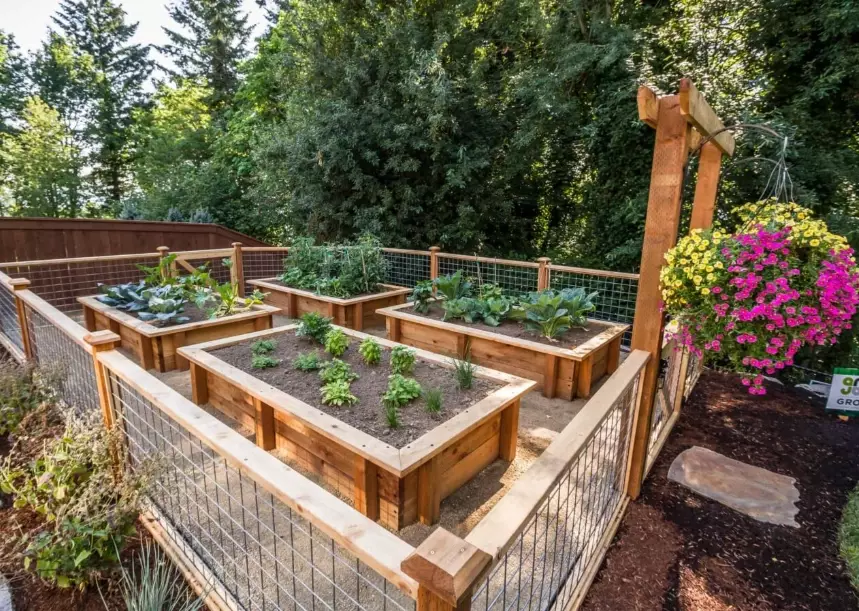
Drainage is the number one advantage. Water soaks through your custom soil mix and out the bottom, preventing roots from sitting in soggy conditions. That means fewer problems with rot and fungal diseases.
Then there's the back. Bending over less is a major win. A bed that's 18 to 24 inches high brings the garden to you. I built mine at 24 inches after a season of complaining about my lower back, and it was the best decision I made.
Weed control is easier. You start with clean soil, and the defined edges make it simple to spot and pull invaders before they take over. Warmth is another factor. The soil in a raised bed warms up faster in the spring, letting you plant cool-season crops like lettuce and peas a good two to three weeks earlier than in-ground gardens.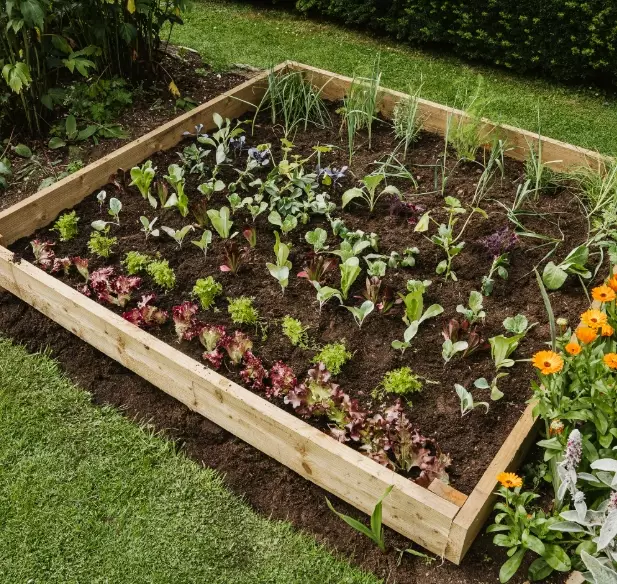
Here's the thing everyone glosses over: Raised beds can fail if you don't prepare the ground underneath. Simply plopping a frame on compacted lawn or clay creates a "bathtub" effect. Water pools at the bottom, and roots hit a hard barrier. You must loosen the soil underneath the frame, at least a fork's depth down, to ensure proper drainage and allow deep roots to penetrate if they want to.
How to Build Your Raised Bed: A Step-by-Step Plan
Planning prevents poor performance. Don't just buy wood and start screwing.
Choosing the Right Materials
The lumber debate is endless. Cedar and redwood are the gold standards for natural rot resistance, but they're pricey. Pressure-treated lumber is a common budget choice. Since 2003, it's been treated with copper-based compounds (ACQ or CA-B) considered safe for gardening, as confirmed by ongoing research from institutions like the University of Minnesota Extension. The chemicals are fixed in the wood and have very low risk of leaching into soil. I've used it for non-edible flower beds without issue.
For edible gardens, I personally lean towards cedar or using a liner (like heavy-duty polypropylene) with a more affordable wood like Douglas fir. Composite lumber is maintenance-free but expensive and doesn't "breathe" as well.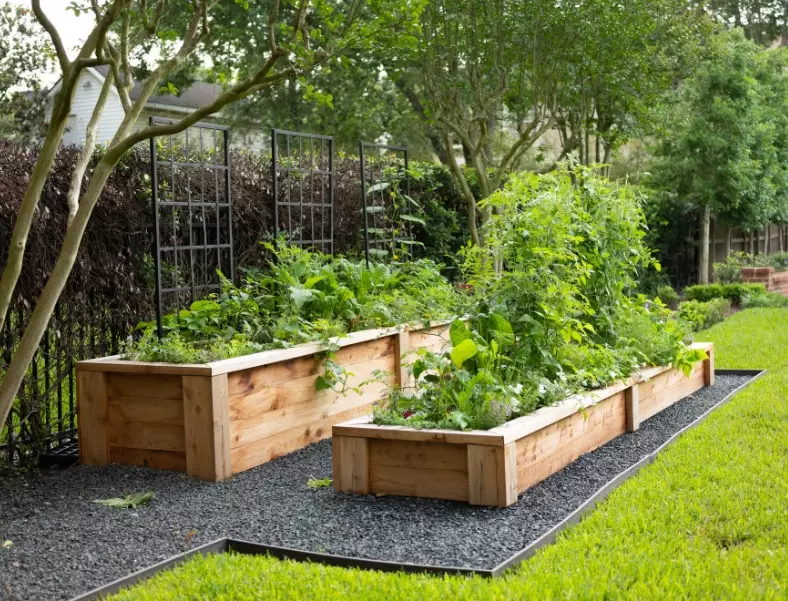
Dimensions That Actually Work
This is where most first-timers mess up. Too wide and you can't reach the center. Too narrow and you waste space on paths.
- Width: Absolute maximum of 4 feet. If you have access from one side only, keep it to 3 feet. Your arm length is the limiting factor.
- Length: Whatever fits your space, but breaking a long run into multiple beds is easier to manage.
- Height: 12 inches is the bare minimum for most vegetables. 18 inches is ideal. Go for 24 inches or higher if you have major mobility issues or terrible subsoil.
My first bed was 6 feet wide because it "looked right" on paper. I spent the whole summer doing an awkward belly flop onto the soil to reach my broccoli. Don't be me.
The Build Process
1. Site it. Full sun (6+ hours) is non-negotiable for veggies. Level ground is best. 2. Clear and loosen. Remove sod. Use a garden fork to deeply loosen the soil in the footprint of your bed. 3. Assemble the frame. Use 4x4 posts at the corners for stability. Screw together with exterior-grade deck screws (galvanized or coated). Never use nails—they work loose over time. 4. Consider a bottom? For areas with gophers, a hardware cloth (galvanized wire mesh) bottom stapled to the frame is a lifesaver. It still allows drainage but keeps pests out.
The Soil Secret: Mixing the Perfect Growing Medium
Filling the bed is the single biggest expense and the most critical step. Bagged "garden soil" is often too dense. The classic "Mel's Mix" from square foot gardening (1/3 compost, 1/3 peat moss, 1/3 vermiculite) is a great starting point, but it can be pricey and I find it sometimes lacks enough mineral content for long-term fertility.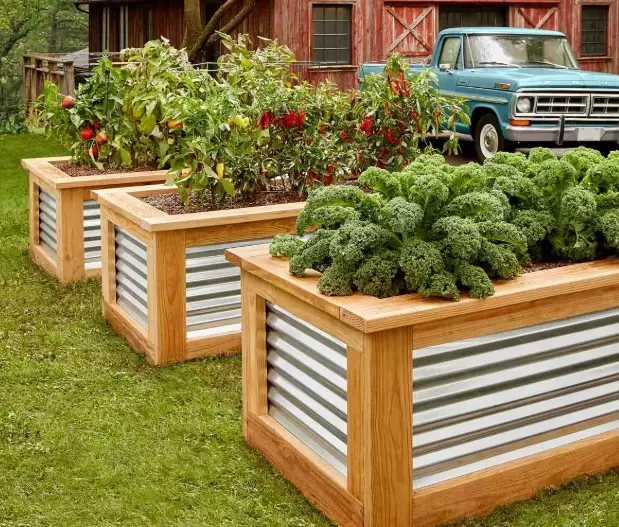
Here's my workhorse, scalable recipe that I've tweaked over the years:
| Ingredient | Purpose | Approximate % | Notes & Pro-Tip |
|---|---|---|---|
| High-Quality Compost | Nutrients, microbial life, moisture retention. | 40-50% | Use 2-3 different sources (municipal, mushroom, worm) for a diverse nutrient profile. |
| Topsoil or Garden Soil | Provides mineral content and "body." | 30-40% | Don't use pure clay subsoil. A screened sandy loam is ideal. This is the element many "soilless" mixes miss. |
| Aeration Amendment | Creates pore space for air and water. | 20-30% | Peat moss, coconut coir, or fine bark chips. Coir is more sustainable than peat but holds less air. |
| Optional Extras | Long-term fertility & drainage. | Handful per bed | Worm castings (amazing), perlite (for extra drainage in wet climates), balanced organic fertilizer. |
Mix everything thoroughly on a tarp before shoveling it into the bed. It will settle, so fill it to the top—even slightly mounded.
Smart Planting and Low-Effort Maintenance
Now for the fun part. The dense, perfect soil lets you plant intensively. Forget single rows with bare dirt between them.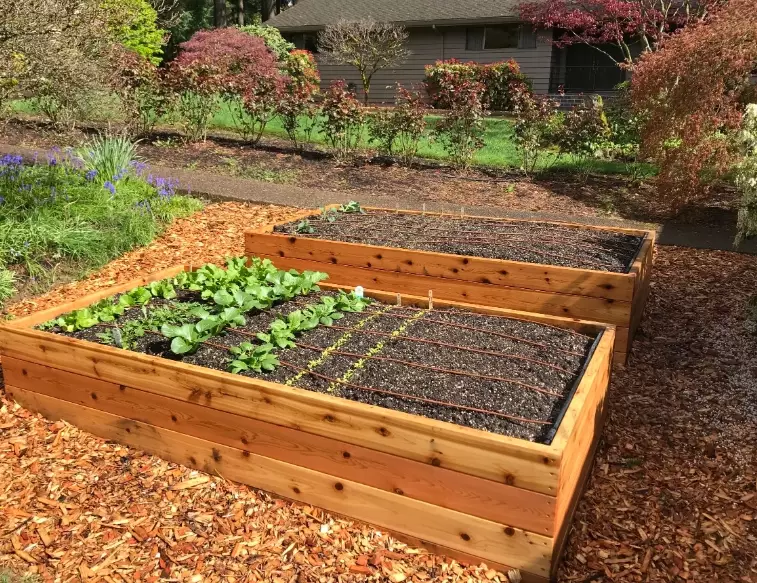
Plant in grids or blocks. A 4x8 foot bed can be divided into 1-foot squares. Plant a different crop in each square according to its spacing. One tomato per square, 9 bush beans per square, 16 carrots per square. This maximizes yield and shades out weeds.
Succession planting is key. When you harvest a square of radishes (which takes 30 days), immediately replant it with spinach or beets. Your bed is productive from early spring to late fall.
Watering deeply but less frequently is the rule. Stick your finger in the soil. If it's dry 2 inches down, water slowly until it runs out the bottom. Soaker hoses or drip irrigation laid on the soil surface under mulch are the ultimate time-savers. I set mine on a simple timer.
Feed the soil, not just the plants. Top-dress with an inch of fresh compost every spring and fall. This replenishes organic matter and nutrients naturally. A light application of an organic, balanced fertilizer mid-season can boost heavy feeders like tomatoes and peppers.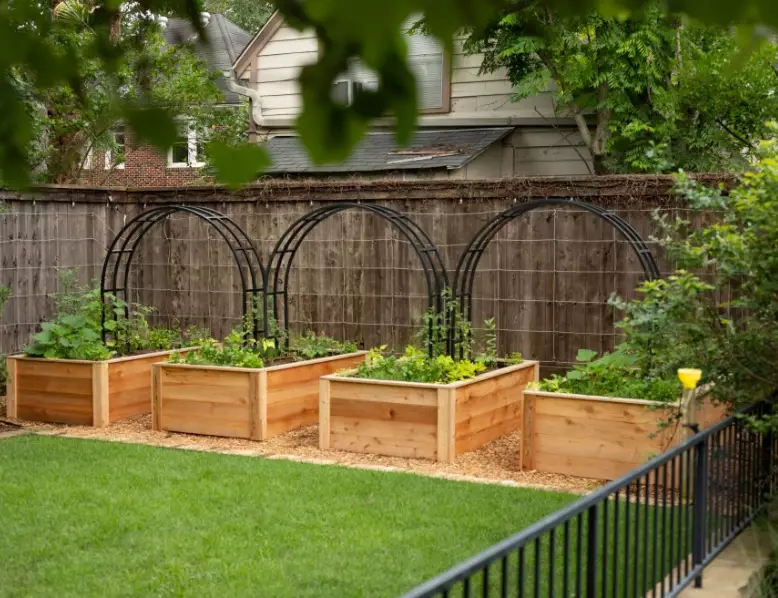
Your Raised Bed Questions, Answered by Experience
Raised raised beds aren't a magic bullet, but they're the closest thing to it for creating a manageable, high-yielding garden. They turn problems like poor soil and limited space into non-issues. The initial investment in materials and soil pays off for years in reduced labor, fewer failures, and more food on your table. Start with one bed. Get the soil right. You'll probably end up building more.
Reader Comments