You've nurtured your lettuce from seed or seedling, watched it grow, and now the leaves look perfect. But then you hesitate. Is it ready? Do you pull the whole plant or just take a few leaves? If you cut it wrong, will it grow back? I've been there. I remember my first garden, staring at a beautiful head of buttercrunch, afraid to make the first cut. Over a decade of growing (and making plenty of mistakes), I've learned that how and when you pick lettuce is just as important as how you grow it. Get it right, and you'll have crisp, sweet salads for months. Get it wrong, and you might end up with a one-time harvest or bitter, bolted greens. Let's walk through exactly how to do it.
What You'll Learn Inside
Knowing Exactly When Your Lettuce Is Ready to Pick
Timing is everything. Pick too early, and you get a meager salad. Pick too late, and the leaves turn tough and bitter. Forget calendar dates—they're useless. You need to read the plant.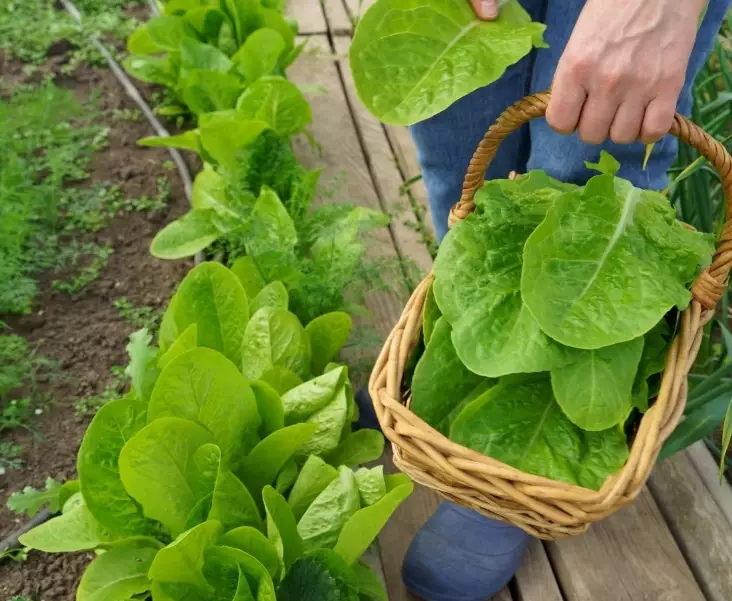
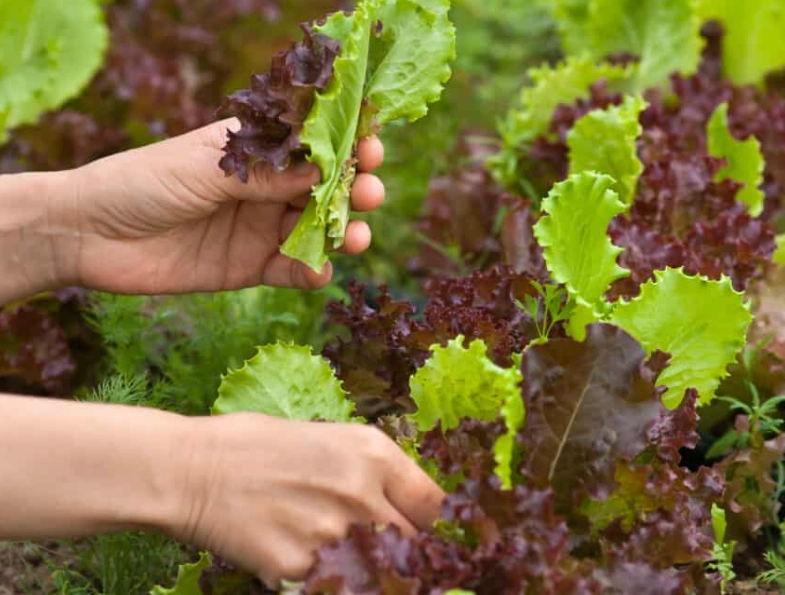
For leaf lettuce (like Black Seeded Simpson, Oakleaf, or Lollo Rosso), you can start harvesting as soon as the leaves are about 3 to 4 inches tall. This is called the "baby leaf" stage, and the leaves are incredibly tender. Don't wait for them to get huge. The plant should look full and bushy.
For head lettuce (like Butterhead, Iceberg, or Crisphead), patience is key. The head should feel firm and solid when you gently squeeze it. It should be a good size for its variety—a softball-sized butterhead, for instance. If it's still loose and leafy, give it another week. A common mistake is cutting into a head that's still forming; you'll just get loose leaves instead of that satisfying, compact head.
For romaine/cos lettuce, wait until the tall, elongated head is well-formed and the leaves are sturdy. The rib in the center should be crisp and thick.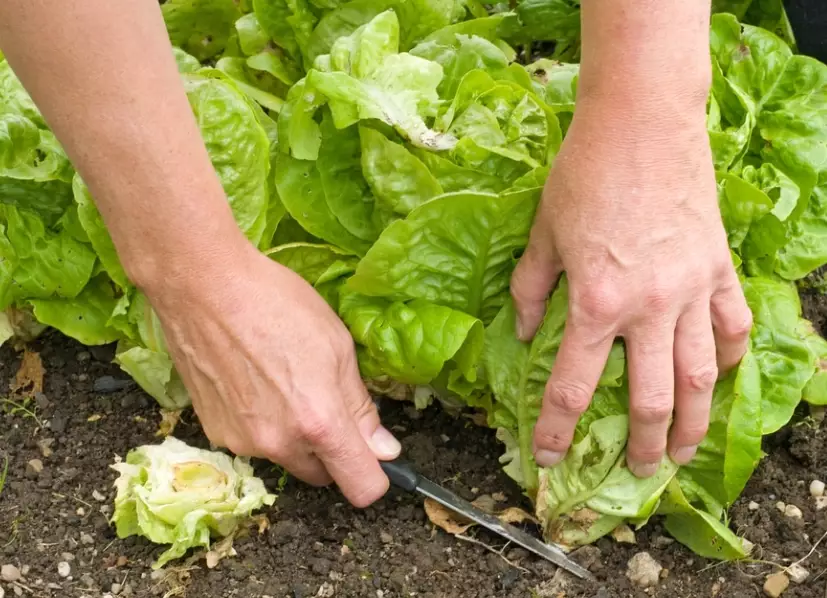
The #1 Sign to Harvest Immediately: Bolting
See a thick, central stalk shooting up from your lettuce? That's it bolting—switching from leaf production to flower and seed production. It's triggered by lengthening days and heat. Once this starts, the leaves rapidly turn bitter.
Here's the non-consensus part: many guides say the plant is ruined. It's not. The moment you see that stalk begin to form, harvest the entire plant immediately. The leaves at that very moment are often still usable, if you taste-test one. The stalk itself, if picked young and tender, can be peeled and eaten like asparagus—a little secret not many know. After that, it's too late.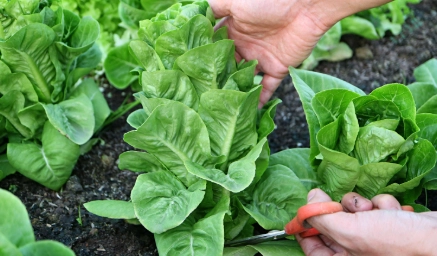
The Simple Tools You Actually Need (And One to Avoid)
You don't need much. Fancy gadgets are a waste of money here.
- A sharp pair of garden scissors or snippers: This is your best friend for leaf lettuce and clean cuts. Kitchen scissors work in a pinch, but dedicated garden snips are more comfortable. Keep them clean.
- A sharp serrated knife: Essential for cleanly cutting through the stem of head and romaine lettuce. A dull knife will crush and damage the stem base, hindering regrowth on "cut-and-come-again" types.
- A basket or bowl: Something to gently place your harvest in. Don't pile it high and crush the lower leaves.
The tool to avoid? Your hands for pulling or twisting off heads. You'll almost certainly damage the root system of neighboring plants or tear the leaves, creating entry points for decay. Use the knife.
Step-by-Step: How to Pick Every Type of Lettuce
Method changes based on what you're growing. Here’s the breakdown.
How to Harvest Leaf Lettuce (The "Cut-and-Come-Again" Method)
This is where you get continuous harvests. The goal is to take leaves while leaving the central growing point intact.
- Identify the outer, mature leaves. They are the largest and often darkest.
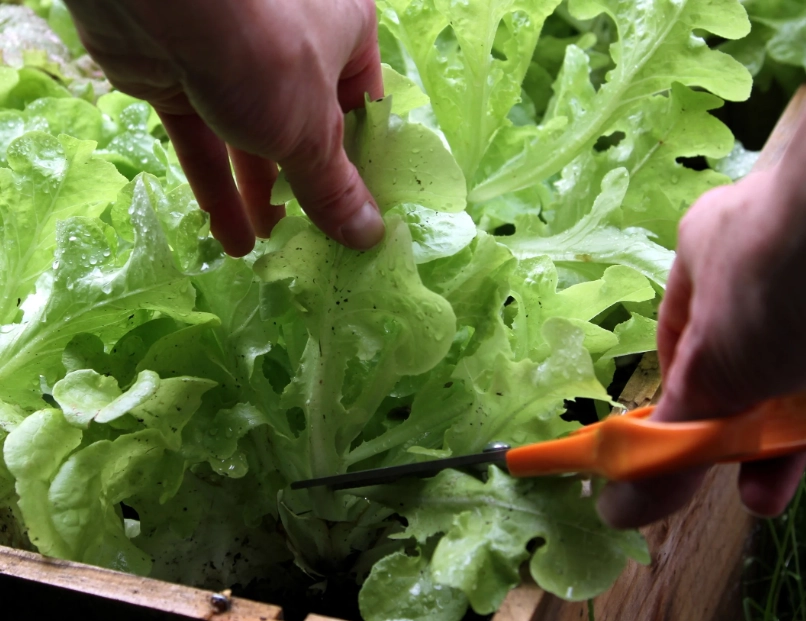
- Hold the leaf you want to pick with one hand near its base.
- With your snips in the other hand, cut the leaf stem about an inch above the soil line. Don't cut into the crown (the central cluster of tiny new leaves).
- Move around the plant, taking no more than one-third to one-half of the leaves at one time. This is critical. The plant needs enough leaves left to photosynthesize and regrow.
- In 7-10 days, come back and do it again. A well-maintained plant can provide harvests for most of the season.
How to Harvest Head Lettuce (Butterhead, Iceberg)
This is a one-time harvest for the main head, but sometimes you get a bonus.
- Confirm the head is firm by giving it a gentle squeeze.
- With your sharp serrated knife, cut the entire head at the base, about 1 inch above the soil line.
- Here's the expert tip many miss: Leave the stump and roots in the ground. Often, especially with butterhead varieties, the stump will sprout several small, new leaves. They won't form another full head, but they'll give you a handful of "baby greens" in a few weeks for a bonus salad.
How to Harvest Romaine/Cos Lettuce
You have two options.
Option 1: Harvest the whole head. Same as head lettuce—cut at the base when mature.
Option 2: Harvest outer leaves. Romaine can also be treated as a cut-and-come-again crop, especially if you want to prolong the harvest. Simply remove the outer, mature leaves as described in the leaf lettuce method, allowing the inner heart to continue growing and elongating.
| Lettuce Type | Best Harvest Method | Key Sign of Readiness | Will It Regrow? |
|---|---|---|---|
| Leaf (Looseleaf) | Cut outer leaves, 1" above soil | Leaves 3-4" long, bushy plant | Yes, repeatedly (Cut-&-Come-Again) |
| Head (Butterhead, Crisphead) | Cut whole head at base | Head feels firm and solid | Sometimes small secondary leaves |
| Romaine/Cos | Cut whole head OR outer leaves | Tall, firm, elongated head | If harvested leaf-by-leaf, yes |
What to Do Right After You Pick Lettuce
Post-harvest handling makes a massive difference in how long your lettuce stays crisp. Don't just toss it in the fridge.
- Cool it down, fast. Get your harvest out of the sun and into a cool place immediately. Heat speeds up wilting and decay.
- Wash it (maybe). If your lettuce is clean, you can store it unwashed. If there's soil, give it a gentle swirl in a bowl of cool water. Do not wash under a hard stream of tap water—it bruises the cells.
- The Critical Dry-Off. Moisture is the enemy of storage. Use a salad spinner to remove every drop of water. This is non-negotiable for longevity. If you don't have a spinner, pat leaves thoroughly with clean kitchen towels.
- Store it right. Place the completely dry lettuce in a plastic bag or, better yet, a reusable container lined with a dry paper towel. The paper towel absorbs any residual moisture. Seal it and put it in your refrigerator's crisper drawer. Properly stored, homegrown lettuce can last 7-10 days this way.
3 Common Harvesting Mistakes That Kill Your Crop
I've made all of these. Learn from my errors.
Mistake 1: The "Clear Cut." Taking every single leaf from a leaf lettuce plant, leaving just a naked stump. The plant is shocked, has no way to produce energy, and either dies or takes forever to produce a few pathetic leaves. Always leave at least half the foliage.
Mistake 2: Waiting for Perfection. Holding out for that picture-perfect, giant head of lettuce. In the meantime, a heatwave hits, and it bolts overnight. It's better to harvest a slightly smaller, perfect-tasting head than a large, bitter one. Lettuce is at its peak for a surprisingly short window.
Mistake 3: Rough Handling. Tossing leaves into a bucket, piling them high, washing them aggressively. Lettuce is delicate. Bruised leaves decay quickly, ruining the whole batch. Handle it like eggs.
Your Lettuce Picking Questions, Answered
Picking lettuce should feel rewarding, not stressful. It's the moment you get to enjoy the literal fruits (or leaves) of your labor. Forget the complex rules at first. Start with the basics: sharp tools, a morning harvest, and a gentle hand. Pay attention to your plants—they'll tell you what they need. Before long, you'll be grabbing a handful of leaves for dinner without a second thought, and that's the real goal of a home garden.
Reader Comments