So you want to grow blueberries. Smart move. There's nothing quite like walking into your backyard and picking a handful of sun-warmed, sweet-tart berries that you grew yourself. It feels like a small victory every time. But here's the thing I learned the hard way after my first few bushes produced a grand total of seven measly berries: growing blueberries isn't just sticking a plant in the ground and waiting. It's a relationship, and it starts with understanding one non-negotiable need—acidic soil. Get that wrong, and you're basically just growing a very expensive, very sad-looking green shrub. This guide is everything I wish I knew when I started, packed with the nitty-gritty details that make the difference between a handful of berries and buckets full.
What You’ll Learn in This Guide
How to Choose the Right Blueberry Bush Variety
This is your first major decision, and it trips up a lot of beginners. You walk into a nursery, see a bunch of plants labeled "blueberry," and grab the one with the prettiest picture. Don't do that. The variety you choose dictates your climate suitability, harvest time, and even berry flavor. It's the foundation.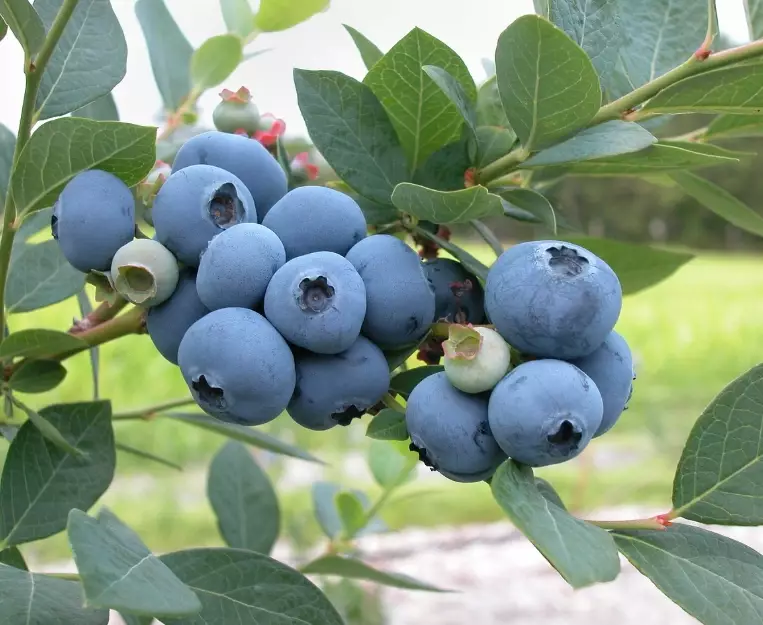
Understanding the Three Main Types
You've got three big families: Northern Highbush, Southern Highbush, and Rabbiteye. Northern Highbush varieties are the classic, cold-hardy types you see in grocery stores, needing a solid winter chill. Think 'Bluecrop' or 'Jersey'. Southern Highbush are hybrids bred for warmer winters, like in California or the Gulf Coast—'Misty' and 'Sunshine Blue' are popular. Rabbiteye blueberries are the tough guys for the deep South, incredibly heat and drought tolerant once established, like 'Tifblue' or 'Climax'.
The Chill Hour Factor (The Number Nobody Talks About)
Here's a specific, often-overlooked point: chill hours. Every blueberry variety needs a certain number of hours between 32°F and 45°F in winter to break dormancy and flower properly. A 'Bluecrop' might need 800-1000 hours. If you live in Atlanta and only get 500 chill hours, it'll leaf out poorly and set few flowers. Check your local university extension service (like the University of Georgia Extension) for chill hour maps and recommended varieties. It's the single best way to avoid a dud.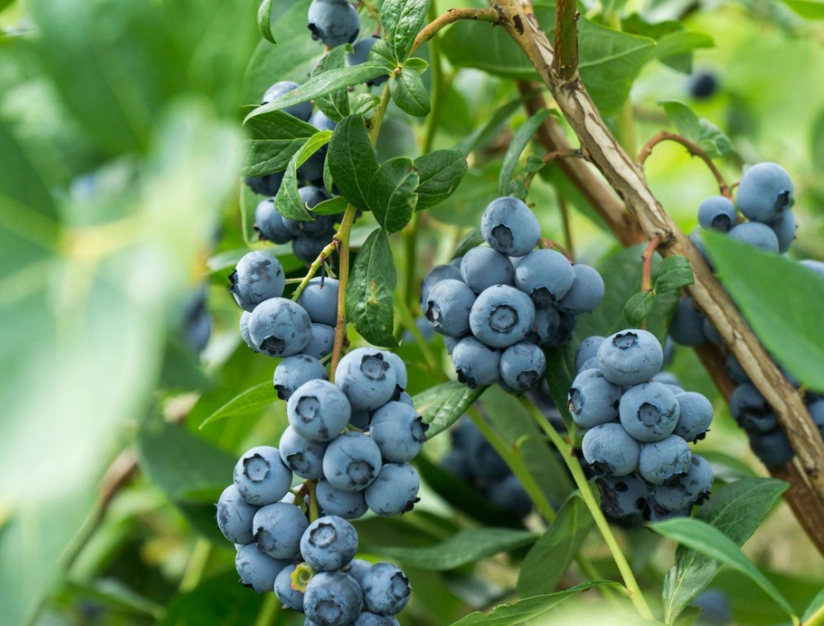
The Soil Secret: It's All About pH
If I could shout one thing from the rooftops, it's this: Test your soil first. Don't guess. Blueberries demand acidic soil, with a pH between 4.5 and 5.5. Most garden soil sits around 6.0 to 7.0. At a neutral pH, the blueberry bush can't access iron, leading to yellow leaves with green veins (chlorosis) and a stunted, non-fruiting plant.
I use a simple home test kit or send a sample to my local coop extension. Once you know your starting point, you can amend.
Creating the Perfect Acidic Bed
For in-ground planting, I don't just dig a hole. I create a dedicated raised bed or a wide, shallow planting area. Here's my mix:
- 50% Sphagnum Peat Moss: The gold standard for acidification and moisture retention. Not coconut coir—it doesn't acidify the same way.
- 30% Aged Pine Bark Fines: Adds acidity as it breaks down and creates perfect, well-draining structure.
- 20% Existing Native Soil: Helps the roots eventually transition out into your yard.
Mix in a couple of cups of elemental sulfur per plant, as recommended by the soil test. Sulfur is slow-acting but lasts. Avoid aluminum sulfate—it can build up toxic levels of aluminum.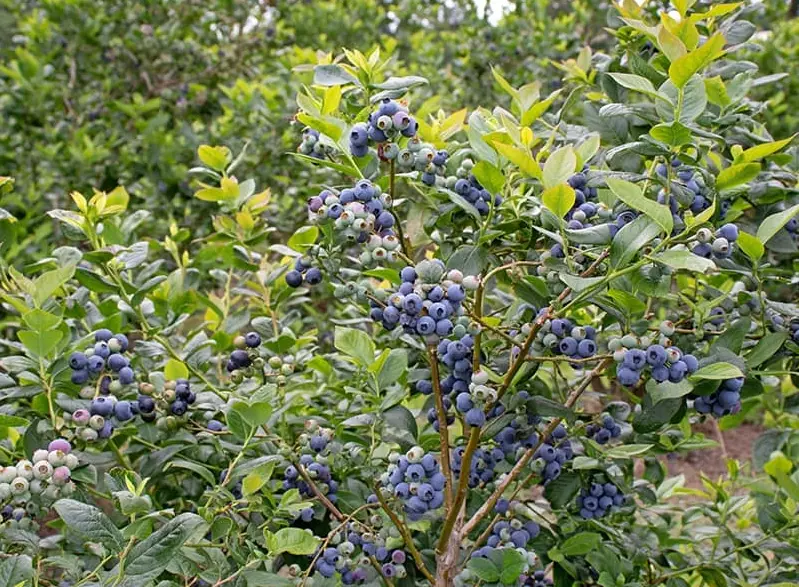
Step-by-Step Planting (Getting It Right the First Time)
Plant in early spring or fall. Here's the drill, step by step.
1. Dig a Wide, Shallow Hole: Make it 2-3 times wider than the root ball, but only as deep. Blueberry roots are shallow and spread horizontally.
2. Tease the Roots: Gently loosen any pot-bound roots. If they're a tight mass, make a few vertical slices with a knife. This seems harsh, but it encourages them to grow outward.
3. Plant High: Set the plant so the top of its root ball is about an inch above the surrounding soil level. Backfill with your acidic mix. Planting too deep is a common killer.
4. Water Deeply and Mulch Heavily: Soak it. Then apply 3-4 inches of acidic mulch—pine needles, shredded pine bark, or oak leaves. This is critical. It keeps roots cool, moist, and adds acidity as it decomposes. Never use hardwood bark or gravel.
5. Space for Success: Place plants 4-5 feet apart for good air circulation. For cross-pollination and a longer harvest, plant at least two different varieties.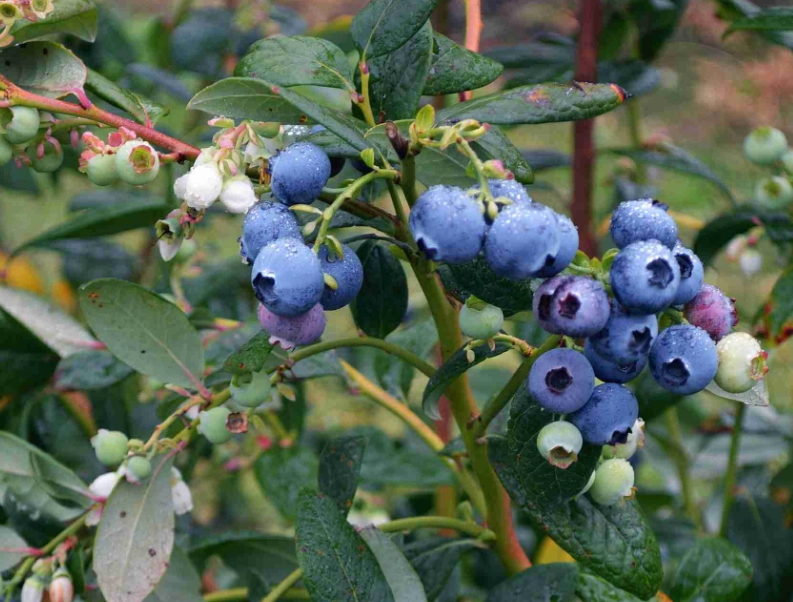
The 4-Season Care Schedule
Blueberries are low-maintenance, but not no-maintenance. Think of it as a seasonal checklist.
| Season | Key Tasks | Expert Tip |
|---|---|---|
| Spring | Fertilize with an acid-forming fertilizer (like for azaleas) as buds swell. Water if dry. Net plants to protect blooms from late frost. | Use a balanced, slow-release organic fertilizer. Fish emulsion is great. Avoid high-nitrogen mixes—they promote leaf growth over fruit. |
| Summer | Consistent watering (1-2 inches per week). Mulch check. Watch for birds as fruit colors. | Drip irrigation is a game-changer. Stress from drought during fruit development leads to tiny, hard berries. |
| Fall | Plant new bushes. Apply a fresh mulch layer. Enjoy spectacular red foliage. | No fertilizer after midsummer. You don't want tender new growth hit by frost. |
| Winter | Prune dormant plants. Protect young bushes from heavy snow with burlap. | Pruning is essential. Remove dead wood, low-growing branches, and any stems older than 6 years to encourage new, productive canes. |
The Pruning Mistake Almost Everyone Makes
People are scared to prune blueberries. They see a big, bushy plant and think it's healthy. But an unpruned bush becomes a tangled thicket of old, unproductive wood. The best fruit comes from canes that are 2-4 years old. Each winter, grab your pruners and remove:
- Any dead, damaged, or diseased wood.
- Twiggy, weak growth at the base.
- Two of the oldest, thickest canes (gray, flaky bark) right down to the ground.
Your goal is to have 12-15 strong, upright canes of varying ages. It feels brutal, but your plant will thank you with bigger berries.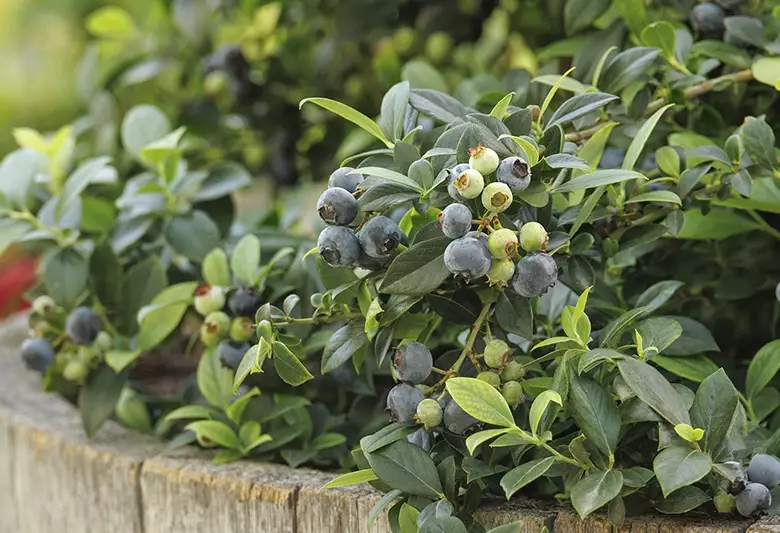
When and How to Harvest (Plus Storage Tricks)
Patience. Blueberries develop their full sweetness and blue color a few days after they turn blue. The best test is a taste. A ripe berry will detach with the gentlest tug. If you have to pull, it's not ready.
Harvest in the cool of the morning. Don't wash them until you're ready to eat or use them. The powdery white "bloom" on the skin is a natural protective coating.
Storage: For fresh eating, keep them dry in a shallow container in the fridge—they can last up to two weeks. For freezing, spread them in a single layer on a baking sheet, freeze solid, then transfer to bags. This prevents a giant blueberry brick. They're perfect for smoothies and baking straight from the freezer.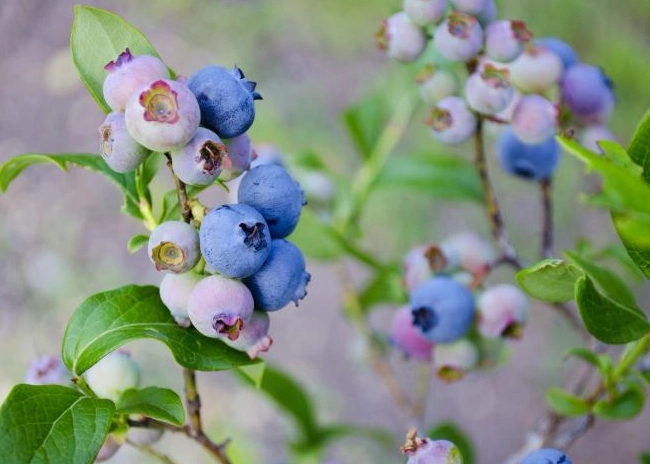
Reader Comments