You've seen the pictures: perfect, straight, vibrantly orange carrots pulled from rich, loose soil. Then you try growing your own and end up with a harvest of stunted, forked, or woody roots that look more like abstract art than food. I've been there. For years, my carrot beds were a disappointment. The problem wasn't my effort—it was my approach. Growing carrots successfully isn't just about dropping seeds in the ground; it's about understanding what's happening underneath. Let's cut through the generic advice and talk about what actually works.
What You'll Learn
The One Soil Mistake That Ruins Most Carrot Crops
Everyone tells you carrots need "loose, well-drained soil." That's true, but it's dangerously vague. The critical detail most guides skip is depth and texture. A carrot root will grow 8, 10, even 12 inches down. If it hits a compacted layer, a rock, or a chunk of undecomposed manure, it will fork, twist, or stop growing.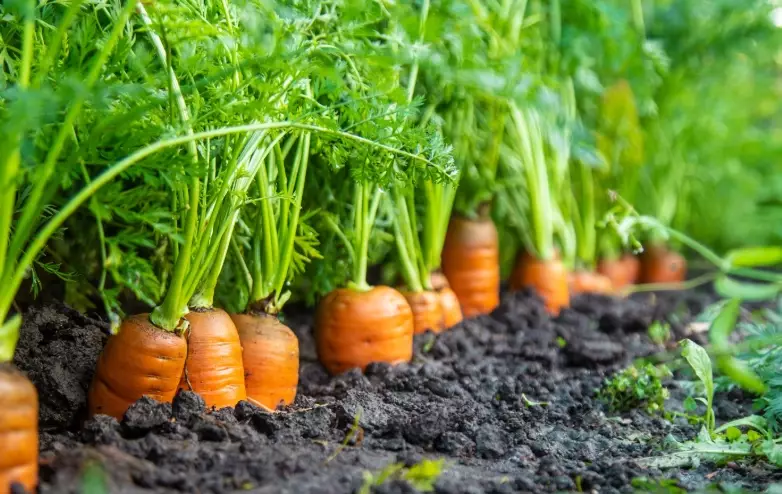
Here’s what you really need to do: don't just till the top 6 inches. You must prepare a deep seedbed.
Fertilizer is another pitfall. Fresh manure or high-nitrogen fertilizer right before planting causes hairy, forked roots. Carrots are light feeders. Work in a low-nitrogen, phosphorus-rich amendment like bone meal or a balanced compost that's been aged for at least 6 months. A soil test from your local extension service (like those from USDA-affiliated offices) is worth its weight in gold—it tells you exactly what you need.
When to Plant Carrots: It's Not Just Spring
Carrots are cool-season crops. They germinate best in cool, moist soil and sweeten up with a bit of frost. The classic advice is to plant 2-4 weeks before your last spring frost. That's a good start, but it misses the best-kept secret: the fall planting window.
I get my sweetest, crispest carrots from a mid-to-late summer planting for a fall harvest. The soil is warm, which speeds germination, and the cooling autumn temperatures make the roots incredibly sweet. You can even leave them in the ground under a thick layer of mulch and harvest all winter in many climates.
For a continuous harvest, don't plant all your seeds at once. Sow a short row every 2-3 weeks from early spring until about 10-12 weeks before your first fall frost.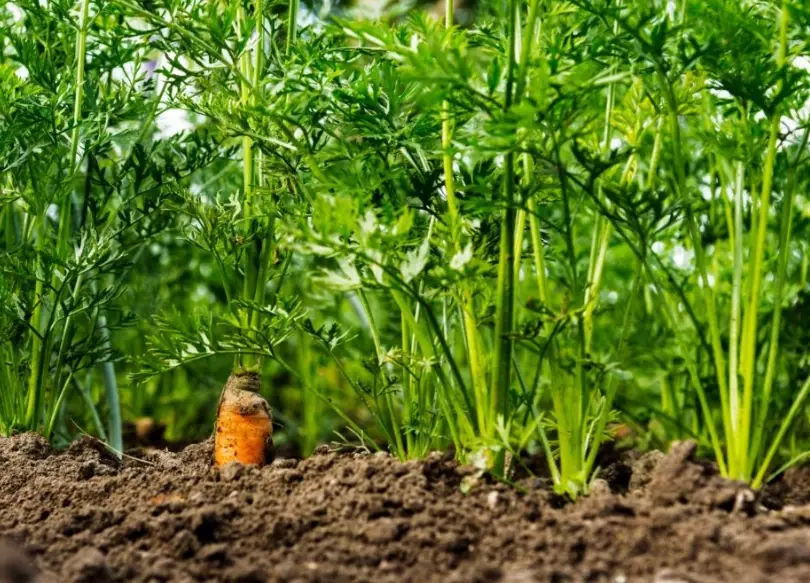
Step-by-Step Guide to Planting Carrot Seeds
Carrot seeds are tiny and slow to germinate. This is where many gardeners get impatient and fail.
Preparing the Seedbed
After deep loosening and raking, create a smooth, level surface. Water the bed thoroughly a day before you plan to sow. The goal is moist soil, not mud.
Sowing the Seeds
Make shallow furrows about 1/4 inch deep. I use the handle of my rake. Space rows 12-18 inches apart. The classic mistake is sowing too thickly, leading to a nightmare of thinning later. Try to space seeds about 1/2 inch apart. It's fiddly, but seed tapes or pelleted seeds are great alternatives for beginners.
Cover the seeds with a fine, sifted potting mix or vermiculite—never heavy garden soil. This prevents crusting. Pat gently to ensure good seed-to-soil contact.
The Critical Germination Period
Keep the seedbed constantly moist. This is non-negotiable. If the surface dries out even once, the tiny seedlings will die. I cover my rows with a wooden board or a thin layer of burlap after watering. I check under it daily, and remove the cover as soon as I see the first green sprouts, which can take 10-21 days.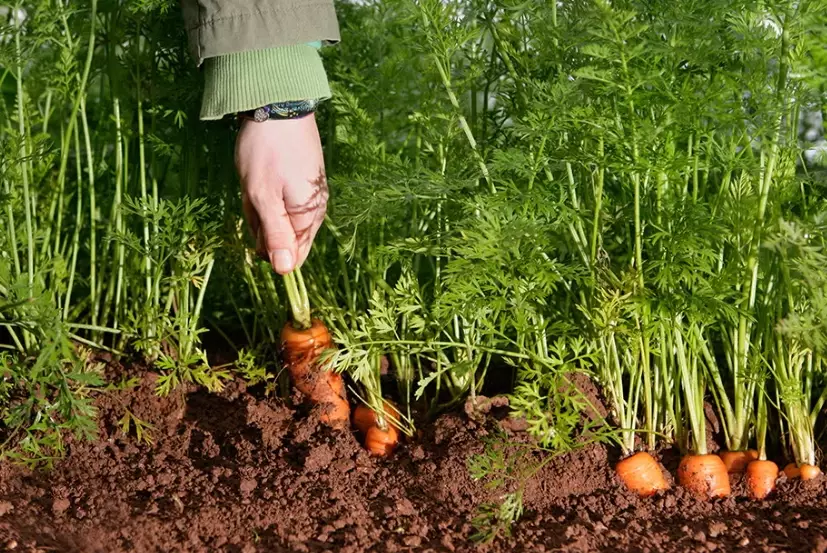
Choosing the Right Carrot Variety for Your Soil
Not all carrots are long, orange spears. If you have heavy or shallow soil, choose a variety that matches your conditions instead of fighting them.
| Variety Type | Best For | Examples & Notes |
|---|---|---|
| Danvers / Imperator | Deep, sandy, perfect soil | Classic long, tapered carrots. Need deep, stone-free soil. 'Danvers 126' is a sturdy heirloom. |
| Nantes | Most home gardens, heavier soils | Cylindrical, blunt-tipped, 6-7 inches long. Sweet and crisp. 'Scarlet Nantes' is a gold standard. |
| Chantenay | Heavy, clay, or shallow soils | Short, broad-shouldered roots, 4-5 inches long. Great for containers. 'Red Cored Chantenay' is prolific. |
| Round / Ball | Very poor, rocky, or container soil | Looks like a radish. 'Parisian' or 'Romeo' can grow in just a few inches of soil. |
| Colorful Varieties | Fun, different flavors | Purple ('Deep Purple'), yellow ('Solar Yellow'), white ('Lunar White'). Often have different nutrient profiles. |
For years, I planted 'Imperator' types in my slightly clayey soil and wondered why they were stubby. Switching to 'Nantes' and 'Chantenay' types was a game-changer.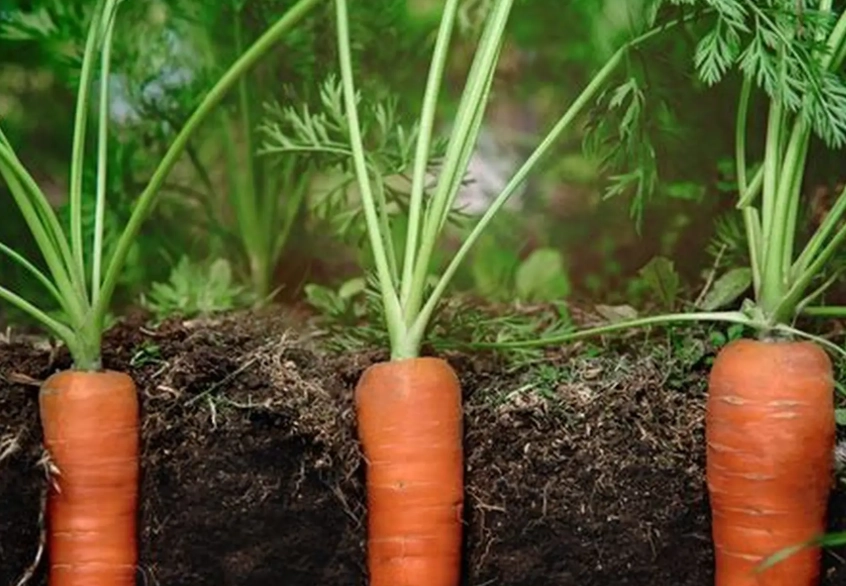
Ongoing Care, Harvest, and Storage
Thinning: The Hardest but Most Important Job
Once seedlings are 2 inches tall, you must thin them. Crowded carrots will never size up. Thin to 1-2 inches apart initially. A few weeks later, thin again to a final spacing of 3-4 inches. Use scissors to snip off unwanted seedlings at the soil line—pulling can disturb the roots of the keepers. The thinnings are edible as delicate "carrot greens" in salads.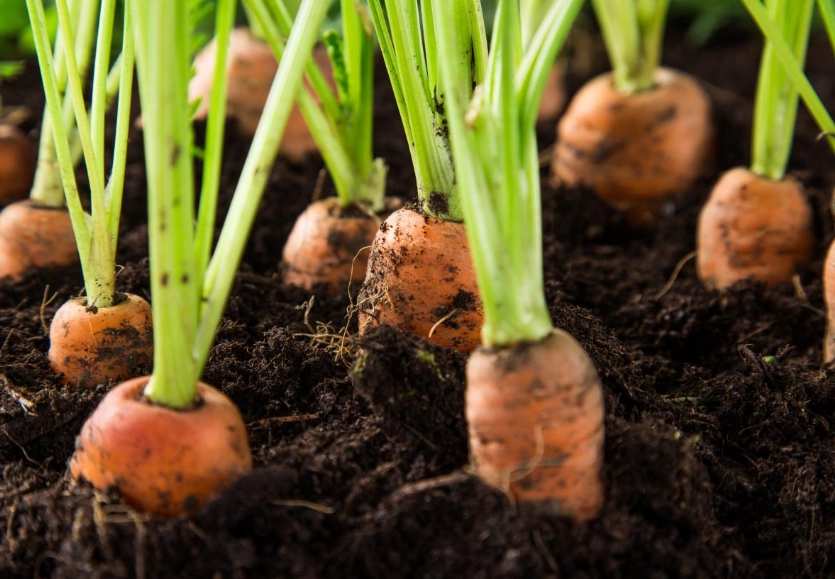
Watering and Weeding
Water deeply and consistently. Inconsistent watering causes roots to crack. Aim for 1 inch of water per week. A light mulch of grass clippings or straw helps retain moisture and suppress weeds, which compete fiercely with young carrots.
When and How to Harvest
You can start harvesting "baby" carrots whenever they look big enough to eat. For mature carrots, check the days to maturity on your seed packet. The best indicator is the shoulder width—if it looks broad and full at the soil line, it's likely ready.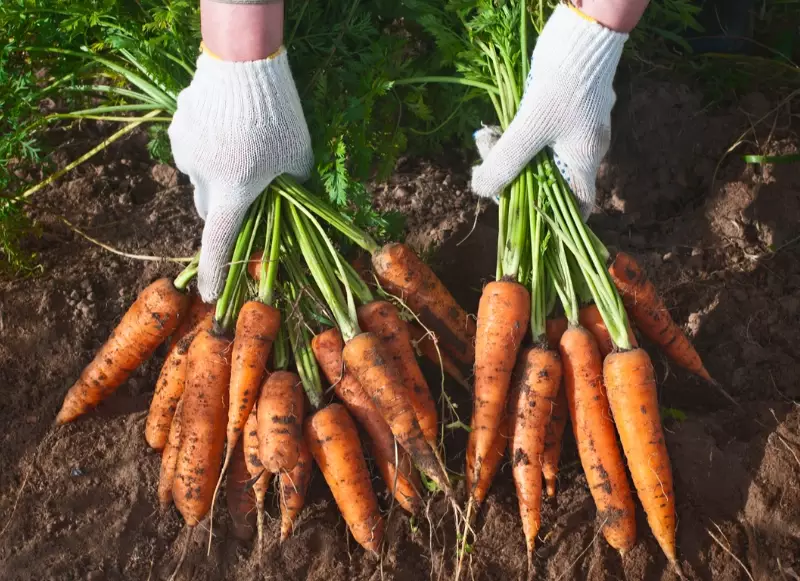
To harvest, water the bed first to loosen the soil. Grasp the foliage at the base and wiggle while pulling straight up. If they resist, use a garden fork to gently lift from the side.
Storing Your Harvest
For long-term storage, twist off the tops (don't cut them, it can cause rot). The greens draw moisture from the root. Store unwashed carrots in a perforated plastic bag in your refrigerator's crisper drawer. For a root cellar method, pack them in damp sand or sawdust in a cool, dark place. They can last for months.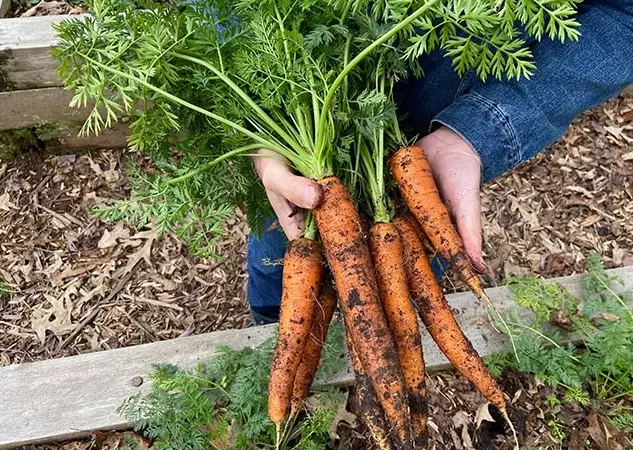
Reader Comments