You’ve nurtured your tomato plants for months. Then, one morning, you see it. Yellow leaves. Black spots. Wilting stems. That sinking feeling hits—your plants are sick. I’ve been there, staring at a failing crop, feeling that mix of frustration and helplessness. Treating diseased tomato plants isn't just about spraying something and hoping for the best. It's a strategic process of diagnosis, targeted action, and changing how you garden to prevent it from happening again. Most guides list symptoms and generic fixes. This one is different. We're going to walk through the exact steps I use in my own garden, including the mistakes I made early on that cost me entire seasons.
What You'll Find in This Guide
Step 1: Accurate Diagnosis is Everything (Guess Wrong, Fail Completely)
Spraying a fungicide on a bacterial disease is like taking cough syrup for a broken leg. It’s a waste of time and money, and it lets the real problem get worse. You must become a plant detective first.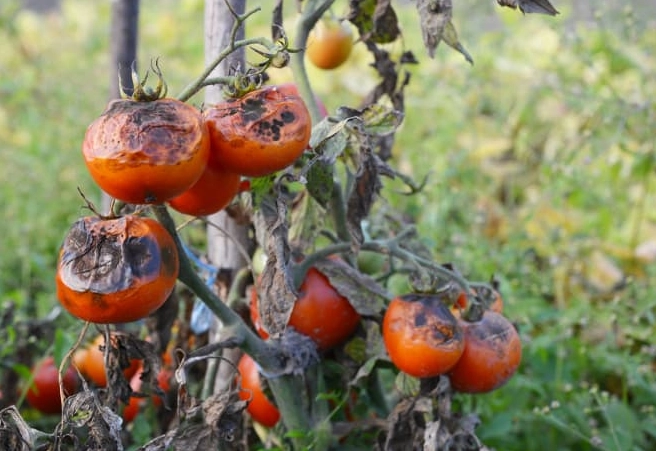
The Big Three Tomato Killers: Symptoms and Confusion
These are the diseases that cause 80% of the panic. Misidentifying them is the most common error.
| Disease (Pathogen Type) | Key Visual Symptoms | Classic Mistake & How to Tell Apart | Immediate Action |
|---|---|---|---|
| Early Blight (Fungus) | Concentric "bullseye" rings on lower leaves, yellow halos. Starts at the base. | Often confused with Septoria Leaf Spot. Early Blight rings are larger, more defined. Septoria spots are smaller, more numerous, with tiny black specks in the center. | Remove infected leaves. Improve air circulation. Apply a copper-based or chlorothalonil fungicide. |
| Late Blight (Water Mold) | Irregular greasy gray-green patches on leaves, white fuzzy mold underneath in humidity, rapid plant collapse. | The speed is the clue. It can wipe out plants in days. Early blight is slower. Check the undersides of leaves for the fuzzy growth. | This is a plant pandemic. Remove and bag ALL infected plant material immediately. Do not compost. Aggressive fungicide (e.g., mancozeb) may help if caught very, very early. |
| Bacterial Spot/Wilt (Bacteria) | Small, dark, water-soaked spots on leaves/fruit; wilting during the day that doesn't recover at night. | Spots look "wet" or "oily" compared to fungal spots. Wilting is sudden and affects whole stems. Fungal wilts are slower. | Prune with sterilized shears. Copper fungicide can suppress spread but won't cure infected parts. Focus on prevention next year. |
See a pattern? The treatment changes completely based on the culprit. I once wasted two weeks treating what I thought was a fungal issue with neem oil, only to watch my plants succumb to bacterial wilt. The wilting was the key sign I ignored.
For less common issues like Fusarium or Verticillium wilt (soil-borne fungi that cause yellowing and wilting from the bottom up), the diagnosis is tougher. If you suspect these, a soil test or sending a sample to your local university extension service is the best investment. Their plant disease clinics are an underused resource.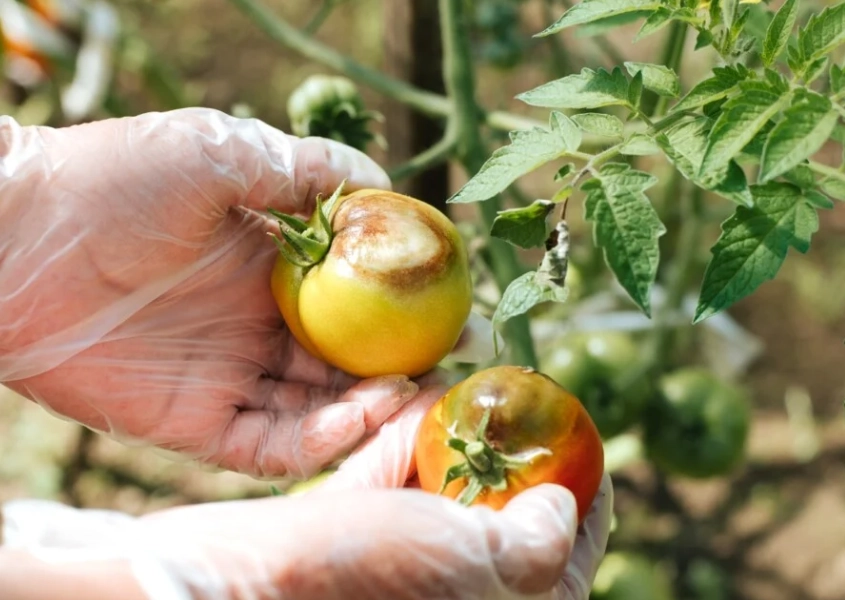
Step 2: Choosing and Applying the Right Treatment (Not Just "Spray Something")
Once you know the enemy, you can choose your weapon. This is where philosophy (organic vs. conventional) meets practicality.
Organic and Biological Controls: My First Line of Defense
I lean organic when possible, but with realistic expectations. These tools manage and suppress, especially when used preventively.
Copper Fungicide: The workhorse. Effective against many fungal and bacterial diseases. It’s a protectant, meaning it coats the leaf to prevent infection. It won’t heal existing damage. Mix according to the label—more is not better and can cause copper toxicity in your soil over time.
Bacillus subtilis (e.g., Serenade Garden): A beneficial bacteria that outcompetes and inhibits fungal pathogens. Smells like yeast. Great for early blight and powdery mildew. Works best before disease pressure is heavy.
Horticultural Oil & Baking Soda Sprays: A homemade mix (1 tbsp baking soda, 1 tsp horticultural oil, 1 gallon water) can alter leaf pH to discourage fungi like powdery mildew. Effectiveness is moderate and requires consistent reapplication after rain.
The biggest mistake with organics? Applying them in the middle of a hot, sunny day. You’ll fry your leaves. Always spray in the cool of the early evening.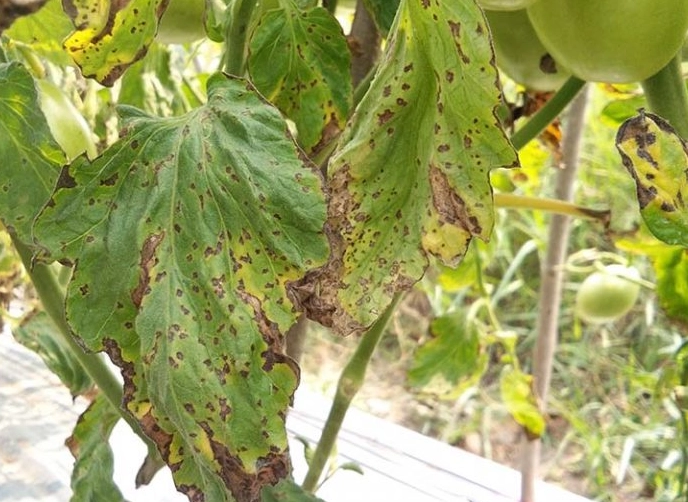
When to Consider Synthetic Chemical Fungicides
Let's be honest. If late blight is racing through your neighborhood or you have a severe, recurring fungal issue, organic options might feel like using a squirt gun on a house fire. I use them as a last resort, but I keep them in my toolkit.
Chlorothalonil (e.g., Daconil): A broad-spectrum protectant fungicide. Very effective against early blight, Septoria leaf spot. Has a long re-entry interval (wait 24 hours before working in the area).
Mancozeb: Another broad-spectrum option, sometimes used in rotation with others to prevent pathogen resistance.
Application technique matters more than the product. Cover the undersides of leaves thoroughly. Most diseases start there. Use a sprayer that produces a fine mist, not large droplets that roll off.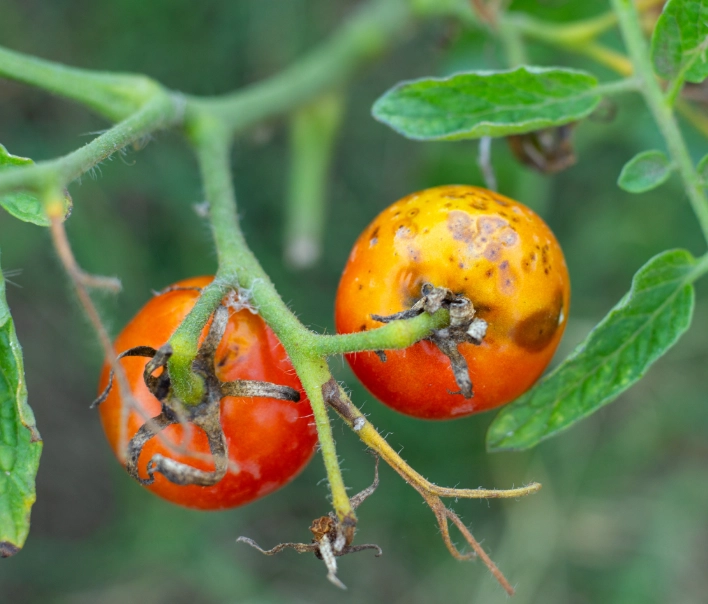
Step 3: Building Resilience and Prevention (The Real Cure)
Treating the current outbreak is crisis management. Preventing the next one is smart gardening. This is where you get long-term results.
Cultural Practices You Can't Skip:
Watering the Soil, Not the Leaves: Use a soaker hose or drip irrigation. Overhead watering is an invitation for fungal spores to splash up from the soil and party on your wet leaves. Water in the morning so leaves dry quickly.
Ruthless Sanitation: At season’s end, pull up every bit of tomato debris. Do not compost diseased plants (most home compost piles don't get hot enough to kill pathogens). Bag them and trash them. Sterilize your stakes and cages with a 10% bleach solution before storing.
Smart Spacing and Pruning: Crowded plants create a humid, stagnant microclimate. Follow spacing recommendations on the tag. Prune lower leaves and suckers to improve airflow. It feels wrong to remove healthy leaves, but it denies diseases a pathway from the soil.
Soil and Variety Selection - The Game Changers:
This is my non-consensus hill to die on: amending your soil with quality compost is more important than any spray. Healthy soil grows resilient plants. A study from the Rodale Institute on long-term organic systems consistently shows reduced plant disease incidence.
And choose your varieties like your harvest depends on it—because it does. If you battle Fusarium wilt every year, stop planting susceptible heirlooms and choose hybrids with "F1" (Fusarium race 1) or "F2" resistance codes on the tag. 'Celebrity', 'Better Boy', and 'Mountain Merit' are workhorses for a reason. Heirlooms have flavor, but often zero disease resistance. It's a trade-off.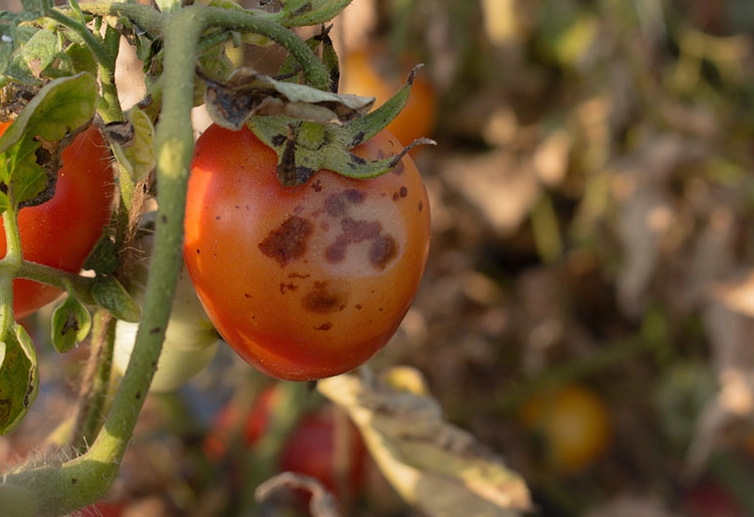
Beyond the Obvious: Advanced Tips and Common Mistakes
Here’s what 10 years of trial and error taught me that most beginner articles don’t mention.
The Mulch Misstep: Mulch is essential for moisture retention and weed suppression. But using fresh, un-composted wood chips as mulch can temporarily tie up soil nitrogen as they decompose, stressing your plants and making them more susceptible to disease. Use finished compost, straw, or leaf mold as mulch around tomatoes.
Fertilizer Finesse: Pumping your plants with high-nitrogen fertilizer gives you lush, green growth… that’s incredibly soft and appetizing to pests and diseases. Use a balanced fertilizer and go easier on the nitrogen once fruit sets. Excess nitrogen can also exacerbate blossom end rot.
Crop Rotation Reality: Yes, you should rotate. But the pathogens for diseases like early blight can survive in soil and on debris for several years. In a small garden, true rotation is hard. That’s why container gardening with fresh potting mix each year is a legit strategy for growers with chronic soil-borne disease issues.
The "Wait and See" Trap: The single worst thing you can do is hope a diseased leaf will get better on its own. It won’t. It will produce millions of spores that infect the rest of the plant. Be decisive. Remove infected material as soon as you see it.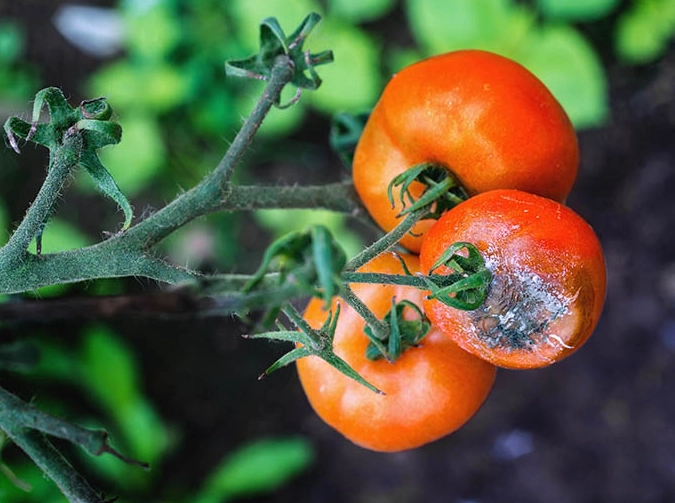
FAQ: Your Tomato Disease Questions Answered
Treating diseased tomato plants is a blend of science, observation, and sometimes, tough love. Start with a sharp eye for diagnosis, follow up with a targeted treatment, and commit to the cultural practices that build healthy plants from the soil up. You won't win every battle—some seasons are just brutal. But with this framework, you'll lose fewer plants and enjoy more homegrown tomatoes. Now go check your garden. And bring your pruners.
Reader Comments