Let's cut to the chase. The single biggest factor determining the success or failure of your raised garden bed isn't the seeds you buy or how much you water—it's the dirt you put in it. Get the soil mix wrong, and you're fighting an uphill battle from day one. I've seen beautiful cedar beds filled with hopes and expensive plants, only to watch everything struggle because the soil was dense, soggy, and lifeless. After a decade of trial, error, and a few spectacular failures, I've learned that the perfect raised bed soil mix is a living, breathing ecosystem you build, not just dirt you buy. This guide will walk you through exactly how to create it, save money, and avoid the common pitfalls that trip up most beginners.
What's Inside This Guide
What Makes a Great Raised Bed Soil Mix?
Garden soil and raised bed soil are not the same thing. Native soil in the ground has a vast network of subsoil, worms, and microbial life. Your raised bed is an isolated container sitting on top of the ground. Its soil needs to perform three critical jobs perfectly, all on its own:
Drainage: Water must flow through easily. Soggy roots rot. This is the number one killer in new raised beds.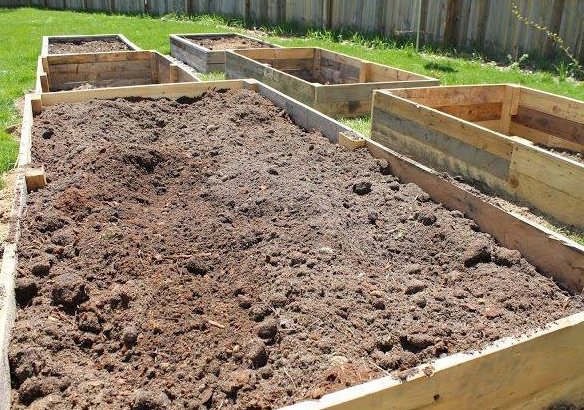
Moisture Retention: But it also needs to hold onto enough water so you're not watering three times a day in July. It's a balance.
Fertility and Structure: It must be loose and crumbly (friable) for roots to spread, and packed with nutrients and organic matter to feed plants.
To achieve this, think of your soil mix as having three key components, which I call the "Raised Bed Trinity":
| Component | Primary Job | What It Actually Does | Common Sources |
|---|---|---|---|
| Compost | Nutrients & Biology | Provides immediate and slow-release food for plants. Inoculates the soil with beneficial microbes and fungi. Improves overall soil structure. | Homemade compost, worm castings, well-rotted manure (aged 6+ months), municipal compost, bagged compost. |
| Topsoil or Garden Soil | Structure & Minerals | Provides mineral content (sand, silt, clay) and weight. Acts as the "body" of the mix, giving roots something substantial to grip. Not a nutrient powerhouse on its own. | Screened topsoil (local supplier), high-quality bagged garden soil (not potting mix). |
| Aeration Material | Drainage & Loft | Creates air pockets in the soil. Prevents compaction. This is the secret ingredient most people skip, leading to dense soil. | Coconut coir (my favorite), peat moss (environmental concerns), perlite, vermiculite, coarse sand. |
The magic happens when you combine these three. The compost feeds, the topsoil provides body, and the aeration material keeps it all light and breathable. If you only use bagged topsoil, you'll get compaction. If you only use compost, it will shrink and become muddy. You need the trio.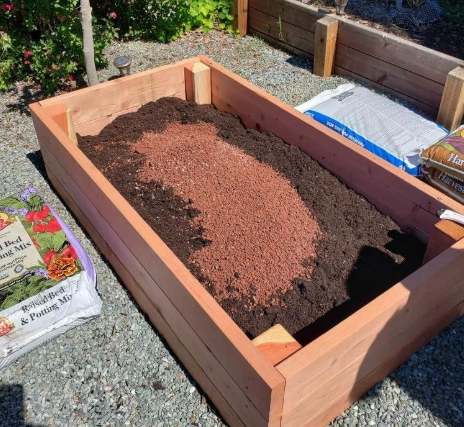
The Classic DIY Raised Bed Soil Recipe (And Variations)
Here's the workhorse recipe that has never failed me. It's often called the "Mel's Mix" popularized by Square Foot Gardening, and for good reason—it works. I've adapted it slightly based on availability and cost.
The Standard All-Purpose Recipe (by Volume)
- 1/3 High-Quality Compost: Use a blend if possible. I mix 2 parts homemade compost with 1 part worm castings and 1 part composted leaf mold. Diversity in compost sources equals diversity in nutrients and microbes.
- 1/3 Coconut Coir or Peat Moss: I strongly prefer coconut coir. It's a renewable resource, rehydrates easier than peat, and has a near-neutral pH. Buy it in a compressed brick—it expands dramatically with water.
- 1/3 Coarse Vermiculite or Perlite: Vermiculite holds more water and minerals; perlite is better for pure drainage. For most vegetable beds, I use vermiculite. For succulents or in very rainy climates, use perlite.
Yes, this recipe omits topsoil. It's designed for maximum drainage and lightness, perfect for shallow beds (under 12 inches) or where native soil is terrible. It can be expensive to fill a deep bed purely with this mix.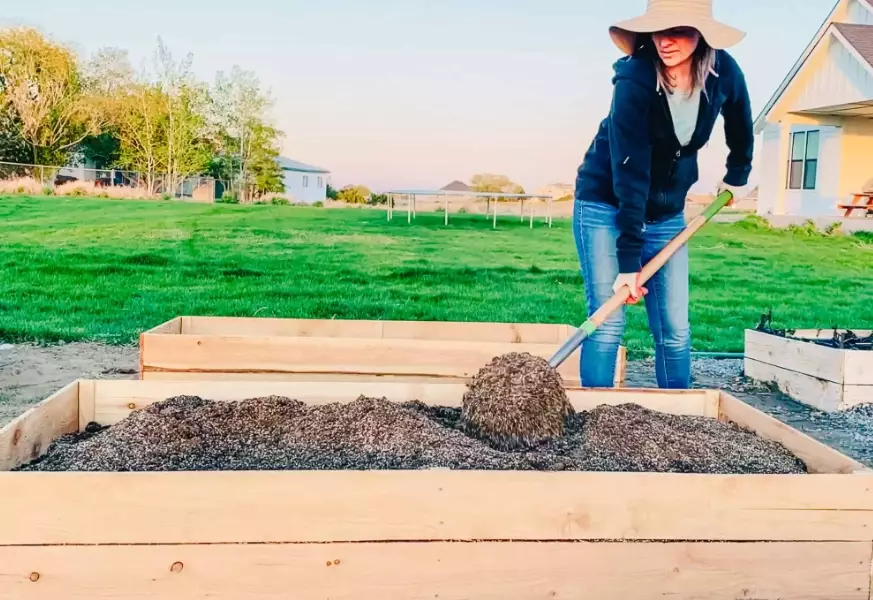
The Practical, Cost-Effective Recipe (My Go-To for Deep Beds)
For beds deeper than 12 inches, this blend saves money while performing excellently.
- 50% Screened Topsoil: Source from a local landscape supply yard, not big-box stores. Ask for "screened, premium topsoil" or "loam." It should be dark and crumbly.
- 30% Compost: Same blended approach as above.
- 20% Aeration Material: A 50/50 mix of coconut coir and coarse horticultural sand or perlite.
I used this exact mix to fill four new 4'x8'x18" beds last spring. The cost was about 40% less than the all-coir/vermiculite mix, and the tomatoes and peppers went crazy. The key is ensuring your topsoil source is good. Get a small sample first.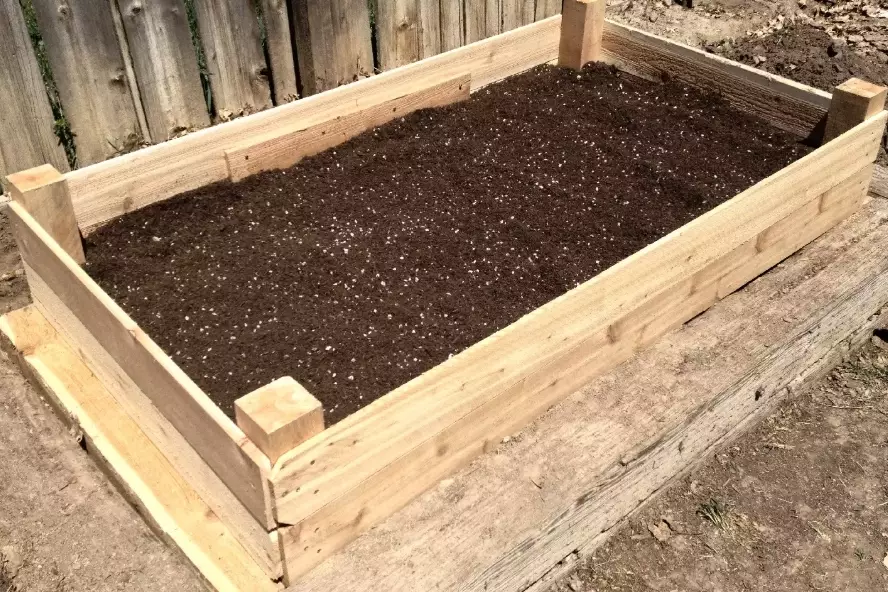
How to Fill Your Raised Bed: A Step-by-Step Guide
Filling the bed is where you can set yourself up for long-term success or create a drainage nightmare. Don't just dump bags in.
Step 1: Calculate How Much You Need
Use the formula: Length (ft) x Width (ft) x Depth (ft) = Cubic Feet. A 4'x8'x1.5' (18") bed needs 48 cubic feet of soil. Most bulk soil is sold by the cubic yard (27 cubic feet). That bed needs about 1.8 cubic yards. Always order 10% extra for settling.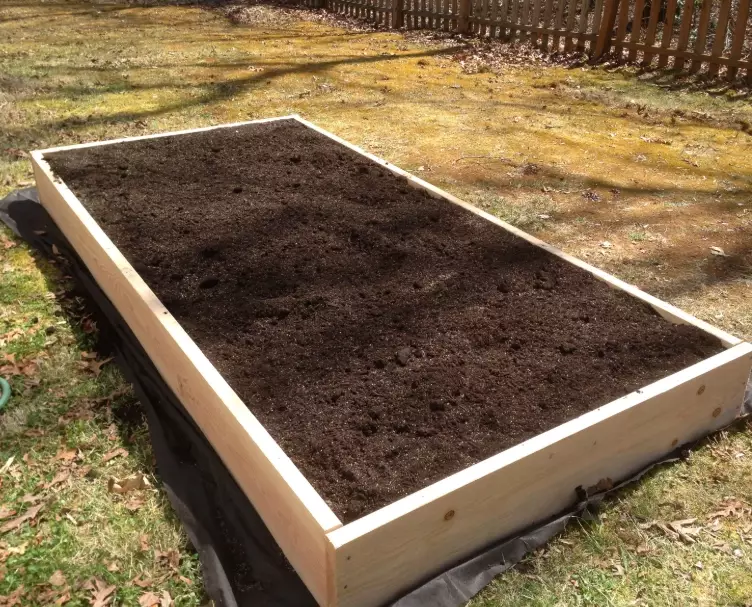
Step 2: The Layering Technique (Lasagna for Your Garden)
If your bed sits on soil or grass, you can use a lasagna gardening method to fill the bottom third cheaply and improve underlying soil.
- Bottom Layer (Optional Weed Barrier): If battling persistent weeds like bindweed, lay cardboard (remove tape) directly on the ground. It will smother grass and decompose.
- Bulky Organic Layer: Add 4-6 inches of rough material like small sticks, straw, old leaves, or even chopped-up spent corn stalks. This saves on soil cost, improves drainage at the bottom, and slowly decomposes into humus.
- The Main Event: Shovel in your custom soil mix, blending the components as you go. Don't create distinct layers of just compost or just topsoil. Mix them in the wheelbarrow or in the bed itself.
- Top Off & Water In: Fill to within 1-2 inches of the top. Water thoroughly until the entire bed is evenly moist. The soil will settle significantly—add more mix to top it off.
Step 3: The Initial Fertilization
Even a compost-rich mix benefits from a gentle, balanced organic fertilizer at the start. I sprinkle a thin layer of alfalfa meal or a balanced organic granular fertilizer (like a 4-4-4) and lightly rake it in before planting. This gives seedlings an extra boost while the compost biology gets established.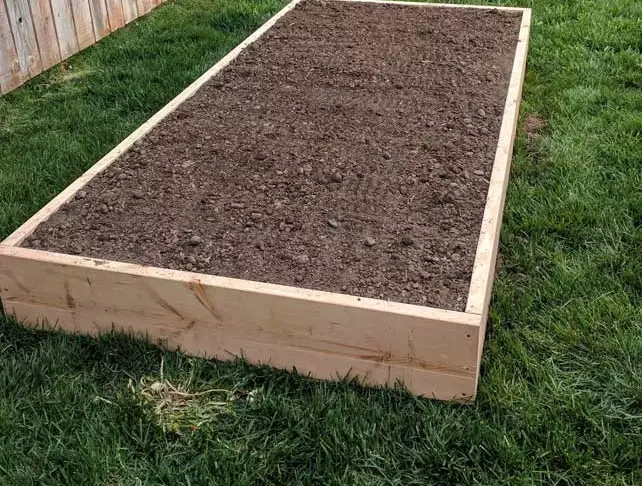
Common Raised Bed Soil Mistakes to Avoid
I've made most of these. Learn from my wasted time and money.
Mistake 1: Using 100% Compost. It seems logical—compost is good, so more must be better. Wrong. Pure compost is too rich, holds too much water, lacks structure, and will shrink dramatically as it decomposes, leaving you with a half-full bed by midsummer.
Mistake 2: Skipping the Aeration Component. This is the silent killer. Without coir, perlite, or sand, soil particles settle tightly together. Water can't penetrate, roots can't breathe, and you get concrete-like soil. That bag of "raised bed mix" that feels heavy and dense? Probably lacks proper aeration.
Mistake 3: Not Testing or Amending pH. Most vegetables prefer a slightly acidic to neutral pH (6.0-7.0). If your compost is pine-based or you use peat moss, your mix might be too acidic. If you use municipal compost or certain manures, it might be alkaline. A $15 home test kit is invaluable. To lower pH, add elemental sulfur. To raise it, add garden lime.
Mistake 4: Compacting the Soil. Never walk on your raised bed soil. Design your beds so you can reach the center from the sides. Walking on it destroys the pore spaces you worked so hard to create.
Maintaining Your Soil Fertility Season After Season
Your soil isn't a one-time setup. It's a living bank account. You make withdrawals (growing plants), and you must make deposits.
After Each Harvest: Don't pull plants out by the roots. Cut them at the soil line. The old roots decompose, creating channels for water and air—a form of natural tillage.
Every Fall & Spring: Top-dress with 1-2 inches of fresh compost. Just spread it on the surface like a blanket. Worms and microbes will incorporate it. This is the single most important maintenance task.
Practice Crop Rotation: Even in small beds, try not to plant the same family (tomatoes/peppers/potatoes, or squash/cucumbers) in the same spot year after year. This prevents pest/disease buildup and balances nutrient demands.
Use Cover Crops: If a bed will be empty for a season, sow winter rye, clover, or buckwheat. They protect soil, prevent weeds, and their roots aerate the soil. Chop them down before they seed and let them decompose as "green manure." The USDA Natural Resources Conservation Service has great resources on cover cropping benefits for soil health.
I've been using these practices on my original beds for six years now. The soil gets richer, darker, and more resilient every season. I rarely need to add fertilizer beyond compost and an occasional fish emulsion tea.
Raised Bed Soil Mix FAQ
The right soil mix transforms gardening from a chore into a joy. It's the foundation everything else depends on. Take the time to get it right from the start—blend your components, focus on drainage and organic matter, and commit to feeding the soil life. Your plants will show their gratitude with vigorous growth and bountiful harvests for years to come.
Reader Comments