Let's cut to the chase. If you think hydroponics is just about giving plants water with some food mixed in, you're setting yourself up for a world of frustration. I've seen more crops fail from misunderstood water than from any pest or disease. The liquid in your reservoir isn't just water; it's the entire root environment, the delivery system for every nutrient, and the primary variable determining your success or failure. Most guides gloss over this, treating it as a simple ingredient list. That's a mistake. After a decade of running systems from basement lettuce farms to commercial tomato setups, I can tell you that mastering your hydroponics water is the single most critical skill you can develop.
What You'll Learn in This Guide
- Why Your Water Source Is Everything
- The Four Non-Negotiable Water Quality Parameters
- A Step-by-Step Plan to Prepare Perfect Water
- Beyond the Bottle: Nutrient Solution Secrets
- The Daily Dance of pH and EC Management
- Your Essential Weekly and Monthly Maintenance Routine
- Troubleshooting: From Cloudy Water to Root Rot
Why Your Water Source Is Everything in Hydroponics
Your starting point dictates your entire journey. Tap water isn't created equal. Water from a limestone aquifer is packed with calcium and magnesium (hard water), while surface water from a lake might be softer but contain organic matter and chlorine. I made this error early on. I used my very hard tap water, assumed the calcium was a bonus, and then couldn't understand why my nutrient solutions kept forming a chalky precipitate. The dissolved minerals were locking up the added nutrients, making them unavailable to the plants.
The goal is to start with a blank slate as much as possible. You want to be the one in control of what minerals are in the solution, not your local water utility.
The Four Non-Negotiable Water Quality Parameters
Before you mix a single nutrient, you need to know your baseline. These four factors are your foundation.
1. pH Level
This isn't just a number; it's a gatekeeper. A pH that's off by even a point can block the uptake of critical nutrients. Aim for a range of 5.5 to 6.5 for most plants. Some, like blueberries, prefer the lower end. The mistake? People check pH after adding nutrients. Check it *before*. Your base water's pH determines how much acid you'll need to add later.
2. Electrical Conductivity (EC) or Total Dissolved Solids (TDS)
This tells you how much "stuff" is already dissolved in your water. If your tap water has an EC of 0.8 mS/cm, that's a huge head start of salts you didn't add. You must subtract this from your target EC when mixing nutrients, or you'll over-fertilize.
3. Alkalinity (Carbonate Hardness)
This is the big one most beginners miss. Alkalinity is water's buffering capacity—its ability to resist a drop in pH. High alkalinity water will constantly fight to push your pH back up. You'll use gallons of pH Down. Knowing your alkalinity (in ppm CaCO3) tells you how stable your pH will be. Water with high alkalinity is a nightmare for passive systems like the Kratky method.
4. Chlorine/Chloramines
Municipalities use these to keep drinking water safe. They're not so safe for your beneficial microbes and can damage delicate root hairs. Letting water sit for 24-48 hours will off-gas chlorine, but chloramines are more stable and won't evaporate. You'll need a filter or a water conditioner designed for aquariums (containing sodium thiosulfate).
| Water Source | Typical Pros | Typical Cons | Best For | Essential Pre-Treatment |
|---|---|---|---|---|
| Tap Water | Convenient, cheap, consistent mineral content. | Chlorine/chloramines, variable alkalinity, possible contaminants. | Beginners, small systems if quality is decent. | Dechlorination, full parameter test. |
| Reverse Osmosis (RO) Water | Pure blank slate, zero alkalinity, full control. | Higher cost (unit/waste water), removes all minerals. | Serious growers, sensitive plants, areas with very poor water. | Must add a cal-mag supplement. |
| Distilled Water | Extremely pure, consistent. | Expensive for large volumes, energy-intensive. | Small-scale propagation, nutrient solution experiments. | Must add a cal-mag supplement. |
| Well Water | No chlorine, often free. | Unpredictable mineral content, risk of heavy metals or bacteria. | Rural growers with tested, reliable wells. | Comprehensive lab test for metals and pathogens. |
| Rainwater | Soft, slightly acidic, free. | Unreliable, can be contaminated by roofing/air pollution. | Eco-conscious growers in clean areas. | Filtration, UV sterilization if collecting from roofs. |
A Step-by-Step Plan to Prepare Perfect Hydroponic Water
Here's my exact routine for a 20-gallon reservoir, developed after years of trial and error. Skipping steps leads to problems.
Step 1: Source and Fill. I use a blend of 75% RO water and 25% tap water. The RO gives me control, the tap adds a tiny bit of mineral buffer so the solution isn't too fragile. I fill the reservoir with cold water.
Step 2: Temperature Adjustment. Roots hate cold shocks. I let the water sit until it's within 2-3 degrees of my grow room temperature (65-68°F or 18-20°C is ideal). A cheap aquarium heater can help in winter.
Step 3: Dechlorination. For the tap water portion, I add two drops per gallon of a chlorine-neutralizing aquarium water conditioner. I stir and wait 15 minutes.
Step 4: Add Supplements FIRST. If using RO/distilled water, I now add my calcium-magnesium supplement. If your base water is hard, skip this. Always add calmag before main nutrients to prevent lockout.
Step 5: The Nutrient Mixing Order. This is crucial. Add the "Part A" (usually the calcium nitrate) to the full volume of water and stir *thoroughly*. Then, add the "Part B" (the phosphate, sulfate, micronutrient mix). Adding them together in concentrated form causes nutrients to bind into insoluble precipitates—you'll see cloudiness or flakes.
Step 6: pH Adjustment. Only now do I check and adjust the pH. I use a digital pen, calibrated weekly. I add pH Down (phosphoric acid for vegetative, nitric for flowering) drop by drop, stirring constantly, until I hit 5.8.
Step 7: Final EC Check. I verify the final Electrical Conductivity matches my target for the plant's growth stage. Now, and only now, is the water ready for the plants.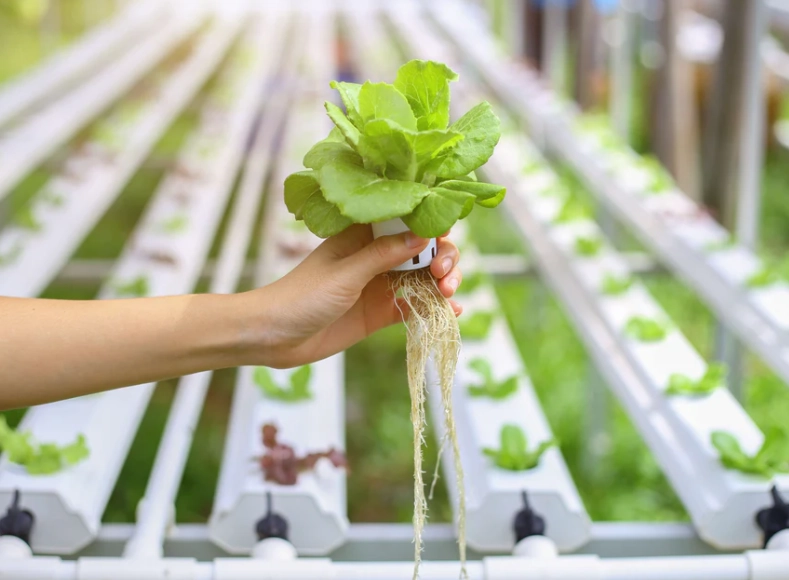
Beyond the Bottle: Nutrient Solution Secrets
Buying a two-part formula is easy. Managing it is the art. The concentration isn't static. Plants don't drink water and nutrients at the same rate. They drink pure water to cool themselves and transpire, leaving the salts behind. This means your nutrient solution gets more concentrated over time (EC rises). If you just top up with plain water, you're diluting it. If you top up with fresh nutrient solution, you risk over-concentration.
The best practice? Check EC daily. If it rises significantly above your target, top up with plain, pH-adjusted water. If it falls below, the plants are hungry—top up with a *weaker* nutrient solution (like half-strength). A complete reservoir change is still needed every 1-2 weeks to prevent toxic buildup of certain elements and root exudates.
The Daily Dance of pH and EC Management
Your job is to keep these two parameters in a happy zone. pH tends to drift up as plants absorb more cations (like ammonium, potassium, calcium). A slowly rising pH (e.g., from 5.8 to 6.3 over 2 days) is normal. A rapid spike indicates low nutrient concentration or bacterial activity. A falling pH can mean algae growth or nutrient solution becoming too strong.
EC tells the consumption story. A stable EC means balanced consumption. A rising EC means plants are drinking more water than nutrients (often due to high heat or low humidity). A falling EC means they're eating more than drinking—maybe it's time for a slight increase in strength.
I check both every morning. It takes two minutes. This daily ritual prevents 90% of all problems.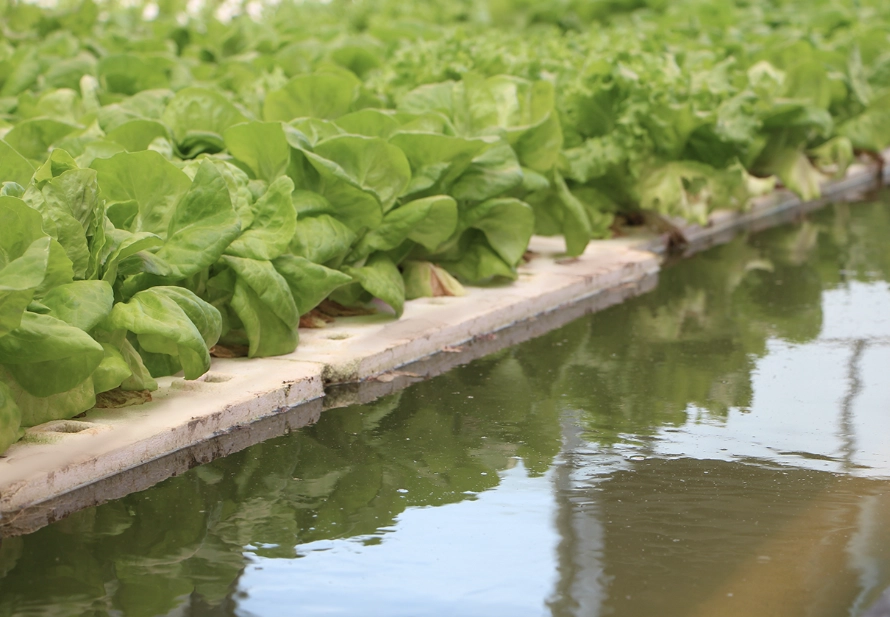
Your Essential Weekly and Monthly Maintenance Routine
- Daily: Visual inspection of roots (should be white and fuzzy, not brown/slimy), check water temperature, check pH & EC.
- Weekly: Full reservoir drain and refresh with new nutrient solution. Scrub the reservoir with a 3% hydrogen peroxide solution to disinfect. Rinse thoroughly.
- Monthly: Deep clean of all system components—pumps, pipes, drippers. Soak in a citric acid solution to dissolve mineral scale. Inspect and clean air stones (they get clogged).
Neglecting the monthly deep clean is how you get slow drippers and weak water flow, leading to uneven growth.
Troubleshooting: From Cloudy Water to Root Rot
Cloudy/Milky Water: Usually a sign of bacterial bloom or nutrient precipitation. Smell it. A foul smell means bacteria—dump, clean, sterilize. No smell likely means you mixed nutrients in the wrong order or have very hard water. Test your mixing procedure.
Algae Growth (Green Water/Walls): Light is hitting the water. Your reservoir and all tubes must be light-proof. Use black containers or wrap them. Algae competes for oxygen and nutrients.
Root Rot (Brown, Slimy Roots):
Your Hydroponics Water Questions, Answered
My tap water has a very high pH of 8.2. Do I need an RO system?
Not necessarily. High pH is manageable, but you need to know your alkalinity. If alkalinity is also very high (>200 ppm CaCO3), you'll constantly battle pH drift. In that case, blending with RO or rainwater is wise. If pH is high but alkalinity is low, it will be easier to adjust and stabilize with acid.
How often should I completely change the nutrient solution in my deep water culture (DWC) bucket?
For a single-plant DWC bucket, I change it every 7-10 days without fail. In smaller volumes, nutrient imbalances and root exudates build up faster. Don't wait for the plant to look sick. Make it a calendar event.
Can I use pool test strips to check my hydroponics water?
I strongly advise against it. They are wildly inaccurate for the precise ranges we need. A $50 digital pH/EC combo meter is the bare minimum investment. Calibrate it regularly. Treating a misdiagnosis from a bad strip can cost you more in lost plants and wrong remedies.
My nutrient solution gets a foul smell within a few days. What's happening?
You likely have anaerobic bacteria thriving in stagnant, warm, low-oxygen water. Check your aeration. Is your air pump strong enough? Are the air stones clean and bubbling vigorously? Increase aeration, lower water temperature, and consider adding a beneficial enzyme product to break down organic debris. If it persists, your system may need a redesign for better oxygenation.
Is it okay to use pH Up and pH Down from the same brand interchangeably?
Technically yes, but think about what you're adding. pH Up is usually potassium hydroxide or bicarbonate. Adding it frequently adds potassium or carbonates, altering your nutrient balance. If you're constantly swinging between adding up and down, your base water alkalinity is wrong, or your nutrient mix is off. Aim to mix your solution so it settles naturally at your target pH with minimal adjustment.
The final word? Respect the water. It's the lifeblood of your hydroponic system. Don't cut corners on testing, sourcing, or maintenance. Start with the best water you can, manage it diligently, and your plants will show their gratitude with vigorous, healthy growth. It's the one factor that separates a struggling grower from a successful one.
Reader Comments