If you're spotting weird, spiky bugs on your plants, don't reach for the insecticide just yet. Those might be ladybug larvae, and they're doing more good than harm. I learned this the hard way after accidentally squishing a few, thinking they were pests. Ladybug larvae are nature's tiny assassins, silently taking down aphids and other soft-bodied insects that plague gardens. This guide dives deep into what they are, why they matter, and how to make your garden a haven for them.
Quick Navigation: What You'll Learn
What Are Ladybug Larvae and How to Spot Them
Ladybug larvae look nothing like the cute, round adults. They're elongated, segmented, and often dark with bright markings. Most species are black or gray with orange or yellow spots, and they have spiky protrusions that make them resemble tiny alligators. I remember first seeing them on my broccoli plants—I thought they were some invasive beetle larvae and nearly sprayed them. It took a closer look to notice they were munching on aphids, not the leaves.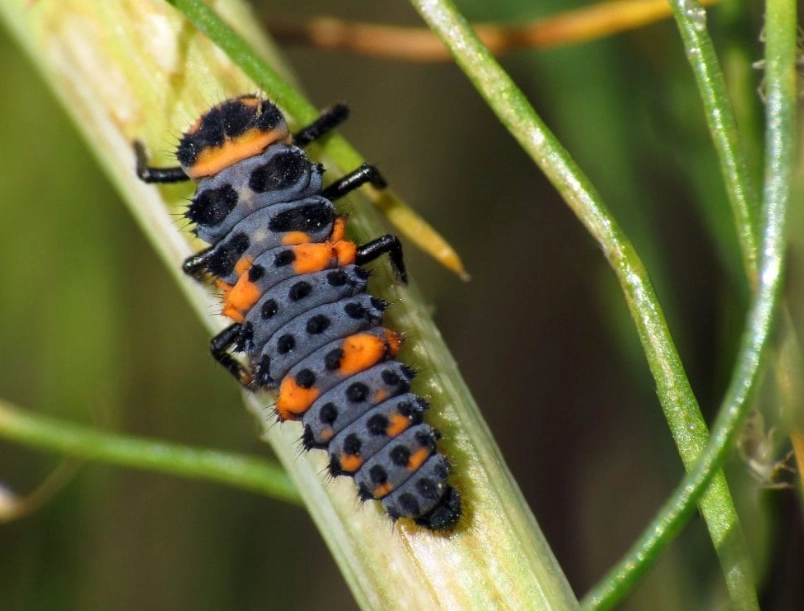
Physical Characteristics: How to Tell Them Apart from Pests
Key features include six legs near the head (unlike caterpillars with more legs), a tapered body, and those distinctive spines. They move quickly compared to sluggish pests. A common mix-up is with Colorado potato beetle larvae, but ladybug larvae are darker and more active. Here's a quick comparison table based on my observations and resources from the Entomological Society of America.
| Feature | Ladybug Larvae | Common Pest Larvae (e.g., Aphid Lions) |
|---|---|---|
| Color | Black/gray with orange spots | Green or brown, often uniform |
| Body Shape | Elongated, spiky | Plump, smooth |
| Movement | Fast, crawls actively | Slow, often stationary |
| Diet | Aphids, mites, scale insects | Plant leaves, sap |
| Habitat | Near aphid colonies on stems/leaves | Hidden under leaves or in soil |
Lifecycle: From Egg to Adult
Ladybugs lay clusters of yellow eggs on plants infested with prey. The larvae hatch in about a week and start feeding immediately. They go through four instars (growth stages), shedding their skin each time. In two to three weeks, they pupate and emerge as adults. This rapid cycle means a single generation can clear out an aphid outbreak if conditions are right. I've seen this in my own garden—after introducing ladybug eggs, the aphid population dropped by 80% in a month.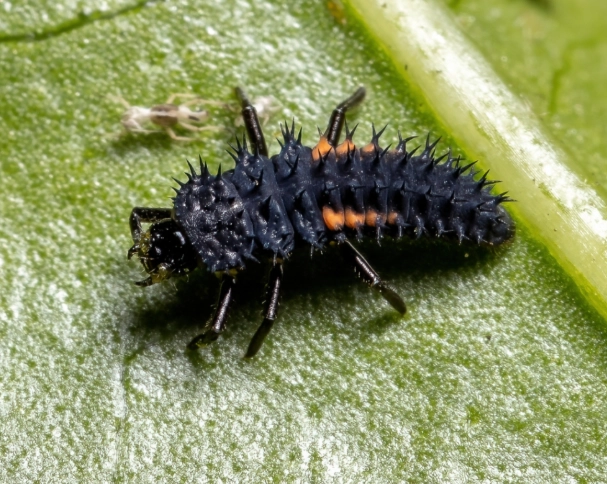
Why Ladybug Larvae Are a Gardener's Best Friend
These larvae are voracious predators. A single larva can eat up to 400 aphids during its development, according to studies cited by agricultural extensions. That's more efficient than adult ladybugs, which often fly away. They also target other soft pests like mealybugs and spider mites. In organic gardening, relying on them reduces the need for chemicals, which can harm beneficial insects and soil health.
One non-consensus point: many gardeners think releasing adult ladybugs is enough, but larvae do the heavy lifting. Adults might disperse, but larvae stick around where food is abundant. I've found that fostering larvae populations leads to longer-term pest control. For example, in my vegetable patch, areas with larvae presence had fewer aphid recurrences compared to spots where I only released adults.
Economic and Environmental Impact
By reducing pesticide use, you save money and protect pollinators. The University of California Integrated Pest Management Program highlights that natural predators like ladybug larvae can cut pest control costs by up to 30% in home gardens. They also contribute to biodiversity, supporting a balanced ecosystem where pests don't get out of hand.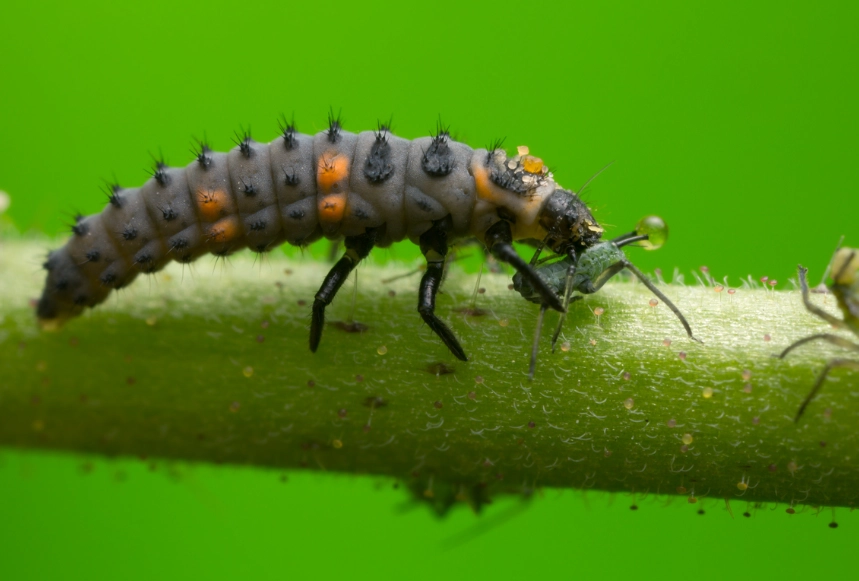
How to Attract and Keep Ladybug Larvae in Your Garden
Attracting larvae isn't just about putting out a welcome mat—it's about creating a year-round habitat. Start by avoiding broad-spectrum insecticides; even organic ones like neem oil can harm larvae if applied directly. Instead, focus on plant diversity and water sources.
Plants That Lure Ladybugs for Egg-Laying
Ladybugs prefer to lay eggs where prey is plentiful. Plant aphid-prone species like roses, nasturtiums, and sunflowers as sacrificial crops. But also include nectar-rich flowers for adult ladybugs, which encourage them to stay and reproduce. My top picks based on trial and error:
- Dill and Fennel: These umbel flowers attract adults and provide shelter for larvae.
- Calendula: Easy to grow, and aphids love it, making it a larvae hotspot.
- Yarrow: Its flat flowers are perfect for ladybug landing and feeding.
I made the mistake of planting only marigolds once, thinking they'd repel all pests. They did, but they also kept ladybugs away. Balance is key.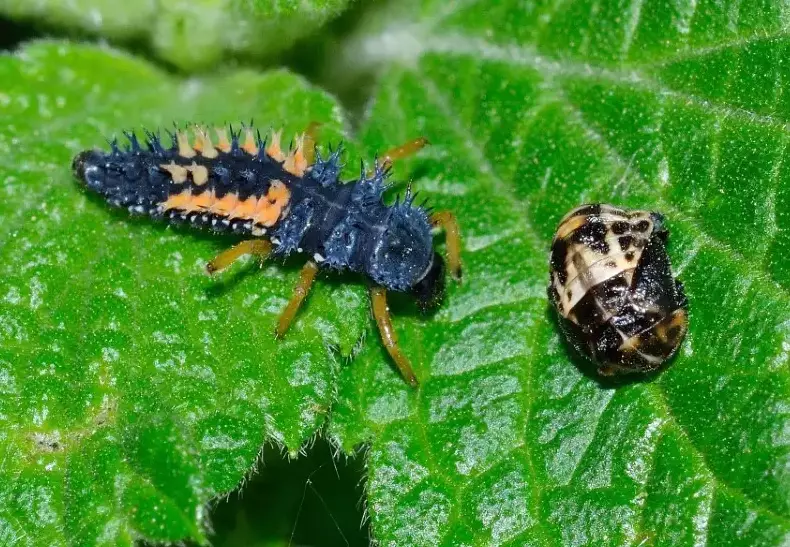
Practical Steps for a Larvae-Friendly Garden
Provide shallow water dishes with pebbles for drinking—larvae need moisture. Leave some leaf litter and mulch for pupation sites. In winter, avoid over-tidying; dormant adults and larvae hide in debris. I've set up a small "bug hotel" with straw and wood pieces, and it's become a ladybug nursery.
If you buy ladybug eggs or larvae, release them in the evening near aphid colonies. Mist the area first to prevent dehydration. I've seen better survival rates this way compared to daytime releases.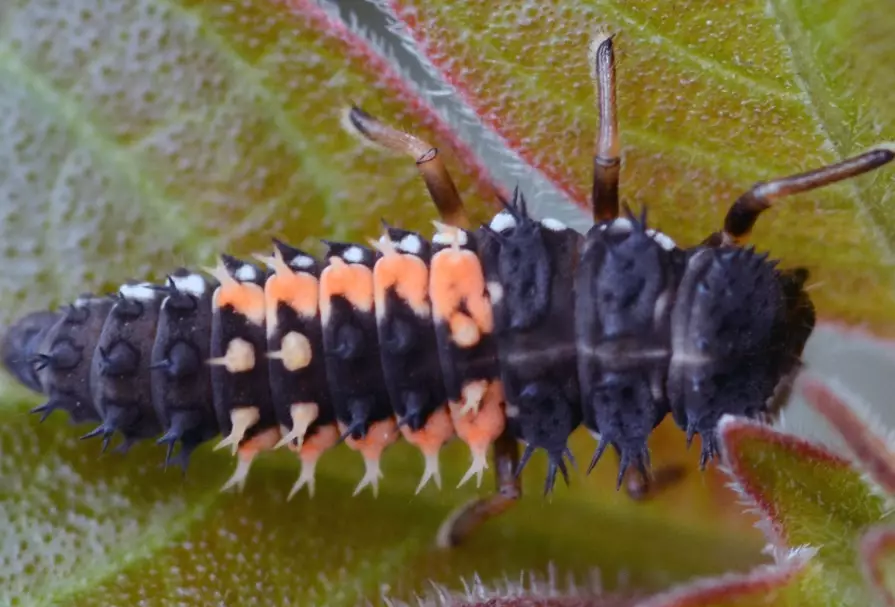
Common Mistakes and Expert Tips You Won't Find Elsewhere
Many gardening blogs repeat the same advice, but here are some nuanced errors I've noticed over years of observation.
Mistake 1: Confusing larvae with pests. As mentioned, their spiky appearance alarms newcomers. Take a moment to watch their behavior—if they're hunting aphids, they're friends. I once advised a neighbor who was about to spray her infested milkweed; turns out, the "bugs" were ladybug larvae controlling the aphids naturally.
Mistake 2: Over-relying on commercial releases. Store-bought ladybugs are often harvested from the wild and may carry diseases or lack adaptation to your local environment. Instead, encourage native species by reducing pesticide use. According to the Xerces Society for Invertebrate Conservation, native ladybug populations are declining, so supporting them is crucial.
Expert tip: Use companion planting strategically. Plant garlic near roses—it repels aphids but doesn't harm ladybug larvae. I've tested this in my garden; the garlic scent masks the aphid attractants, reducing infestations without deterring predators.
Another insight: Larvae are more effective in moderate temperatures. In hot climates, provide shade with taller plants to keep them active. I learned this after my larvae vanished during a heatwave; adding a shade cloth helped retain them.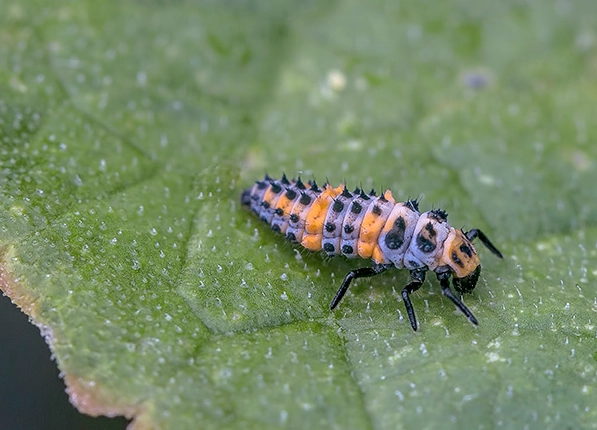
Frequently Asked Questions About Ladybug Larvae
Ladybug larvae are more than just a curiosity; they're a practical tool for sustainable gardening. By understanding their role and creating supportive environments, you can harness their pest control power naturally. Start by observing your garden—you might already have these allies at work.
Reader Comments