Let's cut to the chase. You're not here for a botany lecture. You want a bigger pile of potatoes at the end of the season. The difference between a meager harvest and buckets full of spuds often comes down to one thing: knowing how to feed them right. Potato fertilizer isn't just about dumping a bag of generic plant food. It's a timed strategy, matching what the plant needs with when it needs it. Get it wrong, and you'll get lush leaves and tiny tubers. Get it right, and you might need a bigger storage bin.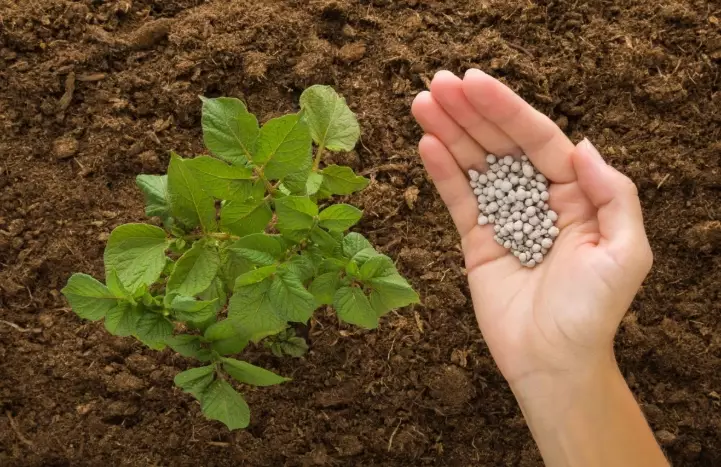
I've grown potatoes in everything from backyard plots to community garden beds for over a decade. I've made the mistakes—the over-fertilizing, the wrong-type disasters—so you don't have to. This guide strips away the fluff and gives you the actionable plan for potato plant food that works.
What You'll Find in This Guide
What Potatoes Actually Need (It's Not Just NPK)
Everyone talks about NPK—Nitrogen (N), Phosphorus (P), and Potassium (K). For potatoes, the balance is everything. Think of it like this:
- Nitrogen (N) is for the leafy green engine. Too little, and the plant is weak. Too much, and you get a gorgeous, bushy plant that puts all its energy into leaves, not tubers. It's the most common mistake.
- Phosphorus (P) is the root and tuber booster. It's critical for early root development and later for bulking up those potatoes. A deficiency here means fewer, smaller spuds.
- Potassium (K) is the plant's health insurance. It improves disease resistance, drought tolerance, and the overall quality and storability of the potatoes.
But here's the nuance most guides miss: potatoes are heavy feeders of potassium and have a moderate need for phosphorus, but they require nitrogen in careful, timed doses. A soil test from your local extension service (like those from land-grant universities) is worth its weight in gold. It tells you what's already in your dirt, so you don't waste money or harm your plants.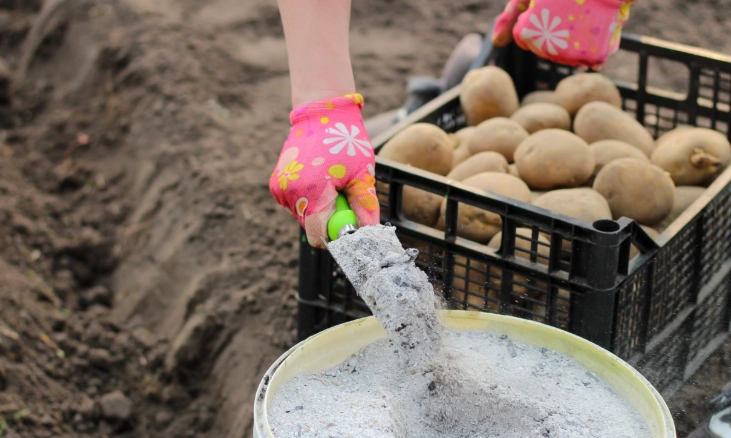
Choosing Your Potato Fertilizer: Organic vs. Synthetic Showdown
This isn't a religious debate; it's about tools. Each has its place. I use a mix depending on my goals for the season.
Organic Potato Fertilizers
These feed the soil life, which in turn feeds your plants. They release nutrients slowly, improving soil structure over time.
- Compost & Well-Rotted Manure: The foundation. Mix a 3-inch layer into the bed before planting. It's not a complete fertilizer but builds fantastic soil. Avoid fresh manure—it can harbor pathogens and "burn" plants.
- Commercial Organic Blends: Look for bags labeled for vegetables or potatoes, with an NPK like 5-5-5 or 4-6-3. Brands like Espoma Garden-tone or Dr. Earth Organic Vegetable Fertilizer are reliable. They often include beneficial microbes.
- Specific Amendments:
- Bone Meal: A classic for phosphorus. Great to work into the soil at planting time near the seed piece.
- Kelp Meal/Seaweed: A fantastic source of micronutrients and natural growth stimulants. I always add a handful to my planting hole.
- Greensand or Sulfate of Potash: Excellent organic sources of that crucial potassium.
Synthetic (Conventional) Fertilizers
These feed the plant directly. They're precise, fast-acting, and often less expensive per unit of nutrient. The risk is easier over-application.
The ideal synthetic fertilizer for potatoes has a higher middle and last number than the first. Something like a 5-10-10, 6-12-12, or 10-20-20 is perfect. The low first number (Nitrogen) prevents excessive vine growth.
| Fertilizer Type | Best For | Key Advantage | Potential Drawback |
|---|---|---|---|
| Organic Blend (e.g., 5-5-5) | Long-term soil health, beginner gardeners, container potatoes | Hard to overdo, improves soil biology | Slower results, can be more expensive |
| Synthetic (e.g., 5-10-10) | Quick correction of deficiencies, maximizing yield in poor soil | Precise nutrient control, fast plant uptake | Risk of salt burn, doesn't improve soil structure |
| Compost/Manure Only | Maintaining already fertile soil, low-input gardens | Free/cheap, incredible for soil texture | Nutrient levels are variable and often low |
The Foolproof Potato Fertilizing Schedule
Timing is as critical as the fertilizer itself. Here's the simple, three-step schedule I follow every year.
1. At Planting Time (The Foundation)
This is your most important application. You're feeding the initial root growth and the developing tubers.
- What to do: Dig your trench or hole. Mix your chosen fertilizer thoroughly into the bottom 4-6 inches of soil. A general rate is about 1/2 cup of a balanced fertilizer per 10-foot row, but always follow the label on your specific product. Place your seed potato on top of this enriched soil, then cover with 3-4 inches of plain soil.
- Why it works: The young roots hit a nutrient-rich zone immediately, promoting strong early growth. The phosphorus is right there for tuber initiation.
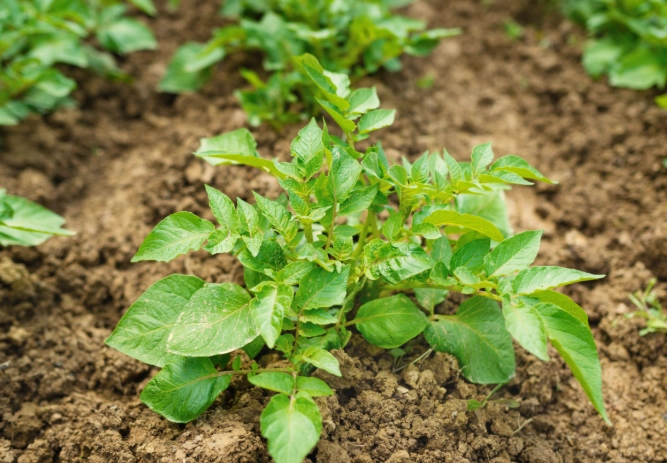
2. When Plants Are 6-8 Inches Tall (The Side-Dress)
This application supports the rapid vine growth happening now.
- What to do: Gently scratch a fertilizer higher in nitrogen (like blood meal for organic, or a light application of a 10-5-5 synthetic) into the soil along the sides of the row, about 4 inches away from the stems. Water it in well.
- Pro tip: If your plants are already dark green and lush, you can skip or reduce nitrogen here. Only feed what you see the plant needs.
3. At Tuber Bulking (The Final Boost)
When the plants start to flower (for most varieties), the tubers begin to swell rapidly. They now crave potassium.
- What to do: Side-dress again, this time with a fertilizer high in potassium and low in nitrogen. Wood ash (lightly applied), sulfate of potash, or a 0-0-10 type product are great. This boosts size and storability.
- Critical note: STOP all fertilizing once the vines start to yellow and die back. The plant is finishing up, and more food is wasted or can harm the developing skins.
3 Costly Fertilizer Mistakes Almost Everyone Makes
I've seen these ruin harvests time and again.
- Overdoing the Nitrogen. This is the #1 error. Lush, 4-foot-tall vines hiding marble-sized potatoes underneath. It's heartbreaking. Stick to lower-N formulas after planting.
- Fertilizing Too Late in the Season. Applying fertilizer when tubers are already sizing up, especially nitrogen, can delay maturity, promote new vine growth, and result in tender skins that don't store well. The plant's focus should be on finishing, not growing.
- Ignoring the Soil pH. Potatoes prefer slightly acidic soil, between 5.0 and 6.5. In alkaline soil, nutrients—especially phosphorus and micronutrients—get locked up and unavailable to the plant, no matter how much fertilizer you add. A simple pH test can save your season.
Pro Tips From the Field
A few things you won't find on the fertilizer bag.
- Containers Need a Different Plan. Potted potatoes exhaust their limited soil fast. Use a slow-release organic fertilizer at planting and supplement every 3-4 weeks with a liquid feed like fish emulsion or a balanced water-soluble fertilizer at half strength.
- Mulch is a Fertilizer Partner. A thick layer of straw or shredded leaves conserves moisture, suppresses weeds, and as it breaks down, it feeds the soil with a gentle trickle of nutrients right in the root zone.
- The "Leaf Test" is Your Best Tool. Your plants will tell you what they need. Pale green or yellowing lower leaves? Could be a nitrogen issue. Purplish tinge on leaves? Often a sign of phosphorus deficiency. Learn to read them.
Your Potato Fertilizer Questions, Answered
The bottom line? Feeding potatoes isn't complicated once you understand their simple rhythm: phosphorus at the start, a little nitrogen for the vines, and a potassium finish for the tubers. Ditch the one-size-fits-all approach. Listen to your soil and watch your plants. Do that, and you'll shift from hoping for a harvest to planning how to store the surplus.
Reader Comments