Let's be honest. Most advice on starting garden beds makes it sound like a weekend project: build a box, dump in some soil, plant seeds, and wait for the harvest. If you've tried that, you know the reality is often weeds, poor growth, and soil that turns into concrete by mid-summer. I've gardened in raised beds for over a decade, from small urban plots to larger backyard setups, and I've made every mistake in the book. The biggest one? Treating the bed as a container rather than a living, breathing ecosystem. This guide is about shifting that mindset.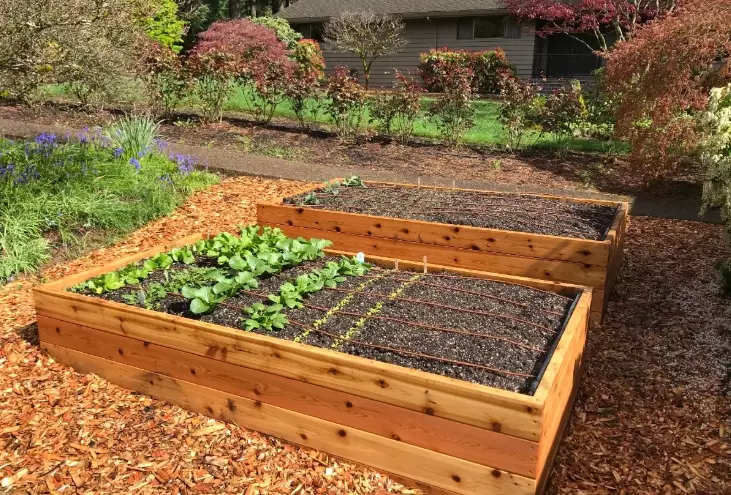
A well-planned garden bed is a controlled environment for root growth. It's about managing water, nutrients, and biology in a concentrated space. Whether you're dreaming of crisp lettuce or juicy tomatoes, getting the foundation right changes everything.
What You'll Find in This Guide
Planning Your Beds: Location, Size, and Layout
Before you buy a single board, stand in your yard. Watch the sun. Most vegetables need at least 6-8 hours of direct sunlight. A spot that's sunny at 9 AM but shaded by 2 PM won't cut it for tomatoes or peppers. Use your phone's compass or just observe over a full day.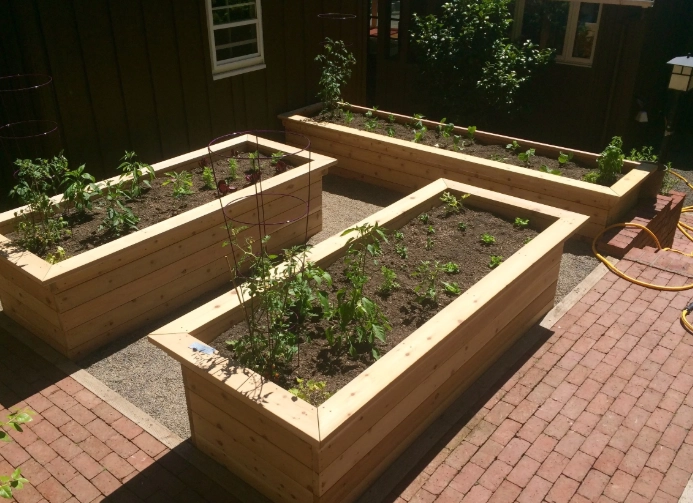
Size matters more than you think. The classic mistake is building beds too wide. If you can't comfortably reach the center from either side, you'll compact the soil by stepping in it, and weeding becomes a chore. Keep beds a maximum of 4 feet wide. Length is flexible, but 8-12 feet is manageable.
Height is crucial for comfort and plant health. A 6-inch tall bed is better than nothing, but 12 inches is the sweet spot for most roots. For deeper-rooting crops like carrots or if you have poor native soil underneath, go for 18-24 inches. Remember, taller beds need more soil, which adds cost.
Pro Tip: Leave at least 18-24 inches of walking space between your beds. This seems like a lot, but it gives you room to kneel, use a wheelbarrow, and prevents plants from spilling into the path. Gravel, wood chips, or even planting clover in the paths can keep mud at bay.
Materials and Construction: A Simple, Sturdy Build
You'll see endless material options: cedar, redwood, composite lumber, cinder blocks, even galvanized steel. For most home gardeners, untreated, rot-resistant wood is the best balance of cost, ease, and safety. Eastern white cedar and redwood are top-tier but pricey. Douglas fir is more affordable and will still last 5-7 years if you're okay with eventual replacement.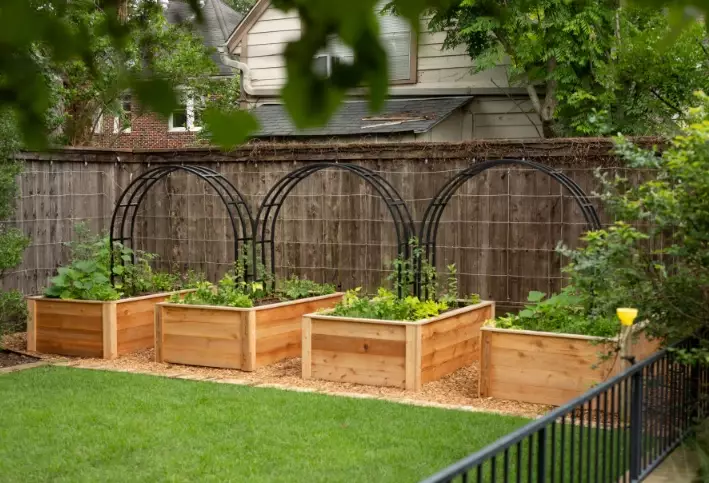
Avoid pressure-treated wood from before 2003 (it contained arsenic), and while modern treatments are considered safe, many gardeners prefer to avoid any chemicals leaching into their vegetable soil. Composite lumber doesn't rot but can be expensive and doesn't breathe as well.
My Go-To Basic Raised Bed Design
For a 4ft x 8ft x 1ft bed, you need:
- Three 8-foot 2x12 boards (cut one in half for the 4ft ends).
- Four 2-foot lengths of 2x2 or 4x4 lumber for corner posts.
- Exterior-grade wood screws (3.5 inches long).
- A drill.
Assemble the boards into a rectangle using the corner posts on the inside for reinforcement. Screw through the side boards into the posts. No fancy joints needed. Place the frame directly on leveled ground. Do not put a bottom on it—you want drainage and access for worms and deep roots.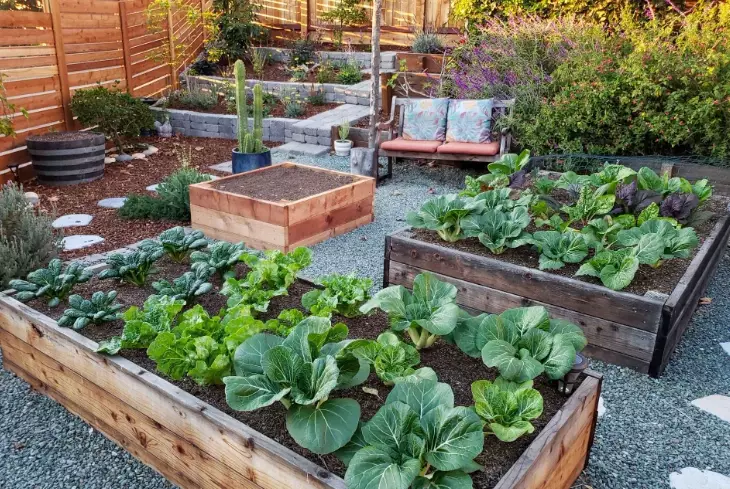
Common Oversight: People forget to account for soil settling. Your beautiful 12-inch bed will be 10 inches high after the first season. If you want a true 12-inch root zone, build the frame 14 inches tall to start.
The Soil Mix Secret (Skip This and You'll Struggle)
Here's where I see 90% of first-time raised bed gardeners fail. They buy the cheapest "garden soil" in bags or get a truckload of pure compost. Both are disasters waiting to happen. Bagged garden soil is often dense, poorly draining topsoil. Pure compost is too rich, holds too much water, and lacks structure.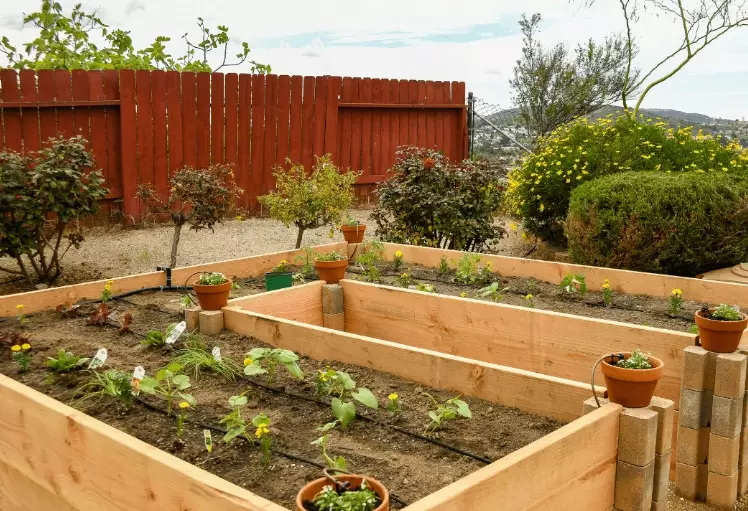
Your plants need a balanced medium: one that retains moisture but drains excess, provides nutrients, and allows roots to breathe. Think of it as a sponge that also has air pockets.
For years, I've used and recommended a 1:1:1 ratio mix, but with a critical modern tweak:
| Component | Purpose | What to Look For & Pitfalls |
|---|---|---|
| High-Quality Compost (1 part) | Provides nutrients and beneficial microbes. | Use 2-3 different sources if possible (mushroom, worm castings, local yard waste). Avoid fresh, smelly manure. |
| Coarse Horticultural Sand or Grit (1 part) | Ensures permanent drainage and prevents compaction. | NOT playground or masonry sand. Look for sharp, coarse sand. This is the most often skipped ingredient, and its absence causes waterlogging. |
| Weed-Free Topsoil or Coco Coir/Peat Moss (1 part) | Provides bulk, mineral content, and moisture retention. | If using peat/coco coir, you must add a source of minerals like rock dust or greensand, as these are inert. |
Mixing this yourself is backbreaking work but worth it. For a 4x8x1 bed (32 cubic feet), you'll need roughly 11 cubic feet of each component. Fill the bed to within an inch or two of the top—it will settle.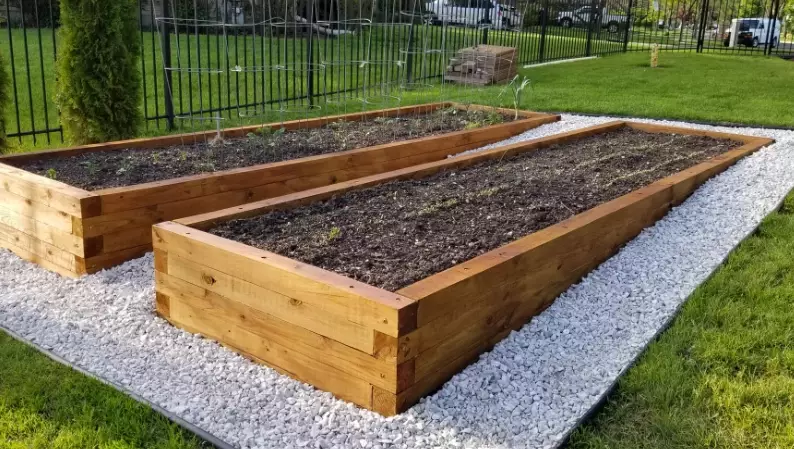
What to Plant in Your New Garden Beds
Now for the fun part. Raised beds warm up faster in spring, giving you a head start. You can plant more intensively than in the ground, but don't crowd plants—airflow prevents disease.
For your first season, start simple. Grow what you love to eat. Lettuce, radishes, and kale are nearly foolproof. Bush beans are productive. Tomatoes and peppers are rewarding but need more heat and care.
Practice succession planting. After harvesting spring radishes, that space can be planted with bush beans. When garlic comes out in early summer, put in some quick-growing beets.
I always dedicate one bed to a "sacrificial" soil-building crop like cowpeas or buckwheat at the end of the season. I chop and drop them as green manure—it's like free fertilizer and organic matter for next year.
Ongoing Care: Watering, Feeding, and Troubleshooting
Raised beds dry out faster than in-ground gardens. A consistent watering schedule is non-negotiable. Soak the soil deeply, then let the top inch dry out before watering again. Drip irrigation or a soaker hose on a timer is the single best investment for vacation peace of mind and healthier plants.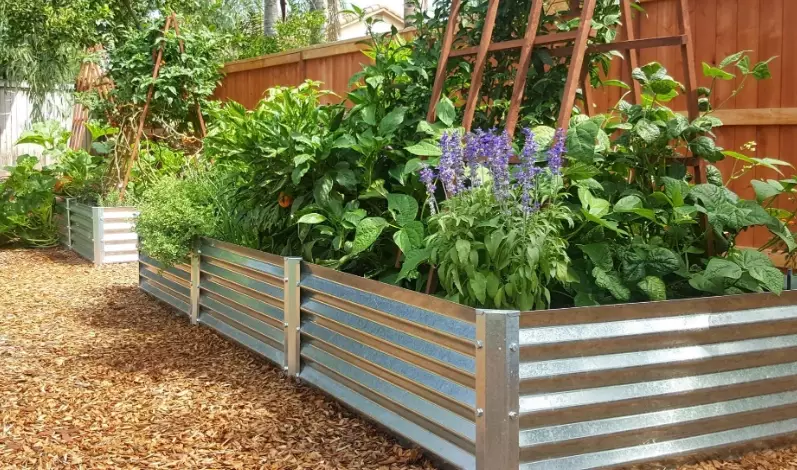
Your initial soil mix will feed plants for 4-6 weeks. After that, they need a boost. I'm not a fan of weekly liquid feeds—it's easy to overdo it. Instead, side-dress plants with a balanced, slow-release organic fertilizer (like a 5-5-5) when they start flowering or setting fruit. A handful scratched in around the stem every 4-6 weeks is plenty.
Weeds will come. Mulch is your best friend. A 2-3 inch layer of straw, shredded leaves, or wood chips suppresses weeds, retains moisture, and moderates soil temperature. Just keep it away from direct contact with plant stems to avoid rot.
Answers to Your Tricky Garden Bed Questions
Reader Comments