What You'll Find in This Guide
If you're like me, you probably started gardening with monarch butterflies in mind. I remember planting my first milkweed patch a decade ago, thinking it would be a breeze. Turns out, I made every mistake in the book—overwatering, wrong species, you name it. Monarch milkweed isn't just another plant; it's the lifeline for these iconic butterflies. Let's cut through the noise and get into what really works.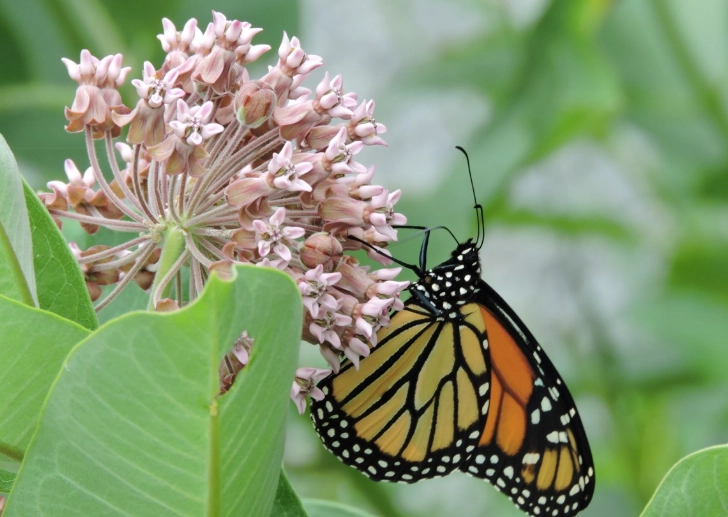
What Exactly Is Monarch Milkweed?
Monarch milkweed refers to the group of milkweed plants (genus Asclepias) that serve as the sole host for monarch butterfly caterpillars. Without it, monarchs can't complete their life cycle. But here's the kicker: not all milkweeds are created equal. There are over 100 species in North America, but only about a dozen are commonly used by monarchs.
I've seen gardeners grab any milkweed from the nursery, only to find it's a tropical variety that dies in winter or doesn't attract monarchs. The key players include common milkweed (Asclepias syriaca), swamp milkweed (Asclepias incarnata), and butterfly weed (Asclepias tuberosa). Each has its quirks. Common milkweed spreads aggressively via rhizomes, which can be a headache in small gardens. Butterfly weed, on the other hand, is more compact but slower to establish.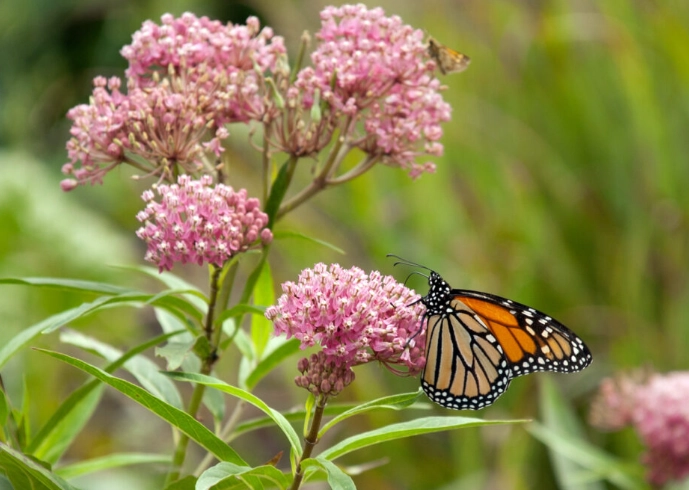
According to the Xerces Society for Invertebrate Conservation, native milkweed species are crucial because they co-evolved with monarchs. Non-native species might not provide the right nutrients or timing for caterpillar development. I learned this the hard way when I planted tropical milkweed in a temperate zone—it led to parasite buildup and poor monarch health.
How to Plant Milkweed Successfully
Planting milkweed isn't rocket science, but it demands attention to detail. Most people fail because they treat it like a regular perennial. Let's break it down step by step.
Choosing the Right Species for Your Region
First, check your USDA hardiness zone. If you're in the Midwest, common milkweed might thrive. In the Southeast, swamp milkweed could be better. I recommend using resources like the Lady Bird Johnson Wildflower Center's native plant database to find local options. Don't just go for the prettiest flowers; think about soil and climate.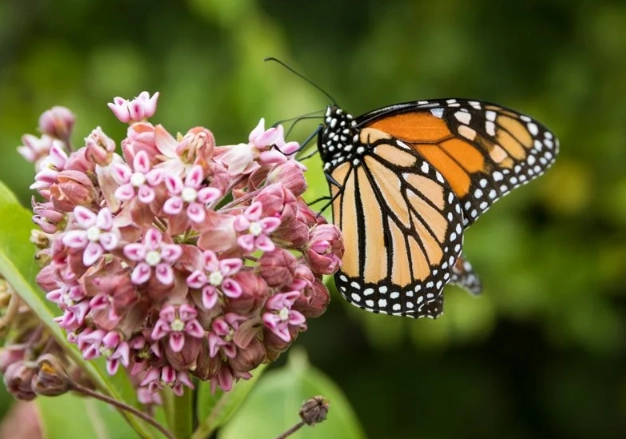
Here's a quick table to help you match species to conditions:
| Milkweed Species | Best For Regions | Soil Type | Sunlight Needs |
|---|---|---|---|
| Common Milkweed (Asclepias syriaca) | Midwest, Northeast | Well-drained, average | Full sun |
| Swamp Milkweed (Asclepias incarnata) | Wetlands, Eastern US | Moist to wet | Full sun to part shade |
| Butterfly Weed (Asclepias tuberosa) | Dry areas, nationwide | Dry, sandy | Full sun |
| Showy Milkweed (Asclepias speciosa) | Western US | Well-drained | Full sun |
Step-by-Step Planting Process
Start with seeds or plants? Seeds are cheaper but take longer. Plants give you a head start. I've done both, and for beginners, I'd say go with nursery-grown plants to avoid germination headaches.
Plant in spring after the last frost. Dig a hole twice as wide as the root ball. Milkweed roots are sensitive, so handle them gently. Place the plant so the crown is level with the soil surface. Backfill with native soil—no need for fancy amendments. Water deeply after planting, but then ease off. Overwatering is a common killer.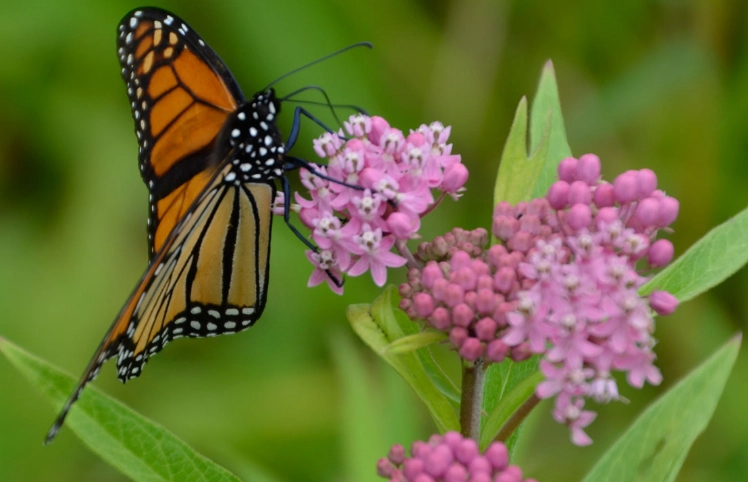
Spacing matters. Give each plant about 18-24 inches apart. Milkweed needs air circulation to prevent fungal diseases. I once crammed them too close, and powdery mildew wiped out half my patch.
Mulch lightly with organic material like straw. Avoid heavy mulches that retain too much moisture. In my experience, a thin layer works best to suppress weeds without suffocating the roots.
Common Milkweed Care Mistakes (And How to Fix Them)
This is where most guides fall short. They list basics but skip the subtle errors that ruin your efforts. After 10 years of trial and error, here's what I've seen.
Mistake 1: Overwatering. Milkweed is drought-tolerant once established. New gardeners panic when leaves droop and drown the plants. I did this early on, leading to root rot. Instead, water only when the top inch of soil is dry. In rainy regions, consider raised beds for drainage.
Mistake 2: Using pesticides. Even organic sprays can harm caterpillars. I made this error once, spraying neem oil for aphids and accidentally killing monarch eggs. Now, I tolerate some pests—they're part of the ecosystem. If aphids get bad, blast them off with water or introduce ladybugs.
Mistake 3: Planting non-native milkweed. Tropical milkweed (Asclepias curassavica) is sold everywhere, but it can disrupt monarch migration by blooming out of season. In southern areas, it may harbor OE parasites. The Monarch Joint Venture advises cutting it back in fall to mimic native die-back. I switched to native species and saw healthier monarchs.
Mistake 4: Ignoring soil pH. Milkweed prefers neutral to slightly acidic soil (pH 6.0-7.0). I tested my soil and found it was too alkaline; adding sulfur helped. A simple test kit from a garden center can save you grief.
Pro Tip: Don't deadhead milkweed flowers too early. Let them go to seed to support natural reseeding. I used to deadhead for neatness, but that reduced seed production for future plants.
Why Milkweed Matters for Monarch Conservation
Monarch populations have dropped by over 80% in recent decades, largely due to habitat loss. Milkweed is the only plant monarch caterpillars eat, so without it, they starve. But it's not just about planting any milkweed; it's about creating sustainable habitats.
I've volunteered with local conservation groups, and we've seen that small patches in urban gardens can add up. The National Wildlife Federation's Garden for Wildlife program shows how backyard plantings contribute to corridors for migrating monarchs.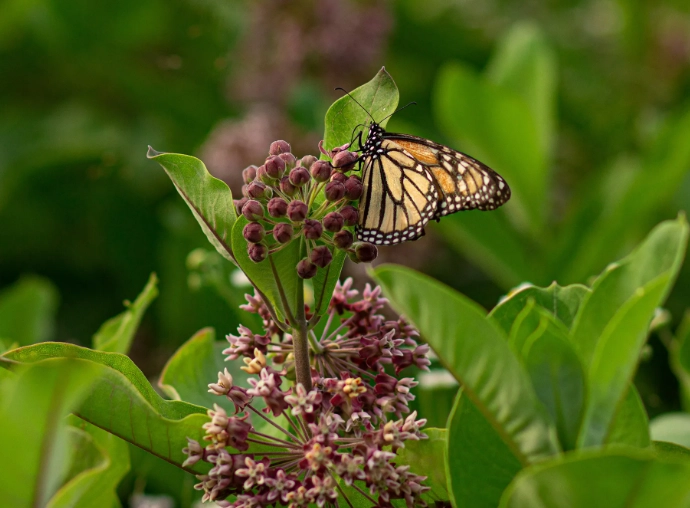
Milkweed also supports other pollinators like bees and hummingbirds. Its flowers provide nectar, and the leaves host various insects. In my garden, I've observed that a diverse milkweed patch attracts more species than a monoculture.
Conservation isn't just planting—it's about timing. Milkweed should be available from spring to fall to support multiple monarch generations. In colder regions, ensure plants emerge early by using mulch or starting indoors.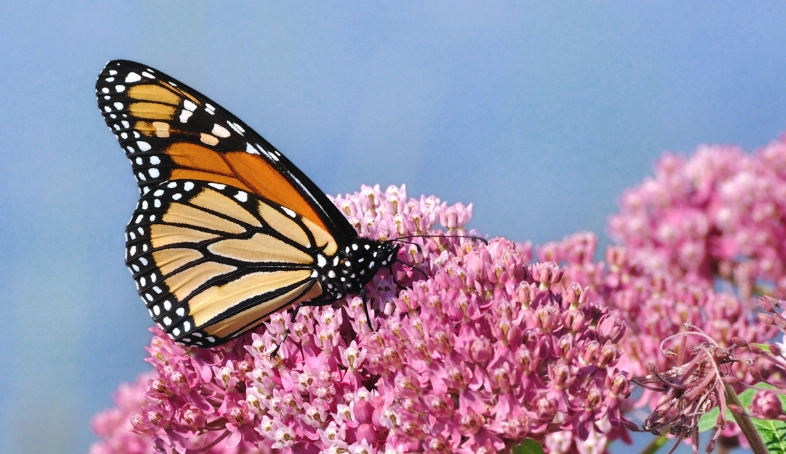
Your Monarch Milkweed Questions Answered
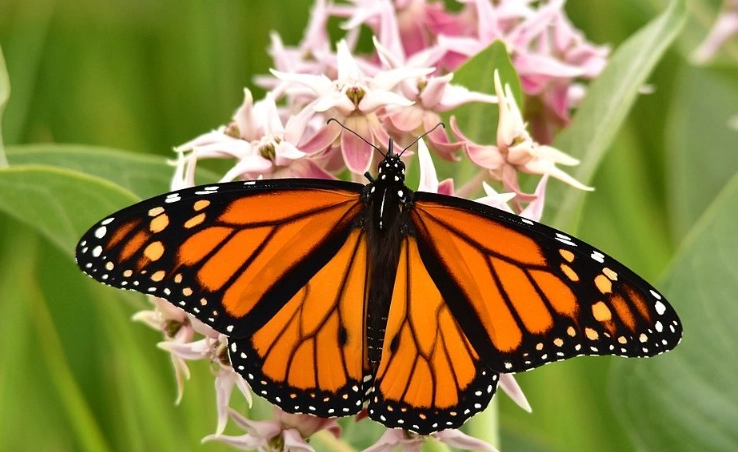
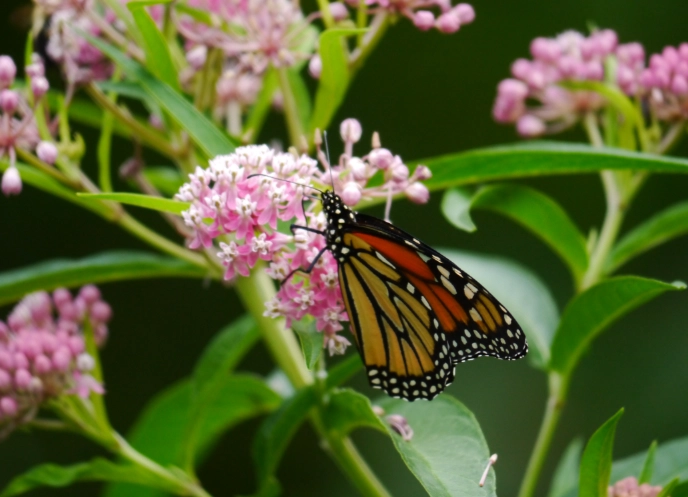
Monarch milkweed is more than a plant; it's a commitment to conservation. Start small, learn from mistakes, and enjoy the process. Your garden can become a sanctuary for these incredible butterflies.
Reader Comments