You built the frame, picked a sunny spot, and now you're staring at an empty raised bed. What goes in it? This is the moment where most gardeners make a critical, and often expensive, mistake. They grab a few bags of topsoil from the big-box store, maybe mix in some compost, and call it a day. A year later, they're dealing with compaction, poor drainage, and plants that just won't thrive. The truth is, the soil in your raised bed isn't just dirt—it's the entire ecosystem for your plants. Mixing it right from the start is the single most important thing you can do for a successful garden. It's not about following one rigid recipe, but understanding the principles so you can create a mix that works for your plants, your climate, and your wallet.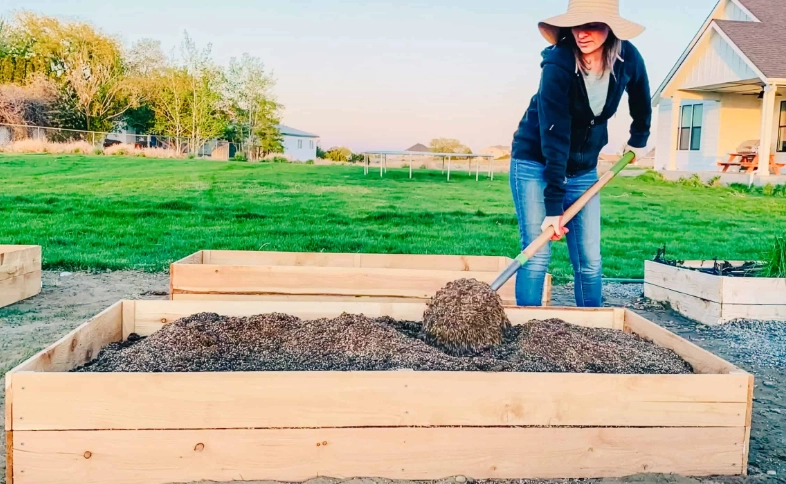
What's Inside This Guide?
- Why Your Raised Bed Soil Mix Matters More Than You Think
- The Core Ingredients: A Breakdown of What You Actually Need
- The "Universal" Raised Bed Soil Recipe (And How to Adjust It)
- Step-by-Step: How to Mix Your Raised Bed Soil Like a Pro
- Common Mistakes Even Experienced Gardeners Make
- Where to Source Your Materials (Beyond the Garden Center)
- Your Raised Bed Soil Questions, Answered
Why Your Raised Bed Soil Mix Matters More Than You Think
Think of your raised bed as a giant container. Unlike in-ground gardening, plant roots can't go searching deeper for water, nutrients, or air. They're confined to the space you give them. That mix needs to do three things exceptionally well: drain excess water, retain enough moisture to last between waterings, and provide ample space for roots to breathe and grow.
Most bagged "garden soil" or plain topsoil fails on at least one of these fronts. It's often too fine, leading to compaction that suffocates roots. I learned this the hard way. My first raised bed was filled with what the landscape supplier called "screened topsoil." It looked great—dark and crumbly. But after one season of watering, it had settled into a dense, brick-like layer. My tomato plants were stunted, and pulling a carrot was like extracting a tooth.
The goal is to create a living, fluffy, and resilient medium. Good soil structure is non-negotiable. It's more important than the initial nutrient load, because you can always add fertilizer, but fixing bad structure means starting over.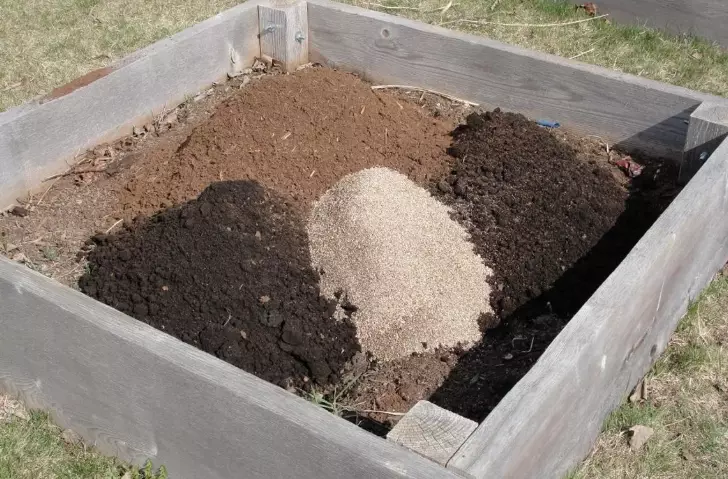
The Core Ingredients: A Breakdown of What You Actually Need
Forget complex formulas with ten ingredients. A fantastic raised bed mix boils down to balancing four key components. Understanding the role of each lets you tweak based on what's available locally.
Pro Tip: Always think in terms of volume (cubic feet, buckets, wheelbarrows), not weight. A bag of perlite is light and fluffy, while a bag of compost is dense and heavy. Mixing by volume is the only way to get consistent results.
1. The Base: Aeration & Drainage (The Inert Stuff)
This is the most overlooked category. These materials don't provide nutrients, but they create the essential air pockets. Options include:
- Coarse Horticultural Sand: Not play sand or builder's sand, which is too fine. You want sharp, gritty sand that feels rough between your fingers. It's heavy and provides excellent drainage.
- Perlite: Those little white popcorn-like pieces. It's super light, sterile, and great for aeration. It can float to the top over time with heavy watering, which is a minor annoyance.
- Vermiculite: Holds more water and nutrients than perlite. It's a good choice if you're in a hot, dry climate or growing moisture-loving plants.
- Pine Bark Fines or Small Wood Chips: These decompose slowly, adding organic matter and improving structure over time. Avoid large, fresh bark chunks.
2. The Heart: Compost (The Nutrient & Biology Engine)
This is where the magic happens. Compost feeds plants and, more importantly, feeds the soil life (microbes, fungi, worms) that make nutrients available. Never rely on just one source of compost. Different composts have different nutrient profiles and textures.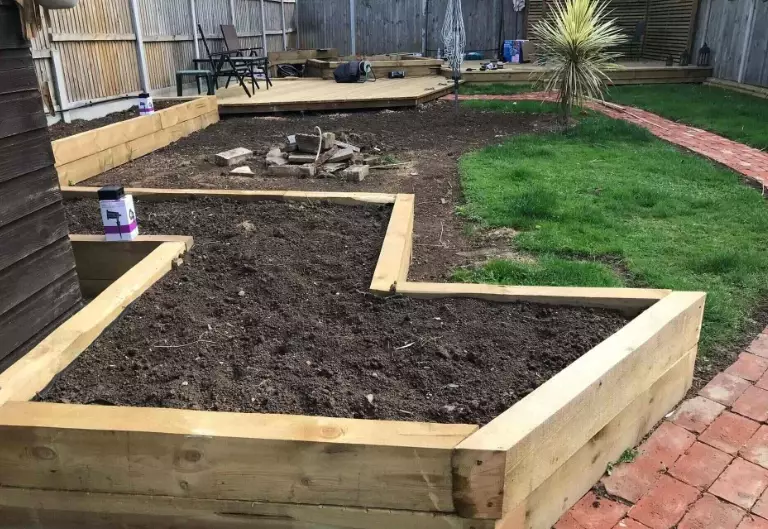
Blend two or more of these:
- Homemade Compost: The gold standard if you have it.
- Mushroom Compost Usually a blend of straw, manure, and peat. It's alkaline, so be cautious if you have acidic soil.
- Leaf Mold: Decomposed leaves. Fantastic for moisture retention and soil structure. It's like a sponge.
- Well-Rotted Manure: Must be aged for at least a year. Fresh manure will burn plants.
3. The Body: Peat Moss or Coconut Coir (The Moisture Manager)
This ingredient holds water like a reservoir and releases it slowly to plant roots.
- Peat Moss: The traditional choice. It's acidic, so you may need to add a bit of garden lime. The environmental harvesting concerns are valid, which leads many to alternatives.
- Coconut Coir: Made from coconut husks. It's a renewable resource, has a near-neutral pH, and holds even more water than peat. It often comes in compressed bricks that need rehydrating.
4. The Supplement: Topsoil or Garden Soil (Optional Filler)
This isn't always necessary, but it can add bulk and mineral content cheaply. If you use it, make sure it's screened to remove rocks and debris, and don't let it make up more than a third of your total mix. It's the least important ingredient.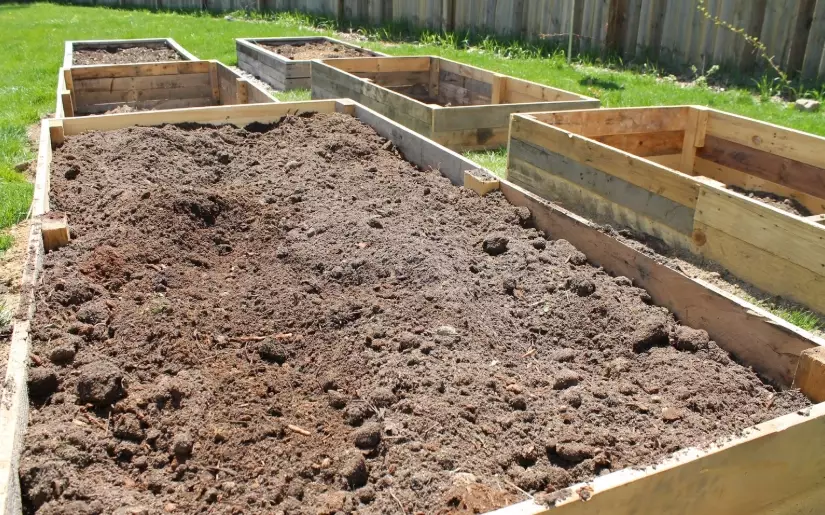
The "Universal" Raised Bed Soil Recipe (And How to Adjust It)
Here's a reliable, all-purpose starting point. I've used variations of this for years with vegetables, herbs, and flowers. It's a volume-based recipe—think "1 part" equals a 5-gallon bucket or a cubic foot.
| Ingredient | Parts by Volume | Primary Function | Notes & Adjustments |
|---|---|---|---|
| Compost Blend (2-3 types) | 4 | Nutrients, organic matter, biology | This is the engine. Use the best quality you can find. |
| Coconut Coir or Peat Moss | 3 | Moisture retention, fluffiness | Pre-moisten thoroughly! Dry peat/coir repels water. |
| Coarse Sand or Perlite | 2 | Aeration and drainage | Sand for heavy feeders/root crops. Perlite for lighter mixes. |
| Topsoil (Optional) | 1 | Mineral content, bulk | Skip if your compost blend is plentiful and high-quality. |
How to Adjust:
- For Containers & Shallower Beds (under 12 inches): Increase aeration. Try 3 parts compost, 3 parts coir, 3 parts perlite. Drainage is even more critical.
- For Heavy Feeding Crops (Tomatoes, Squash): Increase the compost portion to 5 parts. They'll thank you for it.
- For Root Crops (Carrots, Parsnips): Prioritize a loose, stone-free mix. Use more coarse sand (3 parts) and ensure your compost is very fine and well-sifted.
- In Very Wet Climates: Boost drainage. Add an extra part of sand or perlite.
- In Very Dry, Hot Climates: Boost moisture retention. Use coir over peat (it re-wets easier) and consider a part of vermiculite.
Step-by-Step: How to Mix Your Raised Bed Soil Like a Pro
Don't just dump bags into the bed and try to mix with a shovel. You'll get uneven pockets. Do it right the first time.
Step 1: Source and Stage Your Materials. Get everything delivered or gathered in one place. Pre-moisten your peat moss or coir in a large tub or wheelbarrow until it's damp like a wrung-out sponge. This can take hours, so do it the day before.
Step 2: Choose Your Mixing Arena. For a single bed, a large tarp on a driveway or lawn works perfectly. For multiple beds, rent a small cement mixer—it's a game-changer and saves your back.
Step 3: The Layering Method. On your tarp, create a pile by layering your measured ingredients like a lasagna: a layer of compost, then coir, then sand, then topsoil. Repeat until all materials are piled up.
Step 4: The "Roll and Tumble" Mix. Grab two corners of the tarp and pull them over the pile. Then, walk around the pile, pulling and tumbling the tarp to roll the ingredients over themselves. Do this for a good 5-10 minutes. It's surprisingly effective and fun.
Step 5: Fill and Settle. Shovel the mix into your raised bed. Don't pack it down. Water it thoroughly to help it settle naturally, then top it off with a little more mix if needed.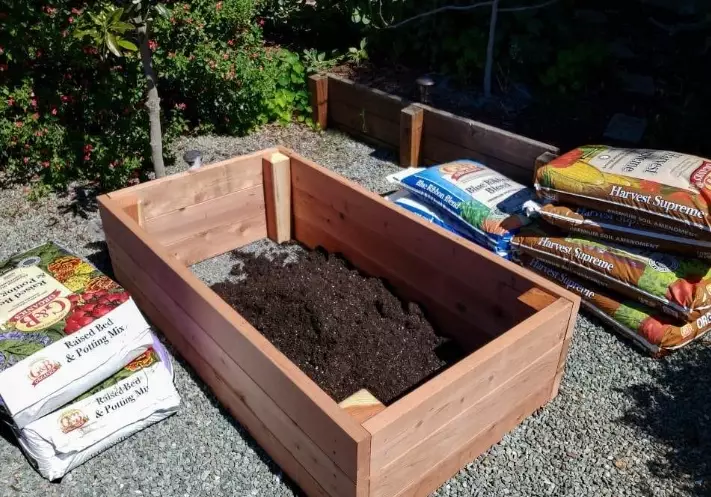
Common Mistakes Even Experienced Gardeners Make
I've made most of these, so you don't have to.
Using 100% compost. It seems logical—compost is good, so more must be better. Wrong. Pure compost is too rich, drains poorly, and can actually "burn" plants with excess soluble salts. It also shrinks dramatically as it decomposes.
Ignoring pH. Peat moss is acidic. Mushroom compost is often alkaline. If you're blending wildly different materials, a simple $15 pH test kit can save you a season of mystery plant failures. Most vegetables like a pH between 6.0 and 7.0.
Forgetting to top-dress. Your perfect mix will settle and decompose over a season. Every spring, before planting, add a 1-2 inch layer of fresh compost blend on top and gently work it into the top few inches. This replaces organic matter and nutrients without disturbing the soil ecosystem.
Assuming "organic" means good structure. An all-organic mix of compost, manure, and peat can still be dense and soggy without enough inorganic aeration (sand, perlite). Structure and nutrition are separate goals.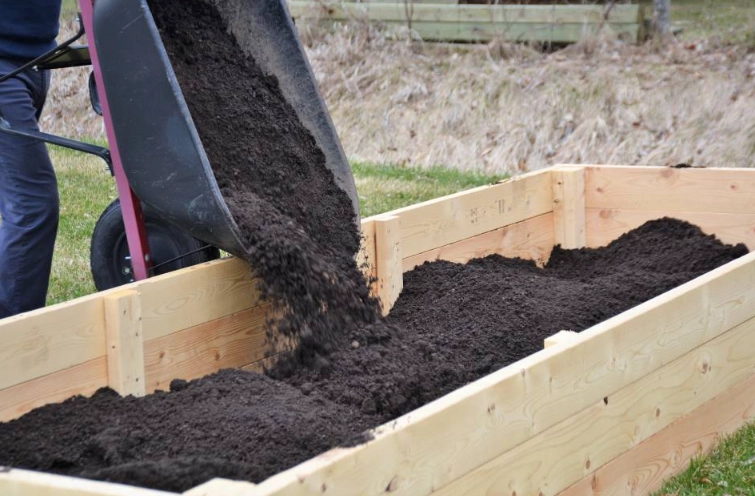
Where to Source Your Materials (Beyond the Garden Center)
Bagged stuff gets expensive fast for a large bed. Think bulk.
- Landscape Supply Yards: They sell bulk compost, topsoil, sand, and sometimes peat moss by the cubic yard. Bring your own containers or have it delivered. Call ahead and ask if you can see/smell their compost—it should smell earthy, not sour or like ammonia.
- Municipal Compost Facilities: Many cities and towns create compost from yard waste. It's incredibly cheap (sometimes free). Quality can vary, so it's a great candidate for blending with another compost source.
- Local Farms: For well-rotted manure. A pickup truck load can go a long way.
- Online Marketplaces: Search for "bulk garden soil delivery" or "compost delivery" in your area. Read reviews.
Calculate your needs first. A 4ft x 8ft x 1ft deep raised bed holds 32 cubic feet of soil (about 1.2 cubic yards).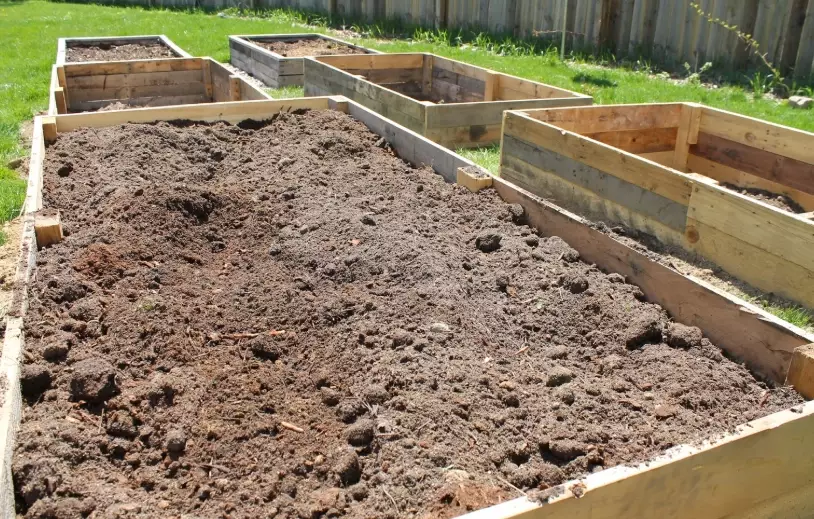
Your Raised Bed Soil Questions, Answered
Reader Comments