Let's be honest. For years, I thought having a garden meant owning a big backyard. I lived in apartments with just a fire escape or a north-facing windowsill. The idea of growing my own food felt like a distant dream reserved for suburbanites. Then I got tired of paying three dollars for a handful of basil that wilted in two days. That's when I discovered small space gardening isn't a compromise—it's a completely different, and often more creative, way to grow.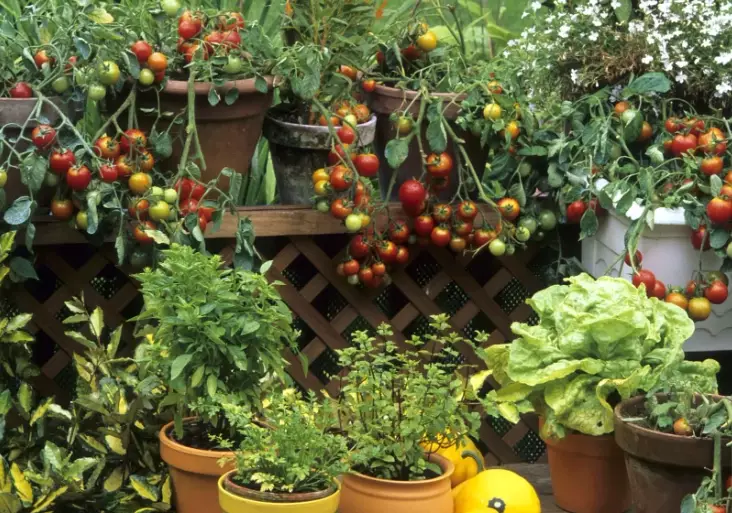
Small space gardening is about maximizing every square inch of your available area, whether it's a balcony, a patio, a windowsill, or even a wall. It's not about growing less; it's about growing smarter. You can harvest surprising amounts of fresh herbs, vegetables, and even fruits from containers, vertical structures, and cleverly arranged pots. The National Gardening Association notes a consistent rise in container and small-space food gardening, especially among younger, urban demographics. It's a movement driven by a desire for fresh food, connection to nature, and sheer practicality.
What's Inside This Guide?
- What is Small Space Gardening (And What It's Not)
- How to Start Your Small Space Garden: A Realistic Blueprint
- The Best Plants for Small Spaces: From Surefire Herbs to Compact Veggies
- Going Vertical: The Game-Changer for Tiny Areas
- 3 Common Small Space Gardening Mistakes Even Experienced Gardeners Make
- Your Small Space Gardening Questions, Answered
What is Small Space Gardening (And What It's Not)
At its core, small space gardening is the practice of cultivating plants in confined areas using intensive methods. It prioritizes efficiency, verticality, and container use. But here's a crucial distinction many blogs miss: it's not just shoving normal gardening techniques into a smaller box.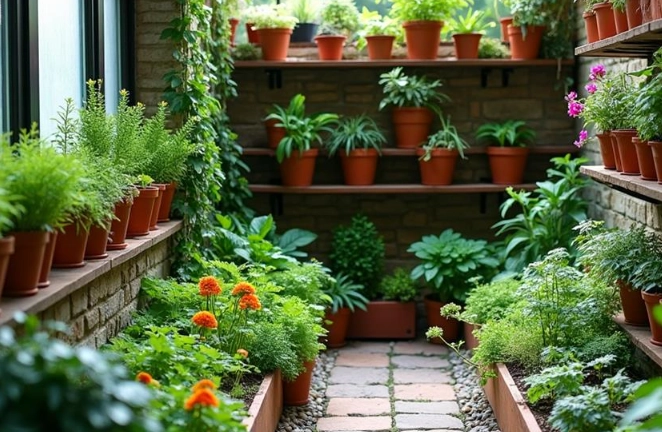
The biggest shift in mindset is from horizontal to vertical thinking. In a traditional plot, you spread out. In a small space, you build up. Your primary resources—sunlight, water, soil volume—are limited and non-negotiable. Every plant choice and container placement becomes a strategic decision. It's less about rows and more about layers.
I made the mistake early on of trying to grow a sprawling zucchini plant in a 12-inch pot because the seed packet said "container friendly." It was a disaster. The plant quickly became root-bound, produced one sad fruit, and then succumbed to powdery mildew because the dense foliage had no air circulation. That experience taught me that "small space" requires specific varieties and techniques, not just any plant in a pot.
How to Start Your Small Space Garden: A Realistic Blueprint
Forget the overwhelming 10-step plans. Starting a small space garden boils down to three actionable phases: Assess, Equip, and Plant.
Phase 1: Assess Your Space Honestly
This is the most critical step, and most people are wildly optimistic. Don't guess.
Sunlight Tracking: For three days, note the sunlight patterns on your balcony or windowsill. Use an app like Sun Surveyor or just observe. Full sun means 6+ hours of direct, unfiltered light. Partial sun is 3-6 hours. Shade is less than 3 hours. Your plant choices will live or die by this data. A south-facing balcony is gold. A north-facing one means you're growing shade-loving greens and herbs, not tomatoes.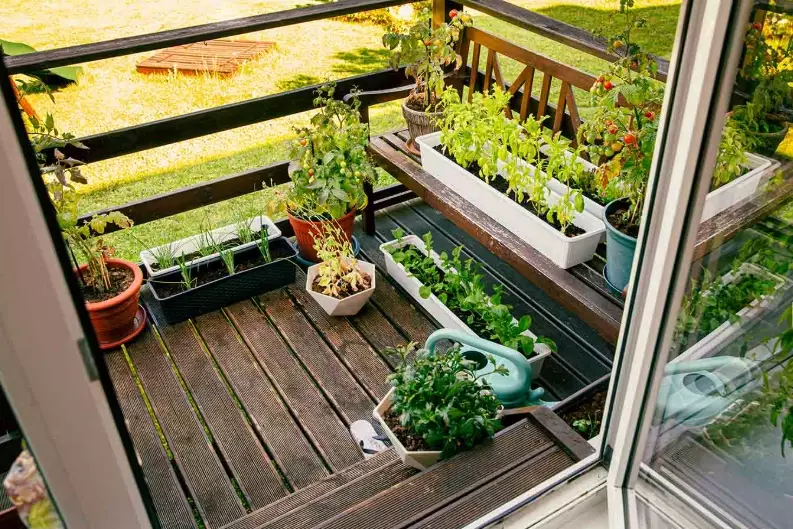
Space Inventory: Measure the actual floor space and vertical wall space. Can you hang things from the railing or ceiling? What's the weight limit of your balcony (check your lease or with your building manager)? This determines your container options.
Phase 2: Equip with the Right Gear (Not the Prettiest)
Container choice is everything. Drainage holes are non-negotiable. Without them, you're building a swamp, not a garden. Here’s a quick breakdown of container types:
| Container Type | Best For | Watch Out For |
|---|---|---|
| Plastic Pots | Beginners, lightweight needs, balconies with weight limits. Retains moisture well. | Can degrade in UV light over time. Ensure they are food-safe (look for #5 PP or #2 HDPE recycling codes). |
| Fabric Grow Bags | Excellent root health ("air-pruning"), great drainage, lightweight. My personal favorite for veggies. | Dry out faster, so watering is more frequent. Can stain surfaces. |
| Terracotta/Clay | Herbs, succulents. Breathable, classic look. | Very heavy, dries out extremely quickly, can crack in freeze-thaw cycles. |
| Self-Watering Planters | Busy people, consistent moisture for crops like lettuce and kale. | More expensive. Can lead to overwatering if not monitored. |
For soil, never, ever use garden soil from the ground in containers. It compacts and drains poorly. Use a high-quality, lightweight potting mix specifically formulated for containers. Look for mixes with perlite or vermiculite for aeration. A bag labeled for raised beds is also a good bet.
Phase 3: Plant with a Plan
Start small. The temptation is to buy one of everything at the nursery. Resist. Begin with 3-5 containers. Herbs are the perfect gateway: basil, parsley, chives, and thyme are forgiving and give quick rewards. Choose dwarf or bush varieties of vegetables. Words like "Patio," "Balcony," "Tiny," or "Compact" in the variety name are your friends.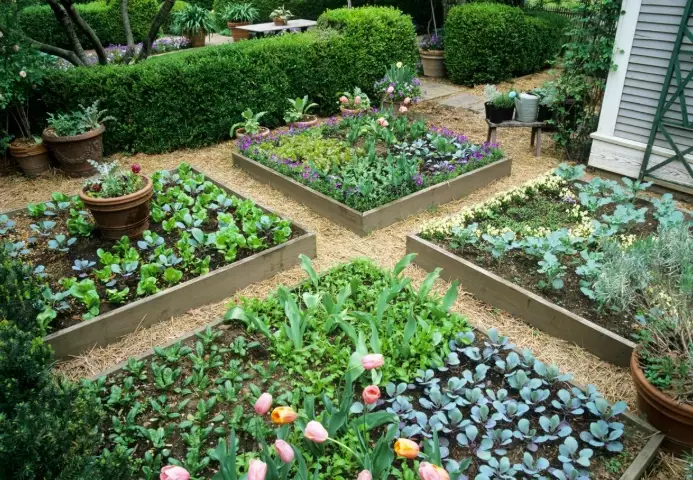
The Best Plants for Small Spaces: From Surefire Herbs to Compact Veggies
Your success rate skyrockets when you pick plants bred for confinement. Here’s my curated list, born from trial and (plenty of) error.
The Can't-Kill Starter Pack (4+ hours of sun): - Leafy Greens: Lettuce (any loose-leaf variety), Kale ('Dwarf Blue Curled'), Swiss Chard ('Bright Lights'). You can cut-and-come-again for weeks. - Herbs: Mint (warning: always in its own pot, it's invasive), Rosemary, Oregano, Thyme. These are perennial in many climates and thrive on neglect. - Radishes: They mature in 25-30 days. Instant gratification gardening.
The Productive Compact Veggies (6+ hours of sun): - Tomatoes: Stick to determinate (bush) types like 'Patio Choice Yellow', 'Tumbling Tom', or 'Celebrity'. Avoid sprawling indeterminate vines. - Peppers: Both sweet and hot peppers do brilliantly in pots. 'Lunchbox' peppers, jalapeños, and shishitos are prolific. - Beans & Peas: Bush beans (no poles needed) or dwarf pea varieties. Great for kids to help plant and harvest. - Eggplant: Look for compact varieties like 'Fairy Tale' or 'Hansel'—they produce clusters of small, tender fruit.
Shade Tolerant Options (2-4 hours of sun): - Leafy greens (lettuce, spinach, kale actually prefer some afternoon shade in hot climates), herbs like parsley, cilantro, and chives, and evergreen green onions (scallions).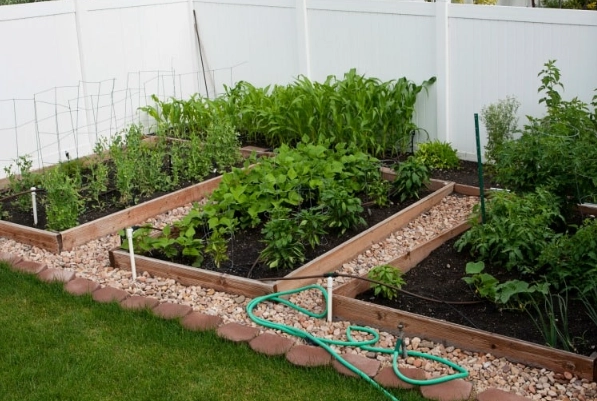
Going Vertical: The Game-Changer for Tiny Areas
This is where small space gardening gets fun. Vertical gardening multiplies your surface area. It's not just an aesthetic choice; it improves air circulation and can make harvesting easier.
Simple, No-Tools Methods: - Hanging Baskets: Not just for flowers. Try cherry tomatoes ('Tumbling Tom'), strawberries, or cascading herbs like oregano. - Wall Planters with Pockets: Felt or fabric pocket systems are lightweight and perfect for herbs, lettuces, and strawberries. - Tiered Shelving or a Ladder Shelf: Place pots at different heights to catch light and create depth.
DIY & More Permanent Solutions: - Pallet Garden: Secure a reclaimed pallet vertically, line the back with landscape fabric, fill with soil, and plant in the slats. Ideal for succulents or herbs. - Trellises & Obelisks: A must for vining crops even in pots. Cucumbers, pole beans, and small melons (like 'Sugar Baby' watermelon) will climb happily, keeping fruit off the damp ground. Use a large container (at least 5 gallons) at the base.
I mounted a simple cedar trellis on my balcony wall and grow Malabar spinach (a heat-loving, vining green) and pole beans on it every summer. It creates a living screen and yields more food than several pots combined.
3 Common Small Space Gardening Mistakes Even Experienced Gardeners Make
These aren't the basic "don't overwater" tips. These are the subtle pitfalls that catch you after a season or two.
1. Ignoring Soil Fatigue. You can't grow the same crop in the same small pot of soil year after year. Nutrients deplete and pathogens build up. Every season, refresh at least the top third of your potting mix. Better yet, practice crop rotation in your pots—follow heavy feeders like tomatoes with light feeders like beans or soil-enriching legumes.
2. Overcrowding in the Name of Abundance. That seed packet says "space plants 12 inches apart" for a reason. Crowded plants compete for light, water, and nutrients, leading to spindly growth, poor fruiting, and disease. Give each plant its recommended space, even if it means planting fewer. One healthy tomato plant will outproduce three stunted ones.
3. Forgetting the Microclimate. Balconies, especially high up, can be wind tunnels. Wind dries out pots incredibly fast and can shred tender leaves. Create windbreaks with taller plants, a small lattice, or even a decorative screen. Conversely, a sunny, walled patio can become a heat island, cooking your plants. Provide afternoon shade with a sun sail or position plants strategically.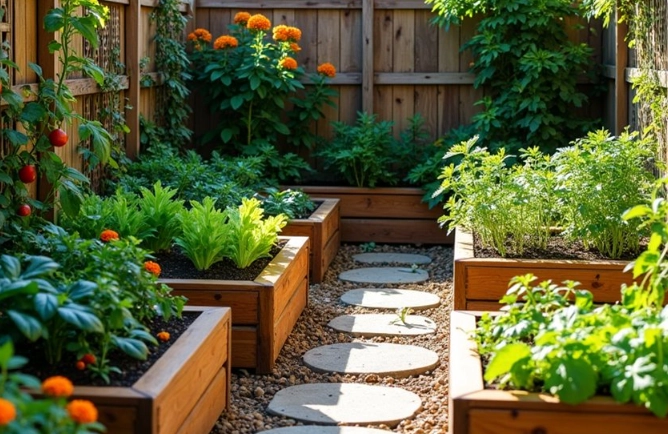
Your Small Space Gardening Questions, Answered
My balcony gets only 4 hours of sun. Can I still grow vegetables?
You can, but you need to manage expectations. Focus on leafy vegetables and herbs that tolerate partial sun: lettuce, kale, arugula, spinach, parsley, cilantro, and chives. Root crops like radishes and beets might work but will be slower. Fruiting vegetables like tomatoes and peppers will struggle and produce very little; it's usually not worth the effort. Maximize your light by using reflective surfaces (a white wall, foil) to bounce light onto your plants.
How often should I really water my container garden?
The classic "stick your finger in the soil" test is the gold standard for a reason. For most crops, water when the top inch of soil feels dry. In the peak of summer, small pots (under 10 inches) might need water every day. Larger containers (5-gallon fabric bags) may need it every 2-3 days. Water deeply until it runs out the drainage holes—this encourages deep roots. Early morning is the best time to water, reducing evaporation and fungal disease risk.
What's the one tool I shouldn't skimp on for small space gardening?
A good watering can with a long, narrow spout (often called a "watering rose" attachment). It lets you deliver water directly to the soil base without splashing leaves (which can spread disease), and it gives you control to avoid washing away soil in small containers. The cheap, plastic ones with a wide mouth are useless for precision work in a tight space.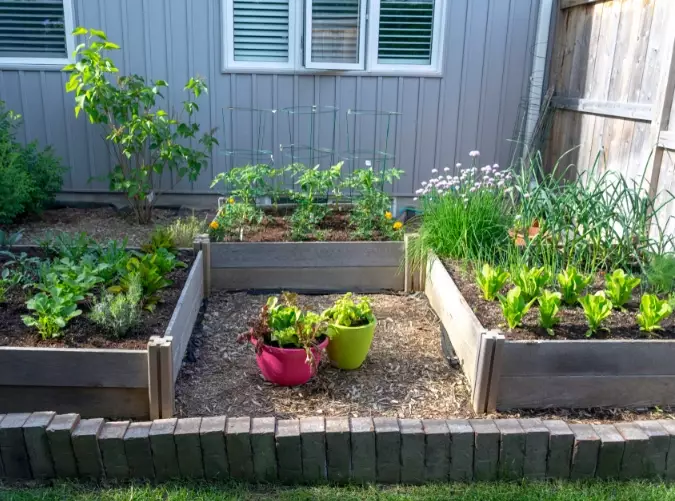
I have a tiny windowsill. What can I grow indoors?
A sunny (south or west-facing) windowsill is perfect for a culinary herb garden. Start with basil, thyme, oregano, mint, and chives. Microgreens are another fantastic option—they grow in shallow trays and are ready in 7-14 days. You can also try dwarf pepper varieties or a compact cherry tomato specifically bred for containers, but they will need the sunniest spot you have and you might need to hand-pollinate the flowers by gently shaking the plant.
How do I deal with pests in a small, contained garden?
The advantage of a small space is that monitoring is easy. Check under leaves regularly. For aphids, a strong blast of water from a spray bottle often knocks them off. For larger pests like caterpillars, hand-picking is effective. Insecticidal soap or neem oil (mixed as directed) are good organic options for persistent issues. Prevention is key: healthy, unstressed plants are more resistant, and good air circulation (avoid overcrowding!) discourages many fungal and pest problems.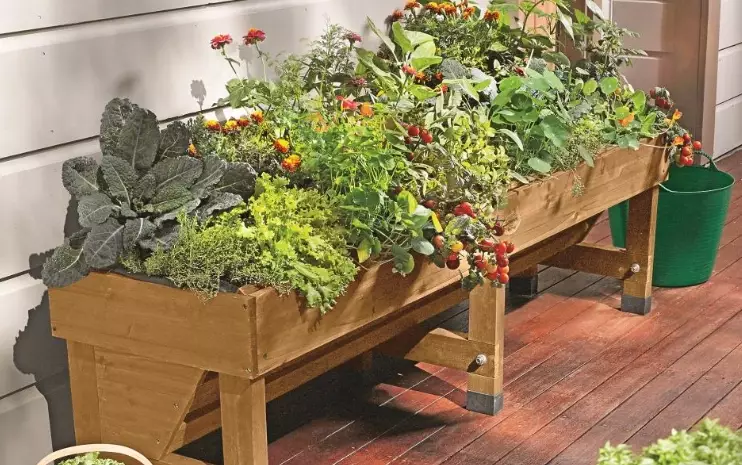
Reader Comments