Jump to What Matters
- What Exactly Are Dirt Raised Garden Beds?
- The Big Benefits: Why Go for Dirt in Raised Beds?
- Soil Science 101: Picking the Perfect Dirt Mix
- Building Your Beds: A No-Nonsense, Step-by-Step Guide
- The Planting Playbook: What to Grow and How to Care
- Oops, I Messed Up: Common Pitfalls and Fixes
- FAQs: Real Questions from Gardeners Like You
Let's talk dirt. Not gossip, but the real stuff—soil. If you're thinking about raised garden beds, you might be wondering about using plain old dirt. I was there too. A few years back, I tossed some backyard soil into a wooden frame and called it a day. Big mistake. The plants struggled, and I learned the hard way that not all dirt is created equal. So, let's dive into dirt raised garden beds, and I'll share what I wish I knew then. This isn't just about piling earth; it's about creating a living foundation for your plants to thrive.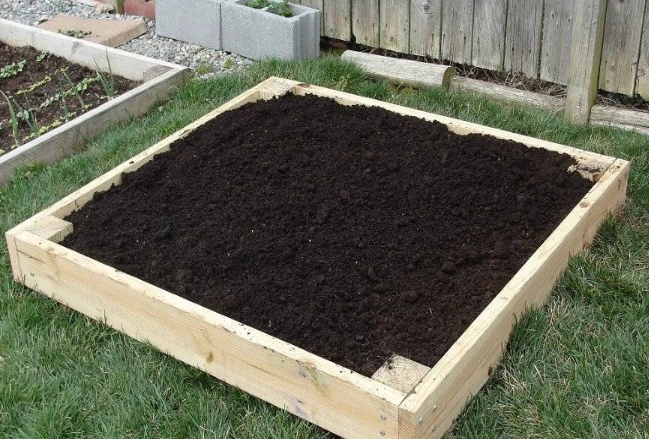
What Exactly Are Dirt Raised Garden Beds?
Dirt raised garden beds are exactly what they sound like: garden beds built above ground level and filled with soil—often called "dirt" in casual talk. But here's the kicker: "dirt" in this context isn't just any random soil from your yard. It's a carefully selected or blended mix that provides structure, nutrients, and drainage. Unlike container gardening, these beds are open-bottomed, allowing roots to access deeper ground if needed, but the raised sides give you control over the growing medium.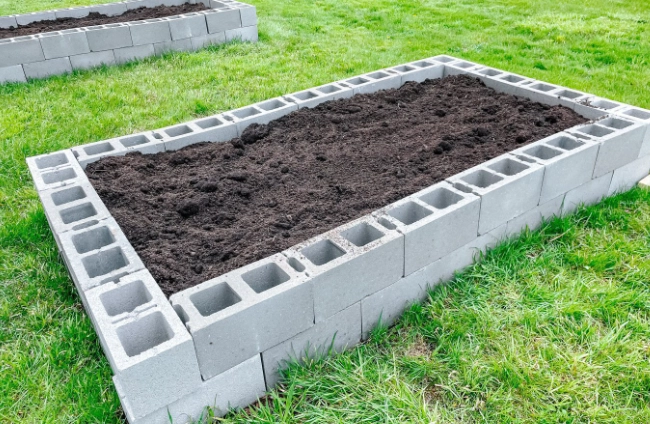
I remember visiting a friend's garden where she used pure clay from her property. It was a disaster—water pooled on top, and nothing grew. That's when I realized dirt raised beds aren't about using whatever's handy; they're about crafting an ideal environment. Think of it as building a custom home for your plants, where you choose the flooring (the soil) to suit their needs.
The Big Benefits: Why Go for Dirt in Raised Beds?
Why bother with dirt raised beds? For starters, they solve a ton of common gardening headaches. If you've ever dealt with poor soil drainage or compacted earth, raised beds are a game-changer. They elevate your plants, literally, giving roots more room to breathe and water a place to go instead of drowning them.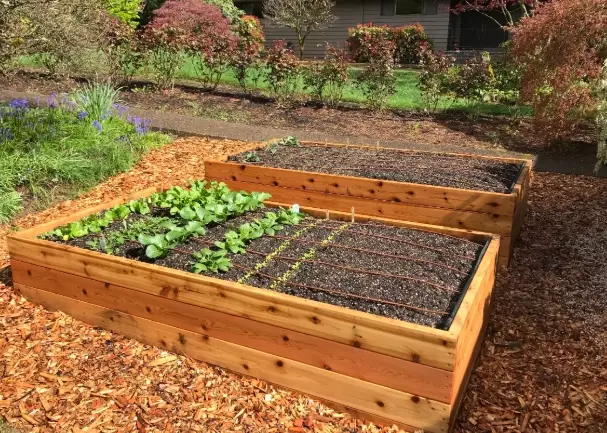
Here's a quick rundown of the perks:
- Better Drainage: Raised beds prevent waterlogging, which is a lifesaver in rainy areas. I live in a region with heavy spring rains, and my raised beds saved my tomatoes from root rot.
- Soil Control: You're not stuck with whatever soil you have. Want sandy loam for carrots? Go for it. This control lets you tailor the dirt to specific plants.
- Weed Reduction: By starting with fresh, weed-free soil, you cut down on those pesky invaders. Trust me, it saves hours of backbreaking weeding.
- Accessibility: No more bending over painfully. Raised beds bring the garden to you, which is great for folks with mobility issues or bad backs.
According to the University of California Cooperative Extension, raised beds can improve soil warmth in spring, leading to earlier planting and longer growing seasons. That's a huge win if you're eager to get started after winter.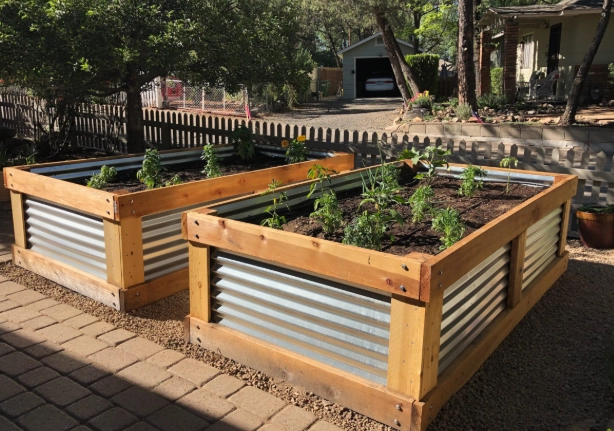
Soil Science 101: Picking the Perfect Dirt Mix
This is where most gardeners slip up. Picking the right dirt isn't about grabbing bags from the store blindly. You need a mix that balances texture, nutrients, and moisture. I learned this after my first bed failed—I used heavy clay, and it turned into a brick. Don't do that.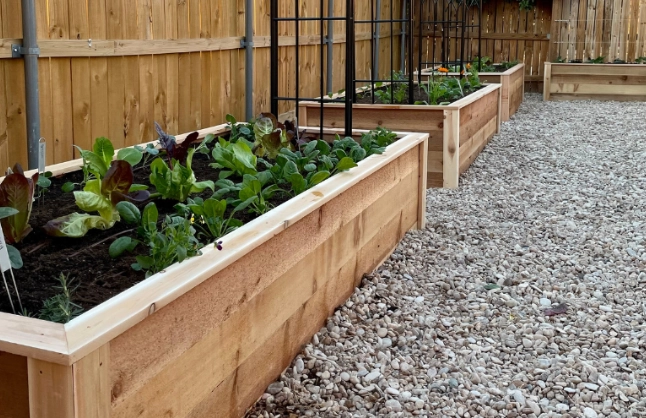
A good dirt mix for raised beds typically includes three key components: topsoil, compost, and aeration material. Here's a simple table to break it down:
| Component | Percentage | Why It Matters | My Personal Pick |
|---|---|---|---|
| Topsoil | 50-60% | Provides bulk and structure; choose loamy topsoil if possible. | I source local topsoil tested for contaminants. |
| Compost | 30-40% | Adds nutrients and organic matter; homemade compost works great. | I mix kitchen scraps and yard waste for a rich blend. |
| Aeration (e.g., sand, perlite) | 10-20% | Improves drainage and prevents compaction; crucial for root health. | Perlite is my go-to—it's lightweight and effective. |
For vegetables like tomatoes or peppers, aim for a mix that's slightly acidic (pH 6.0-6.8). You can test your soil with a kit from a garden center. I test mine every spring because pH can drift over time.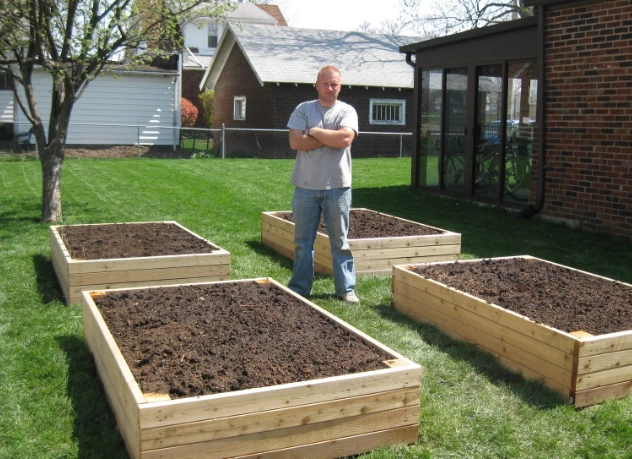
How to Source and Blend Your Dirt
Start by calculating how much dirt you need. For a 4x8 foot bed that's 12 inches deep, you'll need about 32 cubic feet of mix. That's roughly 1.2 cubic yards. I usually buy in bulk from a local landscape supplier—it's cheaper than bags and often higher quality.
Blending is messy but fun. I use a tarp on my driveway: dump the topsoil, add compost, and sprinkle in perlite. Then, I mix it with a shovel or my hands (gloves on!). The goal is a uniform, crumbly texture that holds together when squeezed but breaks apart easily.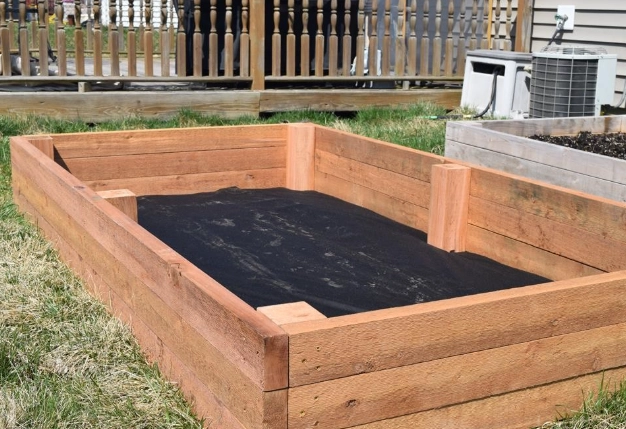
Building Your Beds: A No-Nonsense, Step-by-Step Guide
Building dirt raised garden beds is simpler than you think, but skip planning, and you'll pay for it later. I've built over a dozen beds, and here's my foolproof method.
Step 1: Choose Location and Materials
Pick a spot with at least 6-8 hours of sunlight daily. Avoid low areas where water collects. For materials, cedar or redwood is ideal—they resist rot naturally. I used pine once, and it lasted only three years. Not worth it.
You'll need:
- Wood planks (2x6 or 2x12 inches, depending on desired height)
- Corner brackets or screws
- Drill, level, and measuring tape
- Landscape fabric (optional, for weed barrier)
Step 2: Assemble the Frame
Cut wood to size. A common bed is 4x8 feet, but customize as needed. Assemble the frame on level ground. I pre-drill holes to prevent splitting and use galvanized screws for durability. Check with a level—even a slight tilt can cause water runoff issues.
Step 3: Prepare the Site and Fill with Dirt
Clear grass or weeds from the area. If pests are a concern, lay landscape fabric at the bottom. Then, start filling with your dirt mix. Don't just dump it in; add layers and lightly tamp down to avoid air pockets. Leave about an inch from the top for mulch.
I built a bed last spring for a client who wanted deep-rooted crops. We went with 18-inch sides and filled it with a mix heavy on compost. The carrots that year were phenomenal—long and straight, thanks to the loose soil.
The Planting Playbook: What to Grow and How to Care
With your dirt raised bed ready, it's planting time. But what grows best? Almost anything, but some plants love the controlled environment more.
Top Picks for Dirt Raised Beds:
- Root Vegetables: Carrots, radishes, and beets thrive in loose, well-drained dirt. I plant carrots in early spring, and they push through easily without forking.
- Leafy Greens: Lettuce, spinach, and kale—they appreciate the consistent moisture and rich nutrients.
- Tomatoes and Peppers: These heavy feeders love the nutrient-dense soil. I add extra compost around their bases mid-season.
For care, watering is key. Raised beds dry out faster than in-ground gardens. I use a drip irrigation system on a timer—it saves water and ensures even moisture. Mulching with straw or wood chips helps retain moisture and suppress weeds.
Fertilize lightly every 4-6 weeks with an organic option like fish emulsion. Over-fertilizing can burn plants, so I stick to half the recommended dose and observe how plants respond.
Oops, I Messed Up: Common Pitfalls and Fixes
We all make mistakes. Here are some I've seen (and made) with dirt raised beds, plus how to fix them.
Mistake 1: Using Poor-Quality Dirt. That first bed of mine with backyard soil? It compacted into a hardpan. Fix: Replace or amend with compost and aeration material. I had to dig out half the bed and mix in perlite to salvage it.
Mistake 2: Building Too Shallow. Beds less than 12 inches deep limit root growth. Fix: Aim for at least 12-18 inches. For deep-rooters like parsnips, go deeper.
Mistake 3: Neglecting Soil Testing. I assumed my dirt was fine until plants yellowed. Fix: Test pH and nutrients annually. Adjust with lime (to raise pH) or sulfur (to lower it).
Mistake 4: Overwatering. Raised beds drain well, but it's easy to overdo it. Fix: Stick your finger into the soil—if it's damp 2 inches down, hold off on watering.
These fixes aren't just quick patches; they're long-term solutions that keep your garden healthy.
FAQs: Real Questions from Gardeners Like You
Dirt raised garden beds aren't a set-it-and-forget-it project. They're a dynamic part of your garden that rewards attention. Start with good dirt, build smart, and adjust as you learn. Your plants will thank you with bounty. Now, go get your hands dirty—literally.
Reader Comments