Let's be honest. The traditional flower bed is a high-maintenance relationship. It demands constant watering, weeding, deadheading, and fertilizing. What if your garden could look stunning with a fraction of the work, while also helping the planet? That's the promise of the hay garden—a landscaping approach centered on ornamental grasses and grass-like plants that deliver texture, movement, and color through all four seasons. It's not about bales of straw; it's about embracing the elegant, resilient beauty of plants that sway in the breeze like fields of grain.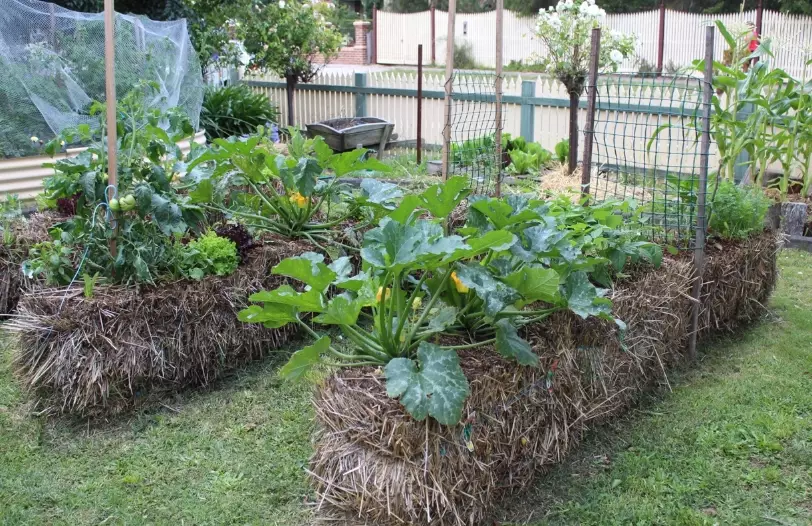
I switched a large section of my own yard to this style five years ago, tired of weekend after weekend lost to yard work. The transformation wasn't just visual; it gave me my weekends back. The key is understanding that "low-maintenance" doesn't mean "no-style." It's a deliberate design choice that works with nature, not against it.
What You'll Find in This Guide
What Exactly Is a Hay Garden?
Forget the literal hay. Think of it as a prairie-inspired, textured landscape. The core components are ornamental grasses—plants like Miscanthus, Panicum (Switch Grass), and Schizachyrium (Little Bluestem). These are mixed with other drought-tolerant perennials that share a similar aesthetic: plants with slender forms, seed heads, and a relaxed habit. Think of Coneflowers (Echinacea), Black-Eyed Susans (Rudbeckia), and Russian Sage (Perovskia).
The effect is a garden that's alive with movement and sound. It changes dramatically with the seasons: fresh green growth in spring, lush fullness in summer, spectacular golden, copper, and burgundy hues in fall, and beautiful, frost-tipped structural interest in winter. The Royal Horticultural Society (RHS) has long championed the use of ornamental grasses for their architectural quality and habitat value.
Most people get the plant choice right but fail on the layout. They plant in timid, small clumps. A hay garden needs confidence. You plant in bold drifts or large swathes. Three plants of the same grass is a start; thirteen creates the immersive, naturalistic effect you're after.
How to Design a Hay Garden: A Step-by-Step Framework
You can't just throw grasses into the ground and hope for the best. A little planning prevents a messy, weedy outcome. Follow this framework.
1. Choose Your Spot and Prepare the Ground
Almost all hay garden plants crave sun—at least six hours of direct light. More sun means better color, stronger stems, and fewer disease problems. Drainage is non-negotiable. These plants hate "wet feet." If your soil is heavy clay, you must amend it. I mix in a generous amount of coarse sand or fine gravel (about 30% by volume) and compost. Don't skimp here. Good soil prep is the one upfront task that pays dividends for years.
Pro Tip: Skip the landscape fabric. Grasses and perennials need to spread and self-seed a bit. Fabric hinders that natural process and eventually gets tangled in the roots. A 2-3 inch layer of gravel mulch or shredded wood bark is far better for suppressing weeds and regulating soil temperature.
2. Structure Your Planting in Layers
This is where design happens. Visualize your space in three tiers.
- The Backdrop (Tall Layer): Use tall, clump-forming grasses like Miscanthus sinensis 'Malepartus' or Panicum virgatum 'Northwind'. Place them at the back of a border or as a focal point.
- The Mid-Level (Matrix Layer): This is the heart of the garden. Use medium-height grasses (like Little Bluestem) and robust perennials. Plant them in those large, repeating drifts I mentioned.
- The Front Edge (Ground Layer): Low-growing, spreading grasses like Blue Fescue (Festuca glauca) or creeping perennials like Catmint (Nepeta) soften the edges and tie the design to the path or lawn.
The Non-Consensus View: Everyone talks about color, but texture is the secret sauce. The magic happens when you juxtapose fine, wispy grasses (like Mexican Feather Grass) against broad, strappy leaves (like an Iris). Or place the vertical spears of a grass next to the mounded form of a sage. Play with contrasts, not just color matching.
3. Incorporate Hardscaping and Seating
A hay garden isn't just to look at from a window. You need to be in it. A simple gravel path winding through the grasses changes the entire experience. A bench or a rustic chair placed where you can catch the afternoon sun filtering through the seed heads is essential. The garden becomes a room.
The Hay Garden Plant List: Top Picks for Every Situation
Not all grasses are created equal. Some are well-behaved clumpers; others are invasive runners that will take over. Here’s a breakdown of reliable performers based on my experience and data from sources like the Missouri Botanical Garden's Plant Finder.
| Plant Name (Common & Botanical) | Height/Spread | Key Feature & Season of Interest | Best For |
|---|---|---|---|
| Little Bluestem Schizachyrium scoparium |
2-4' H / 1-2' W | Blue-green summer foliage turns stunning orange-red in fall. Fine texture. | Brilliant fall color, dry poor soils, native plant gardens. |
| Switch Grass 'Northwind' Panicum virgatum 'Northwind' |
4-5' H / 2-3' W | Incredibly upright, columnar form. Golden fall color, airy seed heads. | Vertical accent, tight spaces, winter structure. Never flops. |
| Feather Reed Grass 'Karl Foerster' Calamagrostis x acutiflora |
5-6' H / 2' W | Early bloomer (June). Vertical wheat-like plumes that last all winter. | Fast screening, reliable early vertical interest. Tolerates heavier soil. |
| Blue Fescue Festuca glauca 'Elijah Blue' |
10" H / 10" W | Intense silvery-blue, evergreen mound. Fine, needle-like foliage. | Edging, rock gardens, container accents. Needs sharp drainage. |
| Japanese Forest Grass Hakonechloa macra 'Aureola' |
1-1.5' H / 1.5' W | Cascading golden-striped foliage. Loves shade. | Shady spots, woodland edges, containers. Adds bright light. |
Avoid These (Unless You Have Acres): Ribbon Grass (Phalaris arundinacea) and some types of Miscanthus can be thuggish spreaders. Always check the invasive species list for your region (like those provided by the USDA or local extension offices) before planting.
Hay Garden Maintenance: The One Big Mistake Everyone Makes
Here's the expert secret nobody tells you: Don't cut your grasses down in the fall. I see it everywhere. People get the shears out in October and chop everything to the ground. You've just removed the main winter interest—the beautiful seed heads catching frost and snow—and stripped away crucial habitat for overwintering beneficial insects.
The right time is late winter or early spring, just as you see the faintest hint of new green growth at the base of the clump. That's your cue. Then, cut the old growth down to about 4-6 inches from the ground. Use sharp hedge shears or even a string trimmer for large clumps. It's a satisfying once-a-year task.
Watering? Establish the plants in their first season with deep, weekly watering. After that, most are incredibly drought-tolerant. I hardly water my established hay garden at all, even during dry spells. Fertilizer? Skip it. These plants thrive in leaner soil. Too much food makes them grow weak, floppy stems.
Your Hay Garden Questions, Answered
Will a hay garden attract pests or look messy and unkempt?
It attracts life, but the good kind. Birds like sparrows and finches feast on the seeds all winter. Butterflies and pollinators adore the companion perennials. As for looking messy, that's a matter of perspective and design. A well-designed hay garden has intention and structure. The winter look is architectural, not messy. If a neighbor complains, show them a picture of a prairie in winter—it's a natural, beautiful process.
How do I stop my ornamental grasses from flopping over in the rain?
Flopping usually signals one of three issues: too much shade, too rich/waterlogged soil, or the wrong plant for the space. 'Karl Foerster' Feather Reed Grass and 'Northwind' Switch Grass are famously upright. Also, avoid over-crowding. Plants need air circulation. If a large Miscanthus clump flops in the center, it's likely old and needs dividing—dig it up in spring, cut the woody center out with a spade, and replant the vigorous outer edges.
Can I start a hay garden in a small urban yard or even containers?
Absolutely. Scale down the plant choices. A large container planted with a single clump of Blue Fescue, some trailing Sedum, and a few annual Verbena can give you the hay garden feel on a patio. In a small yard, focus on just two or three grass varieties repeated in geometric blocks for a modern, minimalist look. Japanese Forest Grass is perfect for shady city courtyards.
What's the best way to combine grasses with flowering plants without it looking chaotic?
Use the grasses as the unifying element. Plant a single type of grass in a large, repeating drift. Then, "dot in" your flowering perennials in smaller groups of 3 or 5 within that sea of grass. The grasses provide a consistent, calming texture that ties the brighter flower colors together. Stick to a simple color palette—like purples (Salvia, Nepeta), yellows (Coreopsis), and whites—against the neutral beiges and greens of the grasses.
The hay garden is more than a trend; it's a smarter way to garden. It asks for less—less water, less time, less chemical input—and gives back more in beauty, wildlife support, and seasonal drama. It's a garden that feels alive. Start with a small sunny patch, choose three grasses from the table above, and plant them boldly. You might just find yourself with more time to actually enjoy your outdoor space, listening to the gentle rustle of the blades in the wind.
Reader Comments