You've just dug up a beautiful harvest of sweet potatoes. They look great, but if you cook one now, you'll be disappointed. It'll taste starchy and bland, nothing like the sweet, creamy flesh you're expecting. That's because you skipped the most critical step: curing. Curing sweet potatoes isn't optional; it's the magic that transforms a hard, tasteless tuber into the sweet, long-storing vegetable we love. I learned this the hard way my first season, ending up with a box of bland, shriveled potatoes that rotted within weeks. Let's make sure that doesn't happen to you.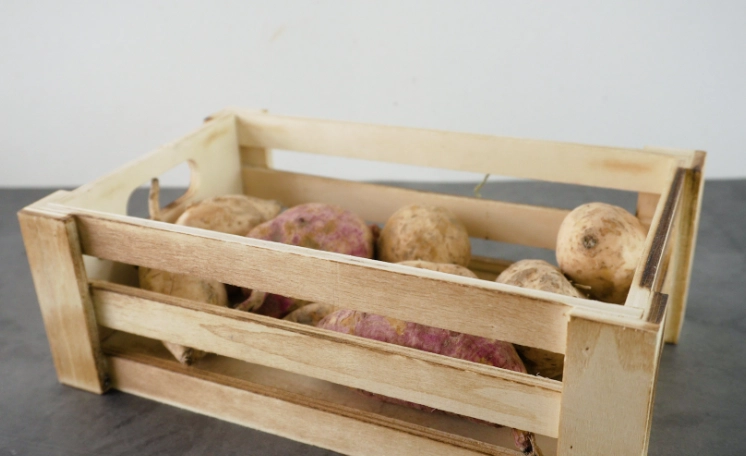
What You’ll Learn in This Guide
Why Curing Sweet Potatoes is Non-Negotiable
Think of curing as the sweet potato's finishing school. When you first harvest them, the tubers are alive and full of starches. The skin is thin and easily damaged. Curing does three essential things that you simply cannot achieve any other way.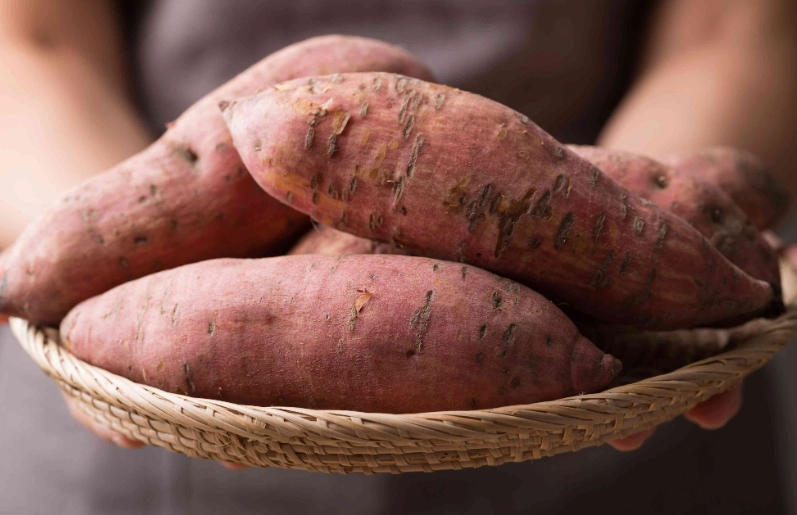
First, and most importantly, it converts starches into sugars. The warm, humid environment of the curing process activates enzymes within the potato that break down complex starches into simple sugars like maltose. This is what gives cured sweet potatoes their characteristic sweetness. An uncured sweet potato might as well be a regular potato in terms of flavor.
Second, curing heals wounds. No matter how careful you are, harvesting will cause minor nicks and abrasions. Left untreated, these are open doors for rot organisms. During curing, a secondary skin layer (a suberin layer) forms over these wounds, sealing them off. This process, often called "suberization," is why you should never wash sweet potatoes before curing—you'd wash away the soil that helps this layer form naturally.
Third, it thickens the skin. The entire outer skin toughens up during curing. This thicker skin is your primary defense against moisture loss and physical damage during long-term storage. According to post-harvest research from institutions like the University of California Cooperative Extension, proper curing can extend a sweet potato's storage life from a few weeks to over six months, even a year.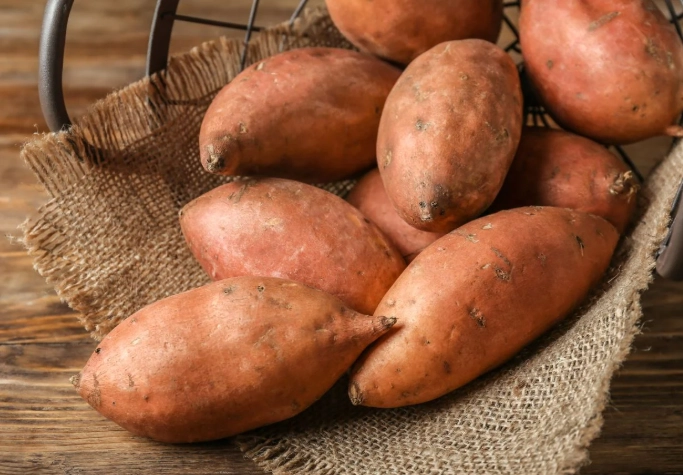
Skip curing, and you're left with a vegetable that's less sweet, more prone to disease, and will spoil in a fraction of the time. It's the difference between a harvest that lasts all winter and one that's a total loss.
The Step-by-Step Curing Process: A Detailed Walkthrough
Let's walk through the process from the moment your shovel hits the ground. Timing and handling are everything.
Step 1: Harvest with Care. Try to harvest on a dry day. Wet soil clings more and increases the chance of bruising. Use a digging fork, not a shovel, and start about a foot away from the plant's base to avoid spearing your precious tubers. Gently lift the soil and use your hands to unearth the potatoes. This isn't a race. I've ruined more than one beautiful Beauregard by being impatient and jamming the fork in too close.
Step 2: Handle Gently, Do Not Wash. This is a big one. Lay the harvested potatoes in a single layer in a crate or on newspaper in the shade. Brush off large clumps of soil with your hands or a soft brush, but do not wash them with water. Water removes the protective soil particles and dramatically increases the risk of rot by introducing moisture to fresh wounds. The curing process needs the potatoes to be dry on the surface but humid in the air around them—a subtle but crucial distinction.
Step 3: Sort and Cull. As you handle them, do a quick sort. Any potatoes with major gashes, rodent bites, or signs of disease should be set aside to eat first (within a week or two). They won't cure properly and will likely rot, potentially spoiling their neighbors. Only the healthiest, most intact tubers should go into long-term curing and storage.
Step 4: Move to Your Curing Space. Within a few hours of harvest, move your sorted sweet potatoes to the space where they will cure. Don't leave them sitting in the sun—they can scald. Don't leave them in a cold garage overnight. The transition to the warm, humid curing environment should be as swift as possible to kickstart the healing process.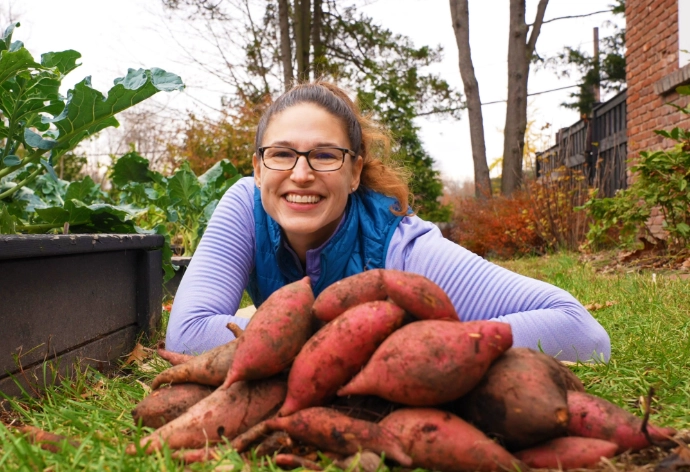
Pro Tip from a Seasoned Grower: Many guides say you can cure potatoes right in the garden row for a few hours. I strongly advise against this. You have zero control over temperature, humidity, and pests. A dedicated curing space is non-negotiable for reliable results.
Ideal Conditions for Curing Sweet Potatoes: Getting It Just Right
This is where most people go wrong. They throw their potatoes in a vaguely warm corner and hope for the best. Hope is not a strategy. Curing requires a specific, controlled environment for a set period. Here’s the breakdown of what you need to monitor.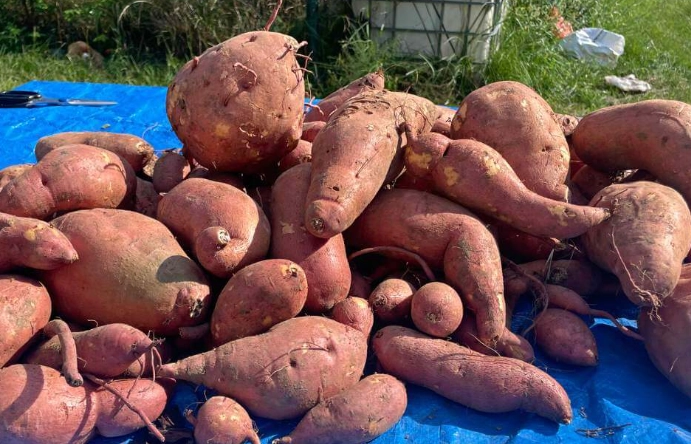
| Factor | Ideal Range | Why It Matters | What Happens If It's Wrong |
|---|---|---|---|
| Temperature | 80-85°F (27-29°C) | Activates healing enzymes and starch conversion. | Too cold: Process stalls, potatoes remain starchy. Too hot: Encourages sprouting, shriveling. |
| Humidity | 80-90% Relative Humidity | Prevents moisture loss from the tuber while the skin heals and thickens. | Too dry: Potatoes shrivel and lose weight. Too wet: Promotes mold and rot. |
| Duration | 4 to 14 days | Allows sufficient time for skin suberization and sugar development. | Too short: Incomplete healing, poor flavor. Too long: Unnecessary energy loss, risk of sprouting. |
| Airflow | Gentle, Indirect Circulation | Prevents stagnant, moist air pockets that foster disease. | Stagnant air: Mold growth. Direct fan blast: Dries out potatoes. |
Temperature: The Sweet Spot
85°F (29°C) is the magic number cited by agricultural extensions like the one from North Carolina State University. This temperature is warm enough to vigorously promote healing and sugar conversion without pushing the tuber into stress mode. In a home setting, achieving this consistently is the biggest challenge.
Your house is likely 68-72°F. Your garage might swing wildly. The best method I've found is to use a small, enclosed space you can heat. A small bathroom with a space heater (placed safely away from flammables), a large insulated cooler with a reptile heating pad, or even a corner of a furnace room can work. Use a thermometer! Don't guess. A cheap digital hygrometer/thermometer is a gardener's best friend here.
Humidity: The Balancing Act
High humidity is just as critical as high temperature, and it's often overlooked. The goal is to keep the air around the potatoes moist so they don't dehydrate while their skin is still permeable. If the air is too dry, the potatoes will shrivel like prunes, losing both weight and quality.
To raise humidity, place a tray of water near your heat source, use a humidifier, or drape damp burlap sacks over the crates (not touching the potatoes). Again, a hygrometer is essential to monitor this. I once lost a batch because I trusted the "feel" of the air in my sunroom—it felt muggy to me, but the hygrometer read a desiccating 55%. The potatoes were already wrinkling.
Check the potatoes after 4-5 days. The skin should feel noticeably firmer and drier to the touch. A slight give when gently squeezed is okay, but they shouldn't feel soft or spongy. For most varieties, 7-10 days is perfect. Thicker-skinned varieties might need the full two weeks.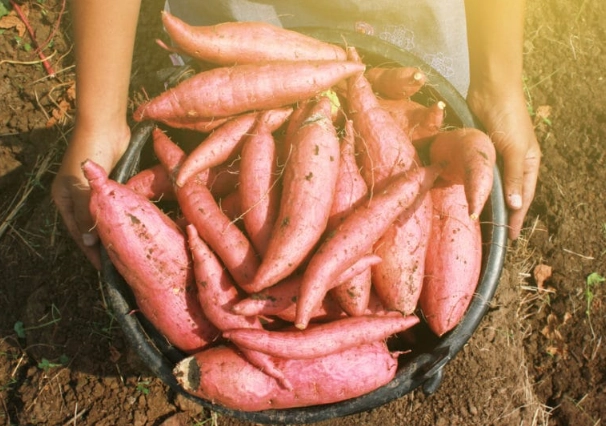
What Happens After Curing? The All-Important Storage Phase
Curing is not storage. Once curing is complete, you must switch gears to long-term storage conditions. This is another common pitfall—people leave their potatoes in the warm, humid curing space.
After curing, sweet potatoes need a cool, dry, and dark environment. The ideal storage temperature is 55-60°F (13-16°C) with about 60% humidity. A cool basement, root cellar, or an unheated spare room (that doesn't freeze) is perfect. An attic or garage that stays within this range can also work.
Do not refrigerate them. Temperatures below 50°F (10°C) cause chilling injury, leading to a hard core when cooked and off-flavors. I made this mistake with my first "successfully" cured batch. They looked great going into the fridge and were inedible coming out.
Pack them in single layers in cardboard boxes or wooden crates. You can separate layers with newspaper or straw. Avoid plastic bags or airtight containers, as these trap moisture and encourage rot. Good airflow around the containers is key.
Visit your storage every few weeks. Remove any potato that shows signs of softening or rot immediately to prevent it from spreading. A properly cured and stored sweet potato will not only last but will continue to sweeten for several months.
The Biggest Mistake You Can Make: Putting cured sweet potatoes in the same warm, humid conditions you used for curing. This will cause them to sprout prematurely, shrivel, or rot. The switch to cool, dry storage is a mandatory second act.
Troubleshooting Common Curing Problems
Even with the best plans, things can go sideways. Here’s how to diagnose and fix common issues.
White, Fuzzy Mold on Some Potatoes: Don't panic. A small amount of surface mold, especially if the air felt very still, is common. It often indicates high humidity with insufficient airflow. Wipe it off gently with a dry cloth. Increase air circulation slightly (a small fan on low, pointing at a wall, not directly at the potatoes). If the mold is extensive or the potato beneath is soft, remove and compost that tuber immediately.
Potatoes Are Shriveling/Wrinkling: This is a sure sign of low humidity. The potatoes are losing moisture faster than their skin can toughen up to retain it. It's often irreversible for already-wrinkled potatoes, but you can save the rest. Immediately increase humidity using the methods described above. The shriveled ones are still edible but won't store well; eat them first.
No Noticeable Sweetness After Curing and Storage: If after a month your potatoes still taste starchy, the curing temperature was likely too low. The enzymatic conversion never got going. Unfortunately, you can't re-cure them. Use them in savory dishes where sweetness isn't critical, like hash or mashed with herbs. Next year, invest in a thermometer and a reliable heat source to hit that 85°F target.
Soft, Wet Rot Developing: This is usually caused by curing potatoes that were already damaged or washing them before curing. It can also happen if condensation drips directly onto the potatoes. Remove any rotting potatoes immediately. Improve airflow and ensure no water is dripping into the curing area. Always cure in a single layer so rot can't spread from one potato to another underneath it.
Reader Comments