Planting carrots seems simple enough. Scratch some soil, sprinkle seeds, wait. But if you've ever ended up with a harvest of stunted, forked, or disappointingly bland roots, you know there's more to it. The secret isn't in fancy tools, but in understanding what a carrot seed needs from day one. Get the soil and sowing right, and you're 90% of the way to a perfect harvest. Forget the frustration; let's break down exactly how to plant carrots for a crop that's sweet, straight, and worth the wait.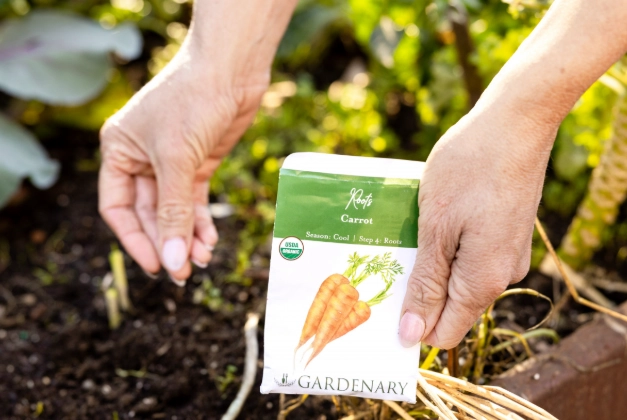
What's Inside This Guide?
How to Prepare the Perfect Soil for Carrots
This is where most beginners fail. Carrots are taproots. They push straight down, and anything hard, clumpy, or rocky in their path causes them to fork, split, or grow sideways. You need loose, deep, and stone-free soil.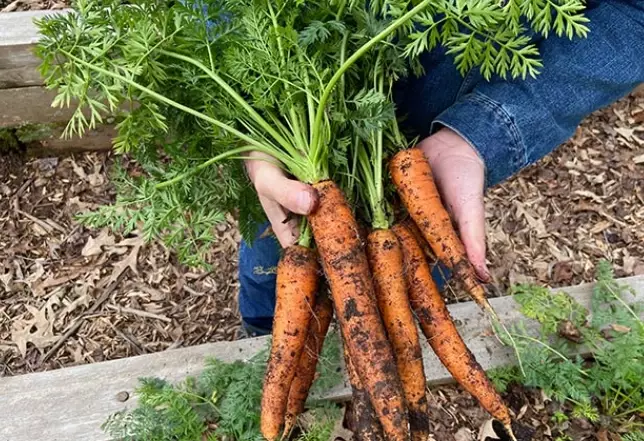
Depth is critical. Aim to loosen the soil at least 12 inches deep. A garden fork works better than a shovel for this. Don't just turn it over; break up the clumps. If you're dealing with heavy clay soil, you have two real choices: build a raised bed filled with a light, sandy loam mix, or commit to serious soil amendment over a season or two.
The ideal soil texture is light and crumbly. If you can squeeze a handful and it forms a hard ball, it's too dense. Mixing in some coarse sand or fine horticultural grit can help dramatically. I did this in one half of my bed as an experiment one year—the difference in root straightness was undeniable.
Timing Your Planting
Carrots are a cool-season crop. You can plant them as soon as the soil can be worked in spring, about 2-4 weeks before your last frost date. The soil temperature should be at least 45°F (7°C). For a continuous harvest, sow a new batch every 3-4 weeks until about 10-12 weeks before your first fall frost. Fall carrots, maturing in cooler weather, are often the sweetest of all.
The Right Way to Sow Carrot Seeds
Carrot seeds are tiny. This leads to the number one sowing mistake: planting them too deep. They need light to germinate. Sow them no more than 1/4 inch deep. Just barely cover them.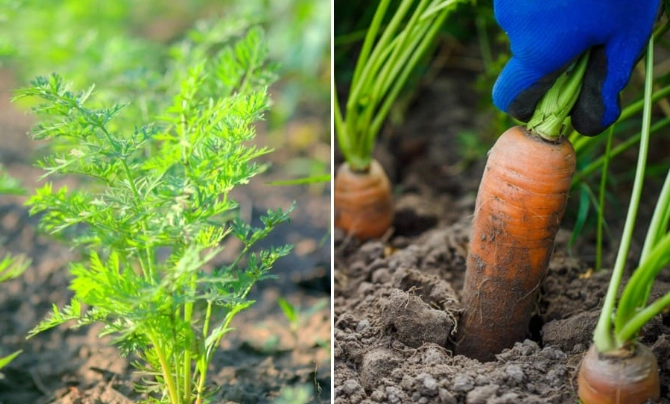
Here's a method that saves you heartache later: make shallow furrows about 1/4 inch deep. To help space the seeds (they're hard to handle), try mixing them with a handful of dry sand. Sprinkle the sand-seed mix along the furrow. It gives you a much better distribution than trying to drop individual seeds. Cover lightly with fine soil or sifted compost, and pat down gently to ensure good seed-to-soil contact.
Watering at this stage is delicate. Use a gentle spray or a watering can with a fine rose. You must keep the top inch of soil consistently moist until germination, which can take 1-3 weeks. If it dries out, the tiny seeds die. Many gardeners lay a board or burlap over the row to retain moisture, checking daily and removing it as soon as you see the first green sprouts.
Thinning: The Non-Negotiable Step for Big Carrots
You will sow too many seeds. It's inevitable. If you don't thin, you'll get a dense cluster of spindly, competition-starved carrots no bigger than a pencil. Thinning is brutal but necessary.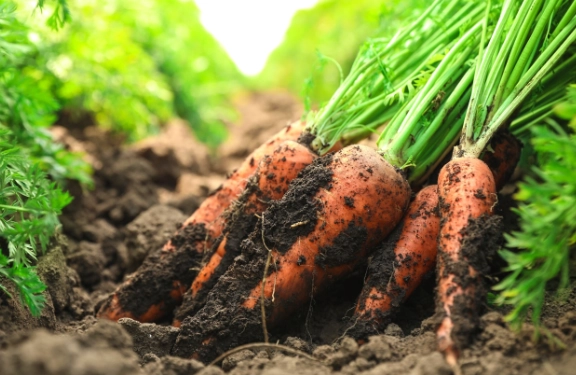
Do it in two stages. First, when seedlings are about 2 inches tall, thin them to stand about 1 inch apart. Snip the extras at soil level with scissors—don't pull, as you'll disturb the roots of the ones you want to keep. Later, when the carrot tops are 4-5 inches tall and the small roots are edible (baby carrots!), thin again to the final spacing.
Final spacing is key:
- Standard varieties: 2 to 3 inches apart.
- Large or storage varieties: 3 to 4 inches apart.
- Row spacing: Keep rows 12 to 18 inches apart for easy weeding and growth.
That space is non-negotiable. A carrot needs room to expand radially, not just down.
Ongoing Care, Watering, and Pest Patrol
Once thinned, your main jobs are watering, weeding, and watching for pests.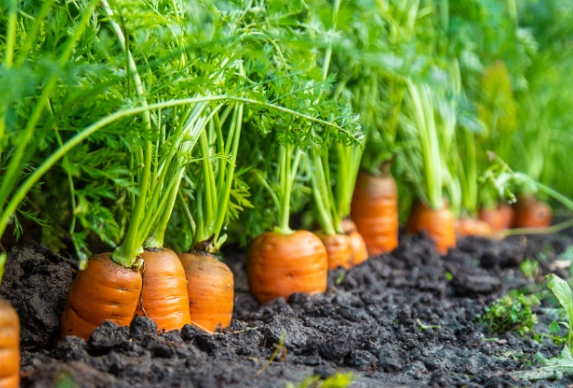
Watering Deeply and Consistently
Inconsistent watering is the prime cause of cracked or bitter carrots. They need about 1 inch of water per week. The goal is deep, infrequent watering that encourages roots to grow down. A long, slow soak is better than a daily sprinkle. Drip irrigation or a soaker hose is ideal, keeping the foliage dry and preventing disease.
As roots near maturity, steady moisture is even more critical for sweetness and texture.
Dealing with Carrot Rust Fly and Other Pests
The carrot rust fly is the big one. Its maggots tunnel into roots. The best defense is physical barriers. Cover your carrot rows immediately after sowing with a fine mesh row cover (like insect netting), sealing the edges with soil. This prevents the fly from laying eggs. Crop rotation is also essential—don't plant carrots in the same spot year after year.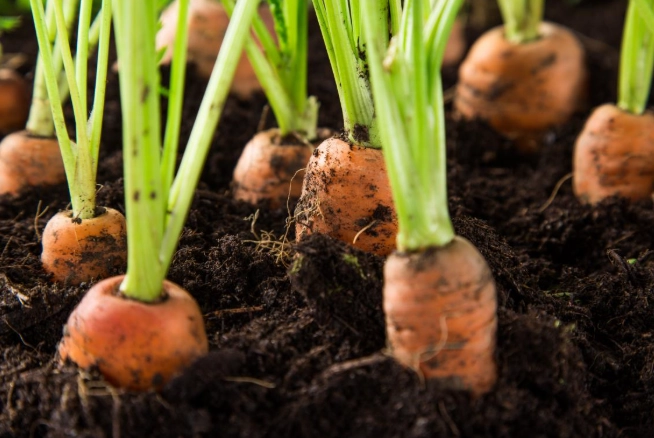
When and How to Harvest & Store Your Bounty
Harvest time depends on the variety, but you can start pulling "baby" carrots whenever they look big enough to eat. For full-sized carrots, check the days to maturity on your seed packet. Often, the shoulders of the carrot will begin to push up and widen at the soil surface.
To harvest, water the soil first to loosen it, then grip the carrot at the base of its greens and wiggle it while pulling straight up. For stubborn carrots in hard soil, use a garden fork to gently lift from beside the row.
For storage: Twist off the greens about an inch above the shoulder. The greens draw moisture and sugars from the root, causing them to go limp quickly. Store clean, dry carrots in perforated plastic bags in your refrigerator's crisper drawer. For long-term storage, traditional methods involve packing them in damp sand or sawdust in a cool, humid root cellar.
Choosing the Right Carrot Variety for You
Not all carrots are long and orange. Picking the right type for your soil and taste can make a huge difference.
| Variety Type | Best For | Key Characteristics & Notes |
|---|---|---|
| Nantes | Beginner gardeners, heavy soils | Cylindrical, blunt tips, sweet and crisp. Tolerates heavier soil better than long types. My personal favorite for reliability. |
| Danvers | Storage, clay soils | Sturdy, tapered roots with strong tops. Good for heavier soils and stores very well. |
| Imperator | Deep, sandy soils | The classic long, tapered supermarket carrot. Needs deep, loose soil to reach full potential. |
| Chantenay | Shallow or rocky soils, containers | Short, broad, cone-shaped roots. Excellent for shallow beds or less-than-ideal soil. |
| Round/Ball (e.g., 'Paris Market') | Containers, shallow beds, kids | Small, round carrots that grow quickly. Perfect for pots or rocky ground. |
| Colorful Varieties (Purple, Yellow, White) | Garden interest, unique flavors | Purple carrots often have orange cores and contain anthocyanins. Flavors can be slightly different—some sweeter, some earthier. |
Your Carrot Growing Questions, Answered
Why are my carrots growing forked or misshapen?
This is almost always a soil issue. The root hit an obstacle: a rock, a hard clod of clay, or even a chunk of fresh manure. Forking can also happen if you transplant carrot seedlings (which you should never do) or if the root tip is damaged by a pest. The fix for next time is to prepare a deeper, finer, stone-free seedbed.
My carrot tops are huge but the roots are tiny. What happened?
Too much nitrogen. You likely used a fertilizer high in nitrogen, which promotes lush leafy growth at the expense of the root. Carrots are light feeders. Next season, use a balanced fertilizer or just well-rotted compost, and avoid high-nitrogen amendments like fresh grass clippings or manure near planting time.
How long do carrot seeds take to germinate? Mine haven't come up.
They can take 10 days to 3 weeks, depending on soil temperature and moisture. The most common reason for failure is the seedbed drying out. Those tiny seeds have very little reserve. Keep the surface consistently damp with light, frequent watering or a moisture-retaining cover until you see sprouts. Don't assume they're dead until at least 3 weeks have passed.
Can I grow carrots in containers?
Absolutely, and it's a great way to control soil quality. Choose a container at least 12 inches deep. Use a light, well-draining potting mix (you can add some extra sand). Stick to shorter varieties like Nantes, Chantenay, or round carrots. Watering is more critical in containers, as they dry out faster.
My carrots taste bitter or woody, not sweet.
Bitterness often comes from stress—usually heat or inconsistent watering. Carrots convert starches to sugars in cool weather. Summer-grown carrots can be less sweet. Woody texture is a sign of over-maturity or the plant "bolting" (going to seed). Harvest at the right time and ensure even, deep watering throughout their growth.
What's this about "shoulders" turning green? Is it safe to eat?
The green tops of the carrot exposed to sunlight produce chlorophyll (greening) and solanine, which can taste bitter. It's not poisonous in the small amounts on a carrot, but it can be unpleasant. Simply peel it away. Prevent it by mounding a little soil or mulch over any exposed shoulders as the carrots grow.
Reader Comments