Get this right, and you'll enjoy asparagus spears for decades. Mess it up, and you might wait years for a decent harvest. I've grown asparagus for over a decade, and I've seen both successes and failures—mostly from planting at the wrong time. Let's cut through the noise and find the sweet spot for your garden.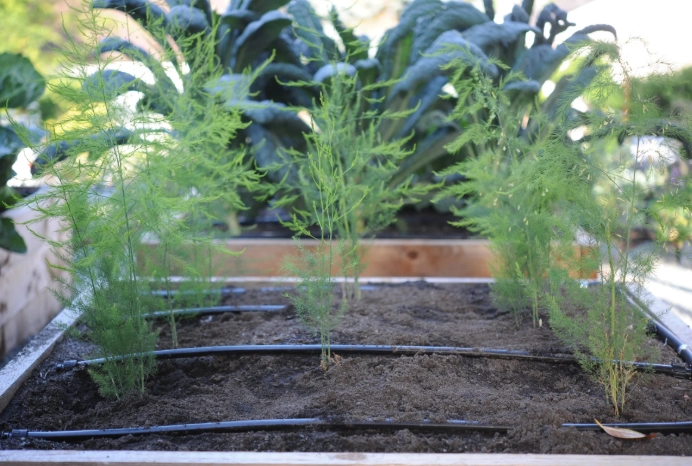
What You'll Learn
Understanding Why Asparagus Planting Timing Isn't One-Size-Fits-All
Asparagus is a perennial. You plant it once, and it comes back year after year. That's great, but it also means the initial timing is critical. Most folks think spring is the only time, but it's more nuanced.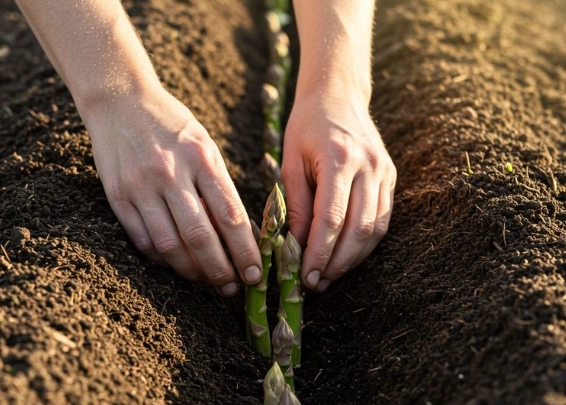
I remember helping a neighbor who planted crowns in late fall because a big-box store had them on clearance. He lost every single one to frost heave. Asparagus crowns need time to establish roots before extreme weather hits.
The Role of Dormancy and Soil Temperature
Asparagus plants go dormant in winter. Planting should happen when they're still dormant or just waking up. Soil temperature matters more than air temperature. Aim for soil around 50°F (10°C). If it's too cold, roots won't grow; too warm, and the plant might break dormancy prematurely.
Here's a tip I learned the hard way: don't rely on calendar dates alone. My garden in Zone 6b might be ready in early April, but a friend in Zone 4 might wait until May. Check your local soil with a thermometer—it's worth the $10 investment.
How to Pinpoint Your Ideal Planting Window
This is where most guides fall short. They say "spring," but spring varies wildly. Let's get specific.
Using USDA Hardiness Zones as a Starting Point
The USDA Plant Hardiness Zone Map is your best friend here. It divides North America into zones based on average annual minimum winter temperature. For asparagus, zones 3-8 are ideal, but timing shifts.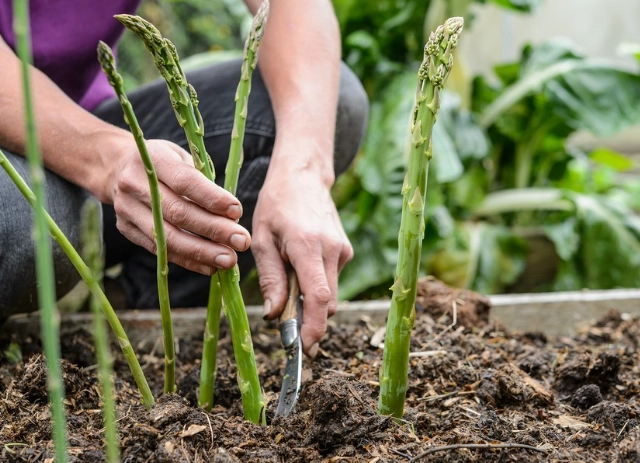
I usually refer to the University of Maryland Extension's guidelines for regional advice—they have detailed charts for vegetable planting. For example, in Zone 5, asparagus crowns go in as soon as the soil is workable in early spring, often late March to mid-April.
Pro insight: Many gardeners obsess over the last frost date, but for asparagus, focus on soil workability. If you can dig a trench without the soil clumping, you're good to go. Frost after planting? Not a big deal if crowns are dormant.
A Practical Table for Different Regions
Here's a quick reference based on my experience and data from agricultural extensions. Adjust for microclimates—like if you're near a lake or in a valley.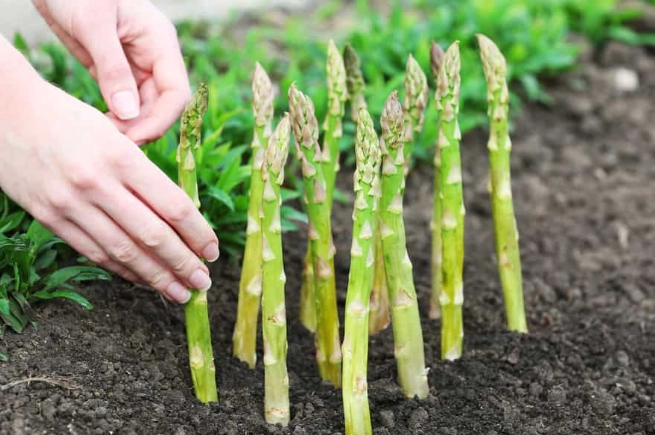
| USDA Zone | Best Planting Time for Crowns | Key Considerations |
|---|---|---|
| Zones 3-4 | Late April to Mid-May | Wait until soil thaws completely; avoid wet, cold soil. |
| Zones 5-6 | Early April to Early May | Ideal window is short; aim for soil temp ~50°F. |
| Zones 7-8 | Late February to Mid-March | Can plant earlier, but watch for late frosts. |
| Zones 9-10 | Fall (October-November) | Spring planting often fails due to heat; fall allows root establishment. |
Notice Zone 9-10? That's a curveball. In warmer climates, fall planting works better because crowns establish during cooler months. I learned this from a gardener in Florida who struggled for years until she switched to autumn.
A Foolproof Planting Process from Start to Finish
Let's walk through it. Assume you've got your crowns ready—I recommend buying from reputable nurseries, not storing them for weeks.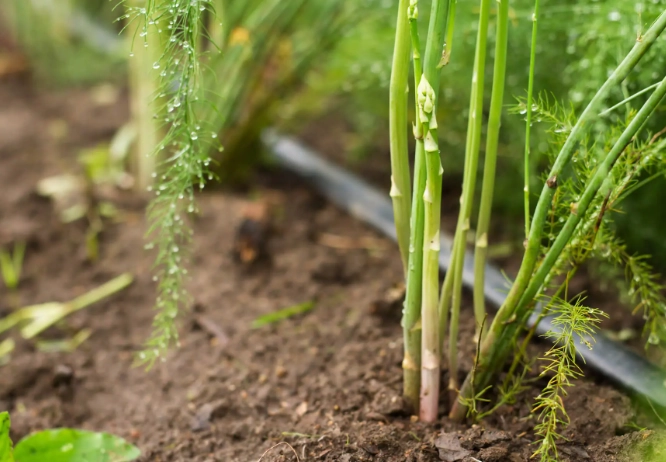
Step 1: Soil Preparation—The Make-or-Break Factor
Asparagus loves well-drained soil with a pH of 6.5 to 7.5. Test your soil first. I use a kit from my local cooperative extension—they're cheap and accurate.
Dig a trench about 12 inches deep and 18 inches wide. Mix in compost or aged manure. Some gardeners add sand if drainage is poor, but I've found that overdoing it can create a "bathtub effect" where water pools. Instead, focus on organic matter.
Step 2: Planting Crowns vs. Seeds
Most people plant crowns (1-year-old roots). Seeds take an extra year, and timing is trickier—start indoors 12-14 weeks before last frost. For crowns, space them 18 inches apart in the trench, with buds facing up. Cover with 2 inches of soil initially, then fill in as shoots grow.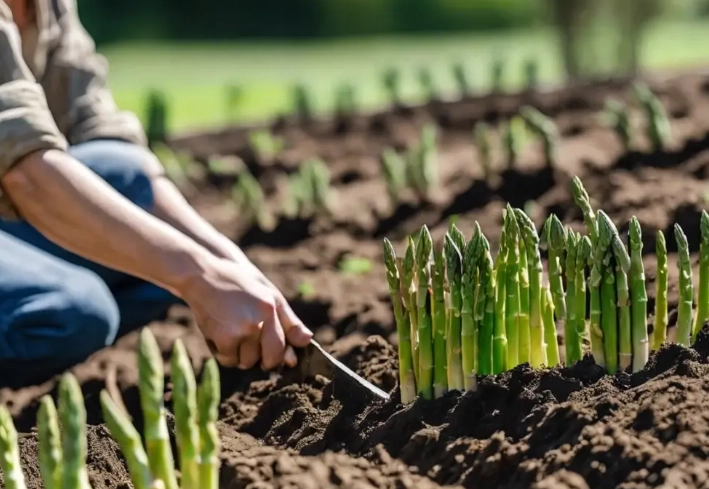
I once tried seeds to save money. It worked, but harvest was delayed by a year. Not worth it unless you're patient.
Step 3: Watering and Initial Care
Water deeply after planting, but don't drown them. Asparagus hates soggy feet. Mulch with straw to retain moisture and suppress weeds. In the first year, resist the urge to harvest—let the plants build energy.
Common Pitfalls Even Experienced Gardeners Miss
Here's where my 10 years of mistakes pay off for you.
Planting too deep or too shallow. Crowns should be 6-8 inches deep after final filling. Shallow planting leads to weak spears; too deep, and they might not emerge. I measured wrong once and had to replant half the bed.
Ignoring soil pH. Asparagus is picky. Acidic soil below 6.0 causes poor growth. Add lime if needed, but do it months before planting. A friend added lime at planting time and burned the roots.
Over-fertilizing early on. New crowns don't need much nitrogen. Use a balanced fertilizer at planting, then side-dress in summer. I've seen gardens where excess fertilizer caused lush foliage but few spears.
Post-Planting Care to Ensure Long-Term Success
Planting is just the start. Asparagus requires patience.
Weed Control Without Chemicals
Weeds compete fiercely with asparagus. Hand-weeding is best initially. I use a thick mulch layer, but avoid heavy mulches that smother crowns. Some gardeners plant a cover crop like clover between rows—it fixes nitrogen and suppresses weeds.
Watering and Fertilizing Schedule
Water during dry spells, especially in the first two years. Asparagus has deep roots, so infrequent, deep watering beats frequent sprinkles. Fertilize in early spring with a 10-10-10 blend, then again after harvest.
I skip synthetic fertilizers now and use compost tea. It's slower but builds soil health. Your choice, but consistency matters.
FAQ: Your Burning Asparagus Questions Answered
Timing asparagus planting isn't just about a date on the calendar. It's about understanding your local conditions, soil, and the plant's needs. Get it right, and you'll enjoy fresh spears every spring for 20 years or more. Start with soil prep, choose the right window, and avoid those common mistakes. Happy planting!
Reader Comments