Planting a tree seems simple enough. Dig a hole, drop it in, fill it up. Right? That's what I thought when I planted my first maple a decade ago. It survived, but it never really thrived. It took me years of trial, error, and talking to real arborists to learn that the difference between a tree that merely survives and one that explodes with growth often comes down to a handful of critical, overlooked steps in the planting process. This guide is the culmination of that experience. We're going beyond the basic "how do you plant a tree" and diving into the how, when, and why that ensures your effort pays off for generations.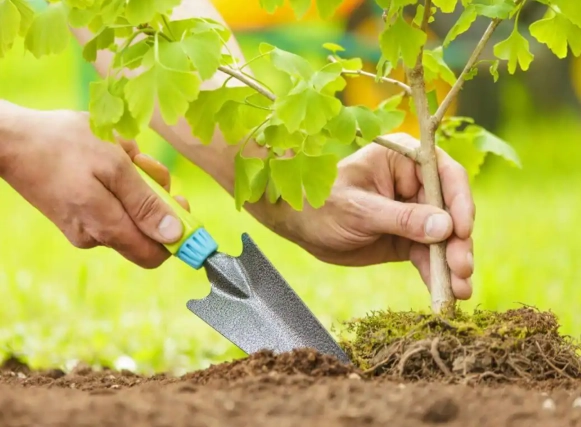
What You'll Learn
How to Choose the Right Tree for Your Yard
This is where most people go wrong. They fall in love with a picture of a majestic oak without considering their space. Choosing the right tree is 50% of the battle. Ask yourself these questions:
- How big will it get? Not just height, but spread. That cute little sapling could grow roots that interfere with your foundation or branches that tangle with power lines in 20 years. Check the mature size on the tag. Resources like the Arbor Day Foundation's Tree Guide are invaluable here.
- What's your goal? Shade? Privacy? Fruit? Fall color? Native species for wildlife? Your goal narrows the list dramatically.
- What are your site conditions? Full sun or afternoon shade? Is the soil clay (holds water) or sandy (drains fast)? Is it windy? A simple soil test from your local university cooperative extension (search for "[Your State] cooperative extension soil test") can tell you pH and nutrient levels. It's cheap and prevents headaches.
My personal rule: Prioritize native species. They're adapted to your local climate, pests, and soil, which means less maintenance and more resilience. A red maple or white oak in the Eastern US will almost always outperform an exotic import.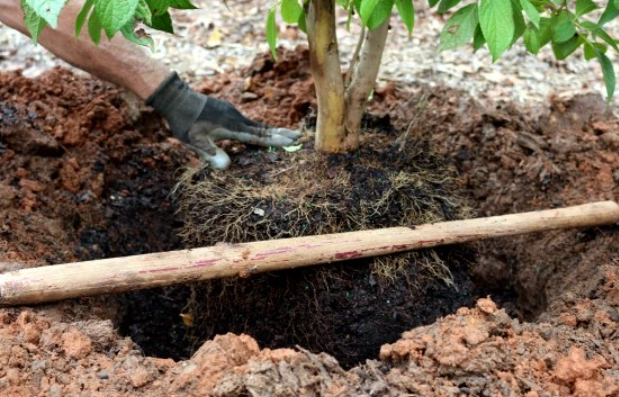
The Best Time and Place to Plant a Tree
Timing isn't everything, but it gives your tree a huge head start.
The Golden Rule: Plant when the tree is dormant but the soil is workable. For most regions, this means early spring (after frost leaves the ground but before buds break) or early fall (at least 6-8 weeks before a hard freeze). Fall is often ideal because the soil is warm, encouraging root growth, while the top of the tree isn't demanding water for leaves.
Summer planting is a stress test for the tree (heat, water demand). Winter is impossible if the ground is frozen. If you must plant in summer, be prepared for vigilant watering.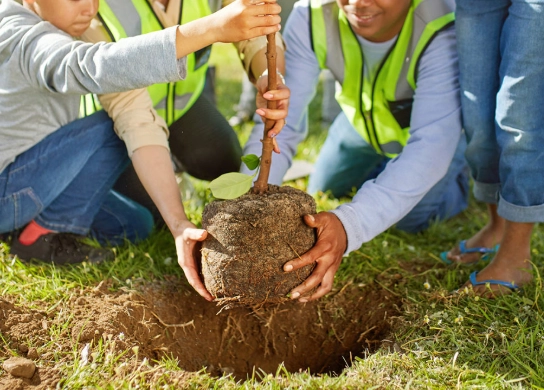
Picking the Spot
Look up. Look down. Look around. Are there overhead wires? Underground utilities? Call 811 before you dig, always. Is there enough space for the canopy? Consider the roots, which typically spread 1.5 to 3 times the width of the canopy. Planting too close to driveways, sidewalks, or foundations invites future conflict and expensive removal.
The Step-by-Step Tree Planting Process
Here's the core of "how do you plant a tree." Forget the old advice to dig a deep hole. Modern arboriculture says that's a death sentence.
1. Digging the Hole: Width vs. Depth
This is the most common technical error. The hole should be 2 to 3 times wider than the root ball. This loosens the soil for the roots to expand easily. The depth? Only as deep as the root ball. Measure from the trunk flare (where the roots start to spread) to the bottom of the ball. Dig to that depth, no more. Planting too deep suffocates roots. I use the handle of my shovel laid across the hole to check depth.
2. Handling the Root Ball
For container-grown trees, gently remove the pot. For balled-and-burlapped (B&B) trees, lower it into the hole first, then cut away the wire basket and burlap from the top two-thirds. You can leave the material under the ball.
Critical Step: Examine the roots. If they're circling densely around the root ball (a common problem with container trees), you must score or tease them apart. Use your fingers or a knife to make vertical cuts down the sides and gently pull circling roots outward. If you don't, they'll continue to girdle the tree, strangling it years later. This one act can save a tree's life.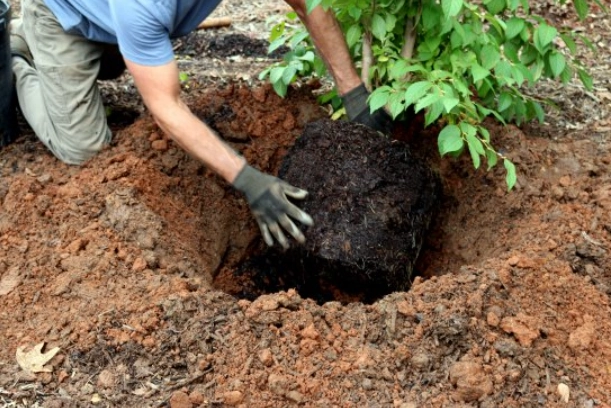
3. Backfilling and Watering
Place the tree in the hole, ensuring the trunk flare is slightly above (an inch or so) the surrounding grade. Never amend the backfill soil with compost or fertilizer in the hole. It creates a "bathtub effect" where water pools and roots won't venture into the native soil. Just use the soil you dug out, breaking up large clods.
Backfill halfway, then water thoroughly to settle soil and eliminate air pockets. Then fill the rest, creating a shallow berm (a ring of soil) around the outer edge of the hole to form a water basin.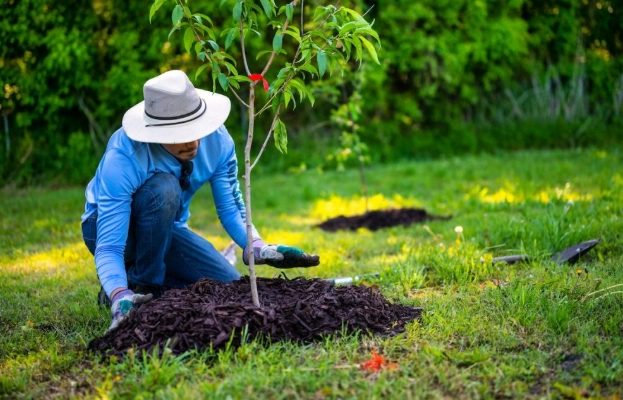
4. Mulching and Staking
Apply 2-4 inches of organic mulch (shredded wood, bark chips) over the root zone. Keep mulch away from the trunk. No "volcano mulching"—it promotes rot and disease. Spread it like a donut, not a mountain.
Most trees don't need staking. It can prevent the trunk from developing strength. Only stake if the site is very windy or the tree is top-heavy. If you must, use two flexible ties low on the trunk and remove them after one year.
Top 3 Tree Planting Mistakes (And How to Avoid Them)
- Planting Too Deep. The trunk flare must be visible. If it's buried, the tree is essentially being suffocated. I see this everywhere.
- Over-amending the Planting Hole. As mentioned, it discourages roots from exploring. They get comfortable in the rich pit and then hit a wall.
- Neglecting Water. The first few years are critical. It's not about daily sprinkles. It's about deep, infrequent watering that encourages roots to grow down. A slow trickle from a hose for 20-30 minutes once a week (adjust for rainfall and heat) is better than 5 minutes every day.
Critical Aftercare: The First 3 Years
Planting is just the first date. The relationship needs work.
Year 1: Water is king. Check soil moisture weekly. The goal is consistent moisture, not sogginess. No fertilizer.
Year 2 & 3: Water during prolonged droughts. You can apply a light, slow-release fertilizer in the spring if growth seems poor, but often it's not needed. Inspect for pests or diseases.
Pruning: Limit pruning in the first few years to removing dead, damaged, or crossing branches. Hold off on major shaping.
Reader Comments